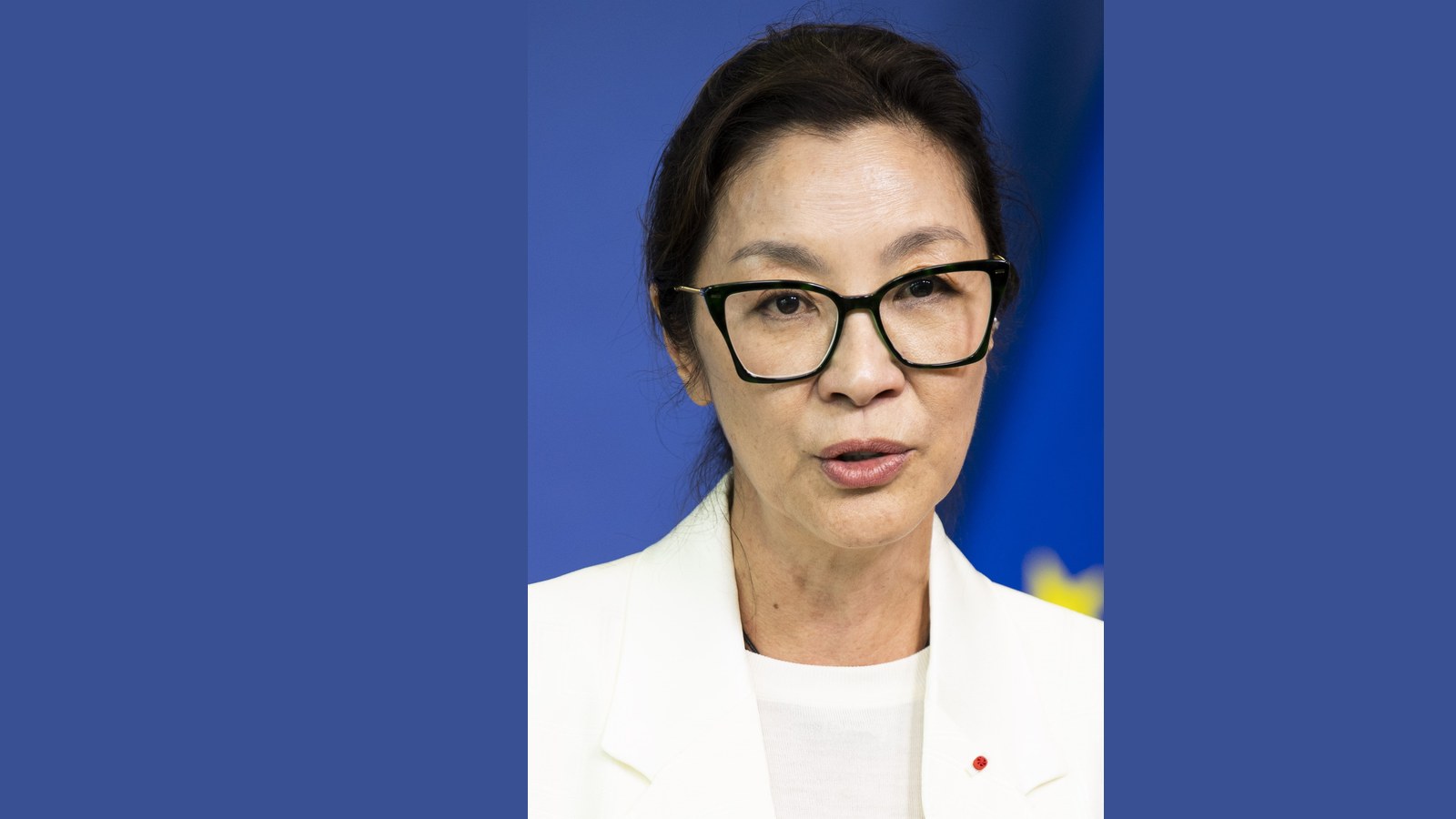
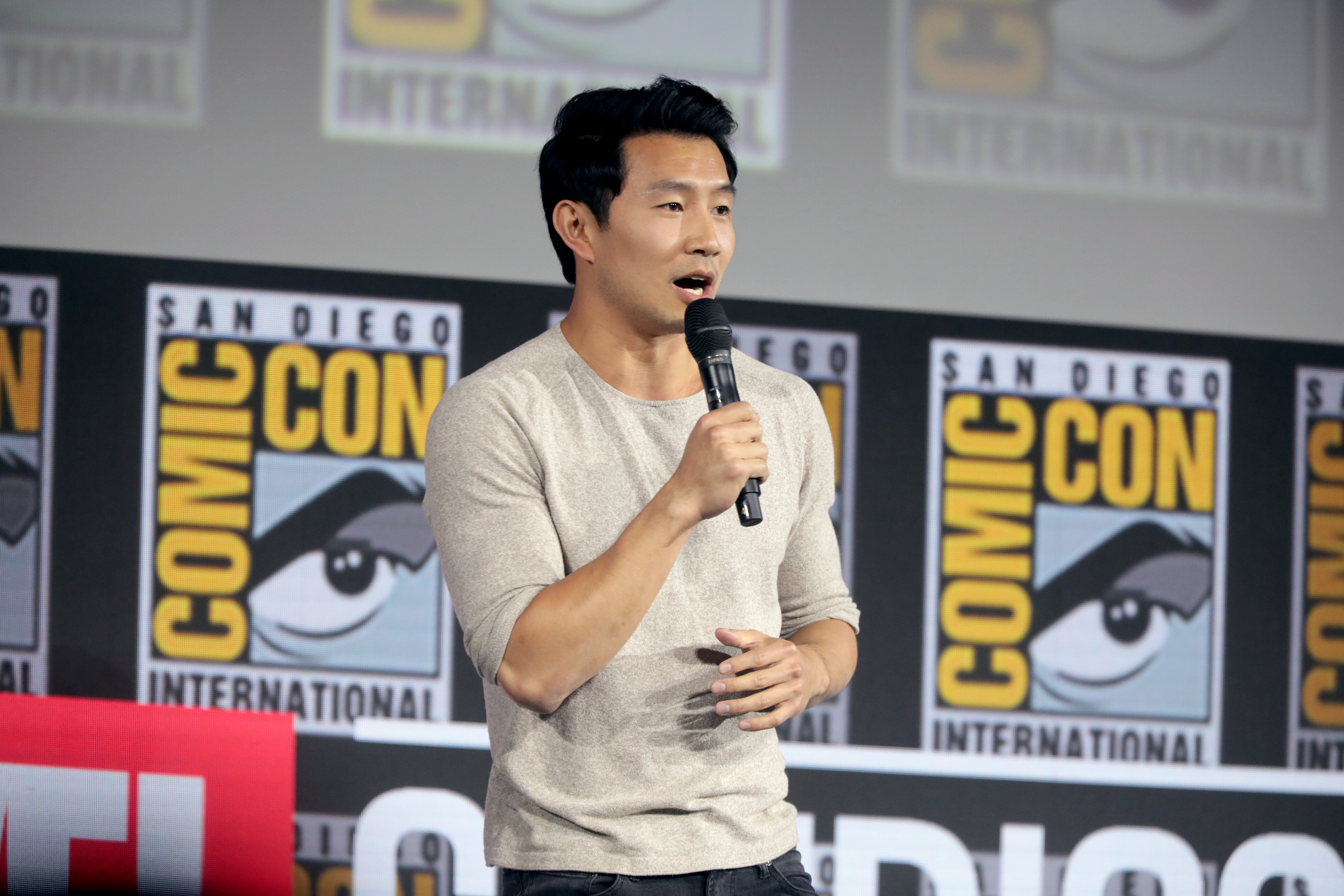
Olivia Rodrigo is the Filipina American star we've been waiting for
Olivia Rodrigo has been open about her Filipino family for years, from Disney Channel heritage videos to lumpia, calamansi, and a sold-out Philippine Arena stop. The scale of her career is why that honesty now lands differently.
 Mina Park

Olivia Rodrigo was born February 20, 2003 (Pisces, Water Goat) in Murrieta, California, and raised in nearby Temecula. She is Filipino on her father's side, German and Irish on her mother's, and she has said the Filipino half plainly since her Disney days, long before Sour made that honesty a stadium-scale fact.
In a 2017 Asian Pacific American Heritage Month video for Disney, she walked viewers through the basics: great-grandfather on a boat from the Philippines as a teenager, Filipino food and Tagalog in the grandparents' house, Thanksgiving lumpia as annual ritual. She closed it like a diary entry: Filipina, lumpia fan, daughter and granddaughter and great-granddaughter. A 2018 Center for Asian American Media interview repeated the same tree without corporate polish. That was not a rebrand. It was the family table.
The thread never really stopped. On High School Musical: The Musical: The Series, her character Nini had a Filipino Lola. In August 2023 she became the first Filipino American on a Vogue U.S. cover, profiled by Jia Tolentino, a Filipino writer who treated that pairing as the point, not a coincidence. Then she cooked chicken lumpia and mixed a calamansi paloma for Vogue in March 2026, still narrating grandma's Thanksgiving rolls for an audience that now had Billboard receipts attached.
The Philippines trip she called a bucket-list stop finally happened on the Guts tour. On October 5, 2024, she played Philippine Arena as a full Silver Star show: every ticket at P1,500, net proceeds to Jhpiego for women's and girls' healthcare in the Philippines, roughly 55,000 people singing back in harmony. She wore a Pinoy Pride tank and a Miss So Filipina sash, rewired So American into "feeling so Filipino," and told the crowd Proud Pinoy ako after days of pancit, lumpia, and halo-halo in Manila. She also said she was taking Tagalog lessons. Later, on Fallon, she called it her biggest venue, praised Filipino karaoke ears, and mentioned a hospital nurse after the show who shared her late grandfather's name. That is heritage as itinerary, pricing, and charity math, not a caption.
Why call her the star diaspora readers have been waiting for? Context, not monopoly. Filipino Americans have been inside U.S. entertainment for a long time: Lea Salonga's Disney voice work, Apl.de.Ap in the Black Eyed Peas, Bruno Mars naming Filipino pride onstage, Vanessa Hudgens correcting fans who assumed she was Latina, Darren Criss winning major awards while talking through half-Filipino identity. The pattern has often been contribution without consistent face recognition. Mixed Filipino stars especially get read as ethnically ambiguous until they force the specificity themselves.
Rodrigo's difference is volume plus fluency. Sour and Guts made her a generational pop center, then she kept repeating the same practical truths: family recipes, Tagalog memory through relatives, an overdue trip home, pride without a TED Talk. In July 2026, promoting you seem pretty sad for a girl so in love, she told ABS-CBN she wears the fan nickname pambansang pinsan, national cousin, with honor. The album landed on June 12, Philippine Independence Day. She has already said she wants to return for the islands, not just another Manila date.
You do not need her to speak for every Filipino American story. You do need mainstream pop to stop acting surprised when one of its biggest stars says she is Filipina and means it.
For a wider frame on how heritage, media, and personal agency stack into Asian American identity, Goldsea maps the components cleanly.