Why second-generation rom-coms look different on screen now
Diaspora rom-coms stopped asking permission to be funny. Newer series and films trade trauma monologues for specificity, family chaos, and aesthetics that borrow from K-drama gloss without copying the plot homework.
 The Goldscene Desk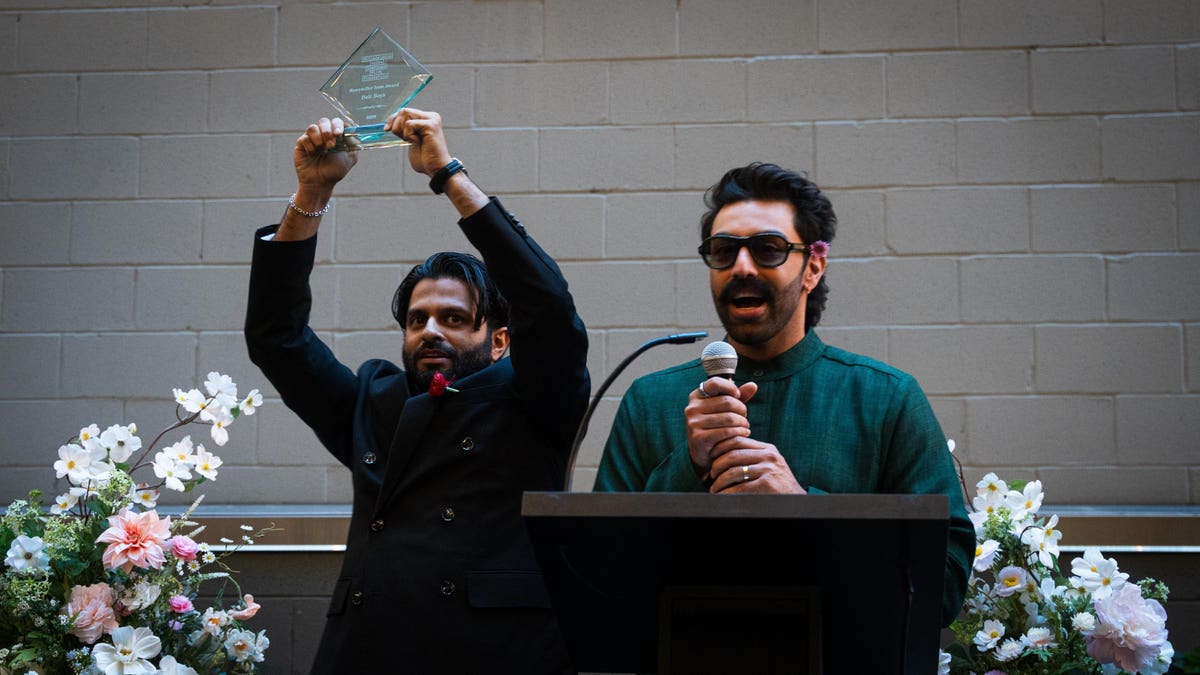

The first wave of Asian American rom-coms often felt like auditions. Crazy Rich Asians (2018) and The Big Sick (2017) proved box office was possible, but many follow-ups still paused love plots so someone could deliver a speech about assimilation. Viewers were grateful for representation and tired by minute forty.
The second-generation wave, shaped by streaming budgets and global format borrowing, looks lighter on its feet. Culture shows up in food arguments, wedding logistics, cousin group chats, and styling that references K-drama without requiring 12 episodes of palace politics.
Gloss without homework
Asian rom-coms in their glossy era borrowed brightness from K-drama and Hong Kong rom-com traditions: clear emotional stakes, attractive people in well-lit apartments, endings that restore order. Western projects now use that gloss while keeping American workplace and family settings.
Wonderfools is the international co-production version: Korean star power plus Netflix rom-com pacing aimed at viewers who already consume subtitled romance on phones. The show does not ask you to learn a folklore bible. It asks you to enjoy banter and wardrobe.
Netflix's XO, Kitty (2023 to 2025) and Never Have I Ever (2020 to 2023) also trained younger viewers to accept Asian-led romance without trauma-first plotting. That audience now expects chemistry in episode one, not a cultural studies lecture in episode two.
Comedy with family teeth
Deli Boys is not a rom-com, but it teaches the tonal lesson second-gen rom-coms learned: specificity beats sermon. The Hulu series follows Pakistani American brothers inheriting a sketchy deli empire. Humor lands when the joke assumes the audience already knows what a halal cart argument sounds like.
Rom-coms applying that lesson keep parents in the frame as chaos engines, not moral judges waiting to be educated by the white therapist friend. Joy Luck Club grief is not the default template anymore. Parents can be funny, horny, wrong, and financially stressful without becoming symbols.
What Hollywood still gets wrong
Simu Liu's Hollywood critique still rings true in parts of the studio system: Asian-led romance gets treated as risky unless a franchise halo or streaming algorithm guarantees eyeballs. Rom-coms are cheaper than superhero films, but executives still panic about "how wide is wide enough."
The counterproof is audience behavior. Viewers will marathon a mid-budget romance if the leads feel like people they know. They do not need every story to be Everything Everywhere All at Once intensity. To All the Boys I've Loved Before (2018) already proved YA streaming romance could spawn a trilogy without awards campaign grief.
The global feed effect
Second-gen rom-coms also compete with K-drama release calendars. A viewer might watch a Korean series on Tuesday and an American film on Friday, then complain both feel slow. Creators respond with shorter seasons, faster banter, and soundtracks engineered for vertical clips.
That compression can flatten character, but it also kills the old pattern where these stories waited until episode six to let anyone flirt. Korean variety formats also feed American writers' room references: game segments, food dates, and confession scenes that used to feel "foreign" now read as normal pacing tools.
Where to start watching
Queue our weekend stream picks if you want comfort titles, then sample newer Netflix and Hulu rom-coms with Asian leads released in the last two years. Compare how often parents appear as comedy versus tragedy.
The second-gen rom-com is still young. The encouraging sign is that newer projects assume Asian American life is normal scenery, not a special episode topic. That is progress you can feel without an awards speech explaining it.