How K-beauty took America by storm
From Amorepacific labs and early Laneige experiments to Sephora walls and a U.S. market measured in the billions, K-beauty did not go viral overnight. It spent a decade building shelf space, then TikTok did the rest.
 Anika Rao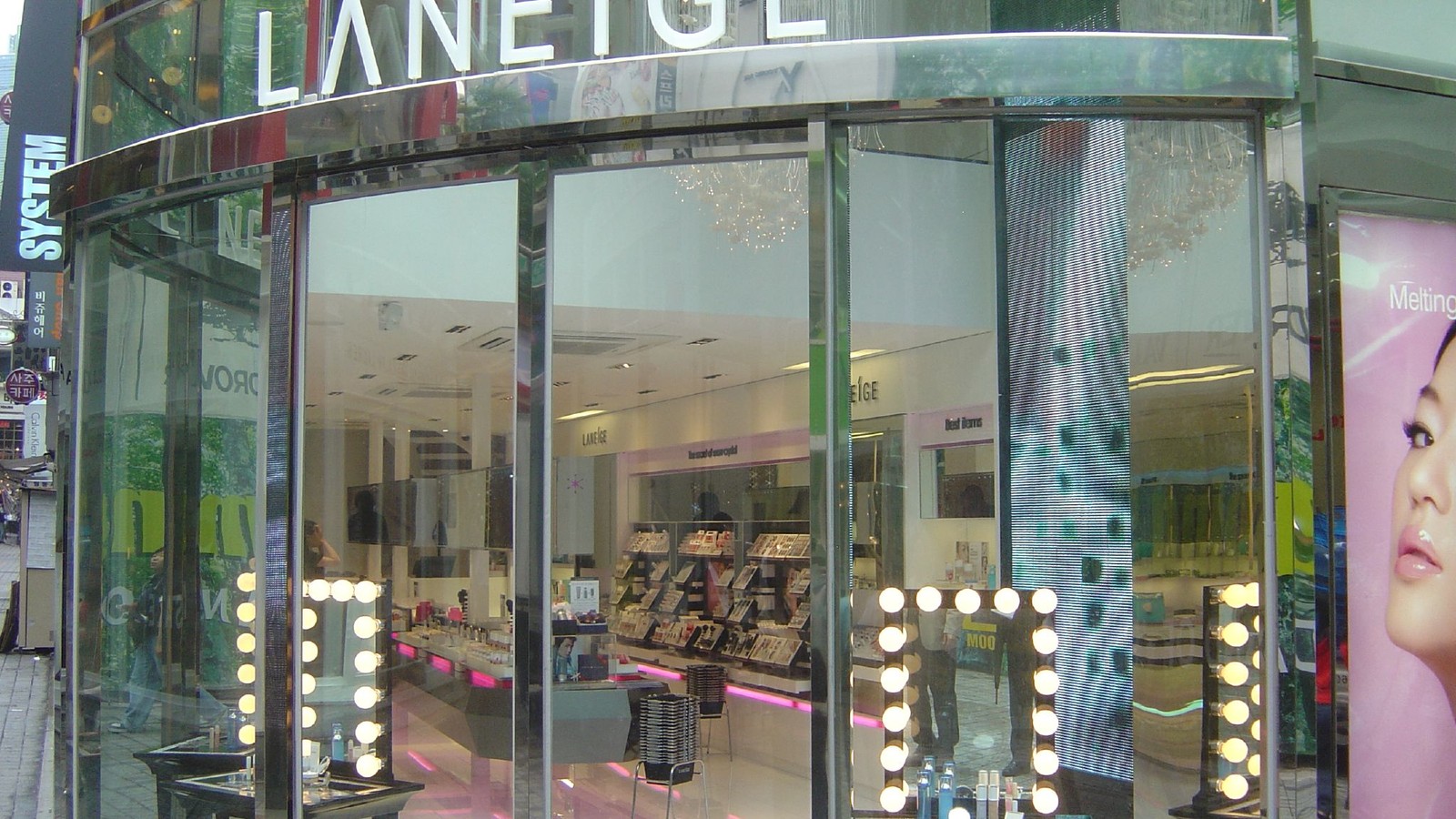

K-beauty did not arrive in North America as a single mask campaign. It arrived as an industry strategy that spent years missing, correcting, and then winning the right shelves.
The corporate backbone starts earlier than the TikTok era. Amorepacific, founded in 1945, built the lab and brand system that still anchors the category: Laneige (launched 1994), Innisfree, Sulwhasoo, and later growth brands such as COSRX after acquisition. For most of the 2000s, that universe stayed strongest in Korea and broader Asia. Western awareness traveled through travel retail, early blogs, and a small set of specialty importers long before Ulta and Sephora built permanent Korean walls.
The first U.S. mass attempt was learning by bruise. Laneige entered the U.S. in 2014 through Target, then pulled back after struggling to explain premium hydration skincare next to drugstore pricing. Canada moved earlier into the right channel: Laneige debuted at Sephora Canada in 2015. In 2017, Laneige relaunched in U.S. Sephora around sleep and hydration, with Water Sleeping Mask and Lip Sleeping Mask doing the teaching that Target couldn't. That retail reset mattered more than any one "10-step routine" meme.
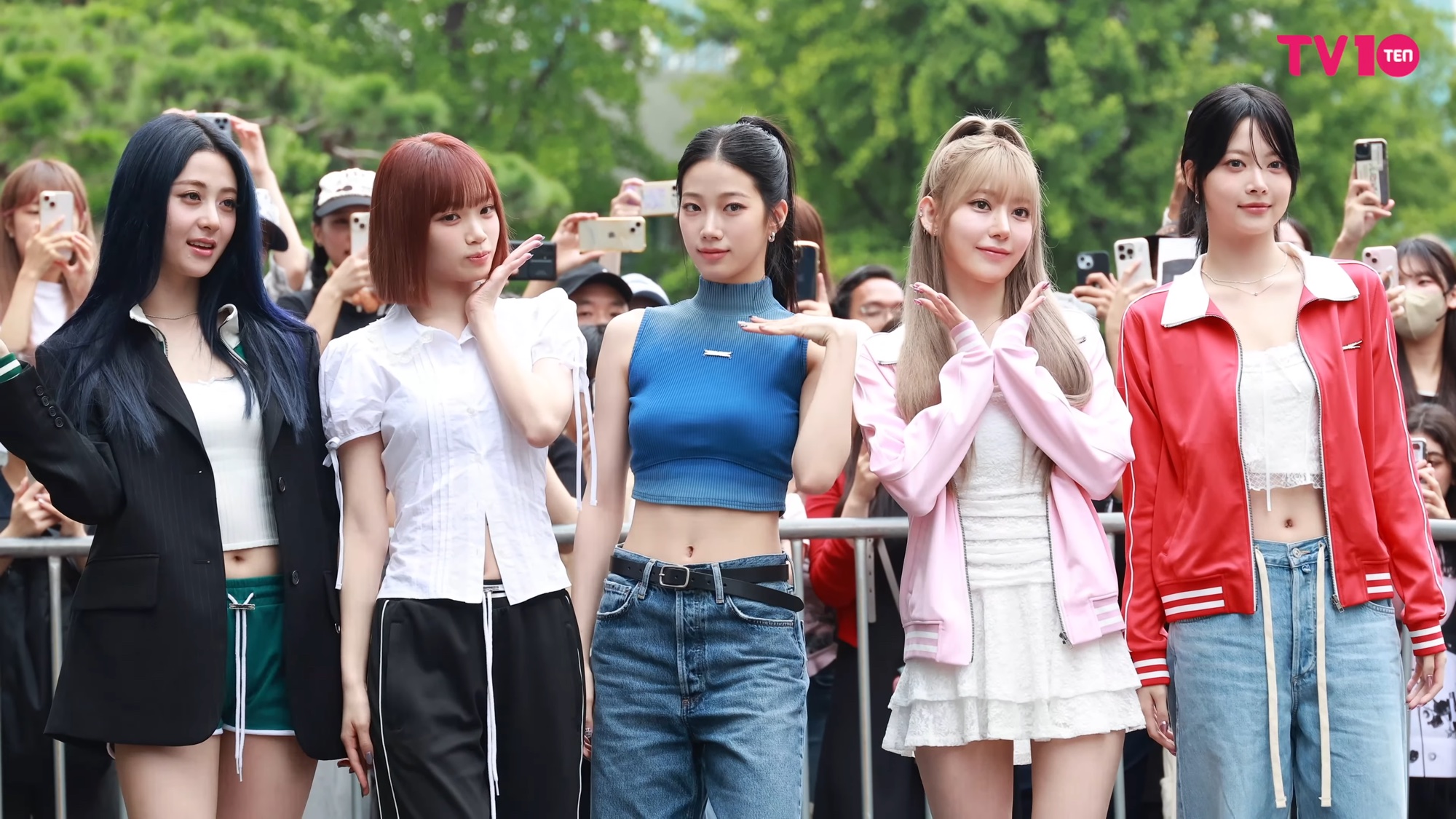
Through the late 2010s, competitors and siblings filled the gap J-beauty and European pharmacy brands once owned in "gentle but effective" talk: snail mucin and centella from indie and mid brands, cushion foundations, sheet masks, and later clinical-adjacent lines. Hallyu did the cultural pre-work. Dramas and idols made Korean faces and skin talk familiar, and beauty brands only needed the distribution to catch up.
Then the second boom arrived with social commerce. By the early and mid-2020s, K-beauty stopped being a specialty bay and became a category retailer compete for. NielsenIQ put U.S. K-beauty around $2 billion with roughly 37 percent growth in one recent annual look, then closer to $2.4 billion and nearly 47 percent year over year in the 52 weeks ending January 24, 2026. Facial skincare still leads. Hair care is rising. Amazon has held a large share of online purchases even as Sephora and Ulta expand assortments and Olive Young tests a U.S. playbook.
Export numbers tell the industrial side. Korean cosmetics shipments to the U.S. grew at roughly a 23 percent CAGR from 2014 to 2021, then accelerated near 49 percent CAGR from 2022 to 2024, with South Korea becoming the largest cosmetics exporter to the U.S. at about $1.7 billion in 2024. Amorepacific reported that Americas revenue overtook Greater China for the first time in the group's history around 2024, an inversion that would have sounded absurd a decade earlier.
Canada followed a similar consumer arc with a smaller absolute market: reports of Canadian K-beauty sales around $164 million in 2025 with very steep year-over-year growth reflect the same Sephora and online pipeline, just later scaling.
Where do J-beauty and C-beauty sit in that story? Japan long owned a quieter pharmacy-to-prestige mistranslation problem of its own (thoughtfulness, textures, sun care) without the same idol megaphone in the U.S. Chinese beauty has scaled aggressively at home and is now chasing overseas identity through C-beauty branding, but it is still fighting trust and distribution battles K-beauty already won in American prestige retail. K-beauty's advantage was sequencing: industry depth, then mainstream retail tutors, then social virality, not virality first.
The current phase is less discovery, more saturation. When Laneige leads a lip treatment aisle and COSRX serums live next to legacy Western actives, the question for U.S. and Canadian shoppers is no longer whether Korean beauty counts. It is which Korean house, indie, or retailer owns the next habit.