Anna Sawai: from Wellington and Yokohama to an Emmy that cracked the lead category
Anna Sawai, born in Wellington and raised in Yokohama, left the J-pop group Faky for acting, then won Emmy, Golden Globe, and SAG awards for Toda Mariko in Shōgun as the first Japanese actress to take a Primetime Emmy.
 The Goldscene Desk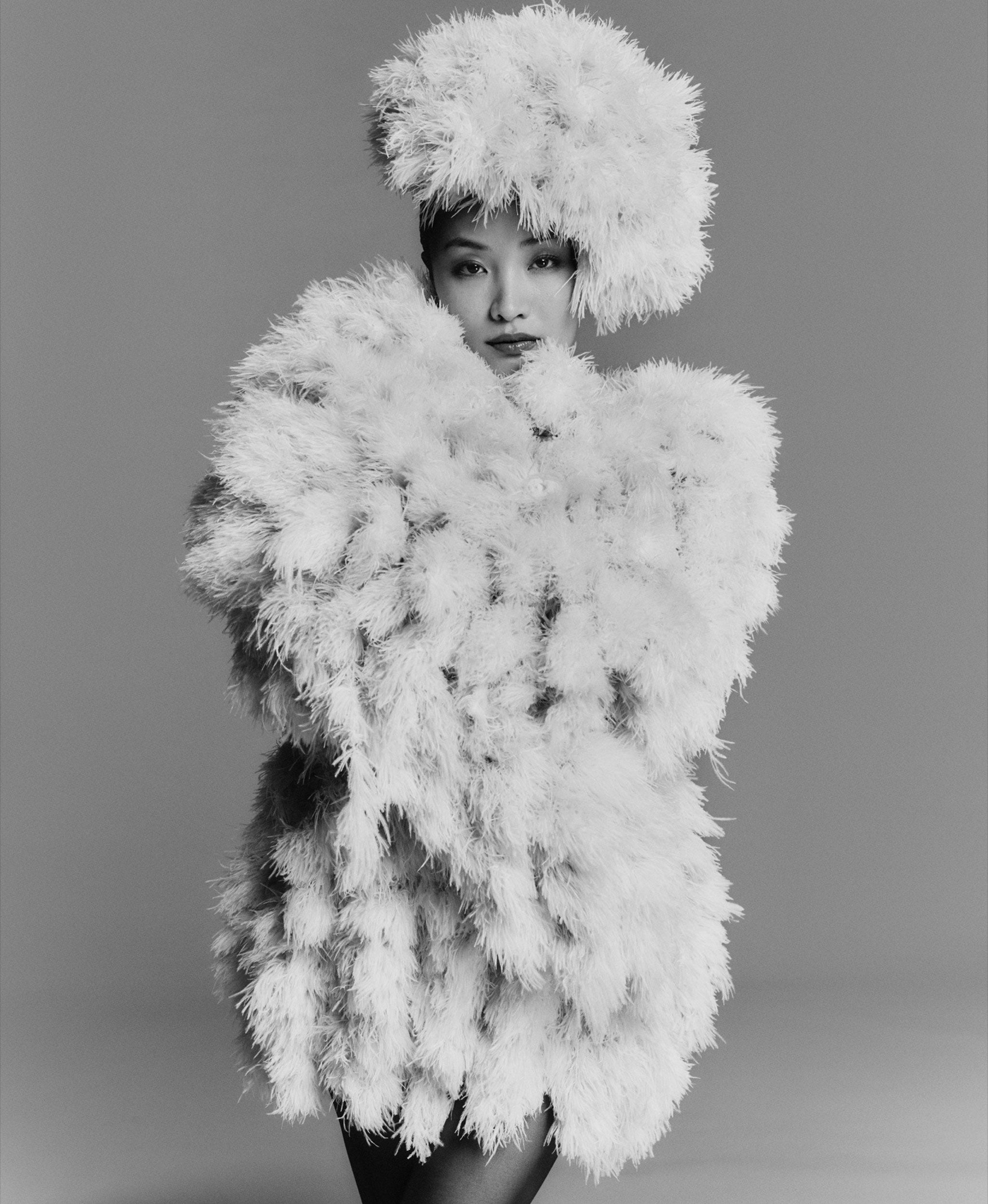

Anna Sawai is the Japanese actress and singer born on June 11, 1992 (Gemini, Water Monkey) in Wellington, New Zealand. She grew up between New Zealand, Hong Kong, and the Philippines before settling in Yokohama at age 10.
She trained under Avex, spent five years as a lead vocalist in the girl group Faky, then rebuilt herself as a screen actor. For Shōgun, she won the Primetime Emmy, Golden Globe, and Screen Actors Guild awards for Outstanding Lead Actress in a Drama Series, becoming the first Japanese actress to win a Primetime Emmy and the first Asian performer to take that lead-drama category.
She is 34, listed at about 155 cm (5 ft 1 in), fluent in English and Japanese, and based in Tokyo. She still calls herself a Kiwi in New Zealand interviews. Her older sister Reina is a former professional ballet dancer. There is no press-confirmed marriage or long-term partner on the record.
Wellington, Yokohama, and the Avex years
Her mother taught piano. Her father worked for an electronics company, which is why the family kept moving. Music started early: piano and singing from age three, then a childhood stage lead as Annie in a 2004 Nippon Television production when she was 11.
She auditioned for Avex in 2006 and trained at the company's music and dance programs while still in school. A small role in the 2007 drama Our Love Song and a Hollywood supporting part as young Kiriko in James McTeigue's Ninja Assassin (2009) sat beside that training. She later enrolled at Sophia University in Tokyo.
In March 2012 she sang the U.S. national anthem at Tokyo Dome for an MLB season opener. Avex briefly put her in the short-lived group ARA, then relaunched her in July 2013 as a founding lead vocalist of Faky under Rhythm Zone. The group name was billed as Five Ass-Kicking Youngsters. She left in late 2018 after deciding she could not keep splitting herself between idol work and the acting career she wanted.
Back to acting, then the international ladder
She returned through Giri/Haji (2019), the BBC and Netflix crime series in which she played Eiko Fukuhara, the daughter of a yakuza boss. Justin Lin's F9 (2021) put her in the Fast franchise as Elle Lue. The film raised her profile and also made her wary of being locked as the Asian action hire.
Apple TV+ widened what she could play next. In Pachinko (2022–2024), adapted from Min Jin Lee's novel, she plays Naomi, a series-original character in the contemporary strand of the Korean diaspora story. The ensemble later took an Independent Spirit Award. In Monarch: Legacy of Monsters (2023–), she leads as Cate Randa inside Legendary's MonsterVerse, sharing the frame with Godzilla-scale set pieces and a family mystery that runs across decades.
Having prestige drama and franchise television on the same résumé, in the same window, mattered more than either credit alone.
Mariko, and the awards that followed
FX's Shōgun (2024), adapted from James Clavell's novel, cast her as Toda Mariko opposite Hiroyuki Sanada's Yoshii Toranaga and Cosmo Jarvis's John Blackthorne. Mariko is a noblewoman under pressure: translator, Catholic convert, and strategist. The performance is controlled until it is not, which is exactly what the awards voters rewarded.
She won the 2024 Primetime Emmy for Outstanding Lead Actress in a Drama Series, then the 2025 Golden Globe and SAG Award in the same category. Shōgun itself set a single-season Emmy haul record with 18 wins. Time put her on its 100 Next list the same year as the Emmy.
Our essay on unlikeable Asian actresses places Mariko in a wider shift toward complicated women rather than model minorities. Michelle Yeoh remains the longer Oscar-era ceiling story. Sawai is the television-first version of that argument.
Fashion seats and the film chapter ahead
Cartier named her a brand ambassador in September 2024. WWD gave her its inaugural Fashion Newcomer Style Award that December. Dior followed in February 2025. The luxury seats are the industry's way of saying she is no longer only a period-drama face.
The film work after Shōgun stays mixed on purpose: David Leitch's heist comedy How to Rob a Bank with Nicholas Hoult, Henry Dunham's A24 crime drama Enemies with Austin Butler and Jeremy Allen White, and Josh Klausner's (Saint) Peter. She is also cast as Yoko Ono in Sam Mendes's four-film Beatles project, due in 2028, a role she has called personal because Ono's independence still gets flattened in public memory.
What to watch next
New viewers can start with Pachinko for the contemporary dramatic register, Monarch: Legacy of Monsters for franchise scale, and Shōgun for the Emmy chapter. F9 and Ninja Assassin show the earlier action work she has been careful not to let define her.
Watch whether the Mendes Ono films and the mid-budget American crime and comedy titles keep her from being frozen as Lady Mariko forever. Our read: Anna Sawai already proved a Kiwi-born Japanese performer can leave idol training and still hold an Emmy lead in two languages. The open question is how wide the industry lets that range stay.