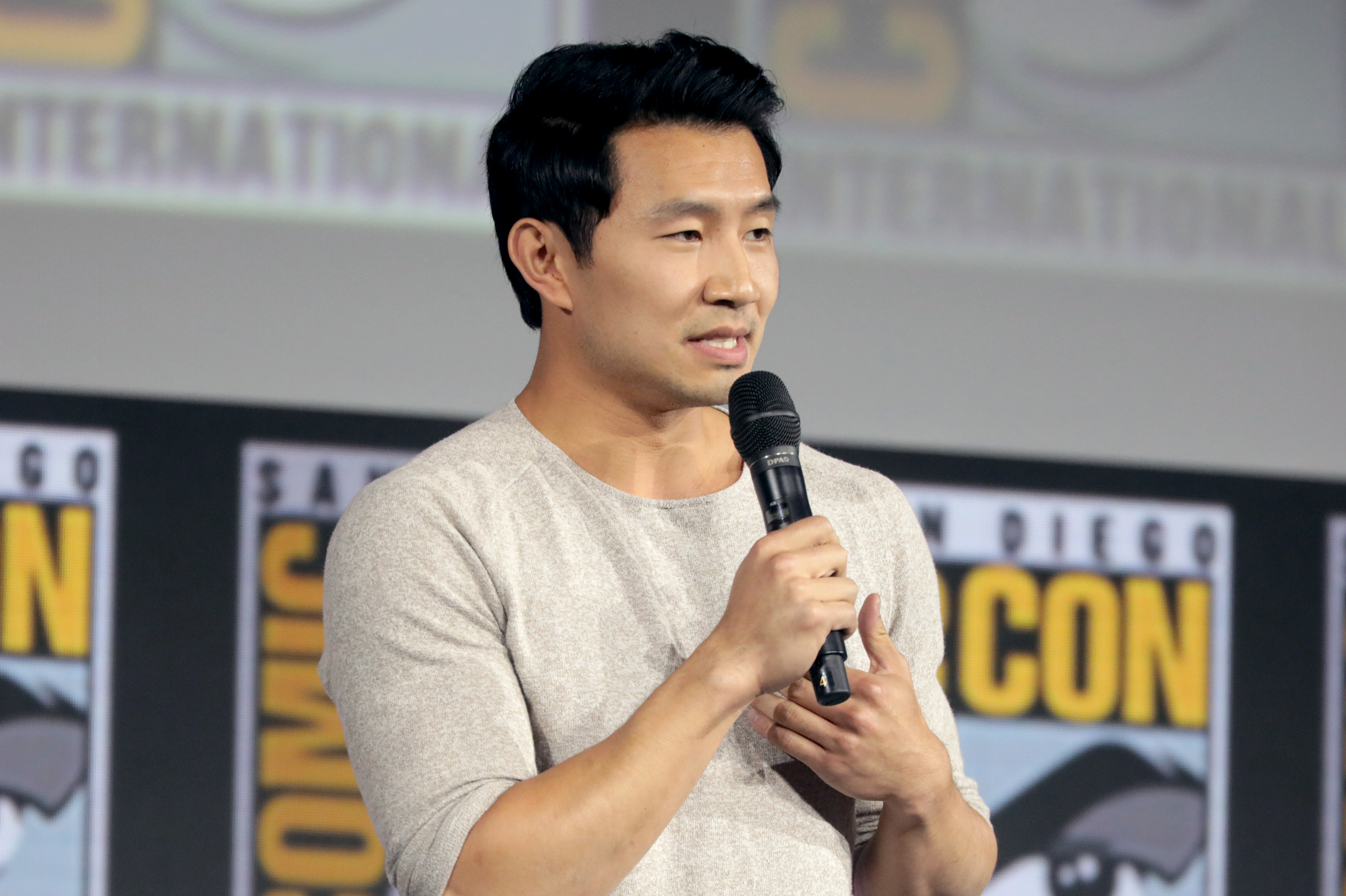
Simu Liu: from Kim's Convenience to Shang-Chi and the representation fight
Simu Liu rose from Canadian sitcom cult favorite to Marvel's first Asian superhero lead, then used that platform to argue Hollywood is pulling back on Asian-led projects even as diaspora audiences keep showing up.
 The Goldscene Desk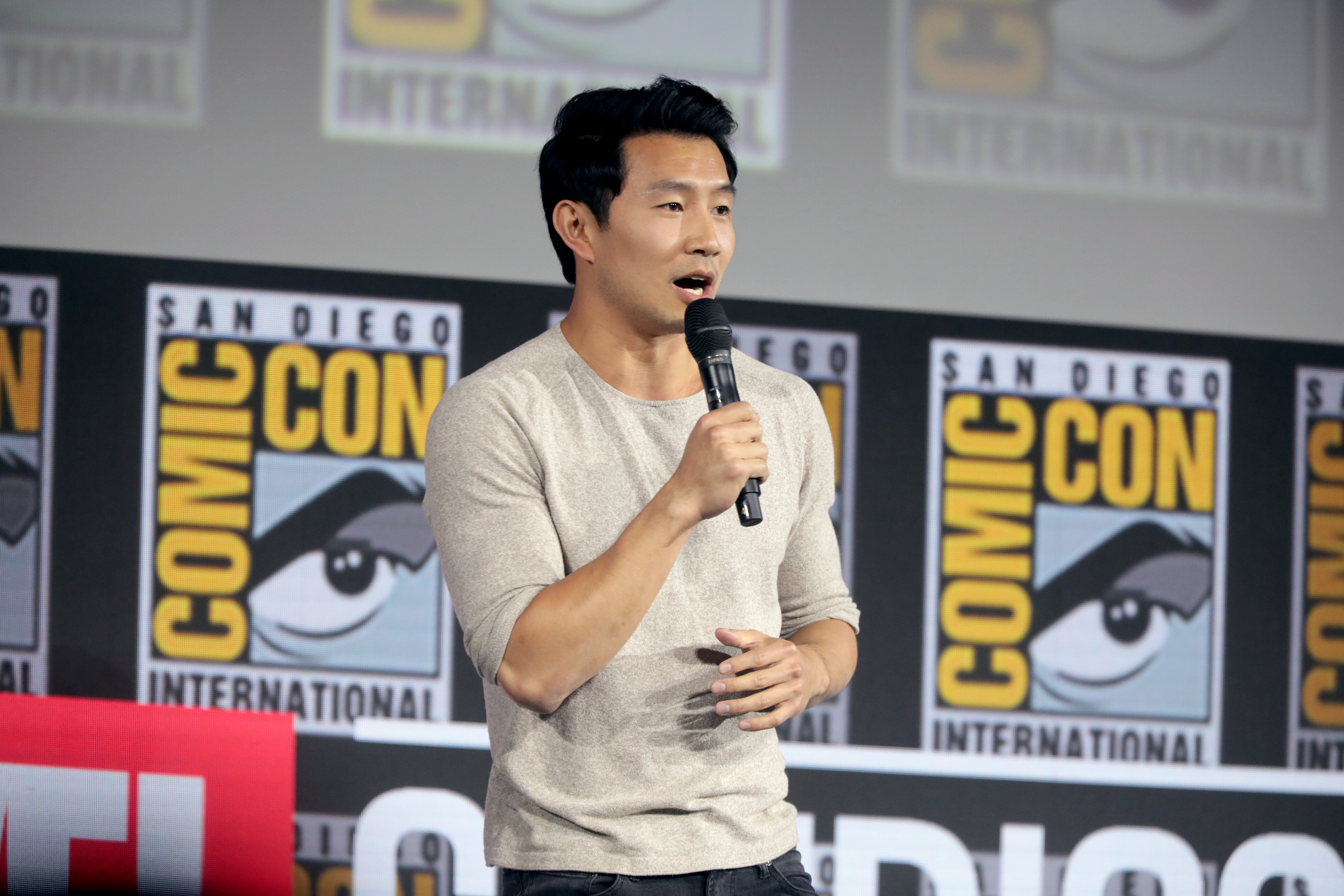

Simu Liu is a Canadian actor and writer born April 19, 1989 (Aries, Earth Snake) in Harbin, China, and raised from age five in Kingston, Ontario. He is 37 and commonly listed around 178 cm (5 ft 10 in) in press materials. His career tracks the post-2010s wave of Asian North American leads who proved box-office math, then had to argue the industry should keep betting after the headline faded.
He broke out as Jung Kim on Kim's Convenience (2016 to 2021), the CBC sitcom that turned a Toronto corner store into diaspora comfort TV. The show was not a ratings juggernaut in the U.S., but it built the kind of loyal audience that streams, quotes, and treats casting news like family updates.
The Marvel door
Shang-Chi and the Legend of the Ten Rings (2021) made Liu the first Asian actor to headline a Marvel Studios film. The movie crossed $400 million worldwide during a pandemic release window and gave Liu a franchise key most Asian actors had never held.
That key matters beyond Marvel Twitter. It changed what executives said aloud about Asian-led tentpoles: possible, profitable, repeatable. Liu's stunt work and comedy timing also proved the role did not need to hide behind a more famous white co-lead.
Post-Marvel, Liu stayed visible through One True Loves (2023), voice work, and the kind of festival-and-talk-show circuit that keeps a star employable between franchise cycles. He did not disappear into stunt-casting limbo, which is the usual cliff after a first superhero run.
The pullback argument
The part Goldscene readers should bookmark is what Liu said when the spotlight dimmed. In a CBC interview, he described Hollywood as risk-averse again: studios still want Asian and diaspora ticket buyers, he argues, but hesitate to greenlight Asian-led stories the way they did during the last representation surge.
That is not celebrity pessimism from the sidelines. Liu has lived inside the greenlight machine. When he says the mood shifted, it reframes every casting rumor you already track: is this project momentum, or the exception that proves executives got scared again?
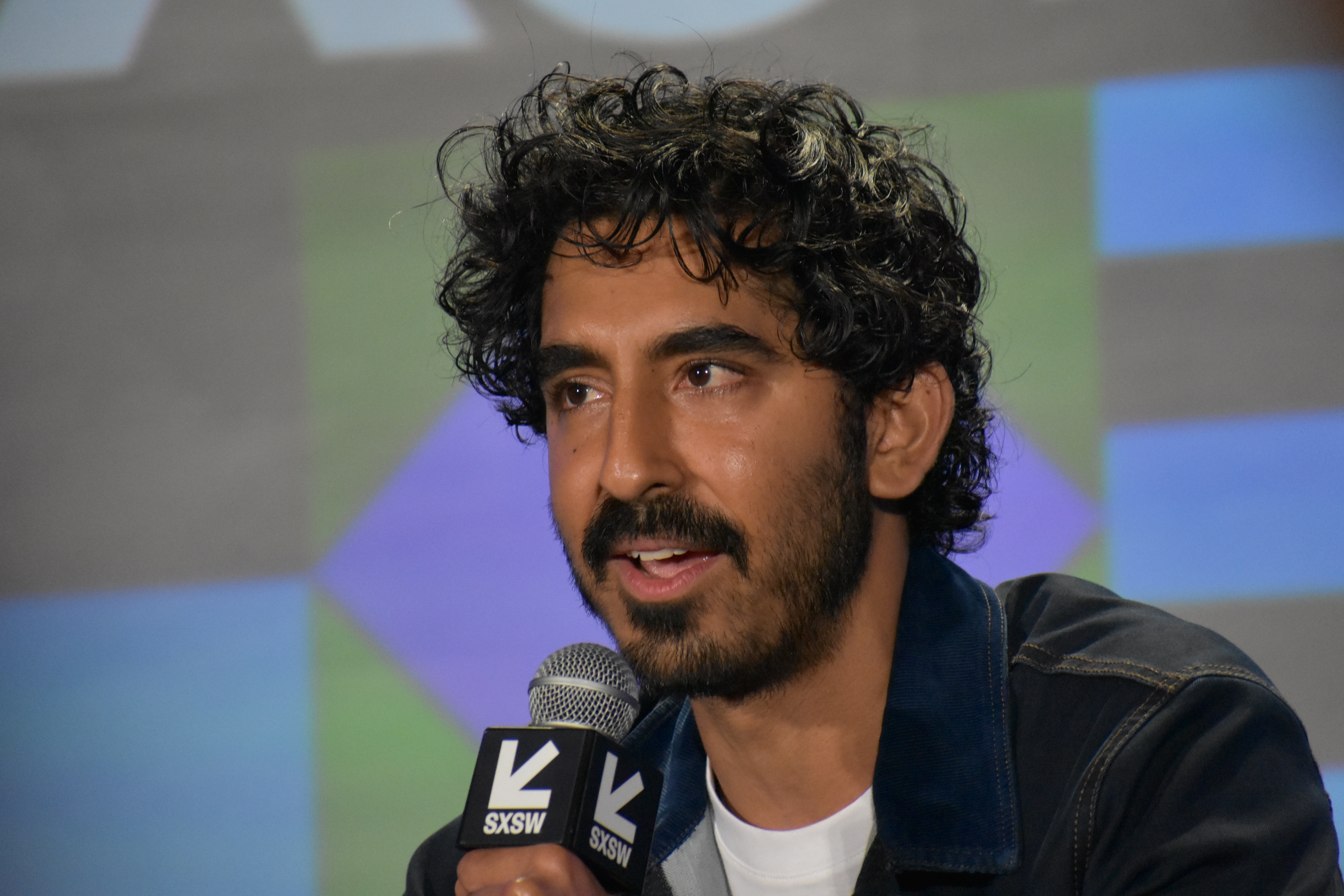
Compare his path to Dev Patel. Patel built indie and director credibility first, then expanded into genre. Liu's door opened through a Marvel slot that North American audiences understand instantly. Both careers now ask the same question: did the breakthrough change the system, or just their individual résumés?
Why the Canadian lane matters
Liu's Harbin-to-Ontario childhood is not decorative backstory. Kim's Convenience encoded Korean Canadian specificity without translating everything for a white default viewer. His CBC credibility gives him a North American voice that is not only Los Angeles press-tour polished.
That matters when representation debates get flattened into "Asian Hollywood." Liu speaks from a country that funds multicultural comedy differently than the U.S. studio system, and he carries that bluntness into American interviews.
Performance notes fans still debate
On screen Liu sells earnest momentum: the guy who smiles through awkwardness until the script lets him flip into fight choreography. Shang-Chi leaned on that switch. Kim's Convenience leaned on micro-expressions when family pride and embarrassment share the same face.
He is not the ethereal idol frame K-drama exports sell. He is gym-disciplined, talk-show ready, meme-aware. That body type changed what some casting directors pictured when they said "Asian leading man" out loud.
What to watch next
Start with Kim's Convenience if you want the voice before the franchise halo. Revisit Shang-Chi if you want the stunt-and-mythology thesis in one package. Read the CBC representation piece if you care why Liu thinks the industry cooled off.
Our Simu Liu where-to-watch guide maps streaming entry points and situates his Marvel run beside Patel's indie-director lane.
Liu's career is still mid-arc. The interesting bet is whether his blunt industry talk becomes a second act as producer or writer, or whether he keeps forcing the conversation from inside whichever franchise slot opens next. Either way, he is already past the question of whether a Harbin-raised kid from Kingston can headline North American screens. The fight now is whether the door stays open for everyone behind him.
Viewership and greenlights are different ledgers. Goldsea's read on Nielsen's AAPI crossover numbers is a useful counterweight to the studio caution Liu describes.