Dev Patel: from Skins to Slumdog to A24-backed global directing
Dev Patel rose from British teen drama Skins to Oscar-winning Slumdog Millionaire, then rebuilt his career as a director and producer betting on South Asian stories with A24-scale ambition, including the 2026 India-set feature Peasant.
 The Goldscene Desk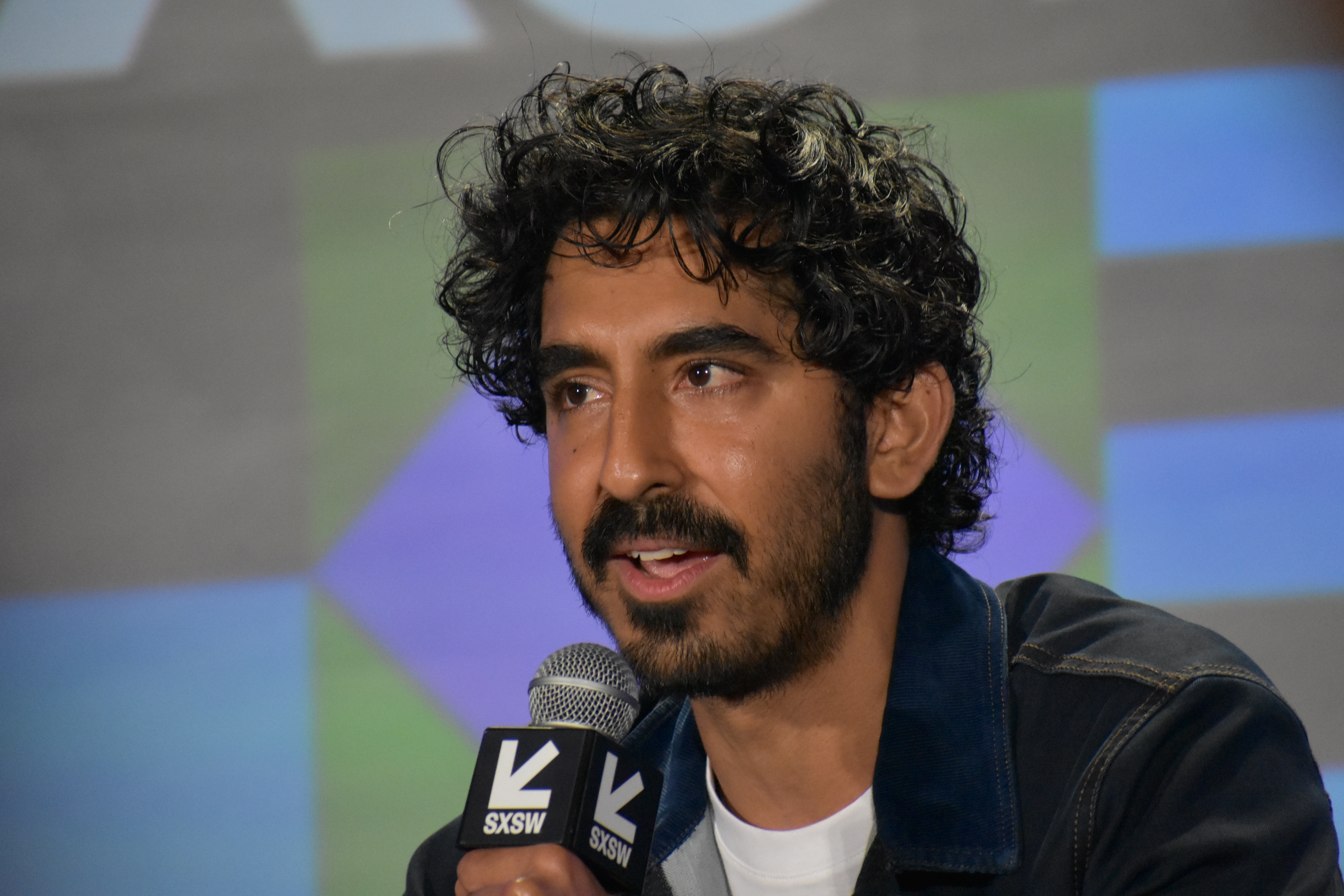

Dev Patel is a British actor and filmmaker born April 23, 1990 (Taurus, Metal Horse) in London to Gujarati Indian parents. He is 36 and commonly listed around 183 cm (6 ft) in press materials. His career tracks the slow expansion of South Asian leads from novelty casting to director-led projects with global distribution. He grew up in Wembley, auditioned through a nationwide casting call, and broke out at 17 as Anwar Kitaria on Skins (2007 to 2008), the Channel 4 teen drama that turned its young cast into a generation's reference point for messy British adolescence.
Slumdog Millionaire (2008) made him an international name overnight. Danny Boyle's Mumbai-set romance thriller won eight Academy Awards including Best Picture and Best Director. Patel played Jamal Malik, the quiz-show contestant whose flashback structure carried the film. He was 18 at the premiere cycle and suddenly fielding red-carpet questions about representing India on a global stage he had barely visited as a child.
The post-Slumdog years were not a straight victory lap. Patel worked through studio franchises (The Last Airbender, 2010), HBO prestige (The Newsroom, 2012 to 2014), and character roles that tested range without always centering South Asian identity. Lion (2016) brought a Best Supporting Actor Oscar nomination and proved he could carry adult grief on screen. Hotel Mumbai (2018) and The Green Knight (2021) showed appetite for physically demanding, morally complicated material.
Director mode
Patel's pivot to directing is the part international film watchers should bookmark. Monkey Man (2024), which he co-wrote, directed, and starred in, packaged action genre craft with explicit political anger set in a fictional Indian city. Universal backed the release. It was not a vanity project. It was a statement that South Asian leads can own revenge narratives without translating them into safer studio notes.
The Peasant bet (A24's India lane)
Patel's next lane is not a cameo prestige play. Peasant is an A24-backed medieval action-thriller that wrapped in May 2026 as the studio's first production in India. Patel directs, produces, and stars in a 14th-century revenge story about a shepherd hunting mercenaries across Maharashtra, Madhya Pradesh, Himachal Pradesh, and Rajasthan.
That geography list matters. A24 is not using India as backdrop wallpaper. The shoot footprint signals location-scale storytelling, the kind diaspora audiences read as "they actually built a world" rather than "they flew in for two palace scenes."
For Patel, Peasant is the sequel thesis to Monkey Man: prove South Asian leads can own violent genre cinema without a Marvel budget halo, then prove the same auteur can export that appetite to a new continent. A24's logo already means festival credibility for North American indie watchers. Adding India production infrastructure tells investors auteur K-drama-style geography expansion is on the table.
The stakes are blunt. If Peasant travels, Patel becomes a director-producer brand studios call for global genre packaging. If it stalls after wrap, he still has Monkey Man proof, but the India bet becomes a one-off experiment instead of a repeatable lane.
Track release and festival news on our Dev Patel films guide and the Bollywood streaming map for where A24 titles tend to land in North America.
Why his path is different from Simu Liu's
Both Patel and Simu Liu speak to Hollywood's uneven appetite for Asian leads, but their timelines rhyme differently. Liu's Marvel entry was a franchise key that opened North American blockbuster doors. Patel's power built through indie and mid-budget credibility first, then genre expansion and director credits.
For British and Canadian diaspora viewers especially, Patel represents the actor who stayed in London-adjacent industry circles while becoming a U.S. distribution name. He did not have to relocate to Los Angeles and play only "immigrant son" arcs to stay employed. His 2024 SXSW appearances for Monkey Man also showed how festival circuits now treat him as a filmmaker credit, not only a face on the poster.
Performance notes fans still debate
Patel's strength on screen is restless intelligence: characters thinking faster than they speak, bodies that look coiled even in conversation scenes. That made him a natural fit for second-lead energy before he claimed center roles, and it still shows up in how he directs action with close-up priority over wide-shot chaos.
Compare his Slumdog innocence to Monkey Man bruise makeup and the shift is deliberate. Patel is not chasing the same character forever. He is building a toolkit that can sell both vulnerability and violence in the same career.
What to watch next
Track Peasant through festival and release windows, and revisit Monkey Man if you want the director thesis in pure form. On the acting side, Patel's streaming-era presence in global-facing series and film is the reminder that his face now signals "serious budget" more often than "exotic supporting color."
Patel's career is still mid-arc. The interesting bet is whether he becomes a permanent director-producer brand like Jordan Peele or Taika Waititi, or whether he keeps alternating acting and directing as twin careers. Either way, he is already past the question of whether South Asian British talent can own cameras, not just scenes.