Who's Rising: new names on the radar
A desk guide to how Asian and diaspora talent is rising now: through multilingual reach, streaming crossovers, fan discipline, luxury visibility, and storytellers who make place-specific TV feel mainstream.
 The Goldscene Desk
Rising is not always a chart position. Sometimes it is saved photos, brand deals, or surprise social media breakthroughs, and these are the lanes we are watching most closely right now.
Multilingual lane
Creators who move between languages without losing personality are climbing fastest. The multilingual star rise is a category, not a single biography. Watch performers who subtitle their own jokes and collaborate across markets in the same month.
Lisa remains the marquee case study. The Thai-born BLACKPINK member built a global career by treating language as texture, not a barrier, and her Las Vegas residency turned that into a U.S. live-music footprint most K-pop soloists still chase on paper. She can move between Korean, English, and Thai in interviews without breaking rhythm, which is part of why brand and touring conversations follow her across borders.
Greta Lee is the film-world version of the same pattern. Born in Los Angeles to Korean immigrant parents, she moved through Korean and English before Past Lives made her a global awards-season name. Her recent Toy Story 5 premiere press cycle shows how multilingual stars can stay visible in fashion and film conversations at once without needing a new franchise every quarter.
Maitreyi Ramakrishnan built her audience as Tamil Canadian lead of Never Have I Ever, then kept stretching into bigger Netflix projects like the upcoming Best of the Best series. She is not performing bilingualism for novelty. She is speaking to a diaspora audience that already lives between home language and public language every day.
Gemini Norawit, the Thai actor-singer recently named a Chanel brand ambassador, fits the same lane from a Southeast Asian angle: pop-idol visibility, acting credits, and luxury fashion arriving in the same career window.
Streaming crossovers
Actors from global-feeling series, or actual global series, are converting TV attention into music features, beauty campaigns, and variety appearances. The through-line is camera comfort. And let us be honest, many are heartthrobs too.
Cha Eun-woo is the cleanest K-pop-to-streaming crossover example on the board right now. The ASTRO member and True Beauty lead shipped The Wonderfools on Netflix before beginning mandatory military service in July 2025, which makes his current moment a test of whether franchise TV can carry a star when the usual promo engine goes quiet.
Justin Chien moved from The Brothers Sun, Netflix's Taiwan-set family crime drama, into broader English-language visibility with the kind of camera-ready charm that turns a supporting breakout into lead conversations. Global series are now doing what network TV used to do for matinee idols, except the audience is in ten countries at once.
Dev Patel is a different crossover shape: actor-director energy, action credibility from Monkey Man, and prestige film gravity that keeps him in conversation even between releases. He is not a TikTok discovery story. He is proof that streaming-era stardom can still be built on craft and risk.

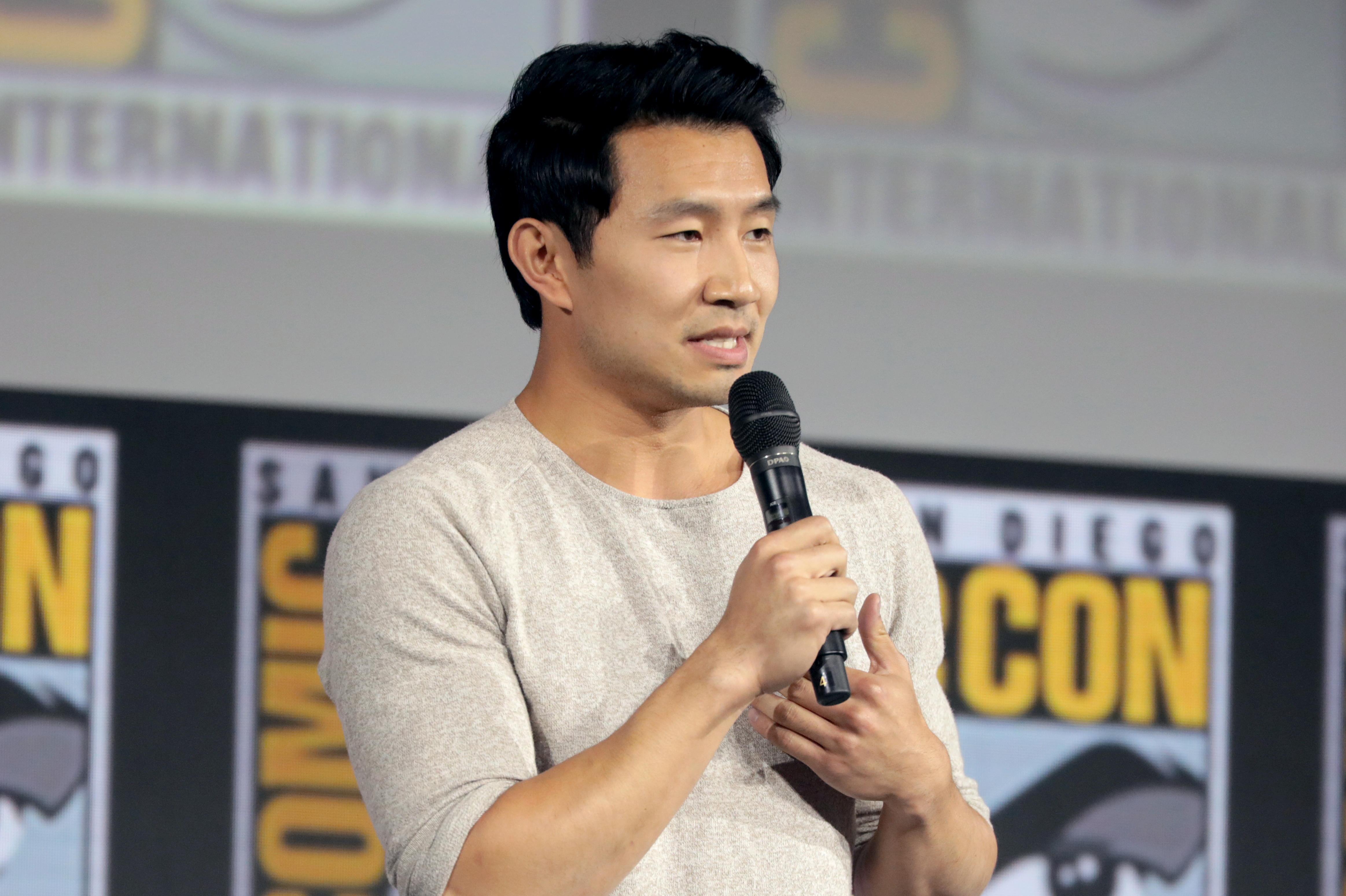
Photo: Gage Skidmore / Wikimedia Commons (CC BY-SA 2.0)
Simu Liu belongs here too. Shang-Chi opened a Marvel door, but his ongoing voice in representation debates, including his recent CBC comments on Hollywood pullback, keeps him culturally relevant even when the blockbuster calendar slows. That mix of franchise fame and plainspoken industry critique is exactly what diaspora audiences share in group chats.
Fandom-ready discipline
Fan distribution culture rewards artists who communicate clearly during release windows. Rising names adopt that rhythm early, even before arena scale.
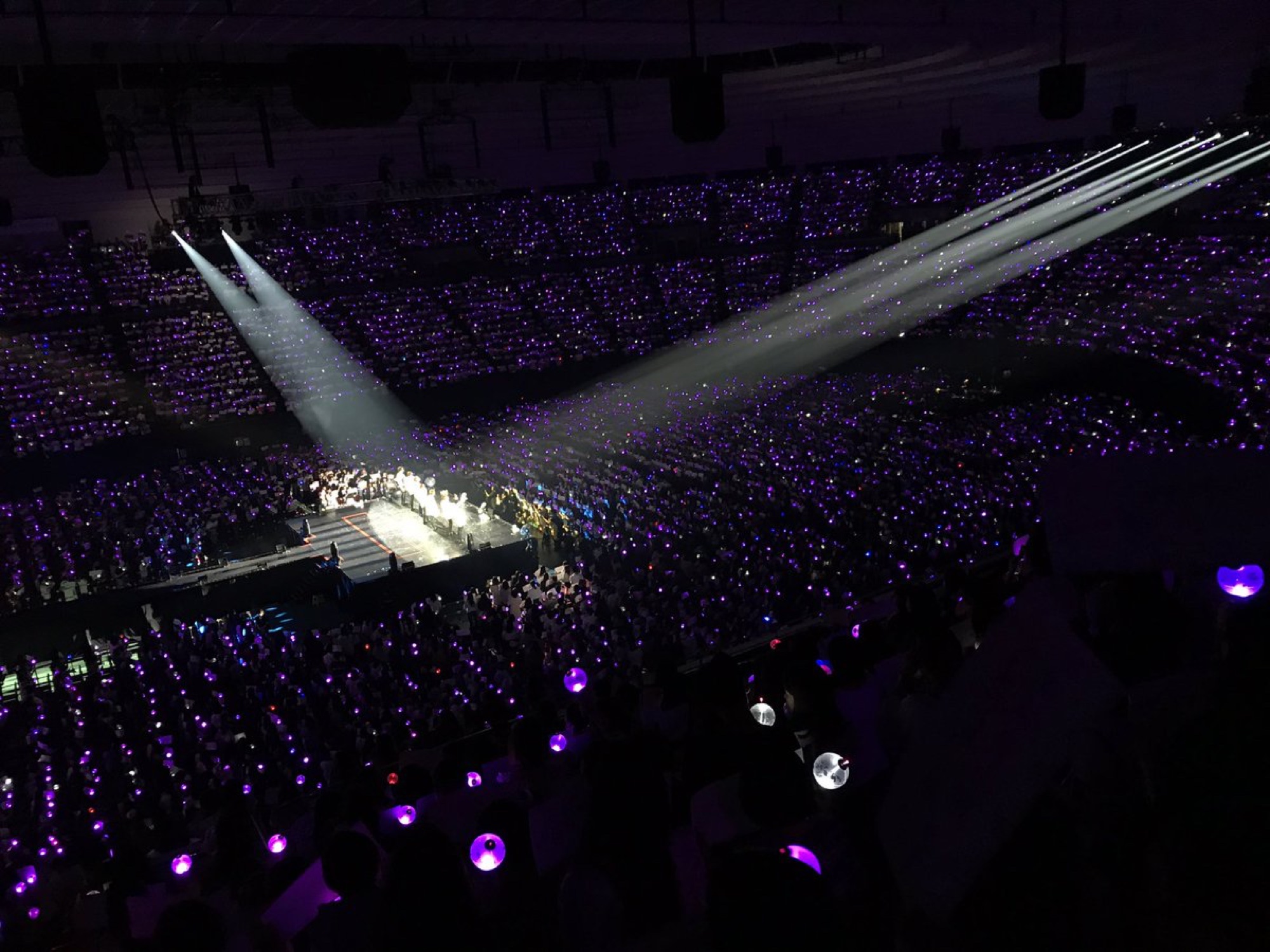
The textbook recent example is BTS. When the group dropped "Come Over" ahead of FESTA and anniversary programming in June 2026, the conversation was not only about the song. It was about how ARMY treats release timing like infrastructure: streaming windows, translation accounts, and comeback guides that read like small-business playbooks. "Swim" was still on the Hot 100 in its twelfth week while that push was happening, which is what coordinated fandom looks like when it works.
Katseye shows the U.S.-side version at a smaller scale. "Pinky Up" is still on the Billboard Hot 100 in week eight, not because a legacy radio machine carried it, but because a hybrid girl-group audience keeps replaying and sharing through short-form channels. The Dream Academy origin story matters here: fans who watched the group get built in public arrive already trained to treat every chart update like a team sport.
The lesson for rising names is not "copy BTS." It is simpler. Say what the release is, say when it drops, give fans something concrete to do, and do not disappear after day one. Artists who treat communication as part of the product grow faster than artists who treat it as an afterthought.
Luxury adjacency
Not every rising star has a house contract. Many earn index points by wearing consistently, photographing well, and repeating pieces. Soft power tracking notices that pattern before official announcements.
Jennie and Lisa still set the template for K-pop-to-luxury translation: repeated house relationships, airport photos that function as unofficial lookbooks, and red carpets that feel like extensions of music-era branding rather than one-off loans.
Gemini Norawit is the newer name to watch on that path, with Chanel treating Thai talent as global-facing rather than regional filler. Tian Xi Wei offers another data point from the Chinese celebrity lane, where a Monaco campaign can turn a drama star into a jewelry-house conversation overnight.
Priyanka Chopra Jonas added Rolex ambassador weight to the South Asian side of the same map in June 2026, which matters because diaspora audiences read watch and jewelry appointments as long-horizon credibility, not just fashion noise.
Luxury adjacency is often how mainstream media catches up to a name social platforms already decided was famous.
Diaspora storytellers
TV voices like those celebrated around Deli Boys remind viewers that rising talent also includes writers and ensembles, not only idols.
Deli Boys is a Hulu comedy-drama rooted in Pakistani American deli culture and Philadelphia neighborhood life, led by Asif Ali and Saagar Shaikh. In June 2026 the series received the AANHPI Storyteller Icon Award at the Philadelphia Asian American Film Foundation's inaugural benefit, an honor explored in our Deli Boys story as much for civic specificity as for representation talking points.
That matters because the show is not interchangeable. It could not be set in generic suburban anywhere. The rising energy here is ensemble-driven and place-specific: diaspora comedy with a city attached, local institutions backing it, and audiences recognizing their block on screen instead of a vague " immigrant family" template.
When a foundation picks one series for its first major award, it is telling you which kind of storyteller it wants more of.
Our take
The names to watch now are multilingual, photogenic on travel days, and already discussed in your cousin's group chat. If you have heard them twice from two unrelated friends, they are rising.
We use that cousin test because it catches momentum before trade press catches up. A saved airport photo, a TikTok sound you hear from two different accounts, a luxury appointment you did not expect, a Hulu show your uncle in Philly texts about: those are the early signals in diaspora pop culture now.
Chart positions still matter. So do award lists and brand decks. But the through-line across every lane above is visibility that feels repeatable. Lisa can sell a residency year. Maitreyi can carry a Netflix queue. Cha Eun-woo can launch a global series right before service. Katseye can stay on the Hot 100 without a classic comeback cycle. Deli Boys can win a local film foundation honor because the city sees itself in the story.
That is the rising class we care about: not one viral week, but names that keep showing up in different rooms with the same confidence.
If you are building your own watchlist, start with language and camera comfort, then notice who already has fan logistics and luxury photos working in parallel. The breakout headline usually arrives last.