Fandom is the new distribution strategy
For Asian pop acts and their teams, organized fan communities now function like distribution partners, shaping chart performance, tour demand, and brand heat.
 Mina Park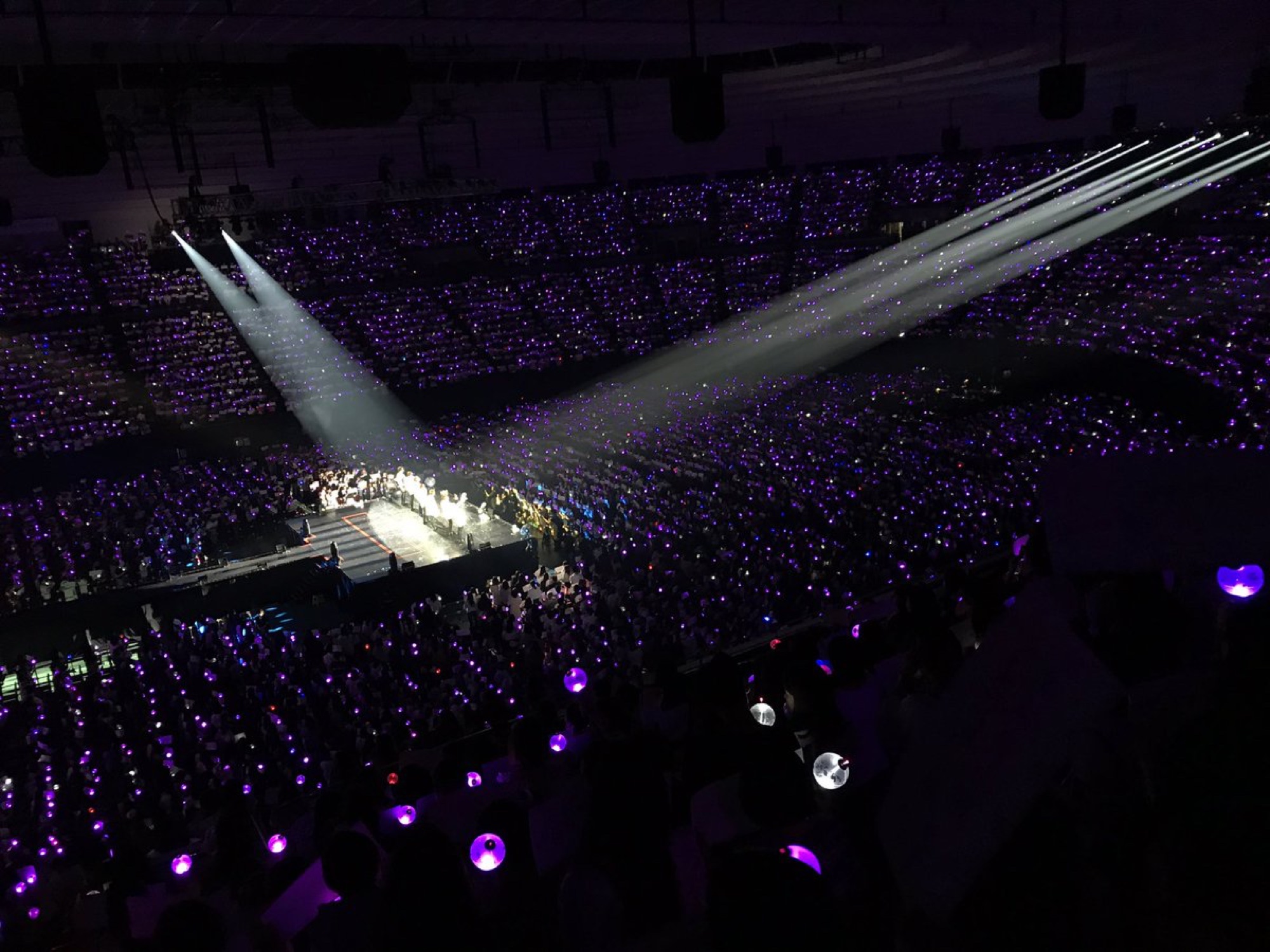
A release week used to be a row of institutional levers: radio, retail placement, press tours, maybe a late-night slot if you were lucky. For many Asian acts, the first lever is now the fan channel.
Fandom operates like distribution because it is fast, territorial, and measurable. Organized communities coordinate streaming hours, share purchase links across time zones, translate announcements within minutes, and turn every airport photo into a micro-campaign. Labels still matter. Agencies still matter. But the initial velocity often comes from people who are not on payroll.
BTS and BLACKPINK trained global listeners to see this pattern clearly. Comeback guides circulate with the precision of small business playbooks. Diaspora fans in North America wake up early or stay up late to align with Korea-standard timing because they understand the chart math. That is not casual devotion. It is logistics.
The strategy changed what success looks like. An artist can chart in multiple countries without traditional radio presence. A tour announcement can sell out before a general audience hears the single on a playlist. Luxury and beauty brands follow those numbers, which is one reason music fame now intersects so tightly with fashion calendars.
Social platforms reward the same energy. Short clips edited by fans outperform official trailers when they capture a gesture or harmony loop people want to repeat. Multilingual stars benefit most here: a hook that travels across languages multiplies shareability.
There is a downside when fandom is treated as guaranteed labor. Burnout, infighting, and unrealistic expectations can hollow out communities that labels relied on for free reach. The healthiest acts still cultivate genuine creative surprise, not only engagement homework.
Goldscene's view: if you are watching Asian pop in 2026, you are watching a supply chain where listeners are also couriers. Understand fandom and you understand why certain songs seem to arrive everywhere at once, even when no one around you hears them on the radio.