BTS is boycotting the Grammys’ new Asian pop category. Do they have a point?
All seven BTS members will not submit for the 2027 Grammys after the Recording Academy created Best Asian Pop Music Performance. The fight is whether a dedicated spotlight expands recognition or contains artists who already compete as global pop.
 Mina Park
Do they have a point? That is the useful question, not the louder one about whether BTS “owes” the Academy a submission.
All seven members posted the same note: they will not enter the 2027 Grammy Awards. The hope, in their words, is that music can be heard and loved for what it is, rather than being divided by region or language. The ceremony is Feb. 7, 2027. Online entries close Aug. 21, 2026. Sitting out is a choice with a deadline attached.
The news peg is institutional, not personal. Weeks earlier, the Recording Academy created Best Asian Pop Music Performance. BTS answered by refusing the whole process for this cycle. Harvey Mason jr., the Academy’s CEO, said he was saddened, that he respects the decision, and that the new category was built as a dedicated spotlight, never a division.
Both sides can be partly right. That is why the debate is worth having before the entry window closes.
What the Grammys created
On June 16, Best Asian Pop Music Performance arrived among five new categories for the 69th Grammys. It sits in the Pop and Dance/Electronic field and covers contemporary pop originating from or widely recognized in Asian markets, including K-pop, J-pop, and C-pop.
Eligible recordings need “meaningful use” of one or more Asian languages. Entirely English tracks stay out and remain eligible elsewhere. Style, not ethnicity, is supposed to decide eligibility. Swim, BTS’s English-leaning Hot 100 No. 1, would not qualify for the new room. A more Korean-leaning Arirang cut could.
Mason’s defense is expansion math. More categories mean more artists get statues. Submitting in a genre field does not block Record, Album, or Song of the Year. General Field stays open regardless of geography or language.
That part is true on paper. The quieter hinge is performance-category exclusivity. A single or track enters only one performance category. Put a song in Asian pop and you cannot also put that same recording in Best Pop Duo/Group Performance, the lane where BTS already collected nominations for Dynamite, Butter, and My Universe.
BTS’s objection
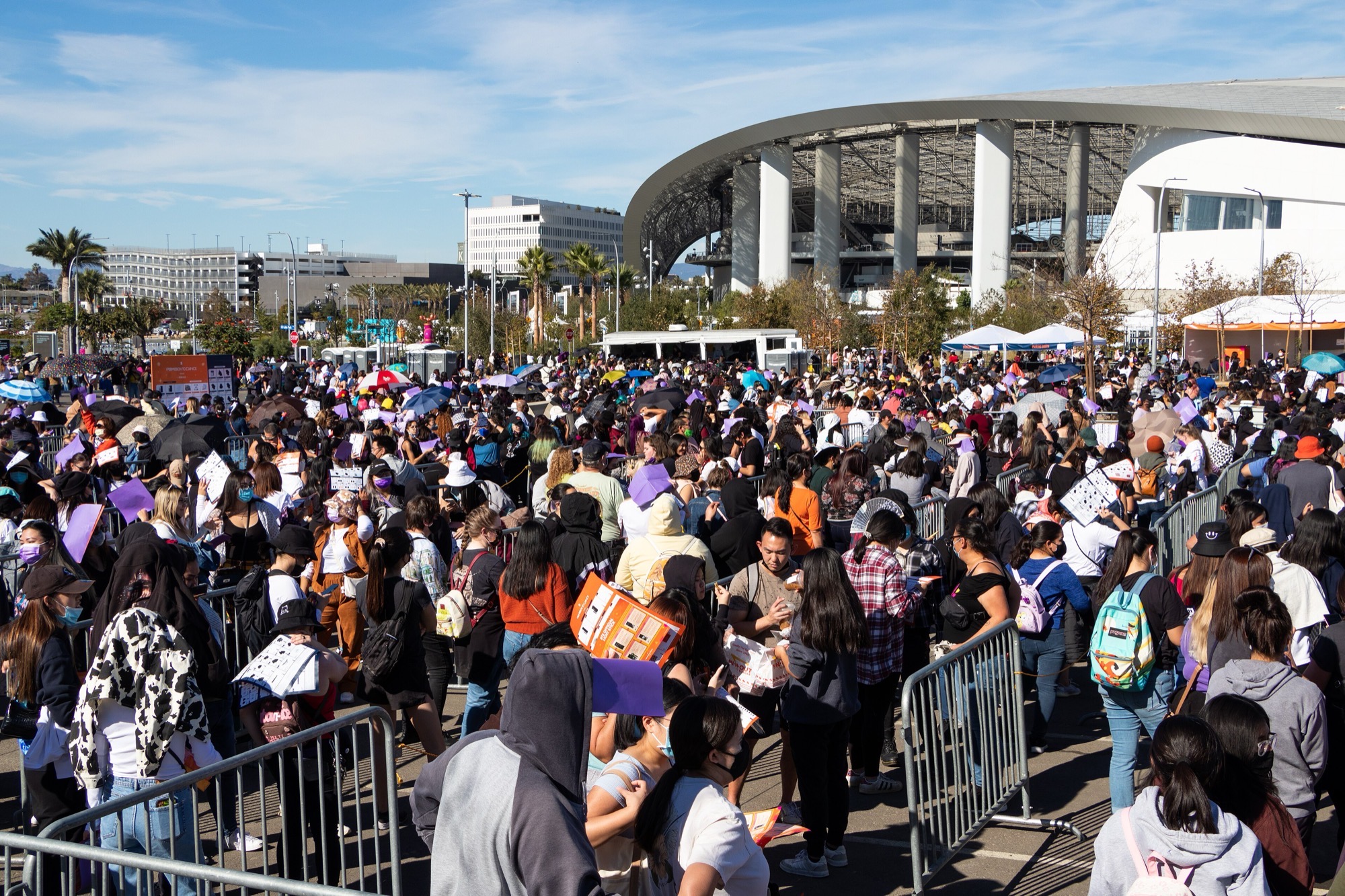
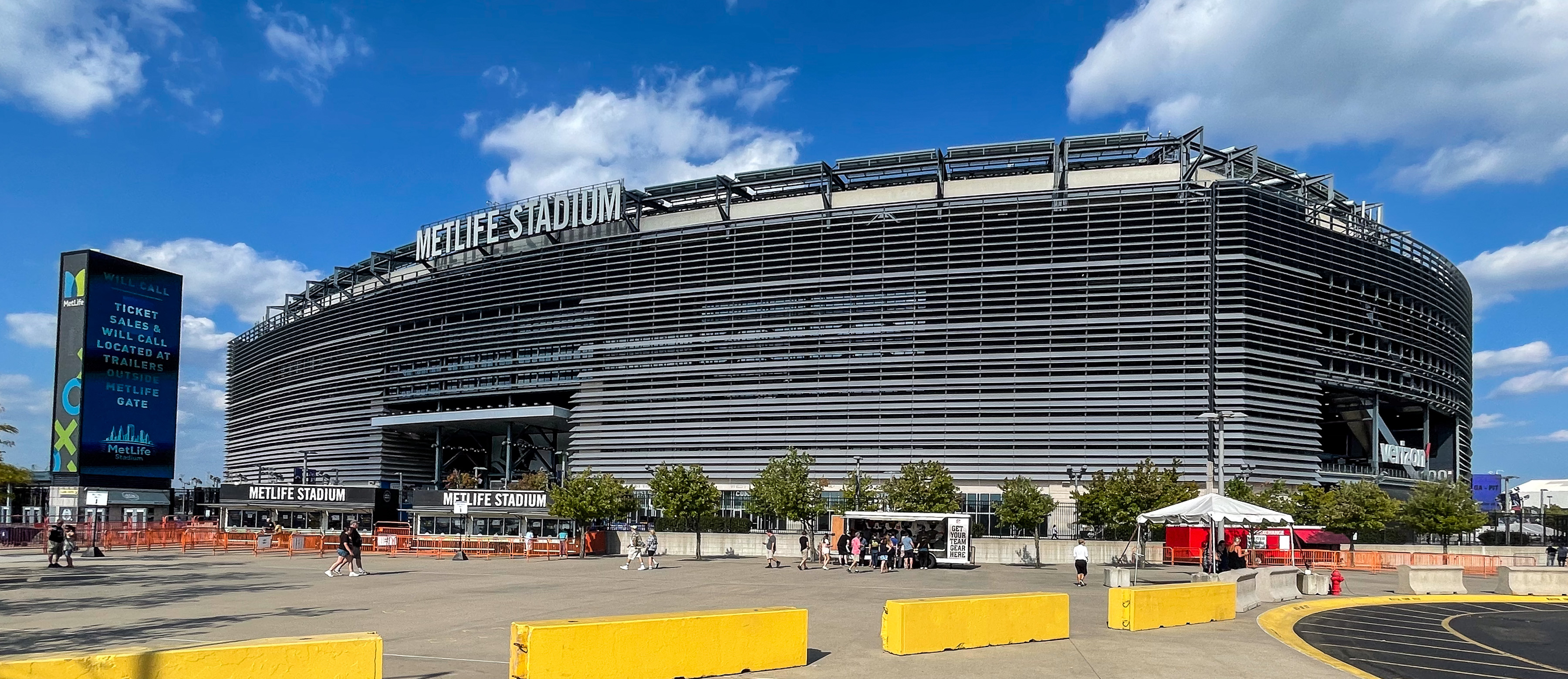
BTS is not a debut act asking for a first invitation. Five nominations. Zero wins. All seven have been voting members since 2019. Arirang opened at Billboard 200 No. 1. The group took the World Cup final halftime stage at MetLife. They just finished packing New Jersey stadium nights while THE CITY turned host markets into temporary destinations.
They are declining a taxonomy that asks Asian pop to accept a geography-and-language shelf while the general field stays theoretically open. The sit-out reads as a refusal to cosign the shelf as progress after years of chasing the rooms that already existed.
HYBE has said this is not a boycott at the company level. Other roster acts can still submit. That matters. The industry is watching whether this is a BTS-scale principle or the start of a wider submission chill.
The case for a dedicated category
Dedicated rooms can produce more Asian winners without waiting for Pop Duo/Group voters to convert. Mid-tier acts that will never clear a Western-pop ballot still get a televised lane, press language, and a statue that travels home.
The Academy has used similar expansion logic elsewhere. Best African Music Performance was sold as overdue recognition for a booming market, a first step rather than a finished map. For artists without BTS’s Hot 100 and stadium infrastructure, a specialized category can be the difference between invisibility and a nomination week.
Mason is not inventing that argument. More categories can mean more names on the crawl. For some labels, that is still worth the fork in the road.
The risk of geographic segregation
Containment is the other half of the same architecture. A spotlight that needs its own room still teaches the industry where the main house starts.
African-music debates already run on this tension: a continent-wide catch-all can celebrate growth while keeping artists from competing as ordinary pop, R&B, or dance acts. Asian pop inherits the same hazard. Geography becomes the first sorting key. Mainstream pop remains the default unmarked center.
The rulebook sharpens the worry. Korean-language excellence can be routed into Asian pop, then locked out of Pop Duo/Group for that recording. English leads skip the new box entirely. The taxonomy sorts before the voters do.
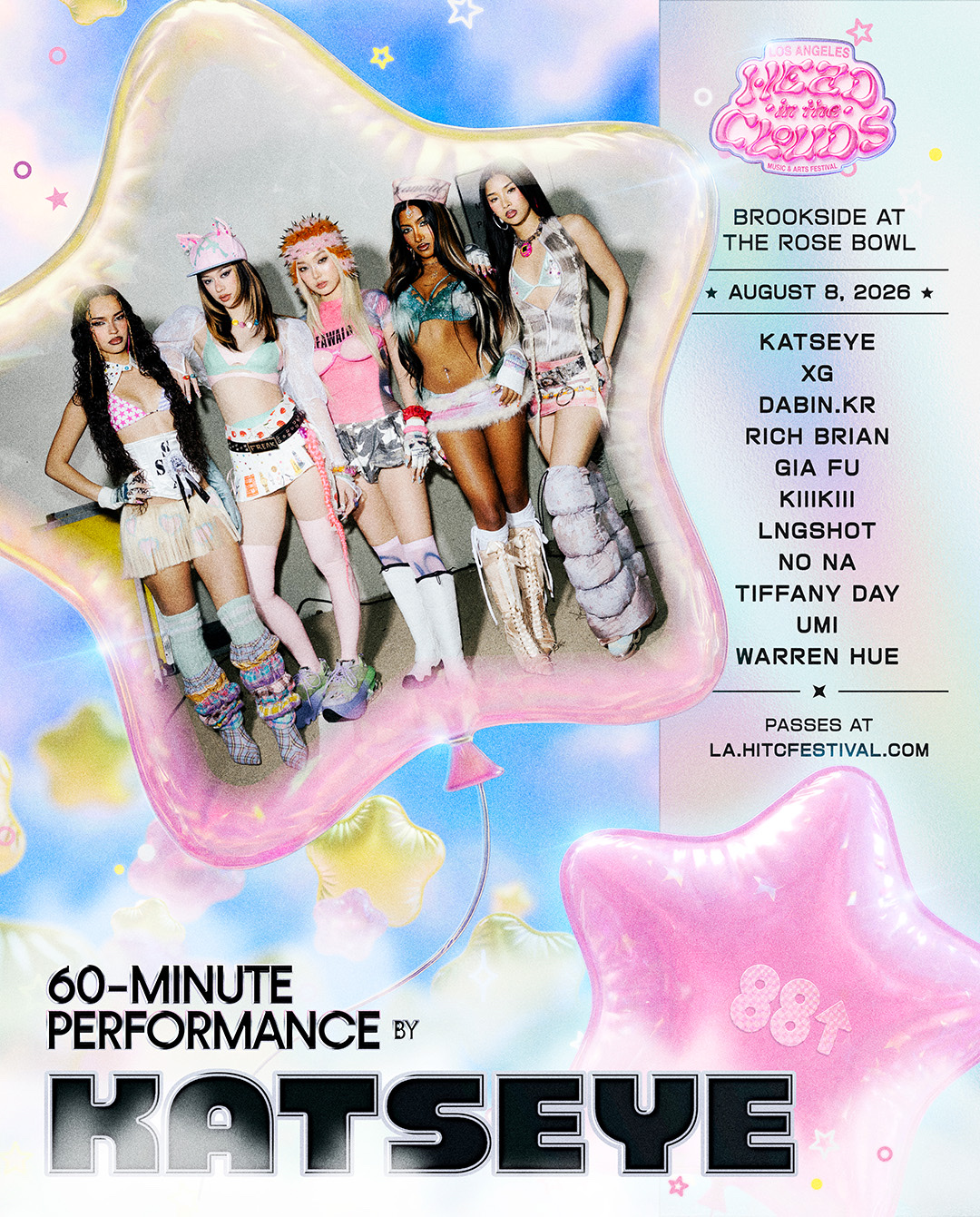
Our HITC Scene Report already asked who Asian pop is for when a HYBE-Geffen group headlines an 88rising festival. This is the awards-night version. Recognition with a side door is still a status contract.
How to recognize Asian pop without building a ceiling
If the Academy wants expansion without a containment story, the cleanest path is procedural, not rhetorical.
Keep General Field truly competitive in practice, not only in press statements. Stop treating performance-category exclusivity as costless when the new lane is geographic. Publish clearer language thresholds so “meaningful use” is not a soft gate. And measure success by whether Asian-market acts start appearing in Pop Duo/Group, Record, and Album shortlists, not only by how full the Asian pop ballot looks.
A dedicated category can be a ladder. It becomes a ceiling when labels feel punished for skipping it, or when voters treat the new room as the only responsible place to put Asian-language pop.
Our take
Yes, BTS has a point. Dedicated recognition can produce more Asian winners. It can also become a convenient place to contain artists who should already compete as global pop.
Mason is right that more categories can mean more statues. He is softer on the status math. BTS did not need a new shelf to be eligible for Album of the Year. They needed a peer body willing to vote them into the rooms that already existed.
Our verdict: treat this as a contract test before Aug. 21. Watch whether other Asian-market acts follow the sit-out, whether HYBE rostermates enter Asian pop anyway, and whether the Academy keeps selling expansion as equality while performance categories still force a fork. Soft power already proved itself on charts, stadiums, and the World Cup pitch. The Grammys asked for a map. BTS declined to color inside it.