Chinese AI microdramas just took the overseas scroll. Soft power now has a factory floor.
DataEye puts overseas AI dramas and comic-format shorts on a path from about $100 million in 2025 to $650 million in 2026. Inside China, Q1 microdrama output was already more than 95 percent AI-made.
 Mina Park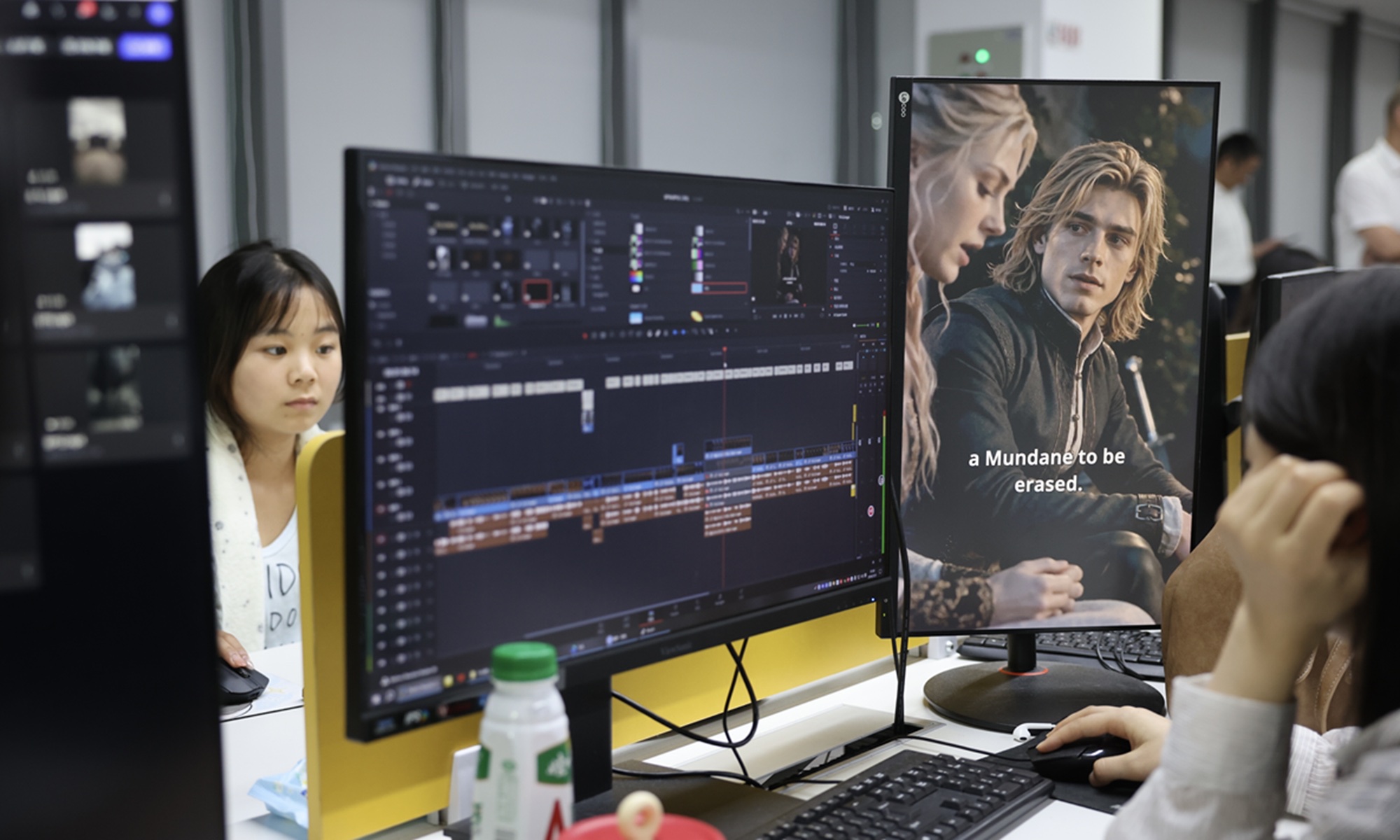
Soft power used to arrive as a stadium night or a prestige limited series. Now it also arrives as a vertical clip you almost finish before the train doors close.
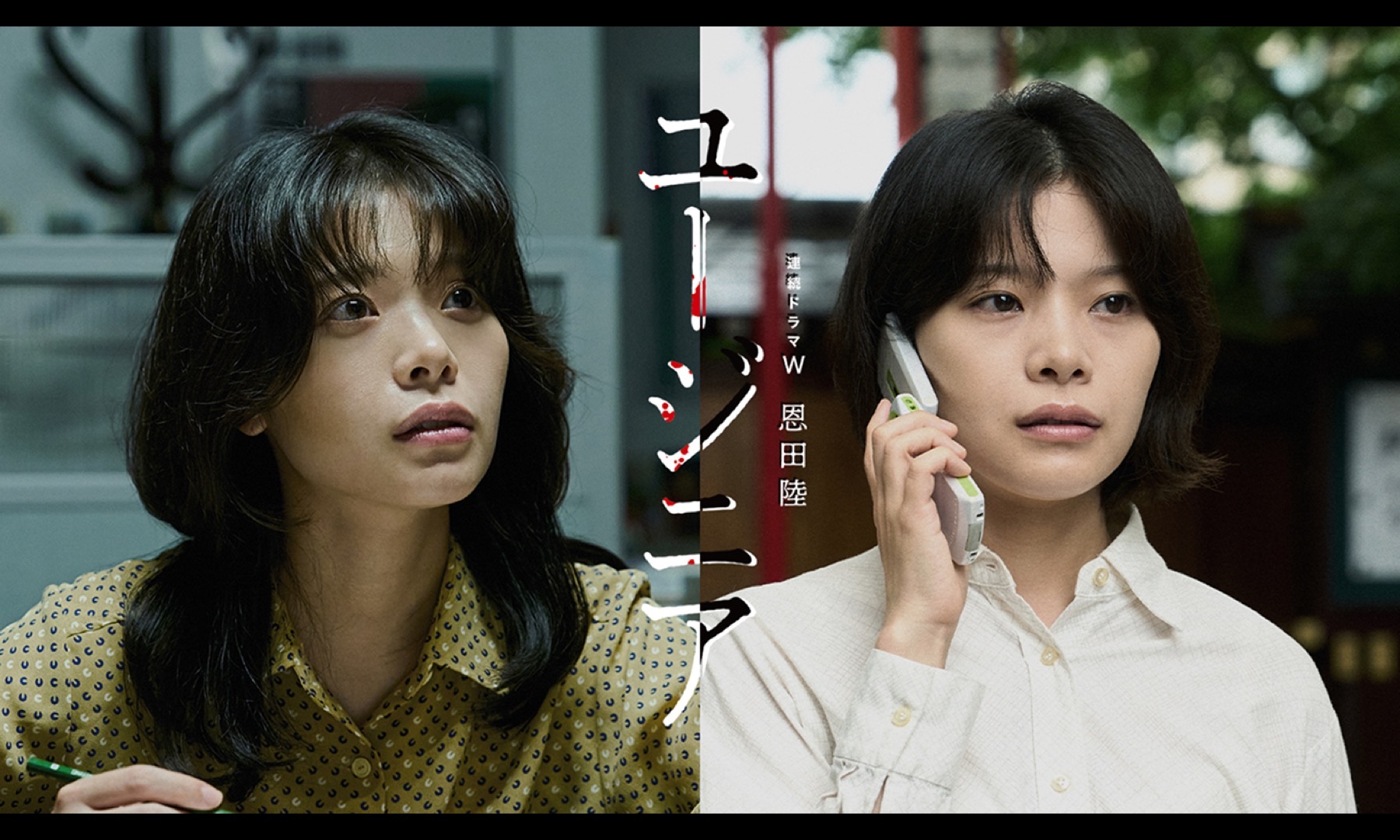
Chinese AI-generated microdramas, those 60-to-90 second vertical soaps built for phone thumbs, are no longer a domestic side hustle.
Industry tracker DataEye puts the overseas market for AI-produced dramas and comic-format shorts near $100 million in 2025 and about $650 million in 2026, a jump of roughly 550 percent.
Inside China, the production math flipped even faster. About 128,000 microdramas launched in Q1 2026, and roughly 122,000 of them were AI-made, more than 95 percent of the pile.
The export machine, not the cute CEO joke
The overseas pitch is romance first. Romance still accounts for more than 70 percent of global microdrama viewership, with CEO and marriage-of-convenience tropes especially sticky for women 45 to 64 in Europe and the U.S.
Crime and revenge travel better in Latin America and Germany. Younger Southeast Asian viewers lean fantasy. AI shops are not inventing new appetites. They are industrializing the ones already paying.
The extreme case study still circulating is The Persian Revenge: a production cost around 3,000 yuan, about $443, and more than $500,000 in paid revenue within 72 hours on YourChannel. Treat that as a lottery ticket, not a business plan.
The quieter receipt is the buyer market underneath. Song Donghuan, founder of the AI creator community StoryStorm, says overseas buyers who paid 4,000 to 5,000 yuan per minute last year are pushing some rates toward 500 yuan per minute this year as domestic models drop the barrier. Creators keep taking the work because someone else will.
That is soft power as unit economics. Cheap localization, asset libraries of faces and sets, and TikTok-adjacent distribution replace the old model of shooting abroad or hiring foreign extras onto Chinese sets.
Platforms such as NetShort, MoboReels, and DramaWave already show how concentrated overseas AI and comic-drama spend can get. India's Kuku IPO bet is the same format thesis with a different language stack. China proved the factory first.
What the floor looks like at home
The same boom is hollowing the live-action middle. China's wider minidrama industry sits near $14 billion.
In Zhengzhou, the country's microdrama capital, unfinished housing projects turned filming bases are going quiet. At the Dazhi complex outside the city, only four crews were working a 200,000-square-foot floor late last month. Base manager Wu Hongbin puts volume down about 60 to 70 percent from the prior year. Director Gao Qingge puts the cost cut at five to eight times versus live-action, with weather delays gone.
That is not abstract labor talk. Actors who used to book continuous father and boss bits suddenly have empty weeks. Crews shrink from dozens to a prompting-and-editing pod.
Hongguo, ByteDance's domestic short-drama app, also pulled back mid-tier live-action contractor guarantees earlier this year as AI economics won the spreadsheet. Some premium human shoots are returning. Industry voices do not expect 2025 volumes to come back if buyers refuse to pay live-action rates.
Consent rides the same feed
Volume without permission is the other hangover. China already requires clear labeling of AI-generated content.
That did not stop Peach Blossom Hairpin, an AI series on Hongguo, from drawing likeness complaints in spring. The platform removed the show and penalized the producer after users said their faces were cast without consent.
iQIYI's April AI performer database, pitched as authorized digital doubles, still drew backlash because the industry's trust problem is bigger than one opt-in portal. Actors and influencers are writing "no AI" clauses for a reason: a cloned face can sell a plot they never played.
So the overseas scroll that looks like Hollywood polish can still be a rights mess at the source. Soft power that cannot clear consent will eventually face the same platforms that made it travel.
Our take
Chinese AI microdramas are not a novelty genre. They are a production model that compresses cultural export into phone-length packages while rewriting who gets paid to stand in front of a camera.
The DataEye overseas curve and the 95 percent Q1 AI share are the growth story. The Zhengzhou empty stages, the collapsing per-minute buyer rates, and the Hongguo likeness removals are the cost story. Both are true at once.
Our verdict: treat the boom as soft-power infrastructure, not a fad clip. Watch whether overseas buyers keep racing rates to the floor, whether live-action recovers only as a prestige lane, and whether labeling-plus-consent rules start biting the same titles that travel on TikTok.
Romance still sells. The factory floor is what changed.