The new Asian fame machine and the global celebrity economy
Asian entertainers are no longer crossing over into Western fame. They are building parallel global careers that luxury, streaming, and social platforms now treat as the default model for star power.
 Mina Park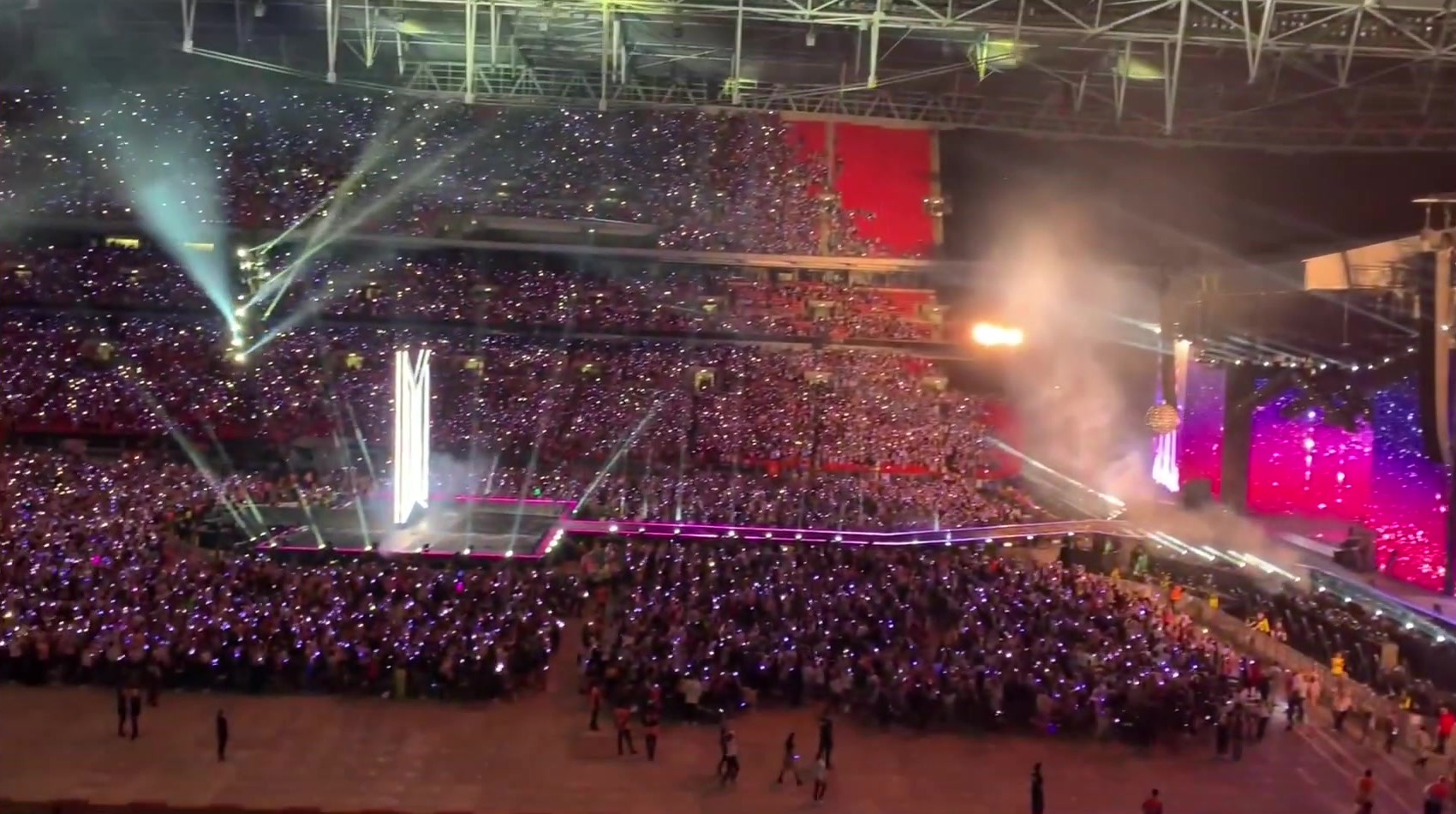
The old crossover script is dead, and nobody sent a press release. A decade ago, Asian entertainers were still described as breaking into Hollywood or finally landing Western campaigns, as if global relevance required a stamp from Los Angeles or London first.
That framing feels antique now. BTS proved stadium scale could originate in Seoul. BLACKPINK turned fashion week into a recurring assignment. Lisa's Las Vegas residency, covered widely as a first for K-pop on that strip, is less a novelty than a confirmation: Asian stars can anchor the same marquee infrastructure American pop has owned for decades.
The fame machine that built them is different from the one that built mid-2000s tabloid celebrities. It runs on synchronized releases, fan communities that operate like volunteer distribution networks, and visual identity so consistent that a airport photo can function as a campaign preview.
Diaspora viewers are not passive consumers in this system. They are often the bridge audience, the people who translate a debut for cousins in Toronto, post clip compilations for friends in Chicago, and decide which actor becomes "everyone's pick" before a drama officially imports.
That bridge role matters because platforms now reward velocity across regions, not dominance in a single market. A variety show appearance in Korea, a Coachella stage moment, a Tiffany event in New York, and a Weibo trending topic can all happen inside one promotional week.
The result is a celebrity economy where Asian talent carries multiple revenue identities at once: musician, model, fragrance face, streaming lead, and meme source. Our guide to Korean luxury ambassadors maps one corner of that overlap, but the same pattern shows up in beauty, watches, and hospitality appointments across East and South Asia.
What changed is not simply more representation. It is the expectation that representation will travel. Netflix invested in Korean storytelling before Beef became a reference point for how diaspora rage and family pressure could drive a global thriller. Reality formats from Asia now enter American conversations as alternatives to conflict-first editing, a gentler rhythm that still produces obsession-level fandom.
Creators who grow up bilingual or trilingual are especially well positioned in this economy. They can host in one language, post in another, and collaborate across markets without waiting for a distributor to solve localization. The audience follows the person, not the territory.
For luxury houses, that mobility is the product. A star who moves cleanly between Seoul Fashion Week, a Cannes photo call, and a Tokyo beauty launch reduces the friction of global campaigns. The celebrity is the logistics.
Soft power used to be discussed as government strategy: films, food, language programs shipped abroad. Now it is also individual: one actor's haircut after a premiere, one idol's airport outfit, one director's award-season speech. Greta Lee's micro-bang moment is a small example with a large lesson. Diaspora style watchers pick up a detail and send it around group chats before traditional fashion media finishes a trend memo.
The risk in this machine is sameness. When every debut follows the same content calendar, audiences can feel managed rather than discovered. The stars who last tend to keep one lane that feels unbranded: a candid live stream, a strange film choice, a collaboration that does not match their cosmetics contract.
We read this moment as structural, not temporary. Asian fame is not waiting for Western validation anymore; it is exporting the playbook. The question for the next few years is which names convert attention into lasting creative authority, and which ones simply glow brightly until the algorithm moves on.
If you follow only one metric, follow range. The new global celebrity can sing, act, sell perfume, and survive a documentary cycle. The ones who matter will do at least one of those things like nobody is counting streams.
For the Asian American read on why that crossover now shows up in the numbers, not only the group chat, Goldsea walks through Nielsen's AAPI content data.