The concert is only the beginning. K-pop is turning cities into destinations.
Around BTS’s Arirang tour, host cities stack hotels, pop-ups, welcome centers, and stamp rallies onto stadium nights. Fans stay longer, spend more, and treat the show as the center of a temporary destination economy.
 Mina Park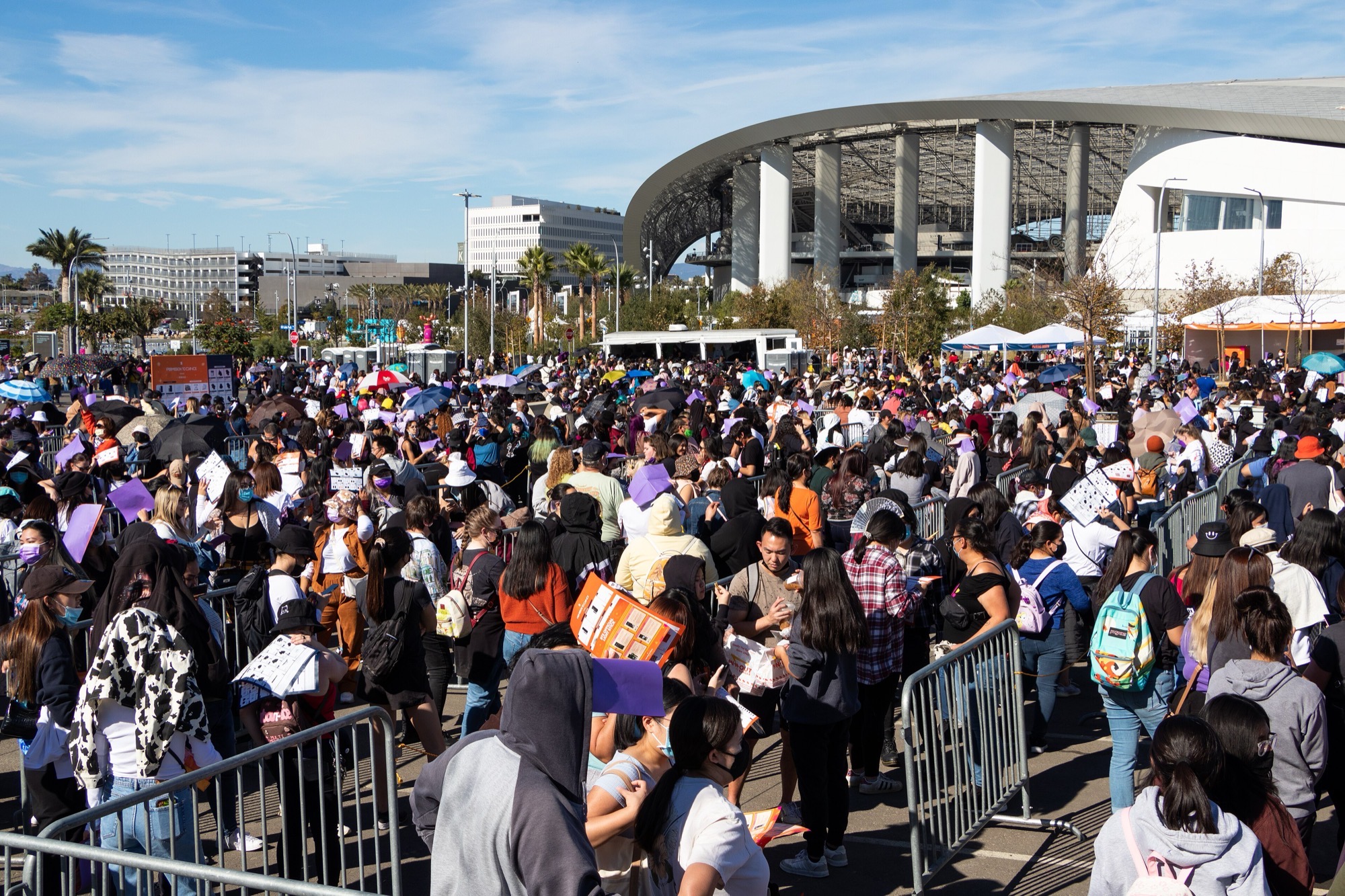
The show is the center of gravity. The money and the nights away from home orbit farther out.
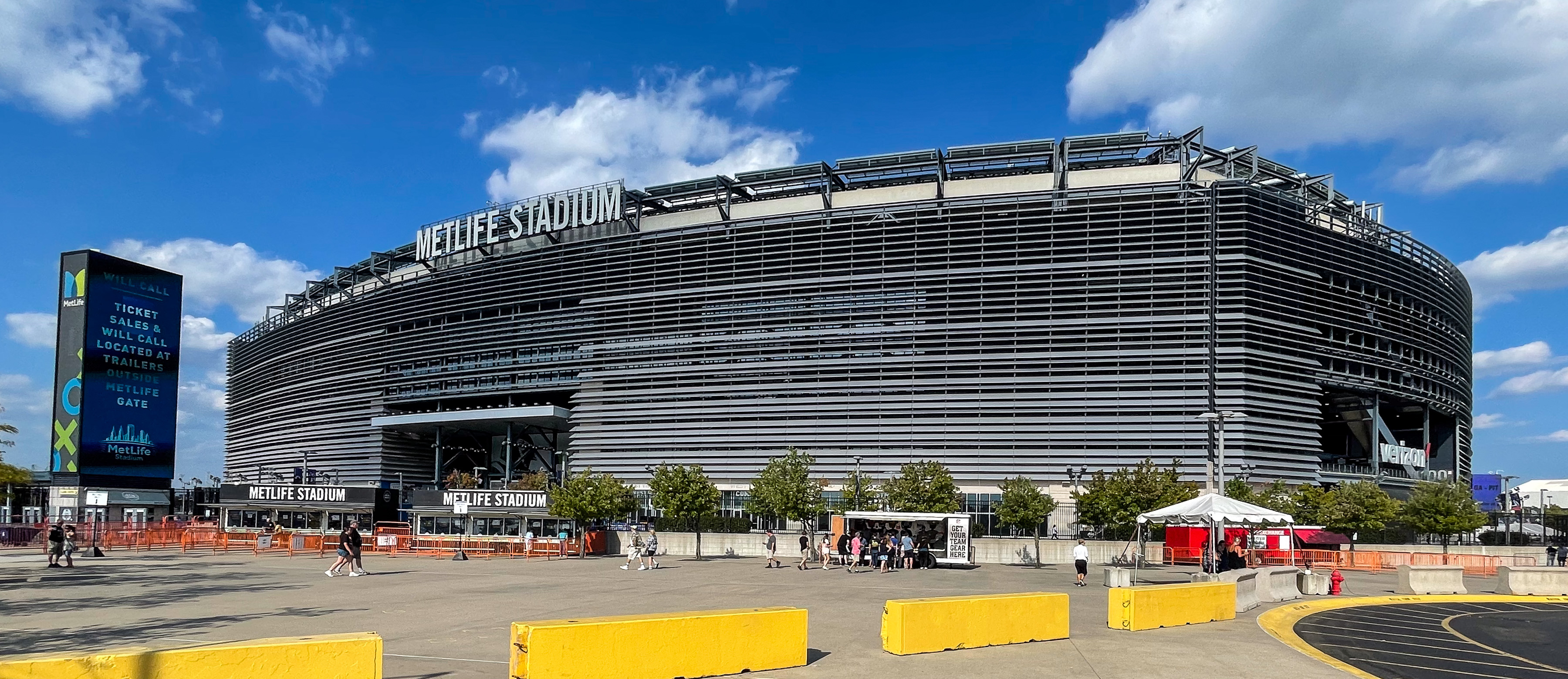
BTS’s Arirang world tour has made that orbit visible again this summer. MetLife Stadium in East Rutherford hosted two sold-out nights on Aug. 1 and 2. Around those dates, Manhattan ran BTS THE CITY ARIRANG New York: Grand Central Terminal wrapped in album red, an ARMY Madang in Vanderbilt Hall with Wembley stage outfits and $50 custom tees, a Chelsea pop-up with reservation slots, and a Seaport hotel package that sold branded mini luggage as part of the stay.
The sharper thesis is not that K-pop sells tickets well. It is that major labels and host cities are turning artist IP into a temporary destination economy: hotels, pop-ups, exhibitions, stamp rallies, beauty zones, restaurant collabs, and fan-organized itineraries that stretch a concert into a multiday pilgrimage.
How a stadium night becomes a city week
THE CITY is the clearest receipt. HYBE and Big Hit have run the format since the Las Vegas Permission to Dance era, then scaled it through Seoul, Busan, and other tour stops. The pitch is scarcity of place: content you can only touch in that city, that week.
In Seoul, BTS THE CITY: Arirang Seoul lit landmarks, ran an ARMY Madang at Dongdaemun Design Plaza, and wrapped a city-tour bus through Yongsan, Gwanghwamun, and Gyeongbokgung. Tiger Bus ridership rose about 20 percent during the project. Overseas visitors made up roughly 70 percent of the Sungnyemun media-facade crowd and more than 86 percent at ARMY Madang.
Busan stacked a municipal welcome center at Eurasia Platform with luggage service, a K-beauty zone, Photoism, and tourism desks. Paradise Hotel Busan sold official fan-cation packages with limited merch and Korean snack sets. Foreign spending in the city jumped 71.7 percent year over year across the concert window, with lodging up 148.1 percent and beauty and hair services up 63.8 percent among foreign sales.
New York just ran the American version. 33 Hotel by Sono Calm in the Seaport became the official collaboration hotel from July 24 through Aug. 9, with themed amenities and a passport that sent guests to Brooklyn Bridge and Pier 17 photo missions. The stadium was in New Jersey. The destination product was the city.
Why fans travel farther and stay longer
Government survey work from Korea’s Culture Ministry, the Korea Culture and Tourism Institute, and the Korea Tourism Organization put numbers under the pilgrimage instinct.
At the March 21 Gwanghwamun show, 73.6 percent of international respondents said BTS was the main purpose of their Korea trip. Those foreign attendees stayed 8.7 days on average and spent about 3.53 million won per person, versus 6.1 days and 2.45 million won for typical inbound tourists in Q1 2026. Lodging led the spend, then transport, shopping, and food.
Around the April Goyang stadium dates, foreign visitors to Daehwa-dong jumped from 1,397 in the same period a year earlier to 48,581 across three concert days. Foreign card spend in the district rose from 8.9 million won to 337.8 million won. Many of those guests also bounced into Seoul’s THE CITY sites: Yongsan, Myeong-dong, DDP, museum stops.
Analysts at NH Investment & Securities have framed the wider tour under “BTSnomics,” estimating roughly 8 trillion won, about $5.3 billion, in direct and secondary spending across dozens of host cities. Treat that as a bullish industry estimate, not a city ledger. The neighborhood card data is the sharper receipt.
Scarcity is the itinerary
Merchandise is no longer an afterthought table by the exits. It is a reason to extend the trip.
HYBE CEO Jason Jaesang Lee has said the company is designing “an integrated online and offline experience model based on scarcity.” Pop-ups enforce it with RSVP windows, ID checks, thirty-minute slots, and city-exclusive drops that do not live on Weverse forever. Las Vegas Forum Shops and Busan Centum City both sold limited local items alongside the stadium run. Light-stick demand spikes on secondary markets before big dates. The scarcity is the product design.
That is why backpacks and hotel nights matter. Fans plan for queues, second cities, and beauty appointments because the map rewards the long stay. Korean food and skincare ride the same traffic without needing a separate soft-power speech: restaurant spend and beauty services show up in the Busan and Goyang numbers because the itinerary already includes them.
Can smaller acts copy the machine?
Not at BTS scale. They can copy the grammar.
Taipei’s ONCE CITY MAP around TWICE’s Dome run stacked Huashan and Songshan pop-ups, themed MRT cars, Maokong Gondola cabins, member-voiced station gates, and a nine-location dance-check challenge. Stray Kids turned a Seongsu SKZOO pop-up into airport theater: check-in, duty-free aisles, boarding passes. Marriott has tested TWICE-themed conceptual rooms and afternoon tea as hospitality product.
Those are destination fragments. Full THE CITY logistics still need stadium demand, municipal partners, and a merch engine that can justify exclusive inventory. Mid-tier acts get pop-ups and hotel collabs. Only a few get welcome centers and passport maps that rewrite a weekend.
Cities watching Seoul’s entertainment-tourism machine should learn the sequence, not the logo. Pair the venue with a scarce offline experience, a lodging partner, a neighborhood spend path, and a beauty or food lane that already speaks Korean Wave. Then measure nights stayed, not only tickets scanned.
Our take
K-pop’s soft-power story used to end at the chart or the airport arrival board. The current model ends at the hotel folio, the pop-up RSVP, and the neighborhood POS terminal.
Our July Soft Power Index already ranked stadium and World Cup heat. This is the retail and tourism layer under the same IP. Arirang’s Billboard return proved the album still travels as music. THE CITY proves the album also travels as urban product design.
Our verdict: treat major K-pop tours as temporary destination economies first, concerts second. Watch which host cities keep building municipal welcome infrastructure after the trucks leave, whether mid-tier acts can sell multi-night stays without a HYBE-scale map, and whether New York’s Grand Central-to-Seaport stack becomes the North American template or a one-off MetLife halo. The lightstick night is still the pilgrimage. The city is what they are selling around it.