Cha Eun-woo: the idol-drama face navigating military pause and Netflix
Cha Eun-woo built ASTRO fandom and K-drama romantic-lead stardom, then entered South Korean military service in July 2025 while Netflix launched The Wonderfools, his pre-service superhero comedy-drama.
 The Goldscene Desk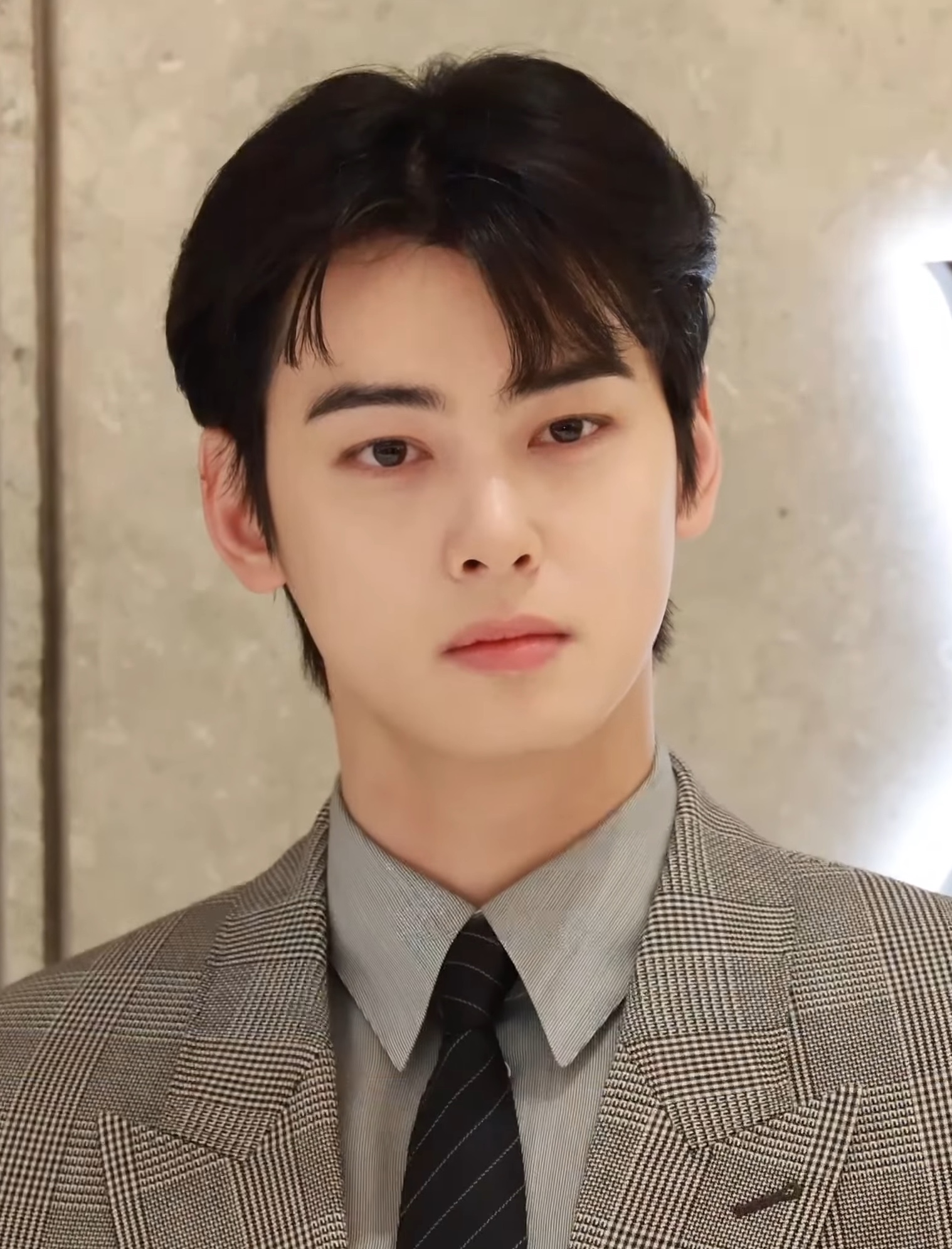

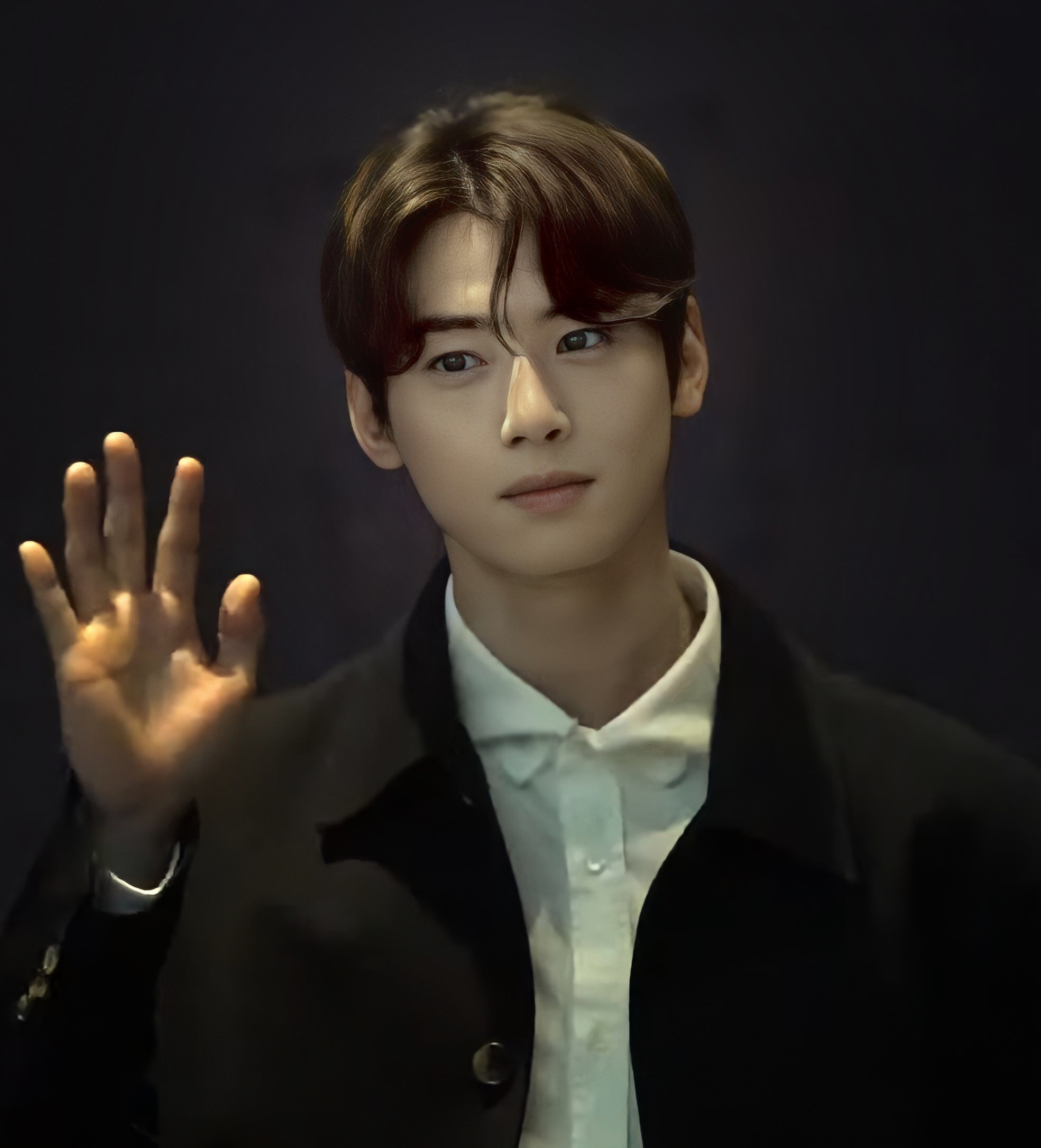
Cha Eun-woo is the actor and idol born Lee Dong-min on March 30, 1997 (Aries, Fire Ox) in Gunpo, Gyeonggi Province, South Korea. He built one of the cleanest idol-to-drama crossover brands of the 2010s as an ASTRO member and romantic-lead fixture, then entered South Korean military service in July 2025 while Netflix carried The Wonderfools, the superhero comedy-drama he finished before enlistment.
He is 29 and commonly listed around 183 cm (6 ft 0 in) in press profiles. That height is not trivia. It is part of the product: casting directors, beauty brands, and fan edits all treat his proportions as a default fantasy setting. He has not confirmed a public relationship timeline in major press.
The factory behind the "face genius" label
Cha was scouted near Seoul in 2013 and signed to Fantagio, debuting with ASTRO in 2016 as the group's visual anchor. Korean agencies do not discover "natural stars." They build them through trainee years, camera training, and a public nickname that tells investors exactly what they are buying.
Face genius is that nickname in plain language. It signals distance: the idol who looks edited even in airport CCTV. Cha did not escape the label by acting well in one drama. He monetized it across music, variety, cosmetics campaigns, and romance scripts where the plot admits the lead is unreal on purpose.
For diaspora viewers who meet him through TikTok clips before full episodes, the brand can feel ironic and sincere at the same time. That tension is the business model.
ASTRO lane vs drama lane
ASTRO gave Cha concert stamina, fan-community discipline, and a group name that still moves streaming numbers when members solo. Group singles and variety appearances trained a global base that knew his face before many viewers learned his drama name Cha Eun-woo.
The career question insiders whisper, without needing gossip, is equity split: when one member's drama fame dwarfs the group's weekly chart presence, labels must decide whether ASTRO is the engine or the side project. Cha's enlistment forces that math into the open. The band can tour concepts and release music while he serves, but they cannot send the visual center to press junkets.
Romance exports that turned appearance into plot
Western and diaspora audiences often met Cha through series that treated his face as narrative infrastructure. My ID is Gangnam Beauty (2018) used plastic-surgery discourse to interrogate the same beauty standards Cha embodies off-screen. True Beauty (2020 to 2021), adapted from a hit webtoon, turned his polished image into meme vocabulary: the unattainable school crush who still feels approachable in close-up.
Those shows did not ask Cha to disappear into character work the way prestige auteur cinema would. They asked him to hold the frame while romance mechanics did the rest. That is not a knock. It is how K-drama exports scaled globally: cast recognition as hook, chemistry as retention, platform algorithms as distribution.
Goldscene's second-gen rom-com desk piece situates Cha inside the broader wave Wonderfools tries to bend.
Wonderfools: the awkwardness bet
Netflix's The Wonderfools, a superhero comedy-drama, debuted worldwide on May 15, 2026. Cha plays Lee Un-jeong, a socially awkward civil servant, opposite Park Eun-bin.
That casting is the edge. Agencies usually protect a fantasy face with fantasy roles. Putting Cha in bureaucrat comedy is a deliberate range audition filmed while he still could promote it. If the awkwardness reads honest, post-service casting expands. If it reads like a handsome man doing a bit, the face-genius brand tightens again.
Goldscene's Wonderfools coverage framed the release as a marketing stress test. Netflix gets a completed lead performance. It does not get the daily content machine that made True Beauty feel like a community event.
The enlistment gap nobody budgets for
Cha enlisted in July 2025. His 46-million-follower Instagram account largely went dark after service began. In a premiere economy built on cast reels, behind-the-scenes drops, and live Q&A streams, that silence is not symbolic. It is a measurable promo hole.
Wonderfools must lean on Park Eun-bin's drama track record, Netflix's platform push, and fan edits that recycle old clips into new urgency. International stan accounts will do free labor, but free labor is unpredictable and impossible to schedule.
Mandatory service is standard for Korean male entertainers. What is not standard is pausing at peak omnipresence. Cha's calendar is the fairness problem younger idols study: you can film ahead, but you cannot enlist your fandom to carry a global Netflix debut for eighteen months without showing up.
Return math and the post-service market
Fans already run discharge estimates and draft fantasy slates: romance return, variety reset, fashion week re-entry. Agencies run a colder spreadsheet: which brands stayed loyal, which scripts held dates, whether ASTRO timeline still aligns.
Wonderfools functions as a time capsule in both senses. It is the last pre-service lead viewers can binge now, and it is the reference tape casting directors will use when he is legally available again.
Track streaming windows on our 2026 Netflix K-drama guide and the where-to-watch map.
What to watch next
Watch Wonderfools completion data, whether Fantagio keeps ASTRO releases paced for group equity, and which projects were locked before enlistment versus waiting for his return window.
New viewers should start with True Beauty to understand the brand Cha is now partially trying to bend, then Wonderfools to see the awkwardness experiment. Our starter K-drama list places him inside broader Netflix habits without pretending one actor defines the whole export wave.
Cha Eun-woo is not only a handsome lead. He is what happens when an industry builds a human as visual infrastructure, then legally removes him from the feed at the exact moment a global platform premiere needs him most.