Korean American chef Austin Kang is building MLB watch parties for Seoul mornings
Chef Austin Kang is running MLB Breakfast Club at his Seoul restaurant Mukjung, turning awkward morning game times into a Korean-Mexican brunch ritual with player-named dishes and a social watch-party format.
 The Goldscene Desk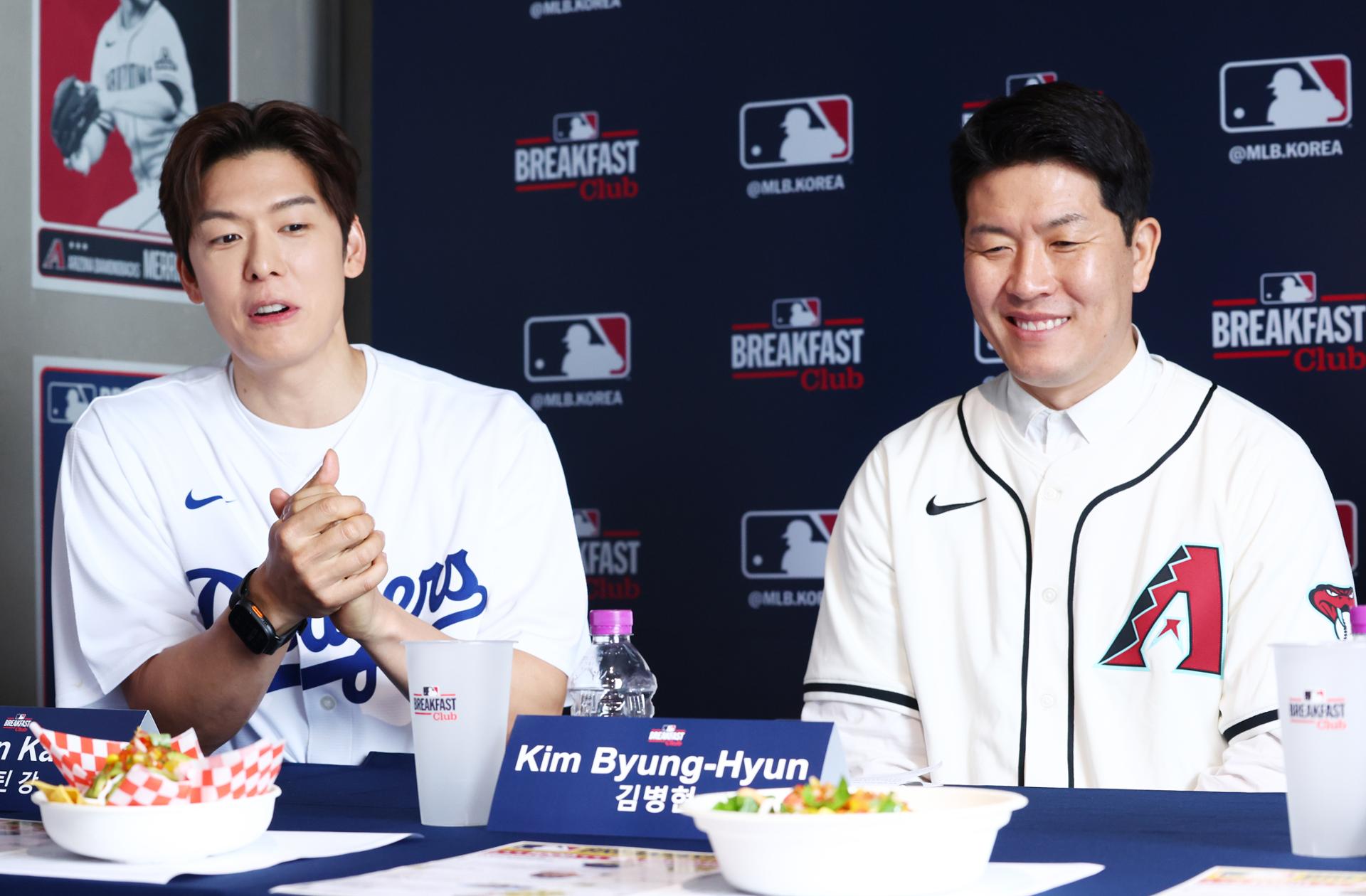
Korean American chef Austin Kang is trying to make Seoul mornings feel like Dodger Stadium brunch, without pretending the time zone cooperates. At his Michelin-listed restaurant Mukjung, he is running MLB Breakfast Club: screens, cocktails, and a menu that names dishes after major-league players while mixing the flavors he grew up with in Los Angeles.
Kang was raised going to Dodgers games and eating Mexican food with friends in the Park Chan-ho era. He now treats food as the social glue that lets strangers watch baseball together in a city where live MLB games often air at hours that punish anyone with a day job.
The menu is the marketing
This is not generic sports-bar wings. The lineup includes nachos with kimchi carnitas, a Chipotle-style bowl, galbi eggs benedict tied to Dodgers infielder Kim Hye-seong, and a bingsoo dessert named for Giants outfielder Lee Jung-hoo.
Kang has said the galbi benedict became the early crowd favorite because it satisfies brunch expectations while still reading distinctly Korean. That is the whole experiment: comfort formats with flavor memory, not fusion for Instagram.
Naming dishes after active players also turns the menu into fan conversation. You order the Kim plate, argue about defense, and end up staying for the next inning. Food becomes the reason the room stays loud before the first pitch.
Why MLB cares about breakfast in Seoul
Major League Baseball has been testing Asia-facing engagement for years, but most campaigns still default to highlight packages and star player tours. Kang's watch parties test something harder: recurring morning ritual.
Can Seoul fans build a social habit around live games that start while the city is still on coffee, not beer? If the answer is yes, MLB gets a culture wedge that does not depend on a single viral postseason run.
Former pitcher Kim Byung-hyun attended the launch event. Kang wore a Shohei Ohtani jersey during press interviews. Both details read like signaling to Korean fans that the room is serious about MLB credibility, not just American novelty brunch.
Reverse export, not nostalgia tourism
The story flips the usual soft-power direction. Instead of exporting K-pop schedules to American late nights, an LA-raised chef imports Dodgers-era nostalgia into a Seoul dining room and bets Korean fans will show up for the social experience, not only the scoreboard.
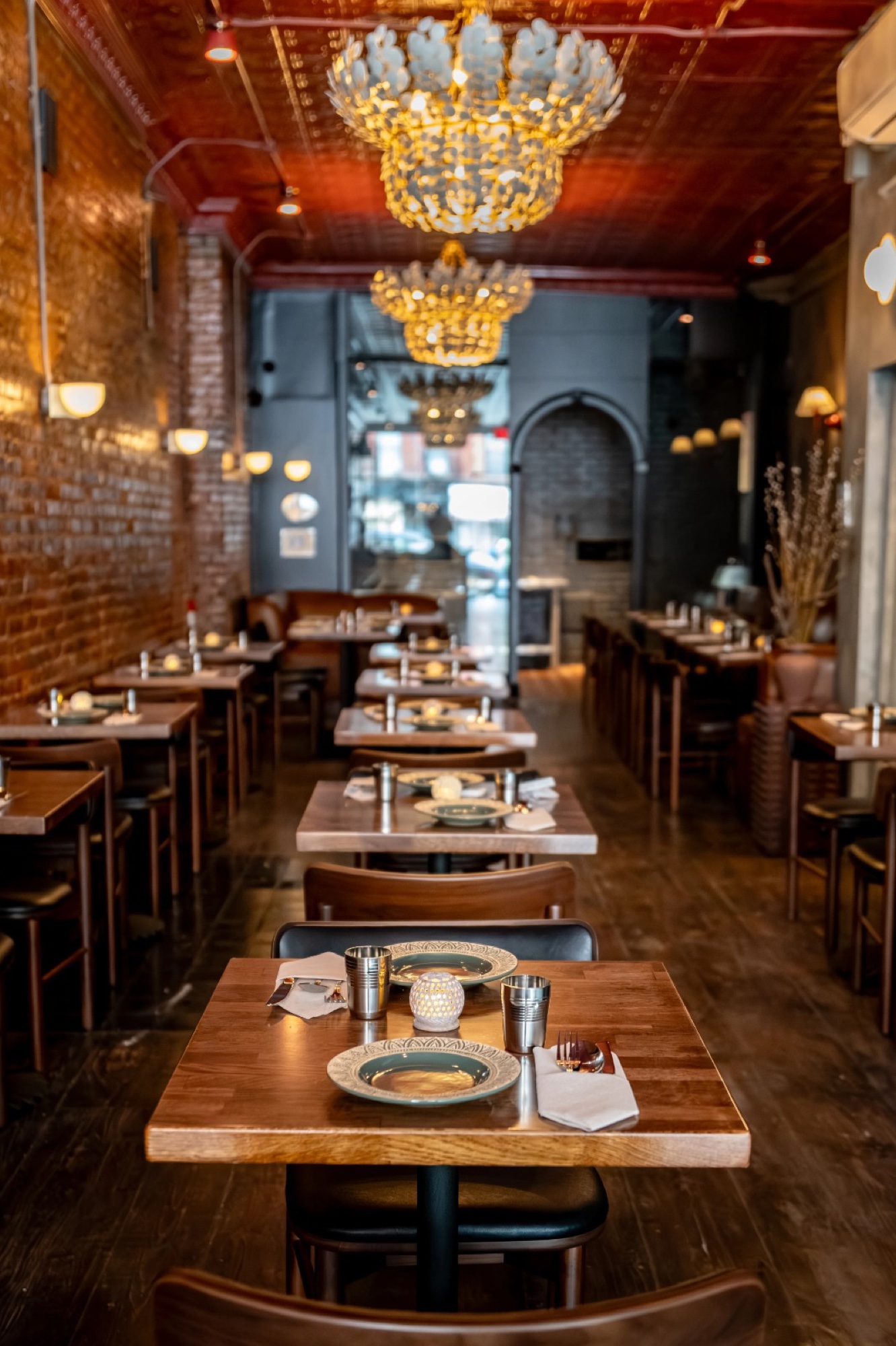
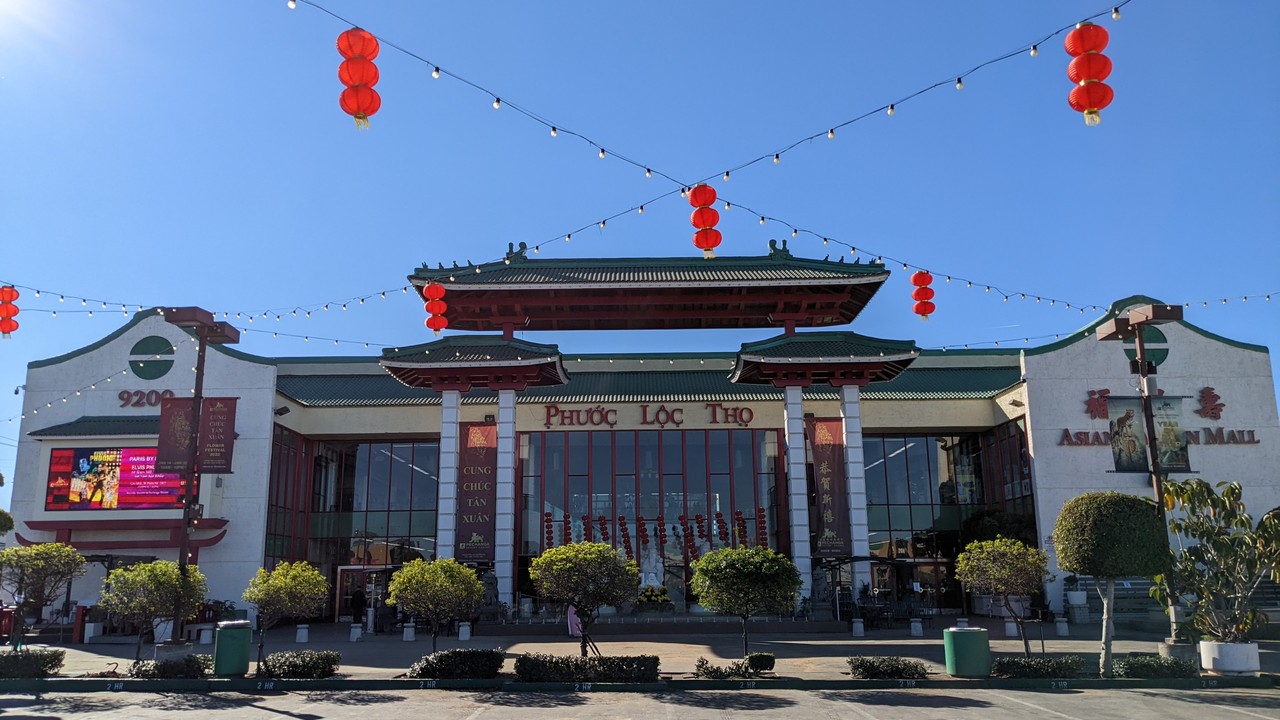
That sits next to other food-as-culture projects on our radar this month, from Drāvida's diaspora tasting menu in Manhattan to night-market season in Westminster. Kang's version uses sports clocks instead of festival dates, but the logic is similar: build community around a table first, then let the headline content follow.
What to watch next
See whether Mukjung expands Breakfast Club beyond a campaign window into a standing weekend slot, and whether other Korean restaurants copy the format with KBO crossovers or local player nods.
If morning MLB watch parties stick in Seoul, expect more American leagues to court restaurant partners instead of only streaming apps. Food already won the soccer pub model overseas. Baseball brunch might be the next test case.