Drāvida maps South Asian cooking across continents in the East Village
Chef Aarthi Sampath's East Village restaurant follows South Asian food traditions through India, Sri Lanka, Pakistan, Nepal, Trinidad, Guyana, Malaysia, South Africa, and the neighborhoods that reshaped them.
 Mina Park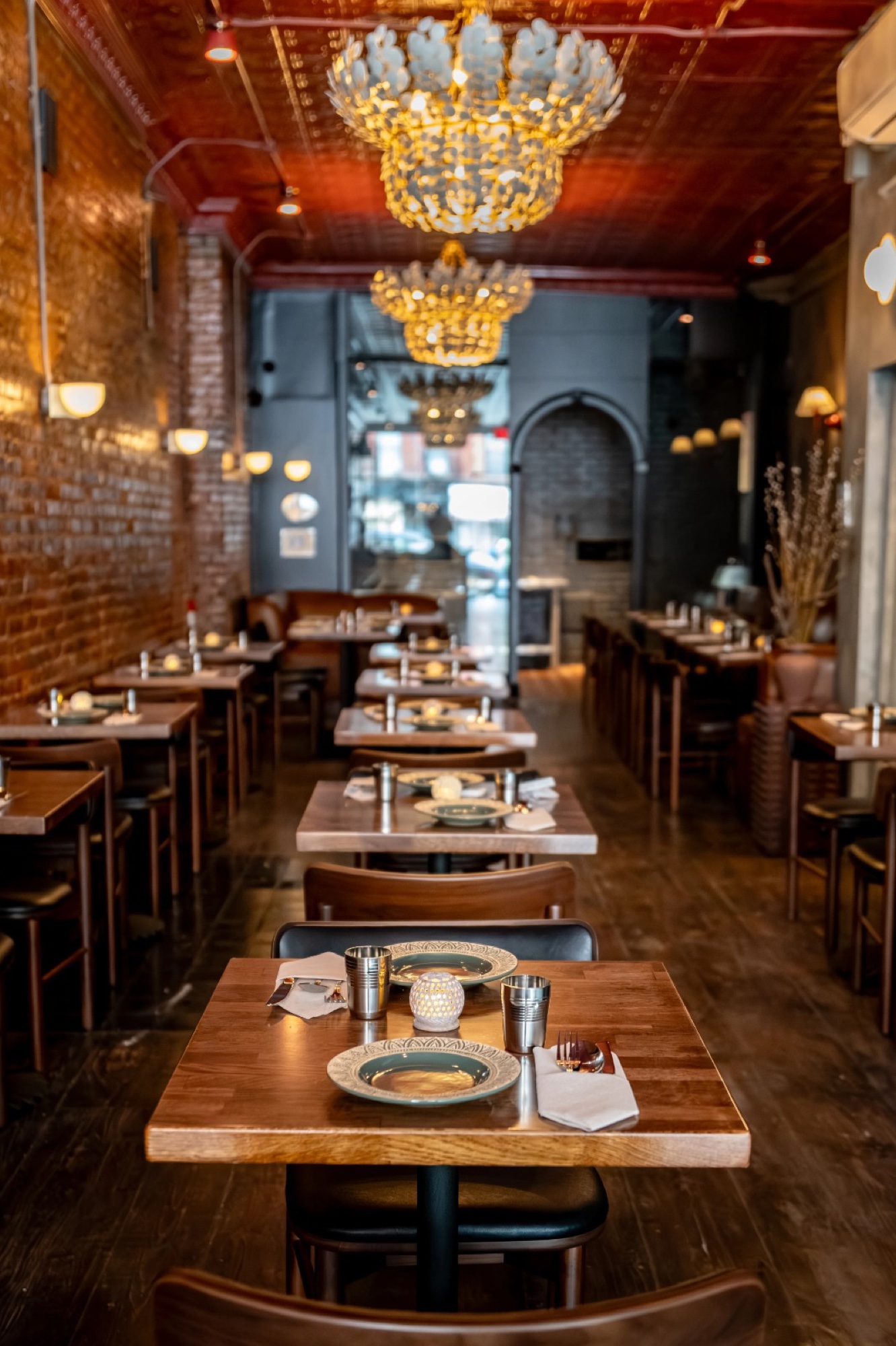
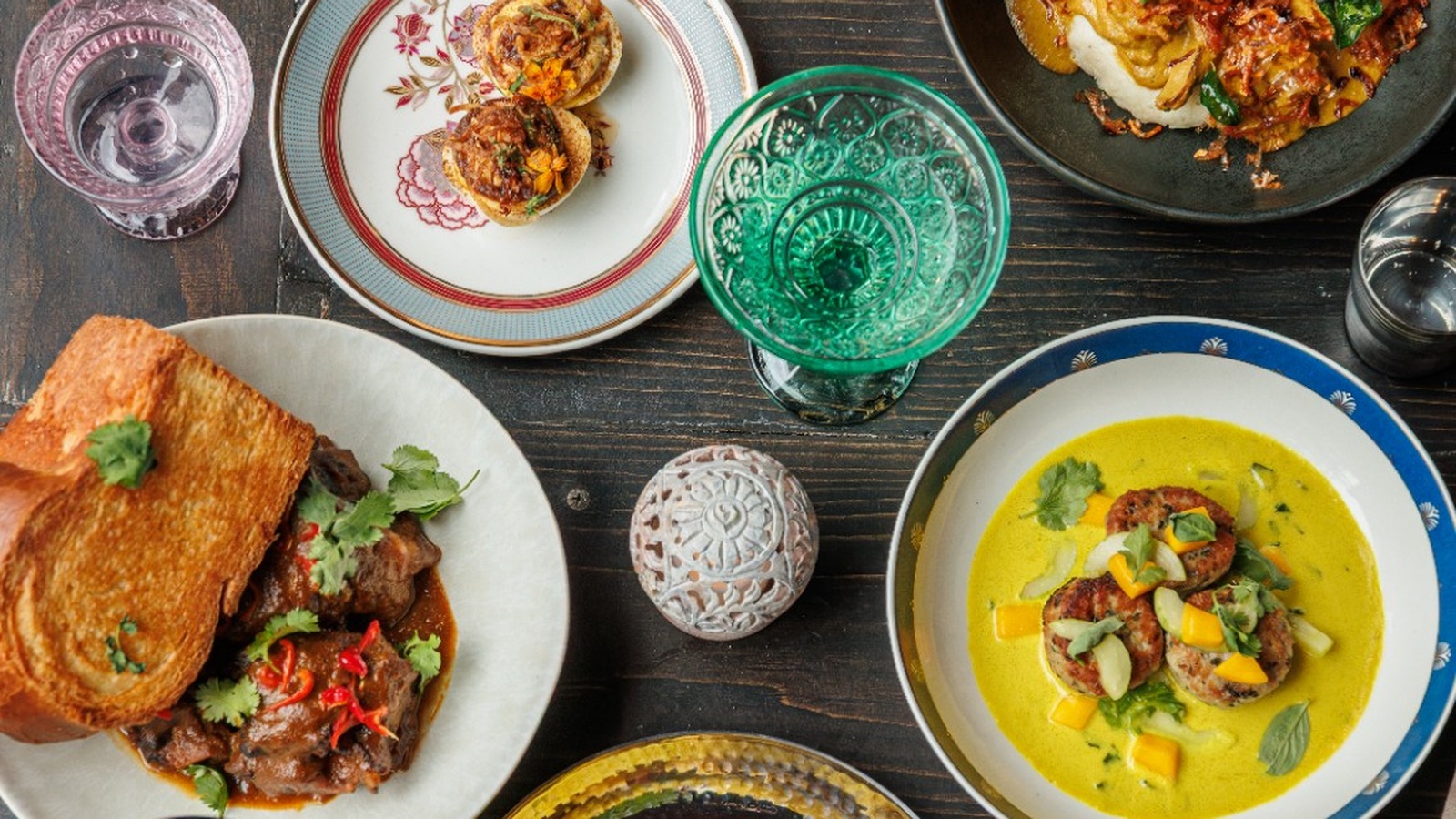
Drāvida asks diners to follow South Asian food beyond national borders. At chef Aarthi Sampath's East Village restaurant, a meal can move from a Myanmar-style deviled egg to a Uyghur beef skewer, Tamil poriyal, a Pakistani-inspired nihari hand pie, or a South African bunny chow.
The range sounds enormous because it is. Sampath built the menu around recipes that traveled with South Asian communities and changed through local ingredients, trade, colonization, and new neighbors. Drāvida's task is to show those connections while preserving the specificity of each dish.
The menu follows routes, not a checklist
Sampath developed the restaurant after meeting people in New York whose family food came from Guyana, Trinidad, Malaysia, Sri Lanka, Pakistan, Bangladesh, Nepal, and other places rarely represented together on an American menu.
These traditions share ingredients and techniques without collapsing into one cuisine. Guyanese cooking uses peppers and produce from the Caribbean. Malaysian Tamil food reflects a long history in Southeast Asia. South African bunny chow grew from Indian communities in Durban. Nepali momos carry their own regional logic and are served at Drāvida with tomato-sesame chutney.
The menu identifies origins, which gives diners a starting point rather than presenting every plate as the chef's free-floating invention. Earlier highlights included Trinidadian doubles, Lhasa lamb momos, duck nihari hand pies, and an Indo-Malay nasi kandar feast. Current dishes continue that approach with Uyghur sirloin kawap and asparagus poriyal.
A century-old room gives the idea a home
Drāvida opened May 21 at 211 First Avenue after Sampath spent years looking for a permanent location. The restored building is roughly a century old and retains original brick ovens, an unusual asset that helped convince her to take the space.
The main dining room uses exposed brick, warm leather seating, chandeliers, and the old ovens to make the ambitious menu feel welcoming rather than academic. Downstairs, Jam & Jaggery operates as a lounge and private-events room. Sampath has described it as a quieter place for cocktails, nonalcoholic drinks, tea, and small plates rather than a loud late-night bar.
The two floors let the restaurant serve different occasions while keeping one culinary point of view. A full dinner can happen upstairs; a drink and a smaller introduction to the cooking can happen below.
The concept needed seven years
Sampath first wrote the idea in 2019. Investors repeatedly told her it was too niche or too hard to communicate, even when they liked the food. She kept refining the menu while working in restaurants, consulting, appearing on television, and developing a large prepared-meal audience through CookUnity.
That delivery business eventually helped her finance Drāvida herself. Her Chopped and Beat Bobby Flay wins supplied recognition, but the less glamorous work of producing consistent meals at scale helped turn the restaurant from a pitch into a viable business.
Our read
Drāvida's appeal is the chance to encounter food histories that standard "Indian restaurant" language leaves out. Its challenge is equally clear: breadth can become flattening when one menu speaks for too many places.
The restaurant will earn its argument dish by dish. Clear origins, careful explanations, and strong cooking matter more than a sweeping label. If Sampath maintains that specificity, Drāvida can make a large geographic idea feel personal, generous, and useful to diners who want a wider view of South Asian food.