Mainstream grocers are widening their Asian food aisles
As shopper interest in Asian food grows, large retailers including Whole Foods and Target are stocking more Asian grocery items in pursuit of a one-stop-shop experience.
 The Goldscene Desk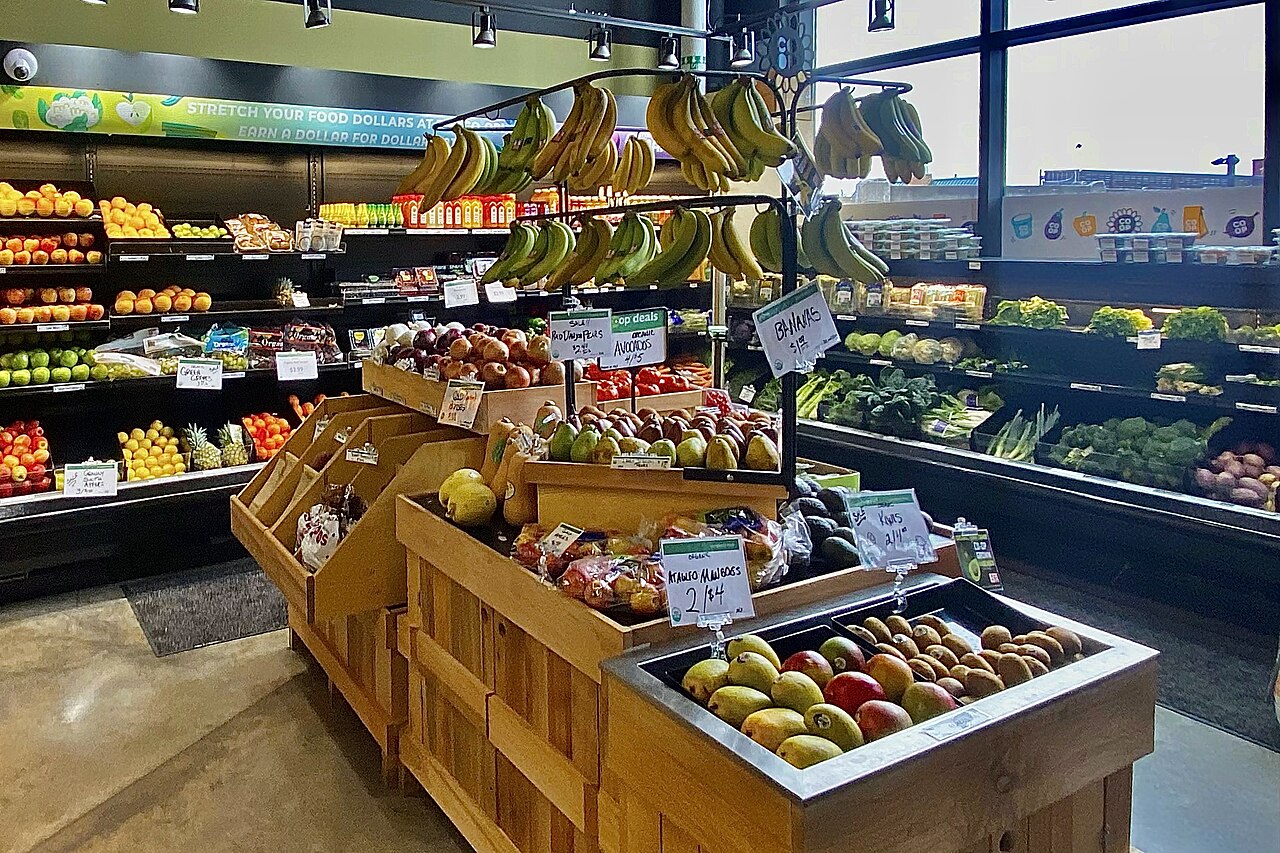
The retail mechanics resonate if you have ever made a separate trip for one sauce. Asian grocery products are moving beyond the old ethnic aisle footprint, with chains including Whole Foods and Target adding more Asian items as shopper interest rises.
The framing is straightforward: mainstream grocers want to keep customers in one store instead of losing them to specialty markets for the ingredients they actually cook with.
Food culture is access, not just recipes, and grocery layout is one of the quietest signals of who retailers think their customers are. When gochujang, rice noodles, or a specific soy sauce brand shows up at a national chain, it changes what weeknight cooking looks like for Asian households and for everyone else picking up the same ingredients.
Diaspora cooks know the calculus: you can love your neighborhood Asian market and still wish you did not need a second stop after Costco or Trader Joe's.
For diaspora readers, this shift also reflects how Asian food has moved from ethnic curiosity to mainstream appetite in the retail data. The same ingredients your parents had to hunt for are now shelf-stable priorities for chains optimizing one-stop-shop convenience.
That is not always a perfect win. Selection can be thin, pricing can be off, and the ethnic aisle label itself still carries baggage.
But the direction is clear, and it changes what cooking at home looks like for a generation that expects global ingredients to be normal, not exceptional.
If you have ever stood in a mainstream grocery store wondering whether they finally stock that one brand, the shift reflects changing retail logic.