How idol fandom logistics shape U.S. chart weeks
Hot 100 weeks are not only about streams. For K-pop and global idol acts, chart life depends on release clocks, fan purchasing coordination, vinyl variants, and U.S. time zones stans treat like shift work.
 The Goldscene Desk

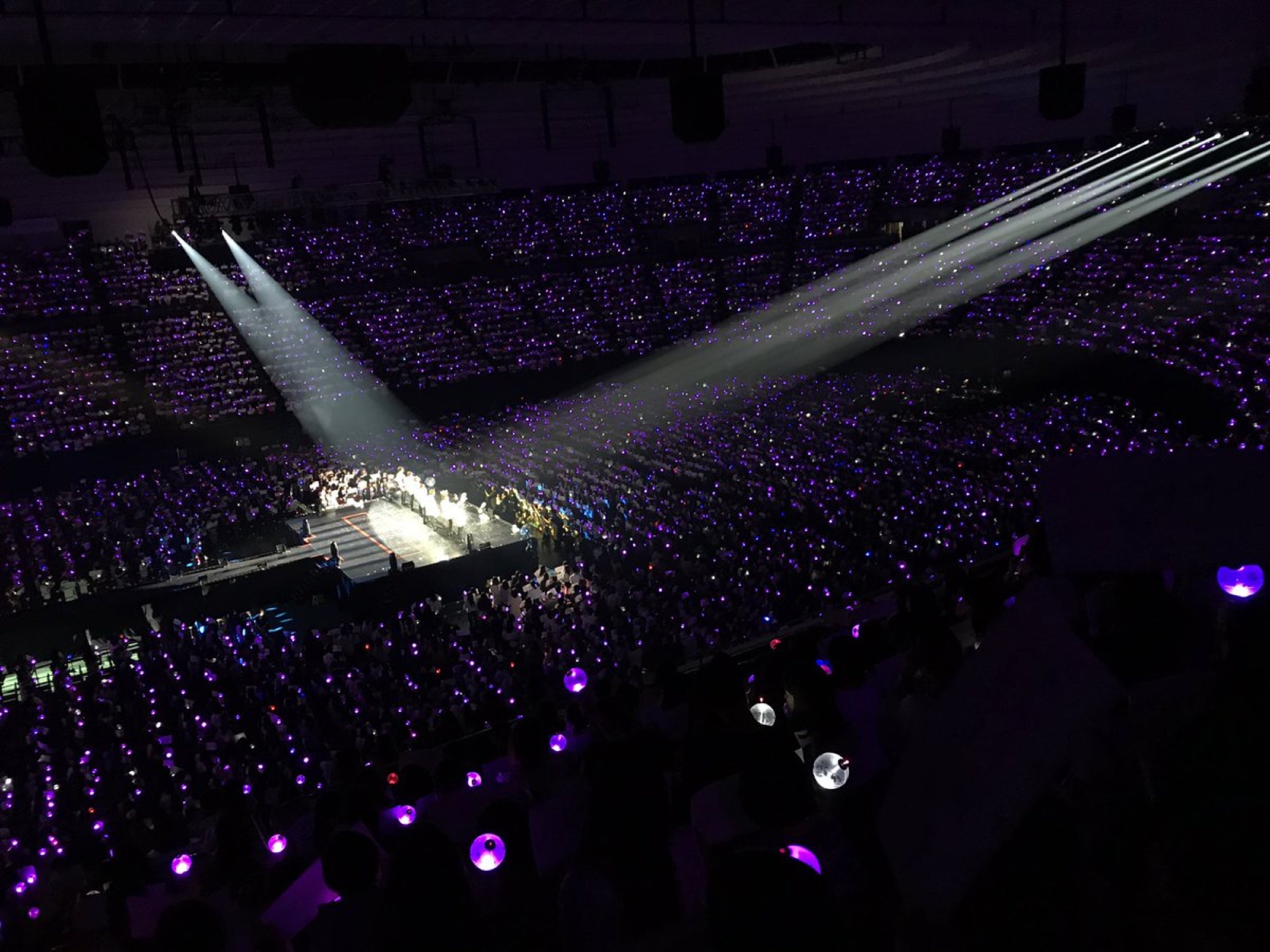
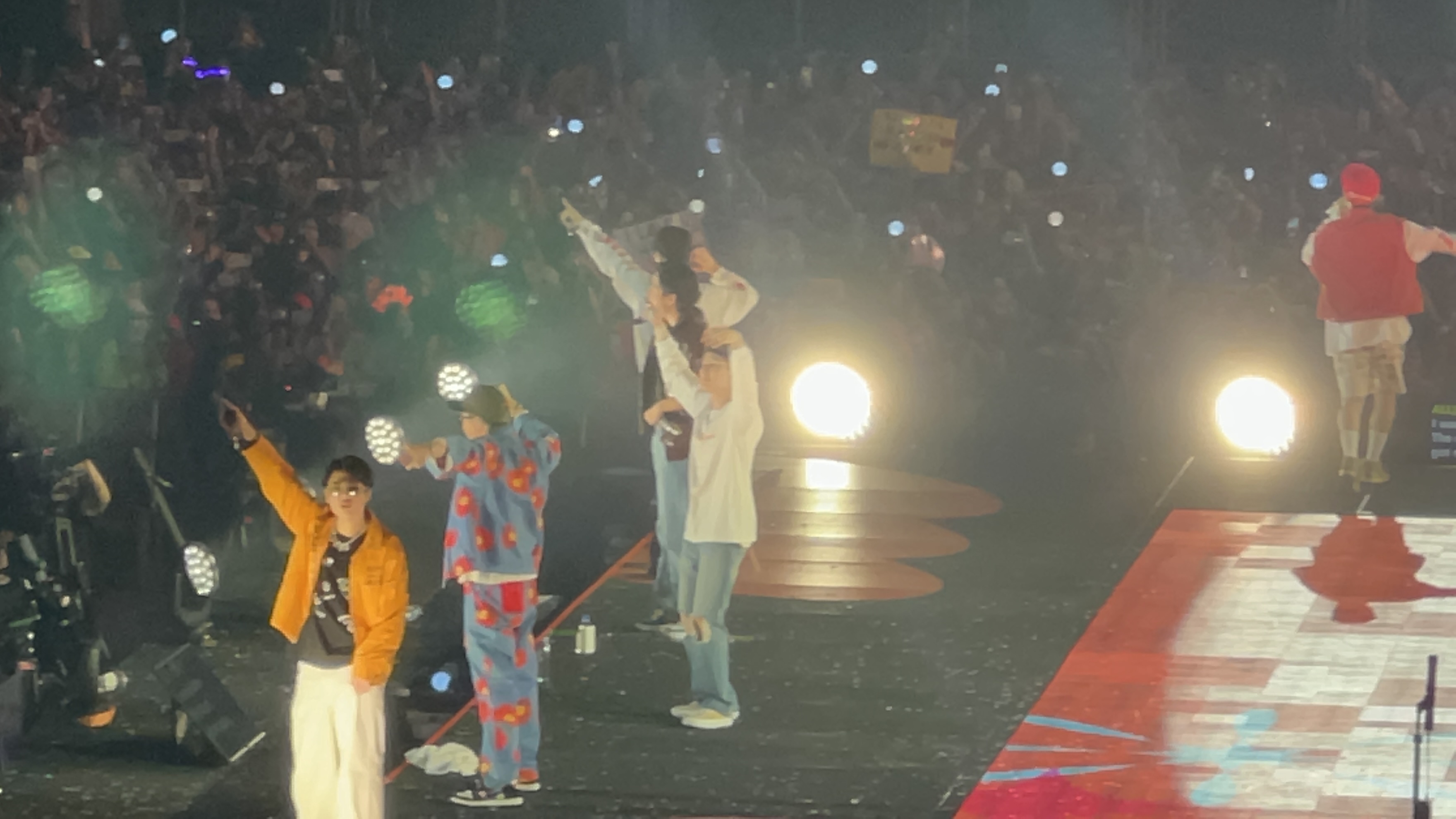
When Jennie's "Dracula" remix held in the Hot 100 top 10, or Katseye's "Pinky Up" clung to the chart in its eighth week, casual readers saw numbers. Chart-minded fans saw schedules: release drops aligned to Korean Standard Time, U.S. morning playlist pushes, and group chats assigning who buys which vinyl color variant before Friday chart locks.
Billboard's Hot 100 blends streaming, radio, and sales data each tracking week (Friday to Thursday). Idol acts without U.S. radio often depend on concentrated streaming and coordinated sales in the first 24 hours. Chart weeks are cultural logistics as much as music quality.
Release clocks and the KST-to-EST handoff
Idol comebacks default to 1 p.m. KST drops, which land between midnight and 4 a.m. Eastern depending on daylight saving. That timing is not cute global unity. It is chart math. Fans want first-day streams to register inside the same Billboard tracking window U.S. pop acts treat as sacred.
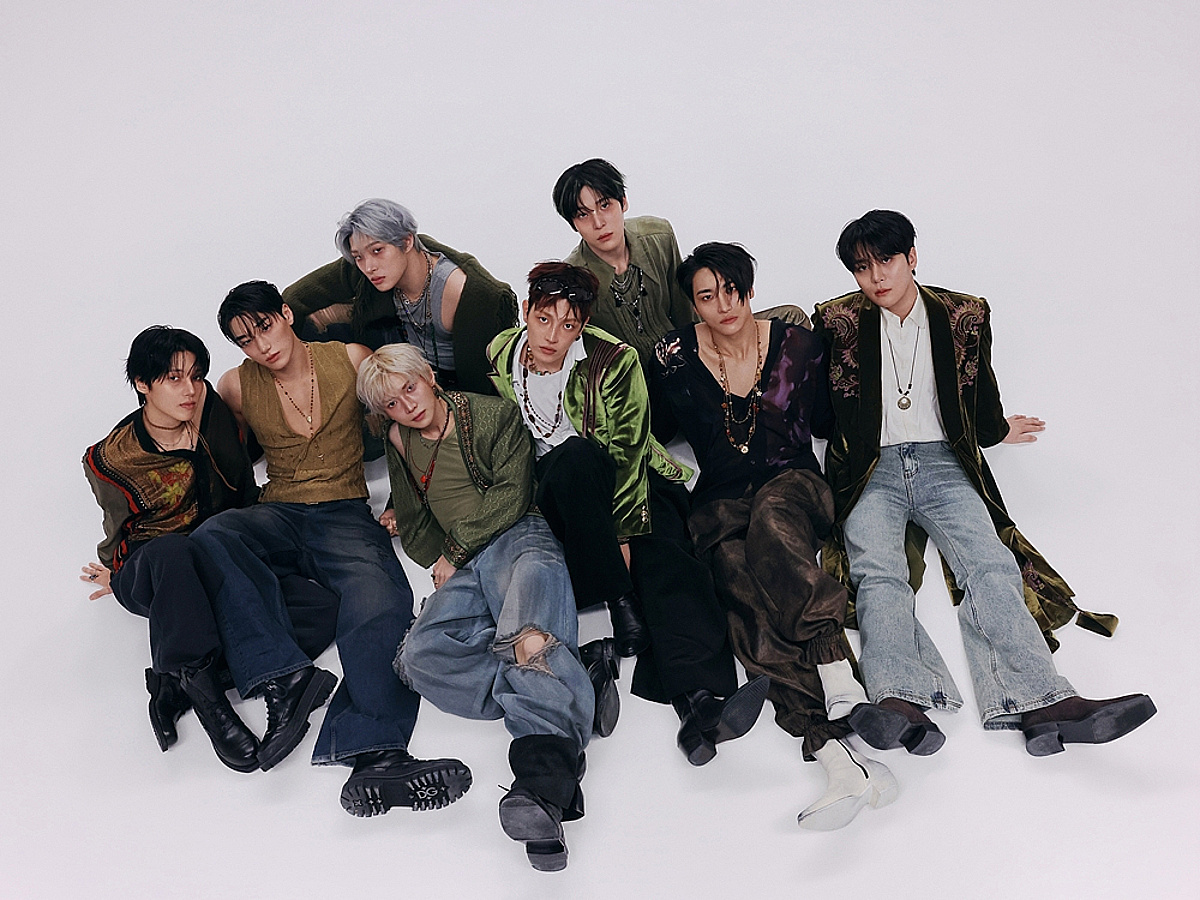
BTS comeback season retrained an entire generation of listeners to treat Tuesday night as pre-game. ATEEZ stacking a June 26 album ahead of a June 28 Hyde Park headline is the same philosophy: concentrate attention into measurable hours.
Labels also stagger time zones on purpose. A 6 p.m. KST drop (like some girl-group specials) targets evening commute listening in Korea while still catching U.S. morning playlist updates the same calendar day.
Purchasing coordination is not cheating; it is community labor
Western rock fans once camped record stores for chart wars. Idol fandom digitized the campout. Fan bases organize bulk purchases of singles and albums across multiple ZIP codes so sales register in Billboard's fragmented sample. Labels release several physical versions because each SKU can count as a separate unit when fans coordinate.
Critics call it manipulation. Fans call it the only way a non-English single competes against domestic acts with radio and playlist pipelines already wired. Goldscene's read: treat coordinated buying as distribution strategy, the same way film studios buy opening-weekend tickets through promotions.
Streaming farms versus real repeat listeners
Not all streams are equal. Billboard and industry watchers distinguish bot fraud from passionate repeat listening. The interesting middle zone is fan ritual streaming: playlists left on repeat during sleep, focus streams during work, curated "stream parties" on Discord with timers.
That behavior powers mid-chart longevity for acts without traditional radio. Katseye week eight is less about casual radio spins than about fans who keep the song in daily rotation because the group feels like their project. Translation teams posting lyric guides at midnight also extend engagement hours beyond the initial drop.
Labels stacking attention
Hybe's Iconic by Mistake triple release shows how labels manufacture overlapping chart conversations. One week, three girl groups, one algorithmic push. Independent listeners might hear clutter. Fandom economists hear efficiency.
Our fandom distribution essay argued that platforms now reward communities that move in unison. Chart logistics are the proof in numbers each Friday.
What casual fans miss
If you only read chart tweets, you miss the labor: translation teams prepping lyric guides, credit-card pools for international fans, airport meetups after chart updates, and the emotional crash when a song drops off after debut week.
Understanding logistics does not diminish the music. It explains why global pop culture feels like infrastructure plus art. The next time a K-pop act "surprises" with a Friday trailer, check the calendar for what chart week they are actually playing. The answer is usually already scheduled in a fan Discord three weeks ago.