The U.S. is now the top export market for Korean cosmetics
The United States has surpassed China as the largest importer of South Korean cosmetics, with U.S. K-beauty exports more than doubling from $841 million in 2021 to $2.2 billion in 2025.
 Anika Rao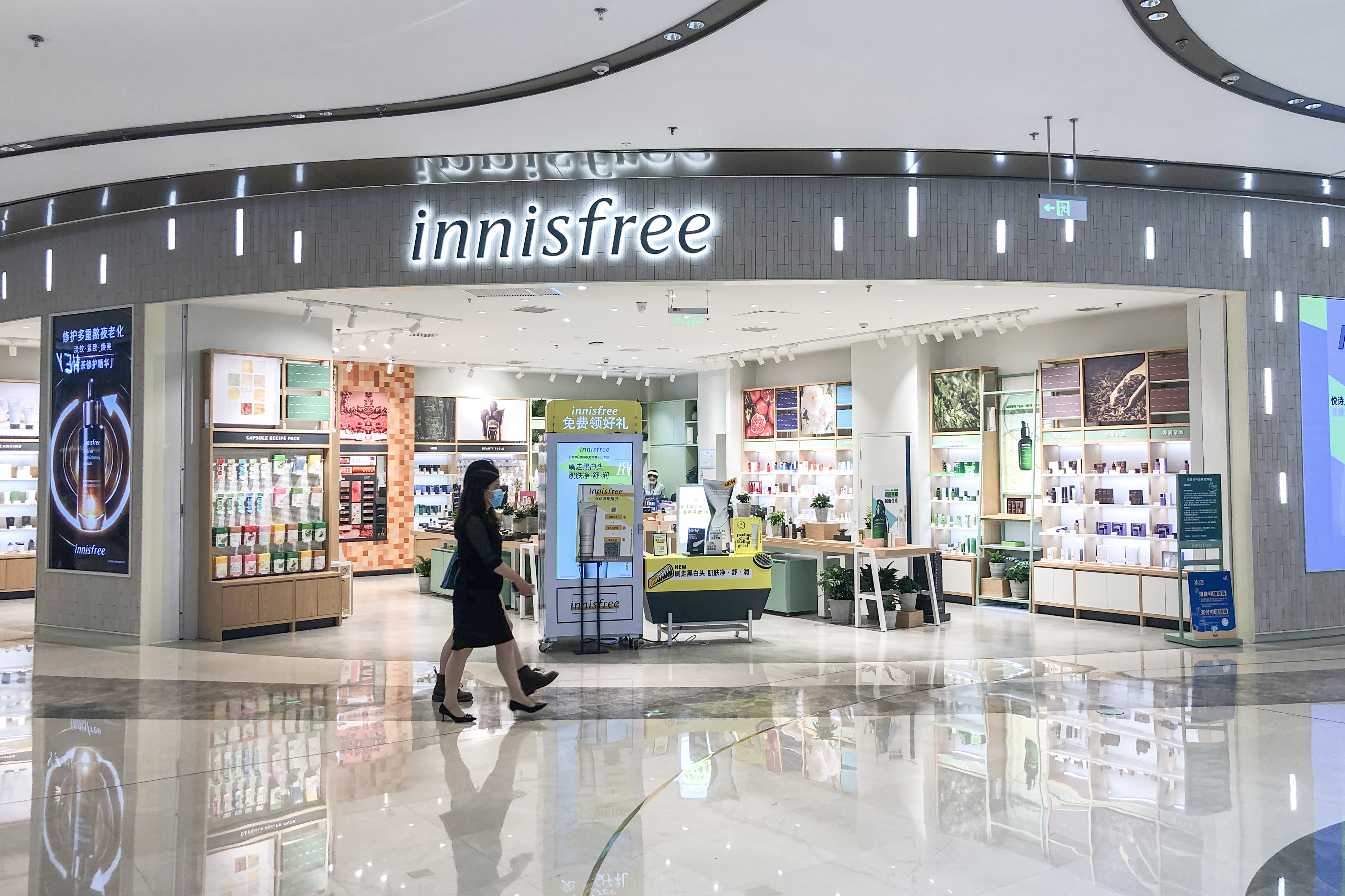
The trade map for K-beauty just flipped. The United States has surpassed China as the largest importer of South Korean cosmetics, a shift that has been building for years and is now visible in hard export numbers.
K-beauty exports to the U.S. more than doubled from $841 million in 2021 to $2.2 billion in 2025. Exports to China moved the other way, falling from roughly $4.8 billion to about $2 billion in the same period. China is still a massive market. It is no longer the default first stop for every launch calendar.
That reordering matters if you shop in North America. Korean beauty companies allocate shade ranges, packaging languages, and marketing spend toward whichever market they expect to pay back fastest.
Where shoppers actually meet the trend
Most people do not experience K-beauty as an export chart. They experience it as a endcap at Sephora, a trending serum at Ulta, a viral sunscreen on TikTok, or a suddenly crowded aisle at Walmart and Costco.
That mass-and-prestige double lane is a big part of why the U.S. number grew. A brand can enter through a $12 cleanser at a big-box store and still build prestige credibility through a counter launch weeks later. Social feeds keep the discovery loop running, especially around routines like glass skin, where short tutorials turn unfamiliar ampoules into something you feel you should already own.
The audience is widening too. Black and Hispanic creators have been central to pushing K-beauty past its early diaspora-core bubble in North America, which helps explain why the category feels mainstream in U.S. feeds even when your aunt in Seoul still thinks of certain lines as everyday drugstore picks.
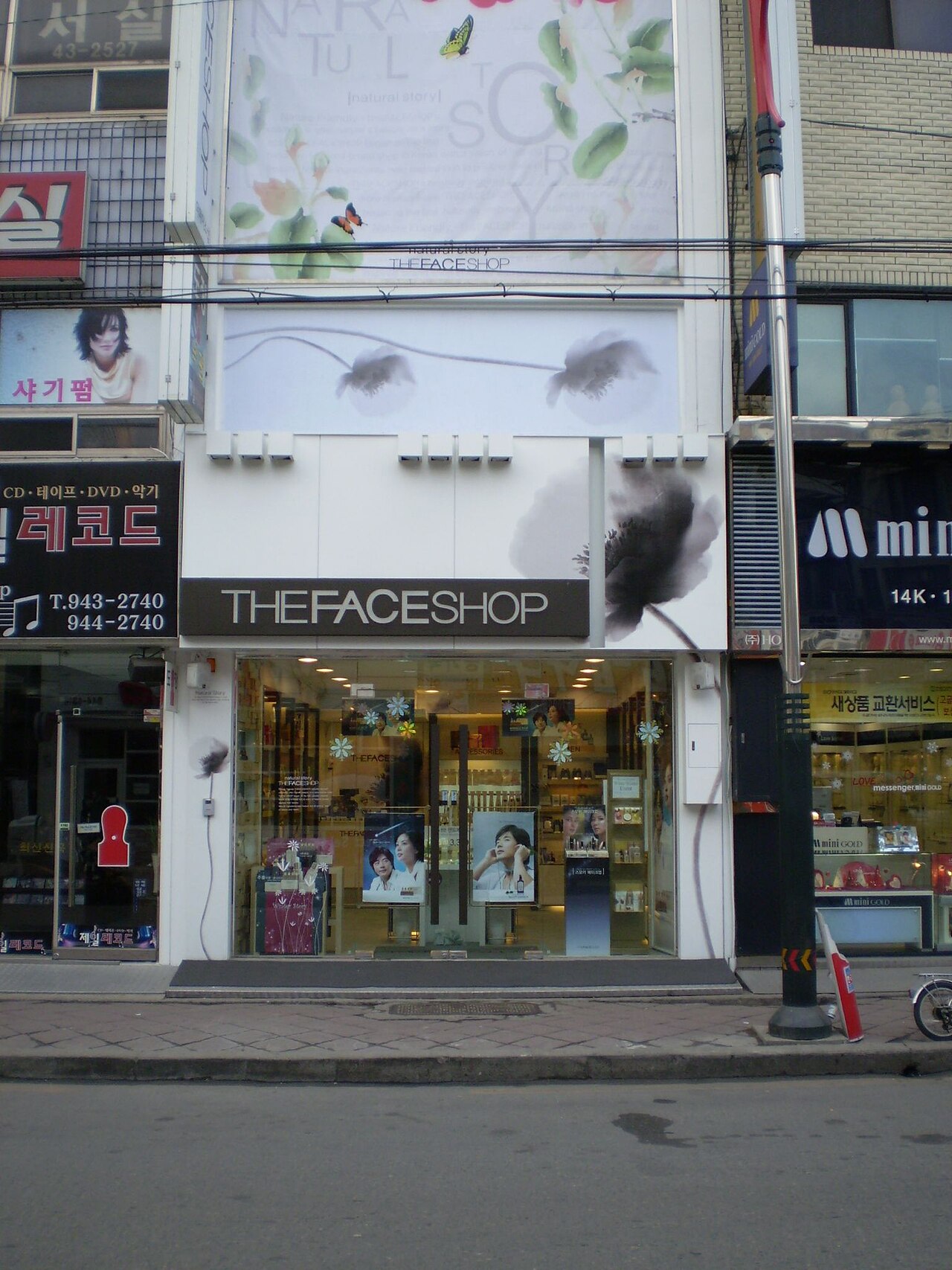
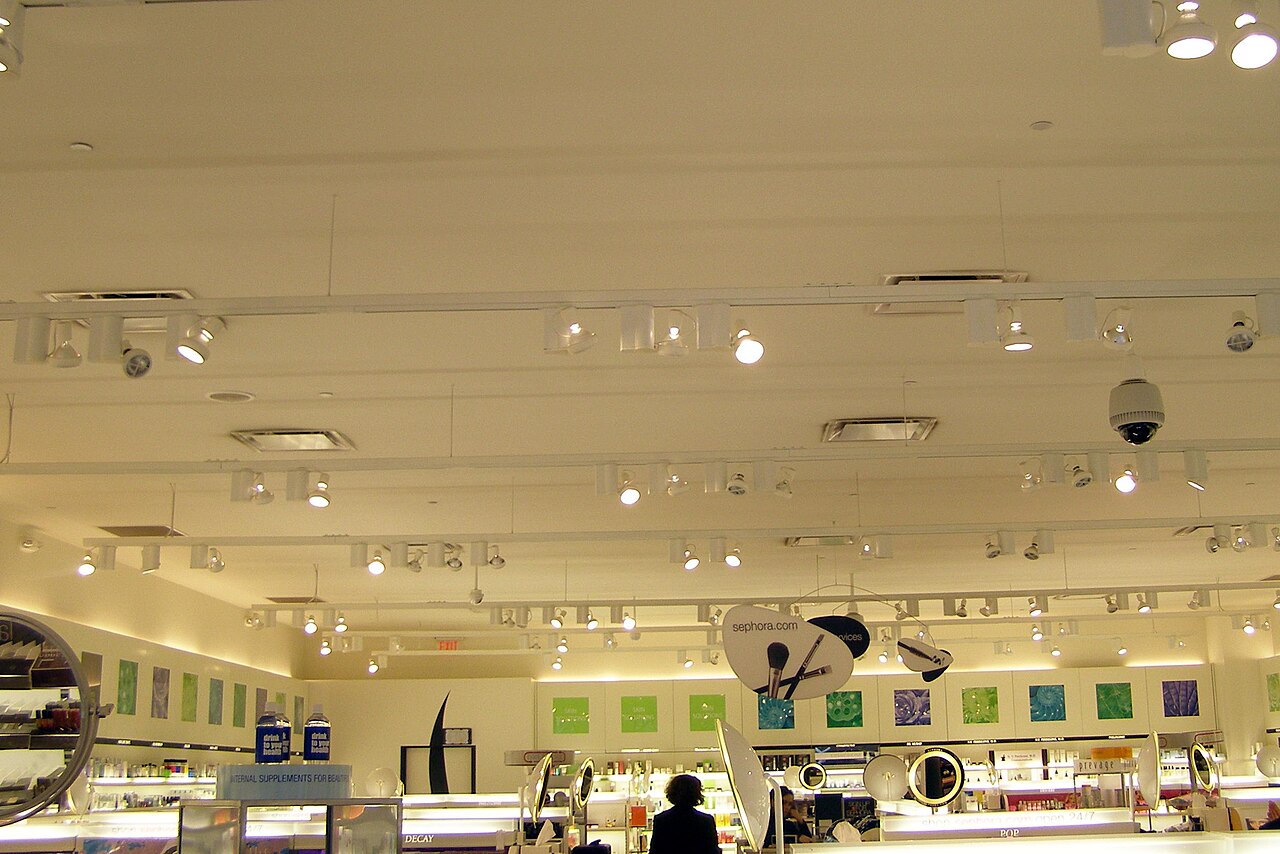
On the ground, the retail story is getting more literal. Olive Young opened its first U.S. store in Pasadena, importing the Korean health-and-beauty megastore format that many travelers already knew from Seoul haul trips. Amorepacific has been scaling in North America brand by brand, putting Laneige, CosRX, and other house labels into the same competitive shelf wars as Western prestige names. Even Sephora's store formats are shifting to make room for the kind of routine-led merchandising K-beauty trained shoppers to expect.
Why brands pulled back from China
South Korean companies did not drift away from China by accident. The pivot reflects active diversification after geopolitical tension, softer local demand, and a desire to spread risk across export markets.
China at roughly $2 billion in Korean cosmetics imports is still enormous by any normal standard. It is just no longer the automatic anchor market for every brand plan. That leaves room for the U.S., Japan, Southeast Asia, and other APAC lanes to compete harder for launch priority, marketing budget, and inventory allocation.
For North American shoppers, the practical upside is timing. More products are designed with U.S. release windows in mind: English-forward packaging, FDA-compliant labeling, and formulas that account for American climate and skin-tone ranges instead of arriving months after the Asia cycle.
What to watch on your next shopping run
We think the useful question is not whether K-beauty is "still trending." It clearly is. The question is whether the U.S.-first strategy produces better shopping for people who actually rebuy products, not just try them once because a creator posted a 15-second review.
That means watching restocks, not only launches. When export priority shifts here, brands should have stronger reason to keep hero SKUs in Sephora and Ulta back rooms, negotiate better placement, and support the kind of prestige routine merchandising that turns a viral mask into a second bottle of toner. It also means more copycat packaging and filler serums, because every trade shift invites brands with nothing distinct to say.
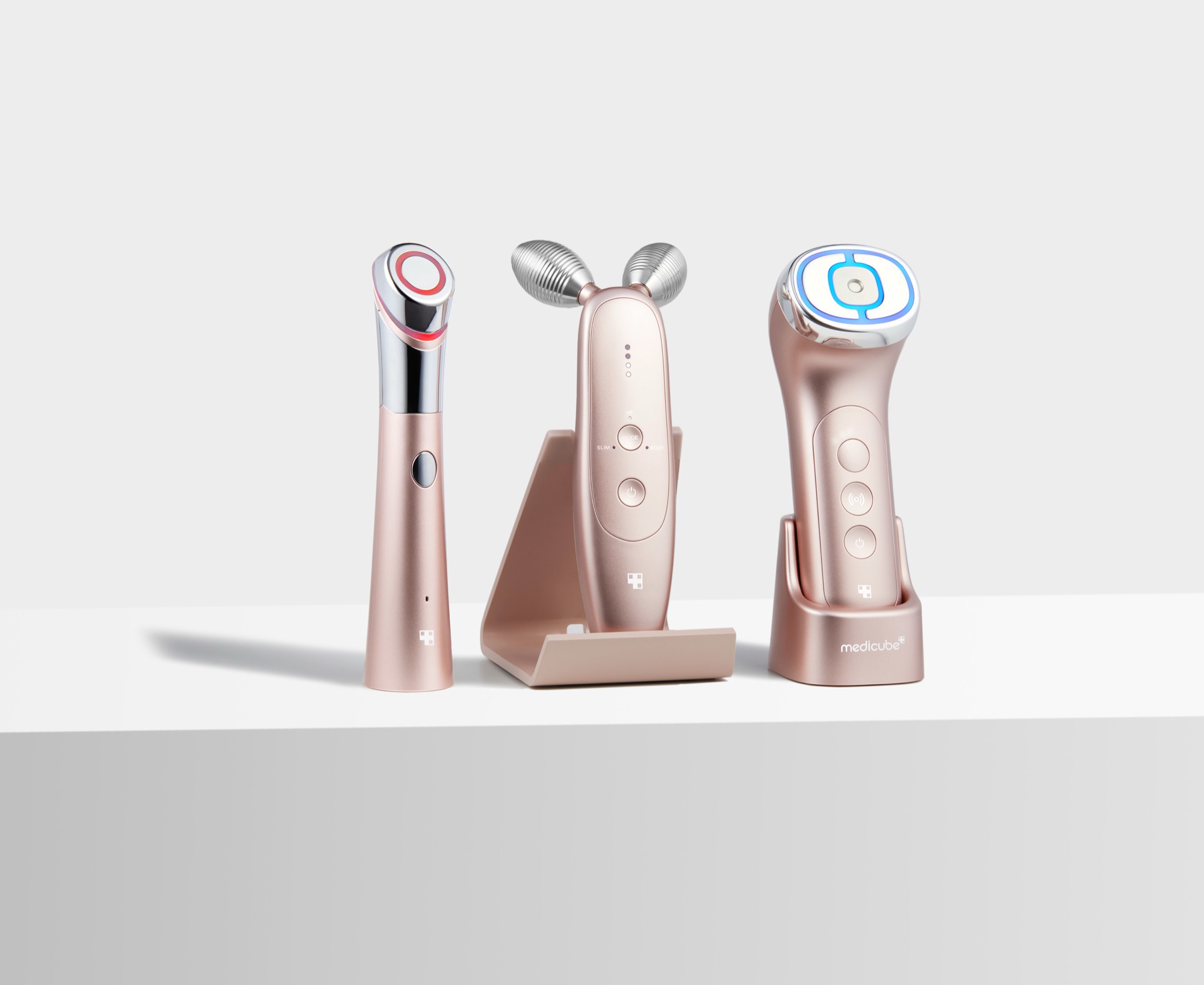
Our desk read for June: treat the export headline as background for what you already see locally. If your Pasadena Olive Young run, your Costco sunscreen find, and your Medicube basket test all feel easier than they did three years ago, this data explains why. If your favorite ampoule still sells out in six hours while a dozen lookalikes sit full on the shelf, the market is growing without every brand deserving the growth.
We are paying attention to which Korean lines invest in U.S. service and inventory, not just U.S. hype. That is the difference between a moment and a category that stays in your bathroom cabinet past one algorithm cycle.