Asian cinema had a strong Cannes year, but the business story is harder
Japanese directors led a strong Asian showing at the 79th Cannes Film Festival, even as producers face distribution pressure and flat admissions in key markets.
 Mina Park
Cannes is always two festivals at once. There is the visible one: photographers, premiere nights, jury prizes, and the global gossip circuit that turns a three-minute standing ovation into a career forecast. Then there is the business festival happening in hotel suites and market corridors, where producers argue about co-production structures, territory rights, and whether theatrical windows still matter in markets where admissions have gone flat.
Asian cinema showed up strongly on the first stage this year. Japanese directors, in particular, helped anchor a notable Asian presence at the 79th edition of the festival. The second stage is where the story becomes useful for diaspora readers who follow film as both art and infrastructure.
What happened on the Croisette
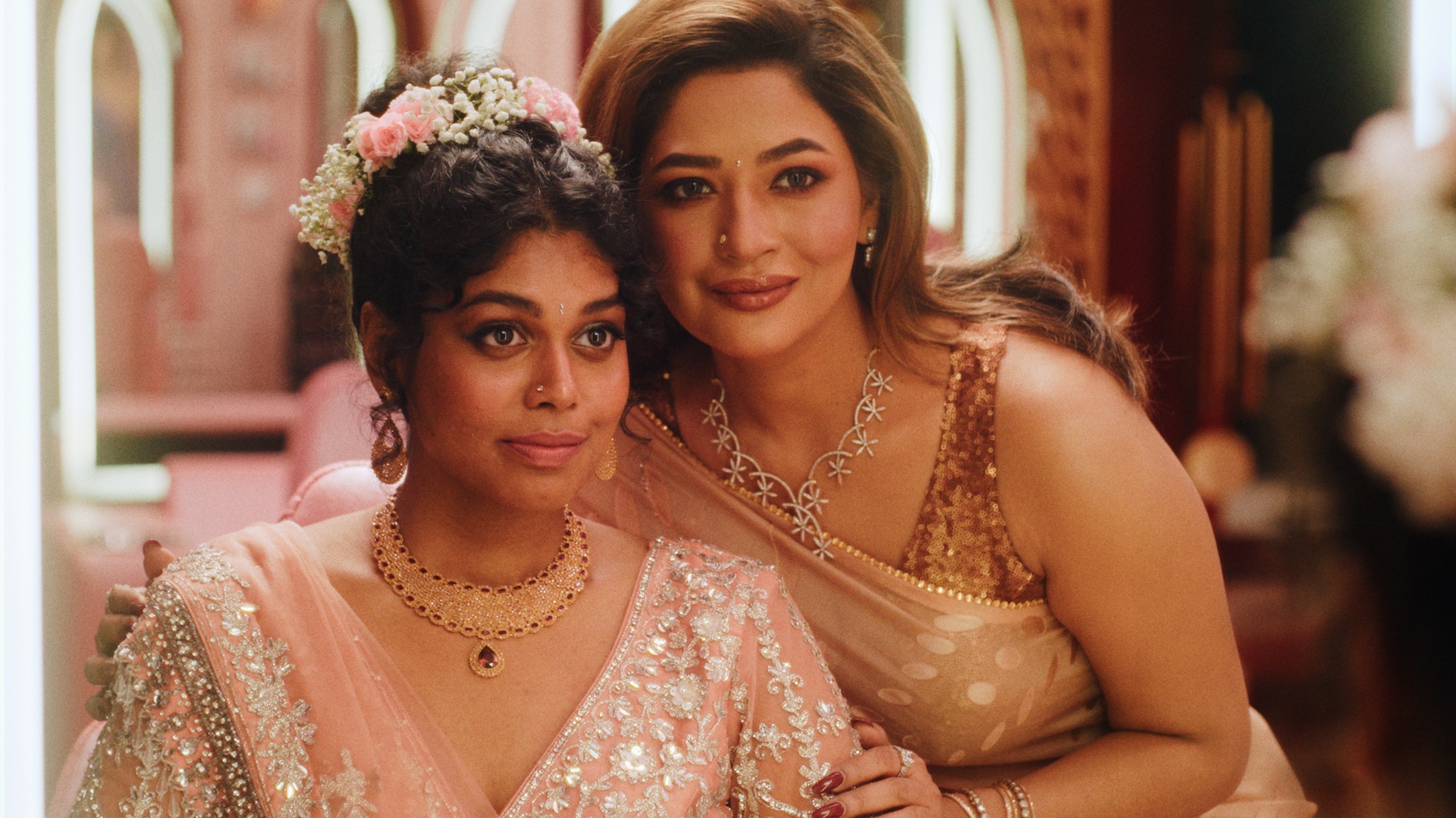
Japanese filmmakers led a robust contingent of Asian titles at Cannes in 2026. Ryusuke Hamaguchi's "All of a Sudden" competed for the Palme d'Or, keeping Hamaguchi in the conversation after years in which his work has moved between festival prestige and careful international rollout. The festival also produced a shared acting prize with Asian talent at the center of the frame. French actress Virginie Efira and Japanese actress Tao Okamoto were among the performers recognized at the photo call and awards conversation around Hamaguchi's film.
For audiences who discovered Hamaguchi through the slow-burn emotional precision of "Drive My Car," a Cannes competition slot is not just validation. It is distribution leverage. That matters because Asian festival films rarely struggle for poetry. They often struggle for shelf space after the yachts leave.
Why the business mood was cautious
Cannes applause does not amount to a full industry recovery. Asian producers and executives point to harder structural problems: widening distribution rights across regions, co-production deals that can stabilize budgets, and admissions growth that remains uneven depending on the country you are measuring.
That caution tracks with what many diaspora viewers already sense from the outside. We can stream more than ever, yet theatrical windows for non-English language work remain fragile outside a few gateway cities. A title can win respect in France and still face a patchwork release in North America, where marketing dollars cluster around known IP, established auteurs, or one breakout genre hook. Cannes helps with all three, but it does not replace them.
Co-production is the quiet headline
One recurring Cannes business theme is co-production. For Asian filmmakers trying to work at scale, cross-border financing is less a creative flourish than a survival strategy. Co-production can unlock tax incentives, attach international sales agents, and give a domestic drama a credible path into European festival sections and North American specialty houses. It can also dilute creative control if partners push casting, running time, or ending changes to satisfy multiple markets at once.
Diaspora audiences rarely see that tension on screen, but they feel it in release patterns. The version that wins jury favor may not be the version that gets a same-week launch in Toronto, Los Angeles, or Singapore. Sometimes the delay is legal. Sometimes it is marketing. Sometimes it is a distributor deciding your film is "festival" but not "wide."
Japan as bellwether, Asia as ecosystem
Japanese directors led this year's Asian Cannes showing, but the implications are wider. South Korean, Chinese, Southeast Asian, South Asian, and diaspora co-productions all compete in the same rights ecosystem. When one market's producers are candid about admissions pressure, it usually signals pressure upstream for everyone trying to finance ambitious camera work, period costuming, or VFX that cannot be hidden on a laptop screen.
That is why festival success for Asian cinema in 2026 is best read as a split screen. On one side: artistic momentum, acting prizes, and the soft power of being discussed in international press at the right time. On the other: spreadsheets, output deals, and the unglamorous question of who pays for subtitles, dubbing, and a marketing campaign that reaches beyond core cinephiles.
After Cannes: releases and routing
If you follow Asian film from Vancouver, Houston, London, or Sydney, Cannes is a calendar marker, not a conclusion. The useful questions are practical. Which titles from the Asian lineup secure North American distributors? Which ones arrive as week-long theatrical runs versus day-and-date streaming drops? Which partnerships announced at the market turn into real co-productions within twelve months?
Those answers determine whether festival glow converts into something you can actually watch in a cinema with a friend who does not read trade press.
Asian cinema did not merely attend Cannes in 2026. It competed, won attention, and put performers and directors in the global conversation. The industry picture shows that the harder battle begins when the festival ends. The next chapter is not only about which director "won Cannes." It is about which films get built, financed, and released in a way that lets audiences far from the Croisette see them on their own terms.