Ding Ding TV's Diana Ding steps into the 2026 AAPI Awards spotlight
Diana Ding founded Ding Ding TV in 2009 to give Asian American communities in Silicon Valley a stronger platform for stories and cultural perspective, work recognized in the 2026 AAPI Awards cycle.
 Mina Park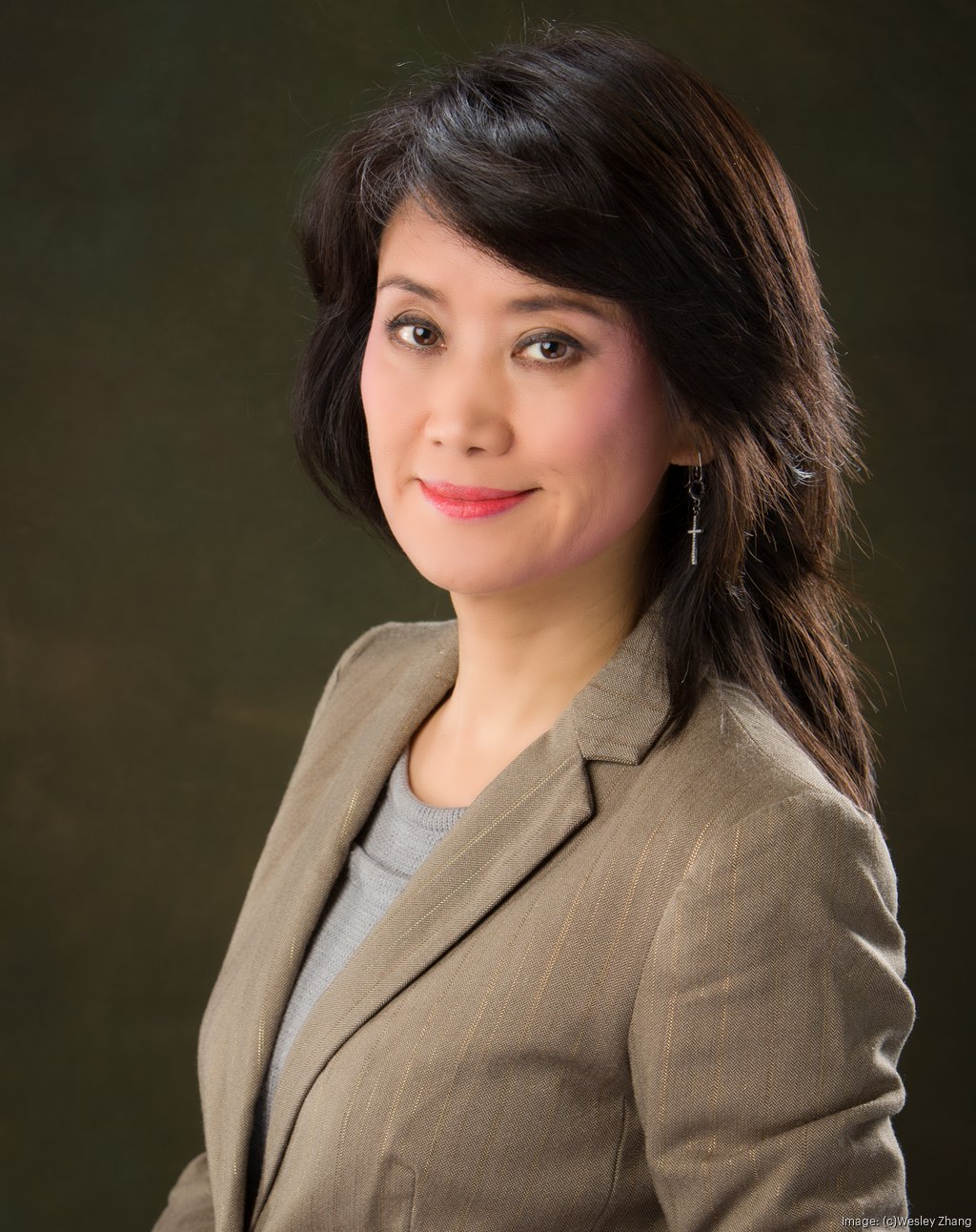
When the 2026 AAPI Awards cycle put community media back in view, Ding Ding TV and founder Diana Ding landed at the center of the story. The channel launched in 2009 with a mission that sounds simple until you try to do it: give Bay Area Asian American communities room to tell their own stories without defaulting to a mainstream newsroom frame.
That matters because most people do not live on one feed. Netflix and the national networks own the big headlines, but ethnic and community outlets still carry the school board fights, small-business corridor openings, and cultural programming calendars that actually change weekend plans.
If you grew up toggling between English-language news and a parents' language channel, you already know the split. One tells you what happened in Washington. The other tells you what happened on your block.
Why Silicon Valley is the right case study
You do not have to live in the South Bay for this story to land. A disproportionate share of Asian American media infrastructure, tech-adjacent entrepreneurship, and community organizing runs through the corridor between San Jose and San Francisco.
Ding Ding TV sitting in that ecosystem, and earning recognition around the AAPI Awards, is a signal that independent outlets still carry institutional weight, not just archive nostalgia on a YouTube channel.
Community platforms also fill a gap national outlets rarely touch: hyperlocal stories that affect immigration policy debates, merchant associations, and cultural festival funding in neighborhoods where Asian American populations are dense but not always centered in prime time.
What to watch next
Follow whether Ding Ding TV expands digital distribution beyond the Bay Area core, and whether the AAPI Awards cycle translates into new programming deals or sponsor lanes for other community outlets.
If you care about how Asian American stories get funded, Ding Ding TV is a useful counterweight to streaming hype. The platforms that shape how your community sees itself are often not the ones trending on your phone.
Ding's track record includes the award context and a community-media revenue model.