Hallmark's mahjong movie draws criticism over casting
Hallmark faced pushback on Hallmark's All's Fair in Love and Mahjong, with critics pointing to an awkward gap between the game's Asian roots and the leads on screen.
 Mina Park
Hallmark's All's Fair in Love and Mahjong is getting attention for the wrong reasons before premiere. The film has drawn criticism over its representation approach, including frustration that a story tied to a deeply Asian game does not center Asian leads in the way many viewers expected.
The cast includes Tamera Mowry-Housley, Paul Campbell, Yan-Kay Crystal Lowe, Melissa Peterman, and Fiona Gubelmann. The tension is familiar: a brand built on comfort viewing steps into cultural material, and audiences immediately read casting as a trust signal.
Why mahjong makes the fight specific
Mahjong is not a quirky prop. For many Asian American families it is a weekly ritual, a language of competition and connection passed between generations at the same table.
A film built around that game carries expectations that go beyond plot. When the leads on screen do not reflect the communities most closely tied to mahjong's history, the gap between the game's roots and the faces in frame becomes the story before anyone debates chemistry or pacing.
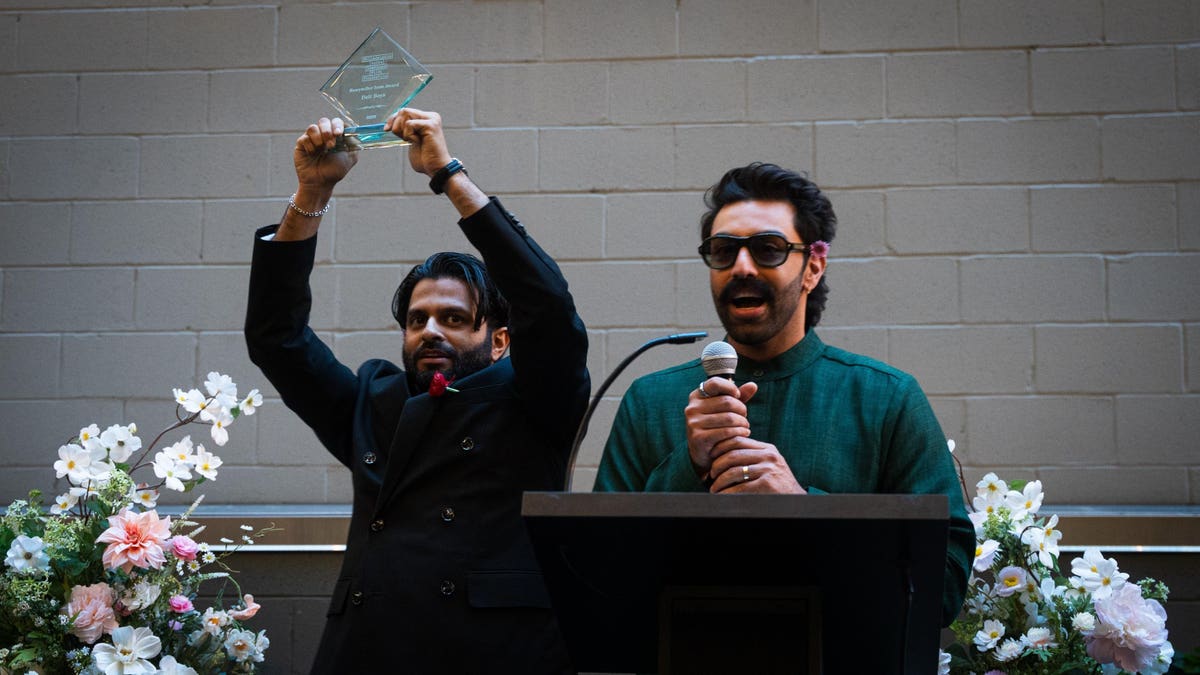
Philip Wang of Wong Fu Productions joined the criticism on social media, even though Wong Fu is not producing the film. His "Collective ancestral sigh" post joined the pushback.
Wong Fu spent years building credibility through storytelling that centers Asian experiences, which made Wang's reaction a notable amplifier in a conversation that was already building on its own.
Comfort TV is not a shield anymore
Representation debates travel into every genre now, including holiday-style romance and hobby-driven plots, not just prestige drama. Hallmark's audience expects warmth and familiarity, but many viewers have learned to read casting as a trust signal before they commit two hours.
If a film borrows mahjong's cultural frame without honoring who mahjong belongs to, it reads as extraction, not celebration. That pre-premiere conversation matters for anyone deciding whether the movie deserves their time.
Our read: this is less about whether Hallmark can tell Asian stories and more about whether brands understand that game culture carries lineage. Mahjong is not chess night at the lodge. It is family archive.
Watch whether Hallmark adjusts marketing or supplemental materials after premiere reactions, and whether future hobby-driven projects center Asian creatives behind the camera, not only in the background of the plot.