Eunnuri Lee's protest critique asks who gets to turn politics into personal content
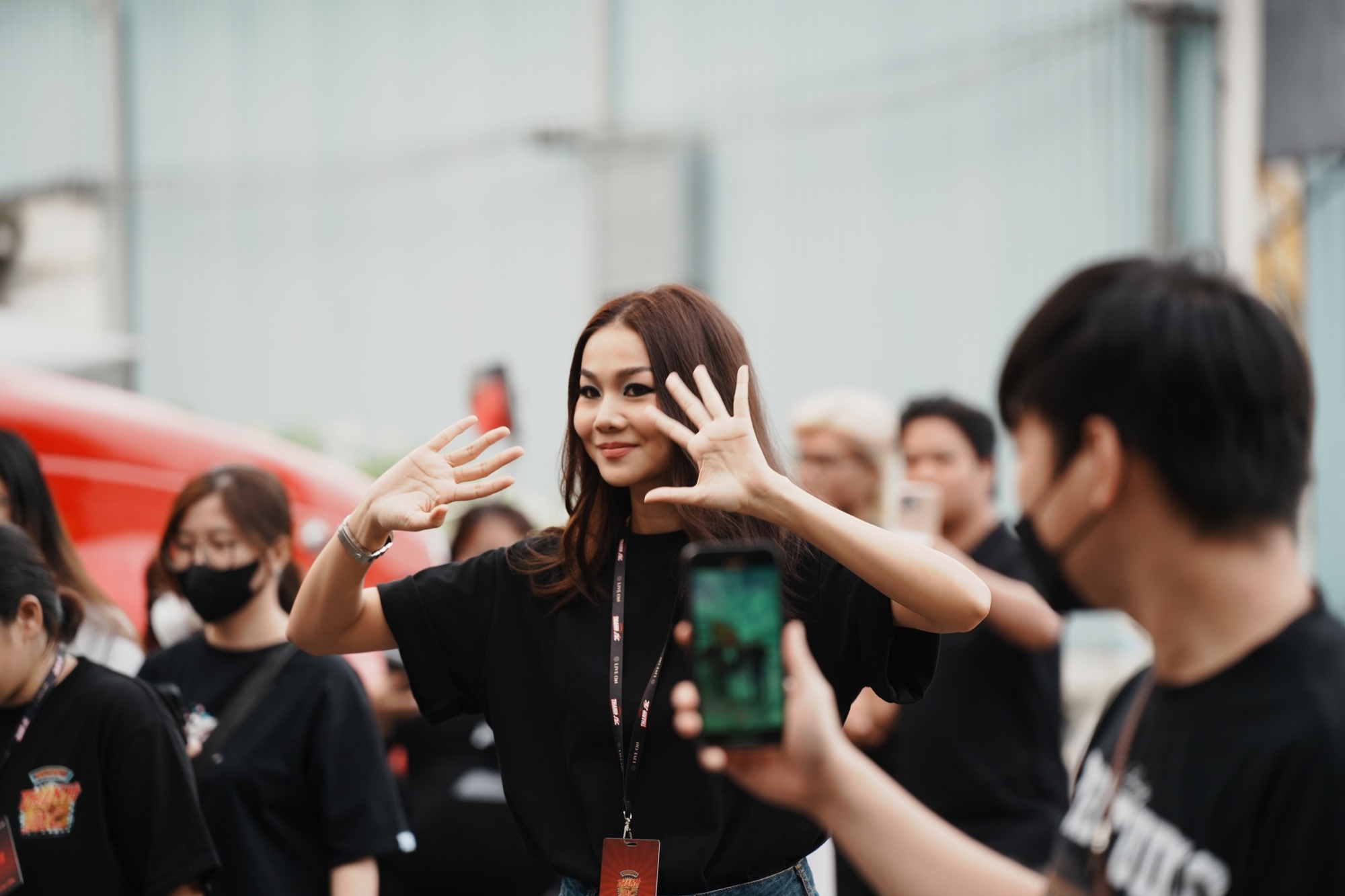
Creator Eunnuri Lee argues in a TikTok get-ready-with-me video that white activists too often center self-expression at protests, turning solidarity into spectacle and content.
 Mina Park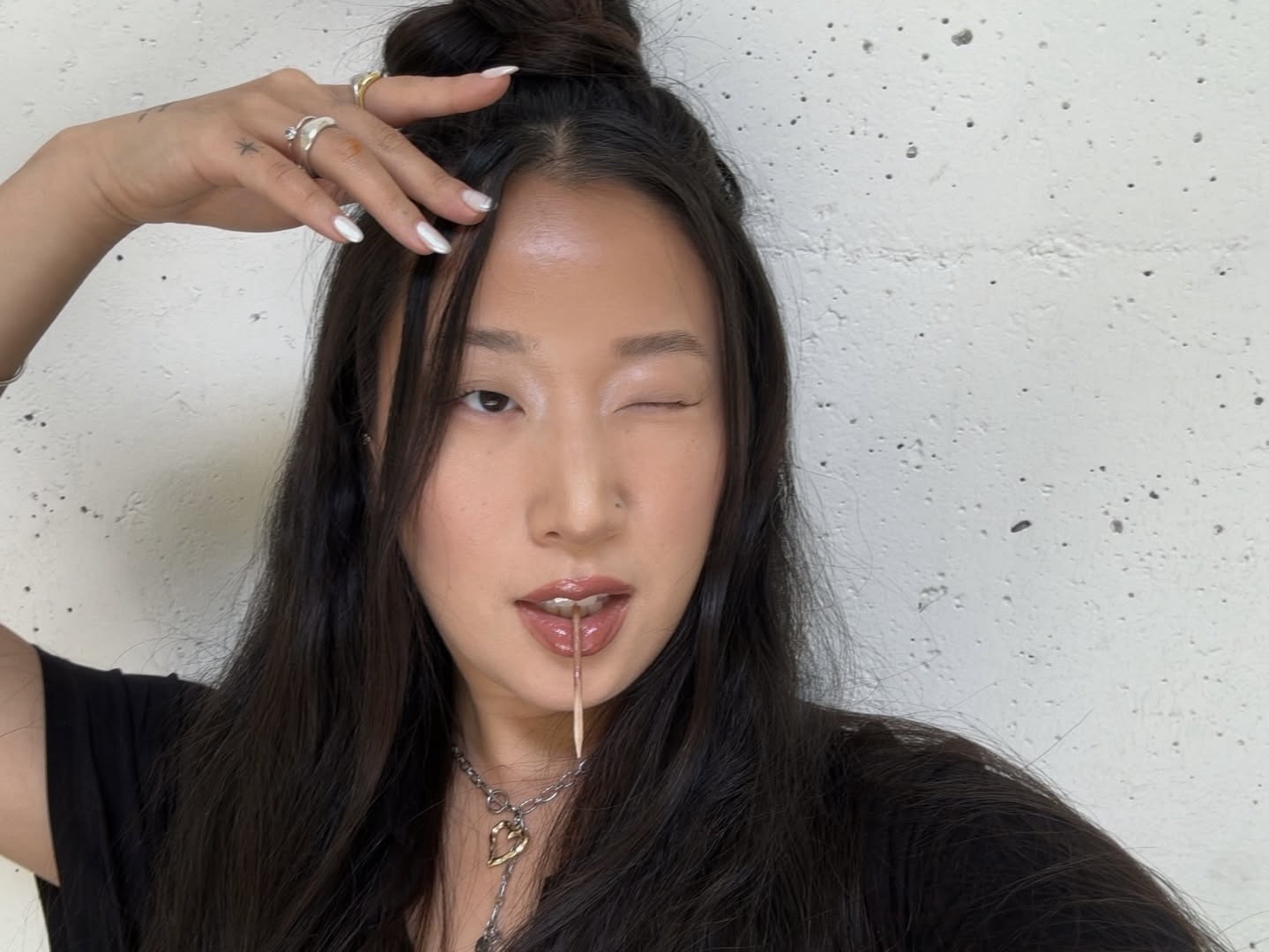
A protest is not a red carpet. That sounds obvious until you scroll through footage from recent demonstrations and realize how often political urgency gets styled like a personal brand moment. Asian influencer Eunnuri Lee made that tension explicit in a TikTok get-ready-with-me video that Yahoo republished through Where Is The Buzz. Her argument is not anti-protest. It is anti-centering.
Lee's critique landed amid renewed conversation about performative activism, especially after increased visibility around a white cosplayer at a "No Kings" demonstration dressed as Katsuki Bakugo from "My Hero Academia."
The line Lee drew
Lee's framing is blunt. Even in rallies organized against authoritarianism, racism, xenophobia, deportation, state violence, and fascism, she says, a white participant can still find a way to make the moment orbit around self-expression. She acknowledges that the cosplayer may have had a strategy to attract attention and raise donations, but she still calls the choice indulgence when the person already understands that whiteness grants extra latitude in how protest space is occupied.
"If you know your whiteness gives you privilege to turn a protest into a cosplay and you do it anyway, that is not awareness. That is indulgence," she said. That sentence is doing a lot of work. It is not arguing that creativity has no place in dissent. It is arguing that content logic, when it becomes the primary logic, can flatten the stakes of the event itself.
Why cosplay made the argument sharper
Cosplay is not the villain in Lee's video. Fandom communities know how much craft, identity, and community care can live inside a costume. The issue is context. When a demonstration is framed through anime hero aesthetics without regard for who bears the risk in that space, the image can read as playful to some viewers and alienating to others who are protesting conditions that target their bodies, families, or immigration status.
Lee also raises Ashley Gail Paxton, the African American cosplayer known online as Squid Kid, who died by suicide after harassment from white cosplayers on TikTok. She asks why Paxton's death has not received the same sustained conversation within cosplay circles. That pivot matters because it connects spectacle to consequence. The conversation is not only about one viral clip at one march. It is about whose pain becomes community memory and whose performance becomes shareable content.
Aesthetics can pacify criticism
One of Lee's most quoted lines is that aesthetics pacify criticism. It is a useful phrase for audiences who move between fandom spaces and political ones. A polished visual can make a protest moment feel legible to people who might otherwise scroll past, but legibility is not the same as usefulness.
Lee warns that when activism becomes pure spectacle, people start mistaking visibility for solidarity. Attention becomes proof. Attendance becomes absolution. She pushes back on that math. "Not every serious political moment needs to be filtered through the lens of your brand," she said. "A protest isn't Comic Con." That comparison will sting in fandom corners, which is partly why it traveled.
What Lee says she is not against
Lee does not reject humor, creativity, or artistry at protests. She draws a narrower line around filming performances primarily to convert them into content. The distinction is intent and proportion. Can a march include art? Yes. Must that art be captured, edited, and posted as personal brand reinforcement? Lee's answer is skeptical, especially when the poster benefits from racial privilege in the same space where others face heightened scrutiny.
Her closing emphasis is on decentering. White participants, in her framing, need to understand when to step back from the aesthetic spotlight even if the costume is clever and the sign is loud.
The comment section became part of the story
Commenters piled on with additional examples of performative behavior at other demonstrations. Some pointed to sexualized or racialized signage at Black Lives Matter rallies. Others criticized posters and slogans at anti-ICE protests that centered male desire instead of the policy stakes at hand. Another recurring theme in the comments is uneven accountability: white participants often receive benefit-of-the-doubt framing, while people of color face swifter judgment for smaller missteps. That double standard is familiar in creator ecosystems too.
Why this belongs on Goldscene
This is not a celebrity gossip item in the traditional sense. It is a creator culture story about how diaspora and Asian digital voices are negotiating public space, fandom grammar, and political seriousness at the same time. Lee is not issuing a policy brief. She is doing what influential creators increasingly do: translate a messy public argument into language their audience can reuse.
For readers who live between group chats, marches, and convention halls, that translation is culturally significant even when you disagree with her conclusions.
Eunnuri Lee's video is a pressure test for anyone who treats politics as content fuel. She leaves room for art in protest and rejects the idea that showing up in costume automatically equals showing up for the cause. After her critique, the useful question is not "cosplay yes or no." It is whether the image you are posting makes the movement clearer, or makes you the main character.