Amorepacific and LG H&H are selling assets while APR owns the K-beauty boom
Amorepacific is shopping its underused Anseong health-supplement plant, and LG H&H is auctioning beverage unit Haitai HTB, while APR's market value has already outrun both conglomerates combined.
 Anika Rao
Amorepacific and LG Household & Health Care built modern K-beauty. In July 2026, both are selling pieces of themselves to stay inside it. Amorepacific is shopping its Anseong health-supplement plant after weak utilization. LG H&H is running a preliminary auction for beverage subsidiary Haitai HTB, with letters of intent due this month. The official language is portfolio efficiency. The competitive math is harder: the boom is real, and the Big 2 are no longer the companies pricing it.
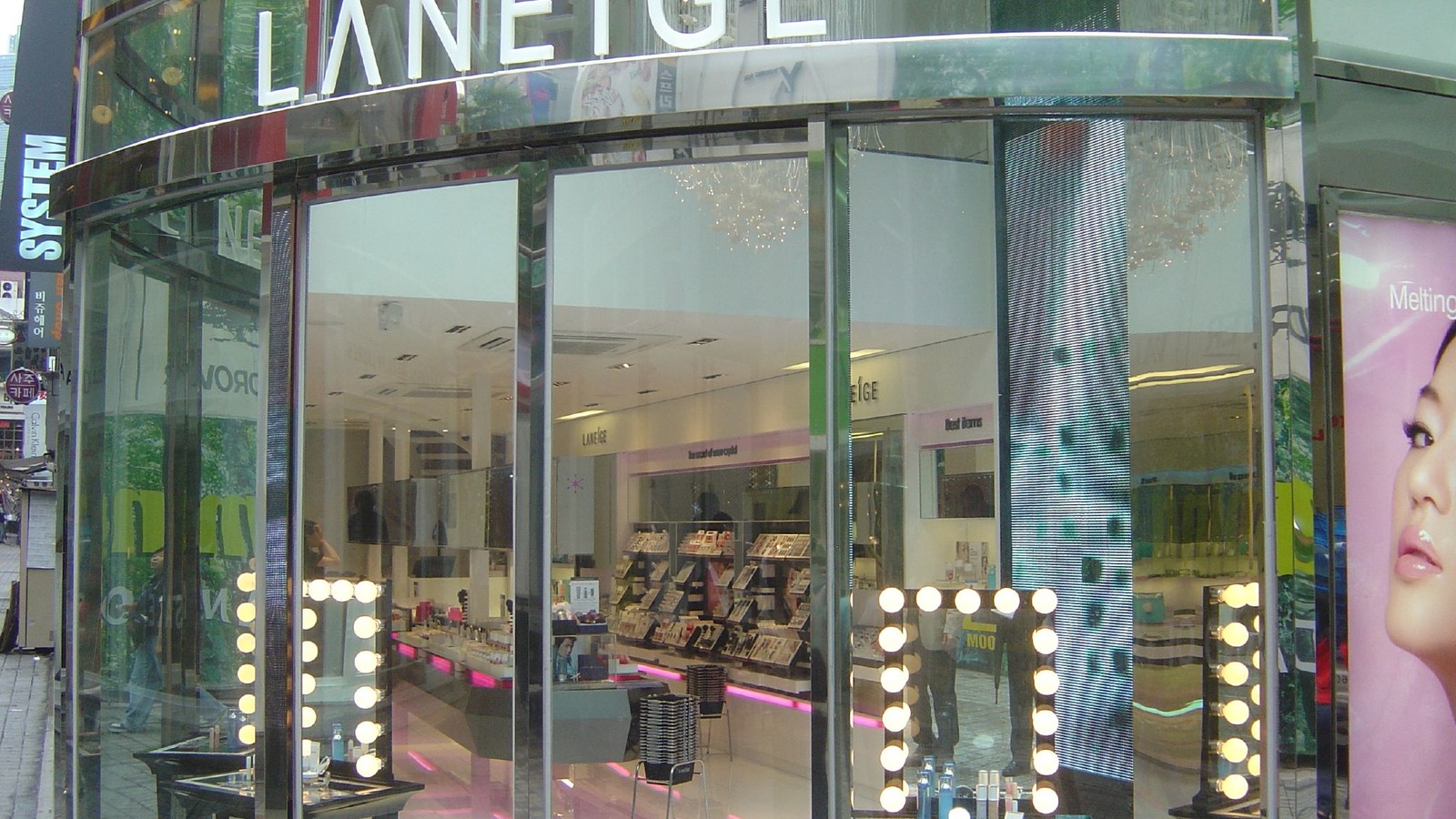
Start with Amorepacific. The Anseong facility dates to 1989 under Pacific Pharmaceutical, later Aestura, and became a Vital Beautie production hub after Amorepacific folded Aestura in. Last year its operating rate fell to about 46 percent, with annual output around 171 billion won. The company says Vital Beautie stays; production moves to Amore Beauty Park in Osan beside Sulwhasoo and Laneige lines. The sale follows late-2025 work to unload regional offices in Busan, Daegu, Daejeon, and Gwangju. Cash from noncore real estate is meant to fund sharper cosmetics bets, including the North America lane Amorepacific has been rebuilding around Laneige, Cosrx, and Aestura after buying Cosrx into the group.
LG H&H's move is bigger and blunter. Haitai HTB, wholly owned since 2011 and known for fruit drinks and energy brands, posted about 343 billion won in sales last year and roughly 7 percent of group EBITDA in company framing. Market talk puts the sale near 300 billion won, with Samjong KPMG advising. Proceeds are widely read as beauty M&A powder. That reading got sharper after LG H&H walked away from Torriden in May 2026 when valuation talks, reportedly near 500 billion won, would not close. Torriden's sales had already climbed into the mid-200 billions. Paying conglomerate multiples for an indie that already works is exactly the bind.
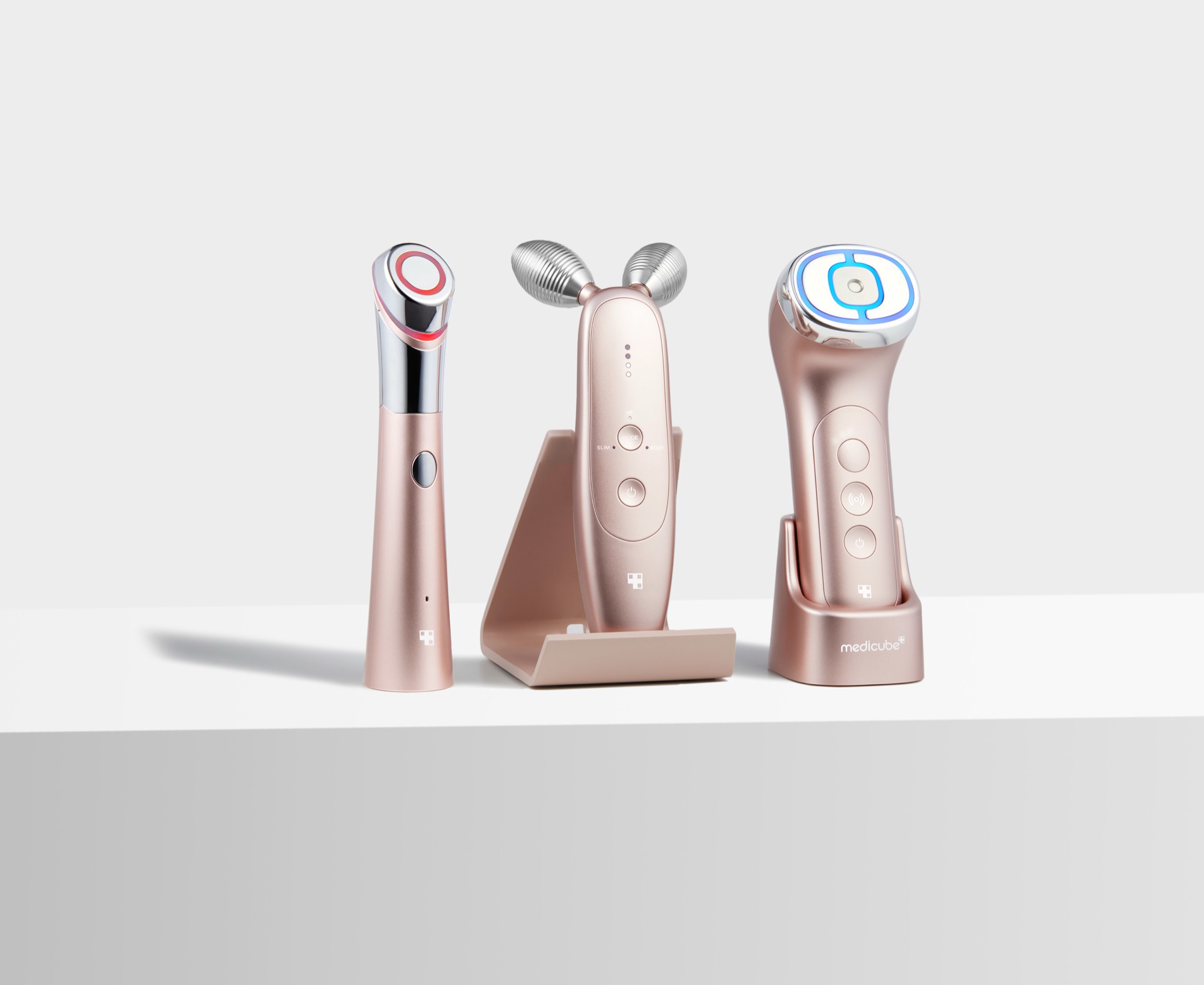
The reason the sales feel like a chase is sitting on the exchange board. APR, the Medicube parent, reported about 1.53 trillion won in 2025 revenue and 365 billion won in operating profit, with roughly 80 percent of sales overseas and a mid-20s operating margin. By mid-2026 its market capitalization has hovered near 15 trillion won, larger than Amorepacific and LG H&H combined in multiple Korean reports. Goodai Global, the holding company behind Beauty of Joseon, TIRTIR, Round Lab, SKIN1004, and Skinfood, is preparing an IPO with talk of a 10 trillion won ask. Cosmax and Kolmar Korea keep posting record ODM years because those indie brands do not need chaebol factories to ship TikTok SKUs to Ulta and Amazon.
Export geography seals the point. Korea's cosmetics exports hit a record $11.4 billion in 2025, with the United States overtaking China as the top destination. That is the market APR and Goodai already optimized for. It is also the market where Amorepacific's Cosrx bet and LG H&H's Sephora pushes matter most, and where China-heavy luxury portfolios have been the drag.
Our read: Selling Anseong and Haitai is not proof the old kings are finished. It is proof they finally admit the second K-beauty boom is an indie-and-ODM machine, not a Sulwhasoo-and-The Whoo inheritance. Amorepacific already tried the smarter version of the chase by buying Cosrx. LG H&H tried Torriden, flinched on price, and is now raising cash the slow way. For diaspora shoppers, the shelf already told the story. The corporate balance sheets are catching up.