The Diwali Luxury Season Has Arrived
What used to be treated as a regional cultural moment is now a global signal for jewelry, beauty, fashion, travel, and the South Asian diaspora's spending power.
 Anika Rao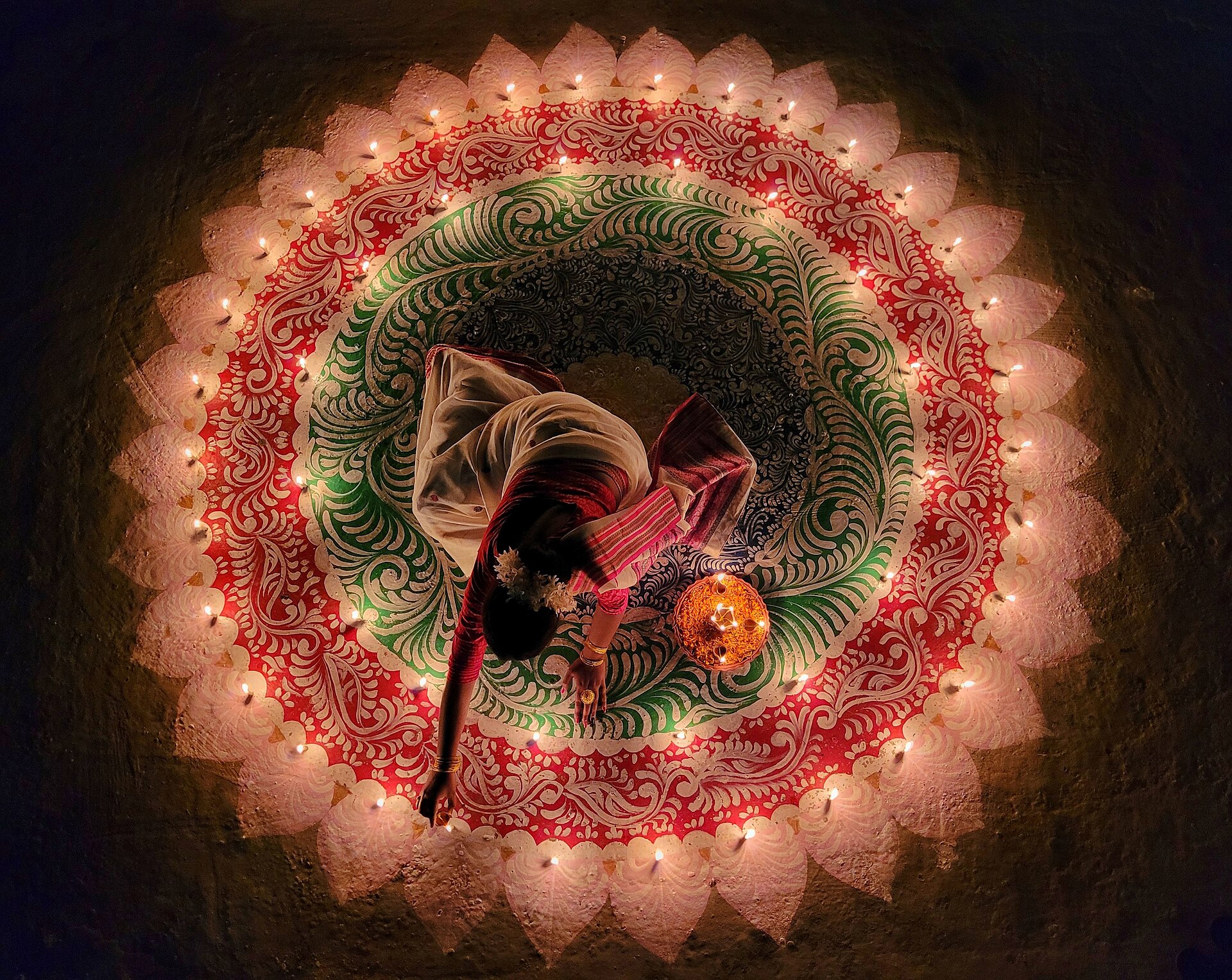
The WhatsApp thread starts in late September, politely, then escalates into logistics. Who is hosting dinner in Edison this year, or Artesia, or the cousin's place in Vaughan. Whether the Vancouver flight is worth it. Which auntie found a "reasonable" gold rate. Whether the beauty appointment in Jackson Heights is already booked. Whether the sherwani still fits, or whether that is a compliment or a threat.
Nobody calls this a shopping season out loud. They call it family. But the emotional math is commercial: you show up well, you gift well, you photograph well, you leave with your dignity and your jewelry box intact. Diwali is visibility season. That is why luxury has finally learned to take it seriously.
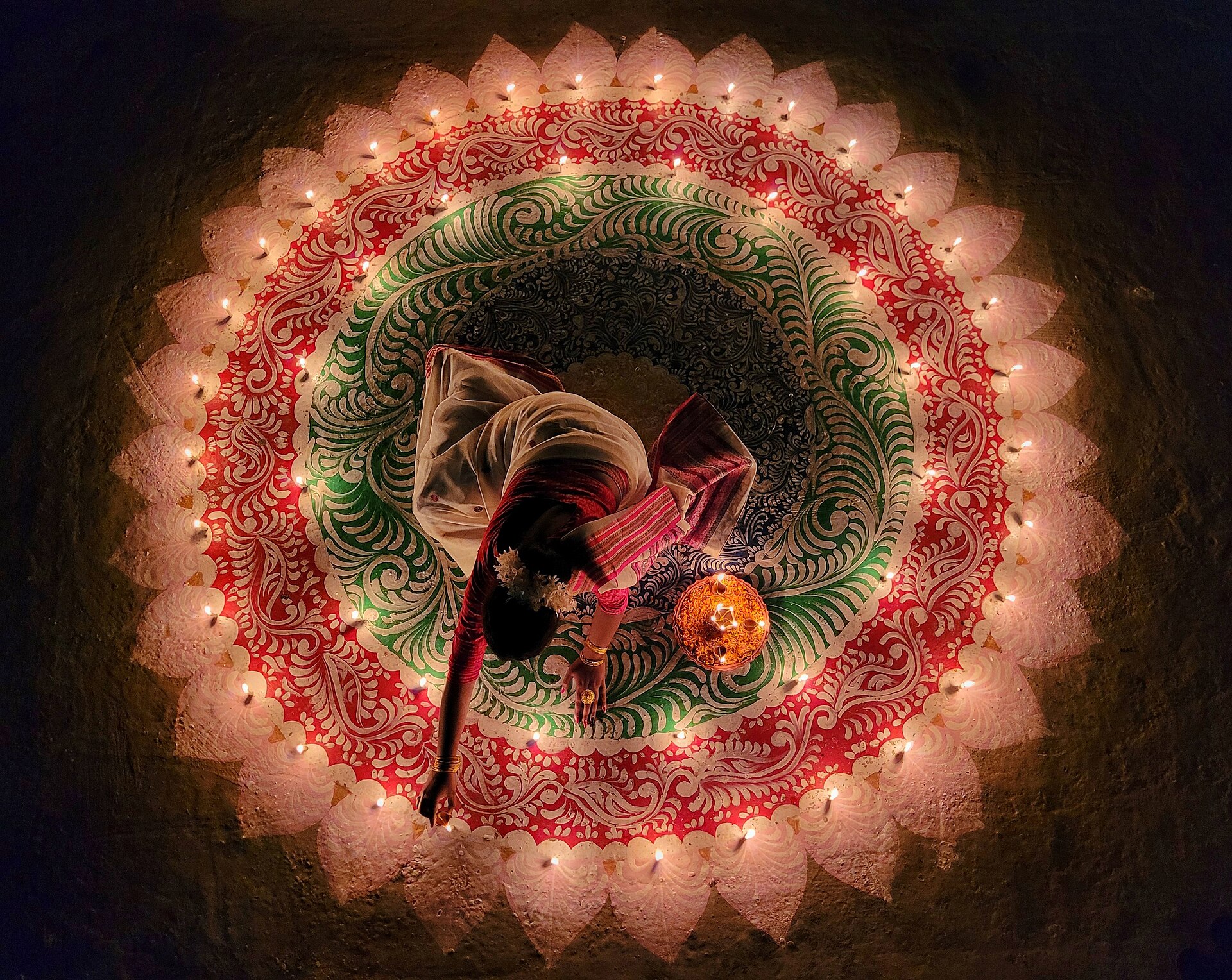
Why Diwali matters to luxury brands now
Ten years ago, Diwali often lived in the "diversity moment" corner of a global marketing calendar: a social tile, a marigold motif, maybe a boutique sweets table if the local GM had energy. The work was sincere. It was also thin.
The shift is not that South Asians suddenly started celebrating. It is that multinational brands finally mapped where celebration concentrates spending power: Toronto and Vancouver corridors, Edison and Artesia, pockets of New York and Los Angeles, London neighborhoods where jewelers stay open late, Dubai malls that treat festival weekends like mini fashion weeks, Singapore and Mumbai and Delhi as both origin markets and style reference points.
Luxury has already learned this lesson once. Lunar New Year is no longer a single red envelope post. It is a planning season with capsule collections, hospitality packages, beauty gift architecture, and regional talent contracts signed months ahead. Diwali is entering the same lane for South Asian consumers globally, with one important difference: the season is less about one giftable object and more about a full aesthetic upgrade across gold, beauty, clothing, hosting, and travel.
The thesis is simple. Diwali is not a niche holiday placement. It is a luxury mood built around aspiration, intergenerational gifting, and the pressure to look like your family's success story photographed well.
Jewelry: gold, diamonds, and the family case
Jewelry houses feel the season first because the cultural logic is already luxury-native. Gold is not a trend here. It is language: security, blessing, memory, status you can pass down without explaining it to a customs officer.
In many families, the purchase is collective. Parents, siblings, spouses, and the aunt who "knows a guy" all participate. In Gujarat-adjacent households the taste runs filigree and weight. In Punjabi circuits the conversation may lean toward diamonds and cocktail sets. In Tamil or Bengali contexts the styling differs again. Brands that flatten South Asia into one aesthetic usually lose trust before they lose the sale.
Watches have entered the conversation too, especially where younger buyers want heirloom logic without overt bridal signaling. For a deeper read on how wristwear functions as soft status, see watch culture and the soft status language.
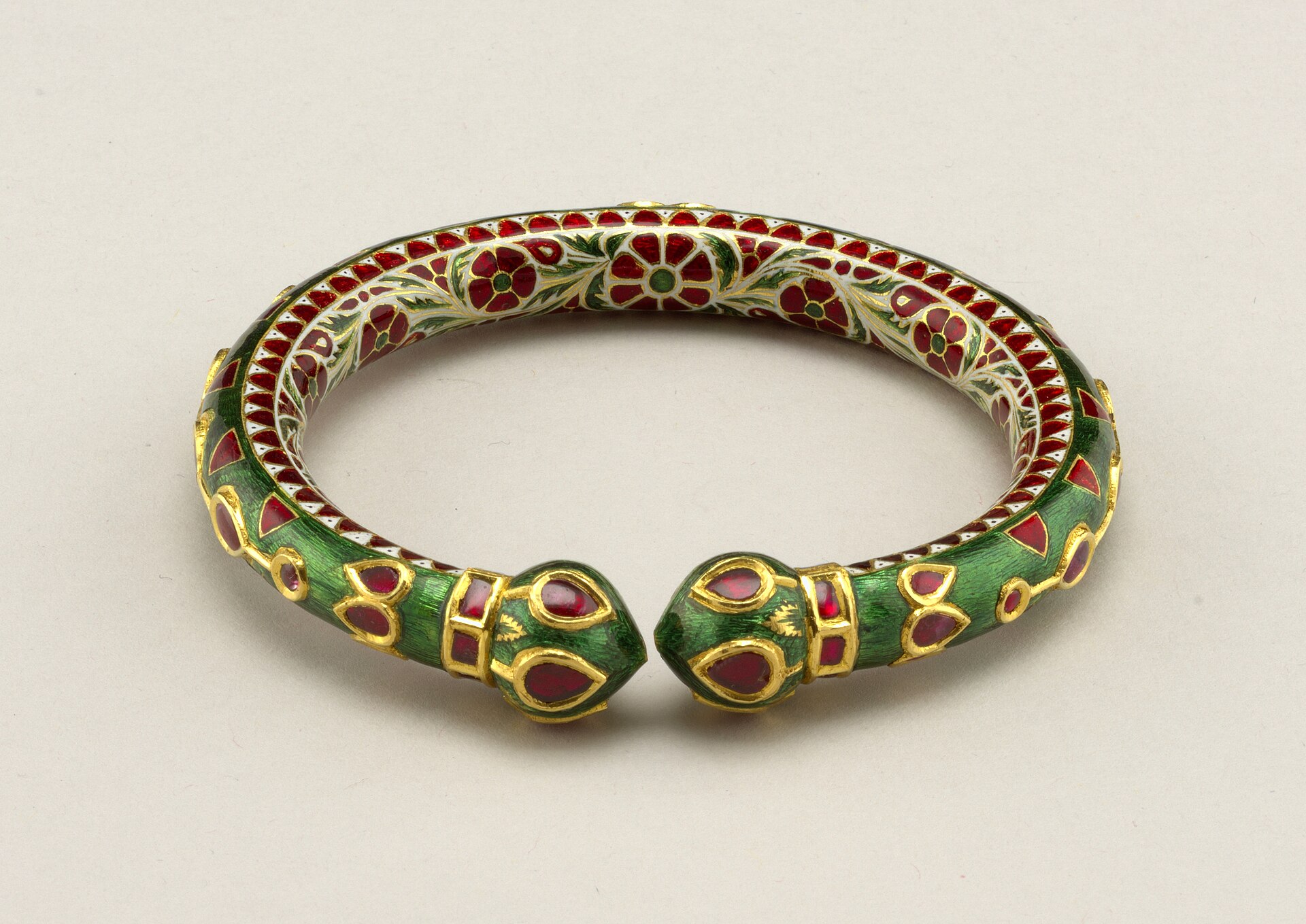
The interesting part for global houses is diaspora density. A campaign that lands in Mumbai but ignores Toronto or Edison is incomplete. A campaign that speaks only to bridal tropes misses the growing lane of self-gifting professionals who want festival gold without performing a wedding.
Beauty: glam, fragrance, and the prestige routine
Beauty behaves differently during Diwali. It is not only "party makeup." It is prep: skincare stacks, salon appointments, fragrance for hosting nights, gift sets that travel well between households.
South Asian beauty creators have trained a generation of shoppers to expect pigment payoff, long wear, and photography-friendly finish. That expectation now collides with prestige retail in useful ways. Sephora and Ulta matter here not because every shopper buys there, but because mass-to-prestige crossover sets the tone: if your festival face is good enough for a family portrait, it is good enough for a brand campaign.
Fragrance is underrated in festival planning and overperforms in gifting. A well-chosen bottle travels across generations better than a trend color. Limited packaging helps, but only when the juice inside feels worth keeping after the box is recycled.
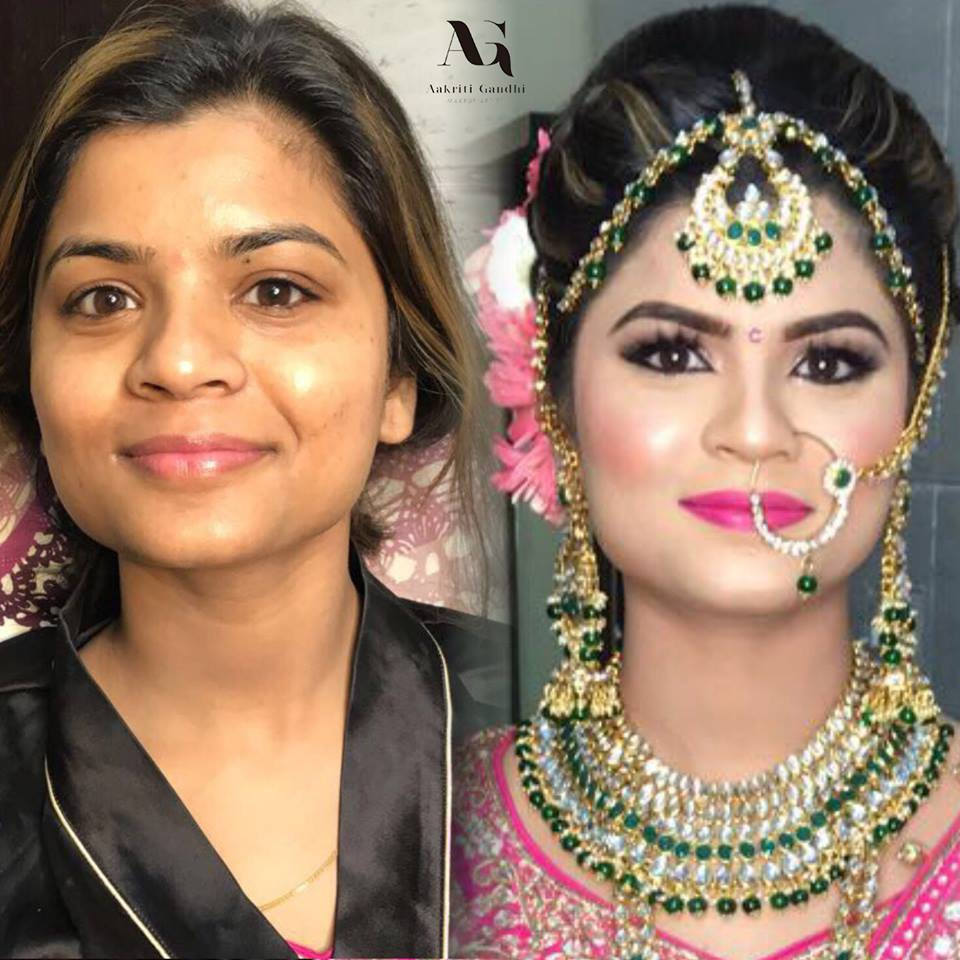
The signal is that beauty brands winning Diwali treat glam as emotional infrastructure, not costume. You are not selling "ethnic festival look." You are selling the confidence of walking into a room where everyone notices, lovingly, that you made an effort.
Fashion: festive dressing and fusion luxury
Fashion is where taste gets argued about in real time. Lehenga or sari. Sequin or restraint. Designer clutch or the one your sister borrowed back in 2019. Fusion dressing is not a compromise in diaspora cities. It is the default grammar: couture textile with contemporary silhouette, heritage embroidery with outerwear that survives a Toronto October.
Luxury styling during Diwali rewards detail literacy. The brands that earn credibility reference craft honestly: zardozi, bandhani, ikat, brocade, drape, jewelry placement, footwear that can survive four hours of standing and praising someone's renovation.
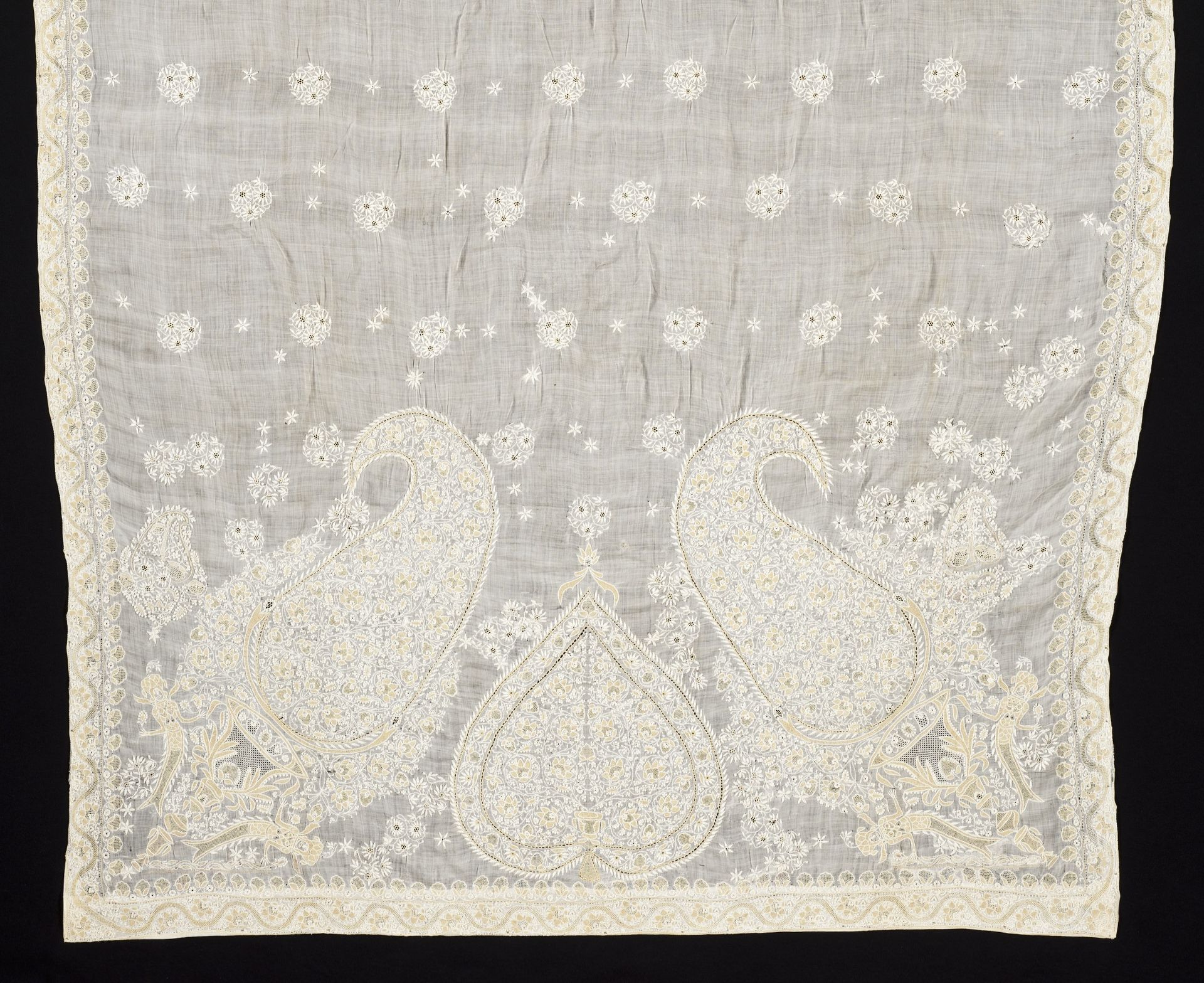
This is also where regional difference should stay visible. A Gujarati household's palette and silhouette preferences are not identical to a Punjabi party circuit or a South Indian formal lane. You do not need a taxonomy essay. You need respect for variation without costume.
Travel and hospitality: the hosting calendar
Diwali travel is not only pilgrimage or homeland trips. It is hosting logistics: hotel dinners for relatives arriving from out of town, restaurant reservations that function like family diplomacy, event rooms where children will spill Fanta on someone's silk.
London, Dubai, Singapore, New York, Los Angeles, Toronto, and Vancouver each have their own hosting rhythm. Dubai leans mall-to-hotel festival programming. London stacks private client events with South Asian talent appearances. North American cities convert banquet halls, hotel ballrooms, and high-end Indian restaurants into temporary family headquarters.
Hospitality brands that understand Diwali sell ease, not exoticism: reliable service, flexible timing, lighting that flatters gold, and staff who do not treat traditional dress like a surprise.

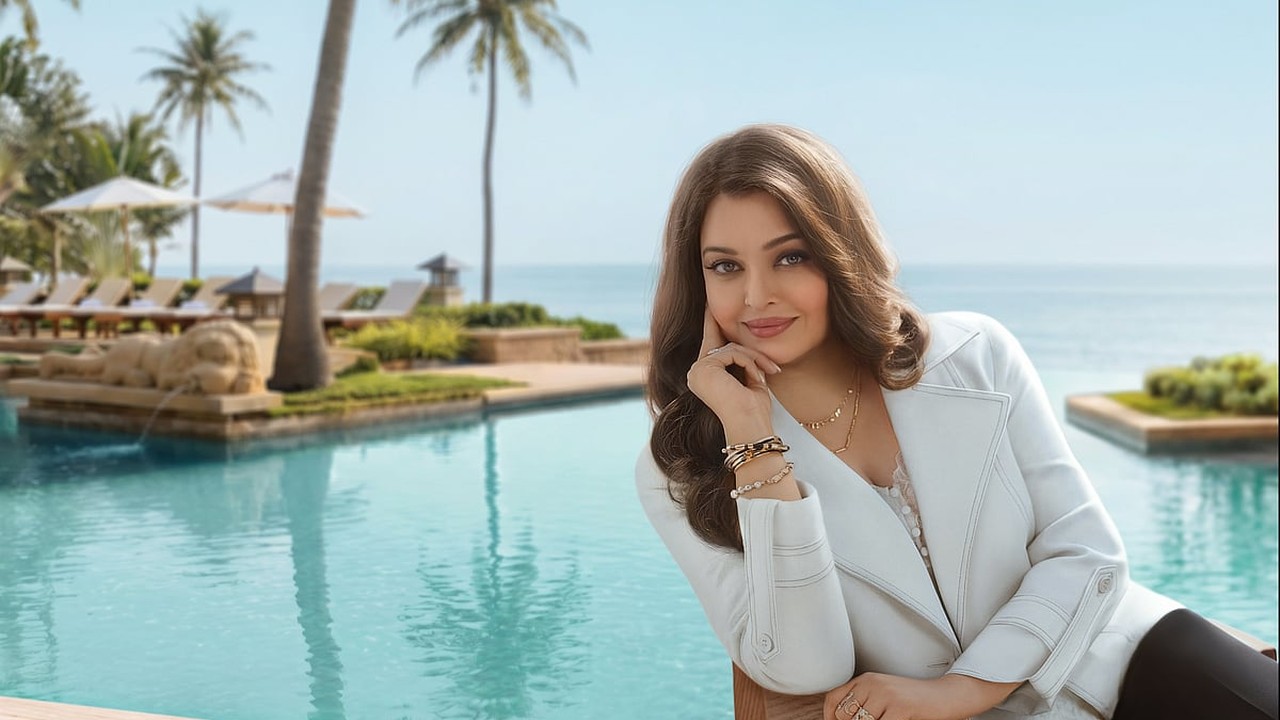
For readers tracking how global hospitality courts South Asian prestige talent, JW Marriott's appointment of Aishwarya Rai Bachchan is a useful parallel: travel brands now borrow entertainment star power to signal they understand diaspora luxury as a year-round relationship, not a single festival post.
Entertainment and celebrity: campaigns, carpets, and soft power
Bollywood still sets a global reference tone, but the celebrity map is wider now. South Asian actors, musicians, and creators appear at Cannes, fashion weeks, and brand dinners with styling that travels across markets. The point is not to name every red carpet. The point is that entertainment visibility now feeds luxury calendars the way sports partnerships once did.
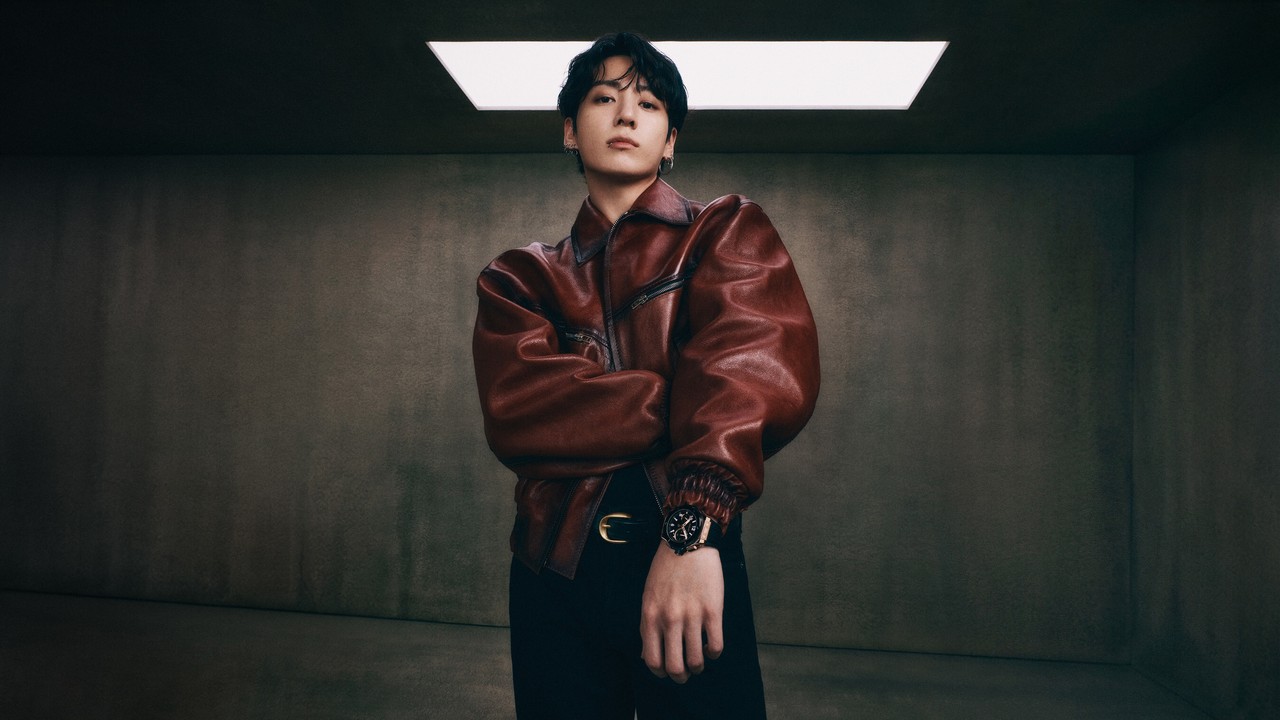
Global ambassador grids increasingly include South Asian faces alongside East Asian talent. Compare Harper's Bazaar's A-Z of Korean luxury ambassadors with how Indian and diaspora stars are booked for jewelry, beauty, and fashion houses during festival season. The casting logic is similar: credibility in Asia, recognition in Western capitals, and content that can run in Mumbai, London, and Los Angeles without feeling translated.
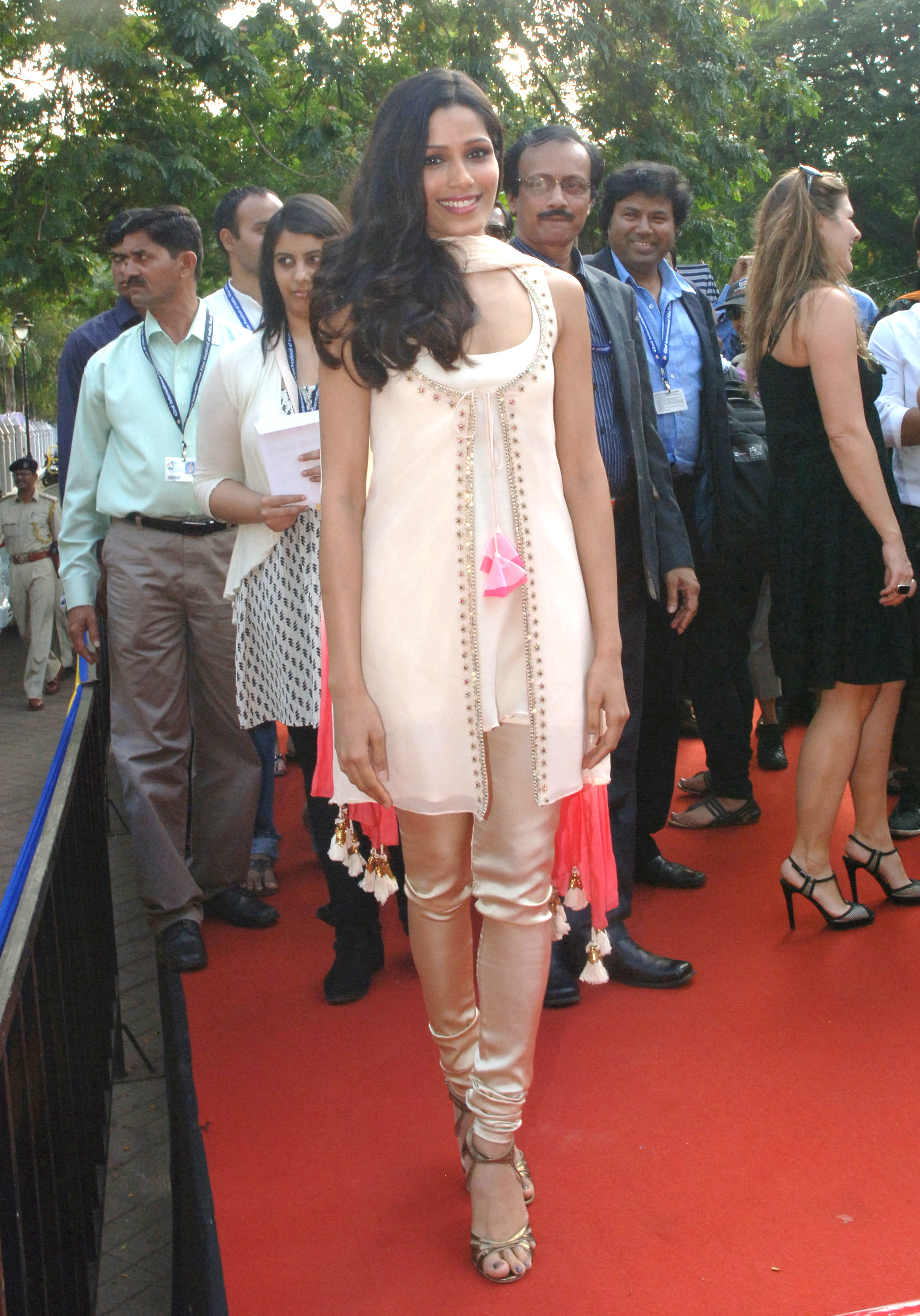
The lesson for marketers is that Diwali campaigns benefit from talent who understand occasion dressing, not just pretty faces in ethnic costume. The best work looks like culture participated in, not culture borrowed for a day.
Where Luxury Brands Still Get Diwali Wrong
Generic diyas. Stock marigolds. Gold gradients over sans-serif type. A headline that says "Festival of Lights" and nothing else. An elephant motif with no craft reference. A model in bindi-as-prop styling. A single South Asian employee in a corporate greeting video while the product story stays unchanged.
This is not malicious. It is lazy. And diaspora shoppers are fluent enough to notice.
The wrong turn is treating Diwali as a diversity checkbox rather than a revenue season with its own emotional structure: gifting pressure, family photography, intergenerational taste negotiation, and the desire to look prosperous without looking like you tried too hard for outsiders.
Brands also miss when they only activate in India. The diaspora spends in Edison, Artesia, Surrey, Brampton, Manhattan, and West London too. A global campaign that launches "for India" but not for the aunties forwarding sale links in New Jersey is half a campaign.
Another miss: confusing Diwali with a single day. Families experience it as a season of gatherings, prep, and returns. Luxury wins when it plans across weeks, not hours.
For planners mapping the wider fall calendar, the month ahead in Asian entertainment and luxury situates Diwali beside fashion weeks, beauty drops, and entertainment premieres that compete for the same wallet.
The brands that win Diwali will not be the ones that merely acknowledge it. They will be the ones that understand why the season carries emotional, aesthetic, and commercial weight: because showing up well for your family is one of the oldest luxury behaviors there is, and the diaspora does it with taste, humor, and a very active group chat.