Watch culture and the soft status language
K-pop and K-drama stars teach a new wrist vocabulary: medium cases, warm metals, and repeat wear on airport days and off-duty fits, not just gala nights. Here is how Cartier, Hublot, Tiffany, TAG Heuer, and Rolex are using Asian celebrity visibility to sell that code to diaspora buyers.
 Anika Rao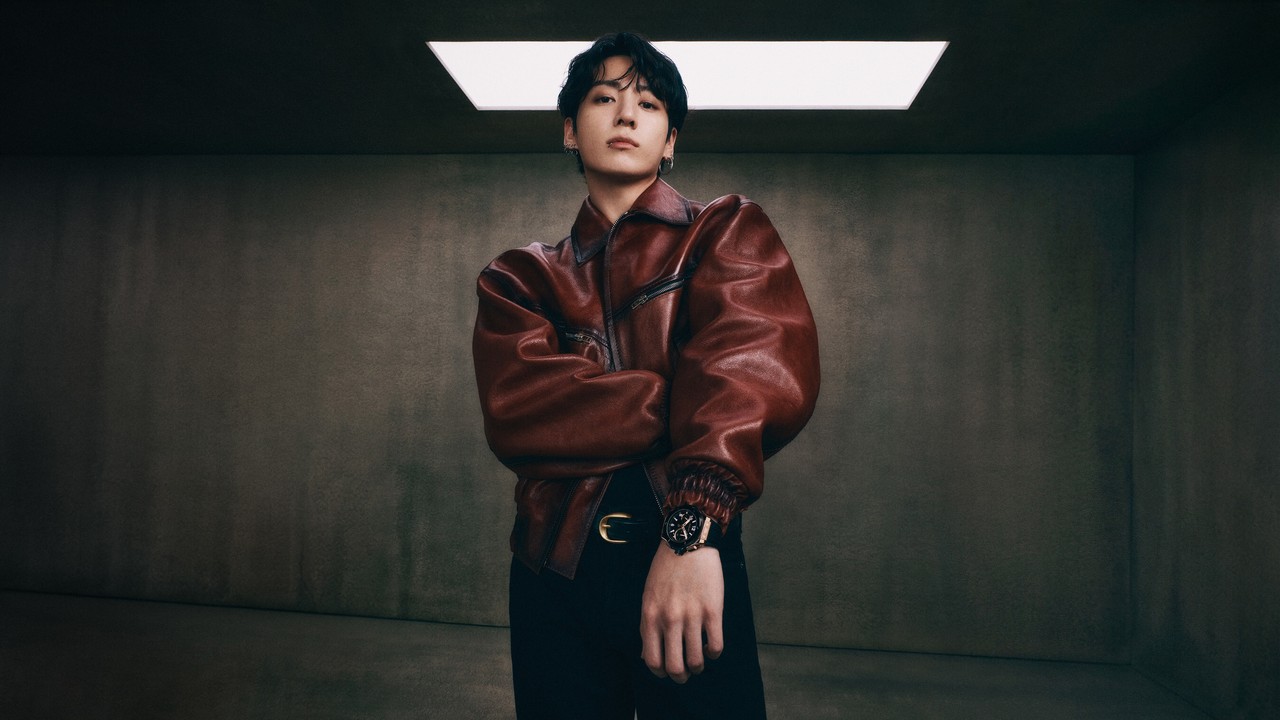
A loud watch announces time. A soft-status watch announces taste.
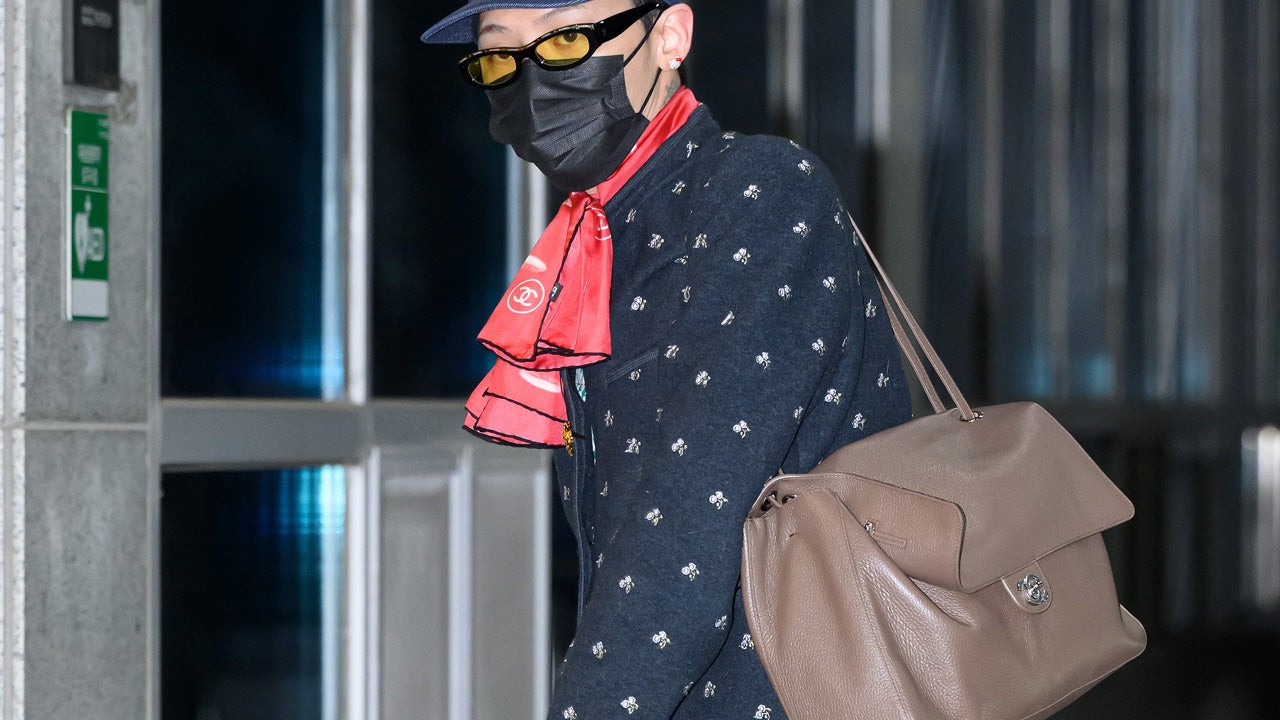
That distinction matters because the wrist has become one of the most photographed surfaces in Asian celebrity culture. Not on the red carpet alone. At Incheon and Gimpo airport arrivals, in tour documentary B-roll, in magazine cuff shots, and in fan zooms posted to X and Weibo within minutes of a star clearing baggage claim. Luxury houses did not invent that visibility. They built ambassador rosters around it.
What soft status actually looks like
Soft status is not stealth wealth in a vacuum. It is a watch that reads in partial view: half hidden under a hoodie sleeve, stacked beside bracelets, paired with jeans and sneakers instead of a tuxedo. The case tends toward medium sizing, warm gold or steel, and clean dials that survive a crop. The point is recognition by people who already know the reference, not a billboard for people who do not.
Jisoo of Blackpink, a Cartier ambassador since May 2022, is the textbook case. Off duty she repeatedly wears Cartier Tank models with T-shirts and denim, a pairing Grazia and LUXUO have both documented. She has also worn the Cartier Crash clasped over a turtleneck sleeve, treating a surreal archive shape like an everyday cuff. That is soft status in practice: a historic design worn like a sweatshirt accessory.
V (Kim Taehyung) joined Cartier as a global ambassador in July 2023, fronting the Panthère de Cartier campaign in full jewelry regalia. On his own Instagram feed, fans and watch blogs more often clock him in Tank Louis Cartier, a manually wound classic with a dial profile that reads even when the photo cuts at the forearm. Same house, two registers: carpet spectacle versus repeat personal wear.
Lisa wears her Bulgari x Lisa limited-edition watch on casual Instagram fits: white tee, skirt, boots, nothing that screams occasion dressing. Girls' Generation's Tiffany Young has been photographed in a black Cartier Tank with an all-white shirt-and-trousers airport look. (G)I-DLE's Minnie has styled a dress watch with streetwear in Central Park. The pattern is consistent: stage gear stays loud; travel gear stays legible.
Why brands care about the airport frame
Watchmakers court K-pop and K-drama talent because wrists show up constantly in content that fans rewatch. A 2023 TAG Heuer appointment of Wi Ha-jun, coming off Squid Game visibility, fit the brand's performance identity. Jimin became a Tiffany & Co. House ambassador in March 2023, putting another BTS member inside a jeweler that sells both bracelets and dress watches. Jung Kook was named a Hublot global ambassador in February 2026, with his interest in watches sharpened after performing "Dreamers" at the 2022 FIFA World Cup, where Hublot served as official timekeeper. His launch imagery centers the Big Bang Original Unico, a larger chronograph than a Tank, but still worn as a campaign uniform rather than a one-off rental.
That last point matters. Soft status dominates off-duty storytelling, but brands still need hero pieces for billboards. The market runs on both tracks.
The loud counterexamples
Soft status is the dominant diaspora-facing language, not the only one. BamBam of GOT7 has been photographed in Jacob & Co. astronomical pieces and heavily gem-set Patek Philippe Nautilus references. Seventeen's Mingyu has worn an Audemars Piguet Royal Oak Offshore in pink gold on nights out. Jung Kook's Hublot Big Bang is a 42mm tool-dress hybrid, not a whisper. Collectors and stan accounts celebrate those watches too. The difference is frequency: most idols who drive purchase intent among first-time luxury buyers do it through repeat wear of simpler silhouettes, not through a single nightclub flex.
Industry trend reporting for 2026 also splits the same way. Who What Wear's watch outlook pairs 80s-scale Day-Dates and Cartier Santos energy with a continuing appetite for vintage-inspired minimalism. Fashion Times' Watches and Wonders recap highlights platinum and jewelry-watch stacking as parallel lanes. Asian celebrity wrists mirror that split, but the teachable code for new buyers still lives in the Tank, the Santos, the everyday gold case.
What changed in the ambassador map
Between 2022 and 2026, the Korean and broader Asian celebrity watch roster filled in fast:
| Name | House | Year | What they signal |
|---|---|---|---|
| Jisoo | Cartier | 2022 | Tank/Crash as daily jewelry |
| Jimin | Tiffany & Co. | 2023 | Rose-gold dress watches with stackable jewelry |
| V | Cartier | 2023 | Panthère on carpet, Tank off duty |
| Wi Ha-jun | TAG Heuer | 2023 | Sport chronographs tied to global drama reach |
| Jung Kook | Hublot | 2026 | Big Bang as youth-meets-horology bridge |
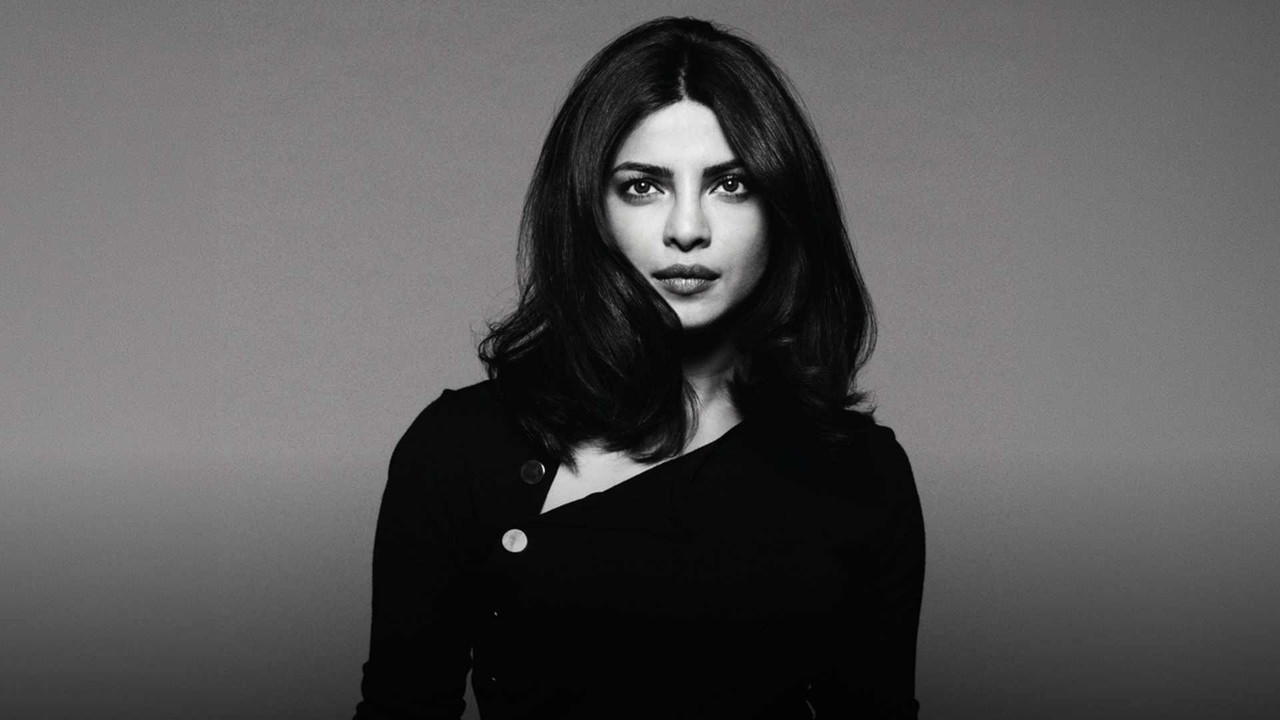
| Priyanka Chopra Jonas | Rolex (while remaining Bulgari jewelry ambassador) | 2026 | South Asian global face across competing maisons |
The Priyanka Chopra Jonas move is the corporate version of the same lesson. Her June 2026 Rolex appointment creates a deliberate split: Bulgari stays jewelry, Rolex takes watches, with both houses agreeing to category boundaries that luxury groups usually refuse to share. We covered the deal here. It proves soft status is not only about case size. It is about which metal gets photographed on which day.
For a wider map of how Korean stars rotate across fashion and jewelry houses, see Korean luxury brand ambassadors. For the macro argument that Asian celebrities are now primary global faces rather than regional add-ons, luxury brands and the Asian celebrity economy lays out the structure.
How fans turn wrists into a market
Watch spotting is its own micro-economy. Outlets from Grazia Singapore to specialist blogs cross-reference airport photos, Instagram posts, and event stills against catalog references. A cropped sleeve at LAX can send readers to pre-owned listings for a Tank Must or Bulgari Serpenti Tubogas within a day. That is why first luxury watch conversations in diaspora group chats so often start with "what was he wearing at the airport?" rather than "what did the boutique email say?"
Stray Kids' Hyunjin has become a recurring name in collector coverage for a Cartier Tank Louis in yellow gold with a red dial and a Santos-Dumont with a black lacquer bezel, pieces that communicate taste inside fandom without needing a press release. The lesson for buyers is not "copy one idol." It is that repeat visibility trains the eye on which shapes feel current in 2026.
What diaspora professionals borrow from the frame
The wrist language travels beyond fandom. A lawyer in Toronto, an engineer in Austin, or a creative in Vancouver may want milestone signal without boardroom theater. Celebrity templates offer a middle path between inheritance-era power watches and silent tech wearables. Medium gold or steel, no diamond pavement unless the occasion earns it, a piece that works with blazer and hoodie rotations across one week of travel.
The Gold Edit named the everyday gold watch as a defining object this season for exactly that reason. Jewelry houses on the carpet show the other half of the stack: metal on skin, photographed repeatedly, meant to register slowly across events rather than in one screaming close-up.
The practical read
If you are shopping your first serious piece, watch what gets worn three Tuesdays in a row, not what appears once at an awards show. Soft status is a literacy test. The brands training that literacy are the ones placing Tanks at baggage claim, Bulgari collabs on Instagram, and Rolex on South Asian global campaigns in the same season.
Watches still mark milestones. They also mark departure days, and that is why the code shifted.