Luxury brands and the Asian celebrity economy
Global luxury houses are structuring campaigns around Asian celebrities as primary global faces, not regional additions to Western-led rosters.
 Anika Rao
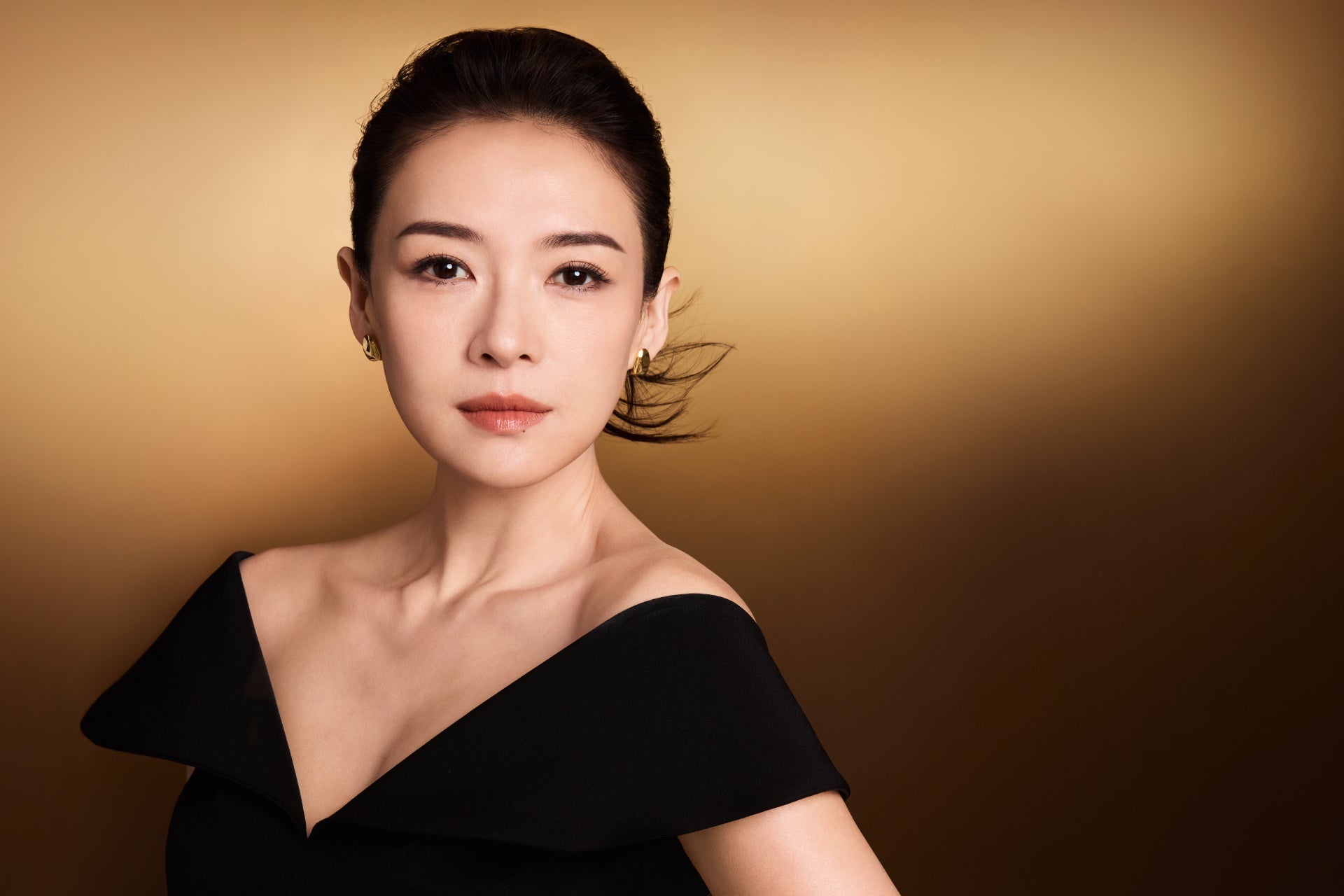
Open a luxury campaign folder in 2026 and you will likely find a Korean idol, a Thai-born global musician, or a Chinese actor before you find the old Hollywood default. That ordering is not cosmetic. It reflects where growth, attention, and repeat purchase energy concentrate.
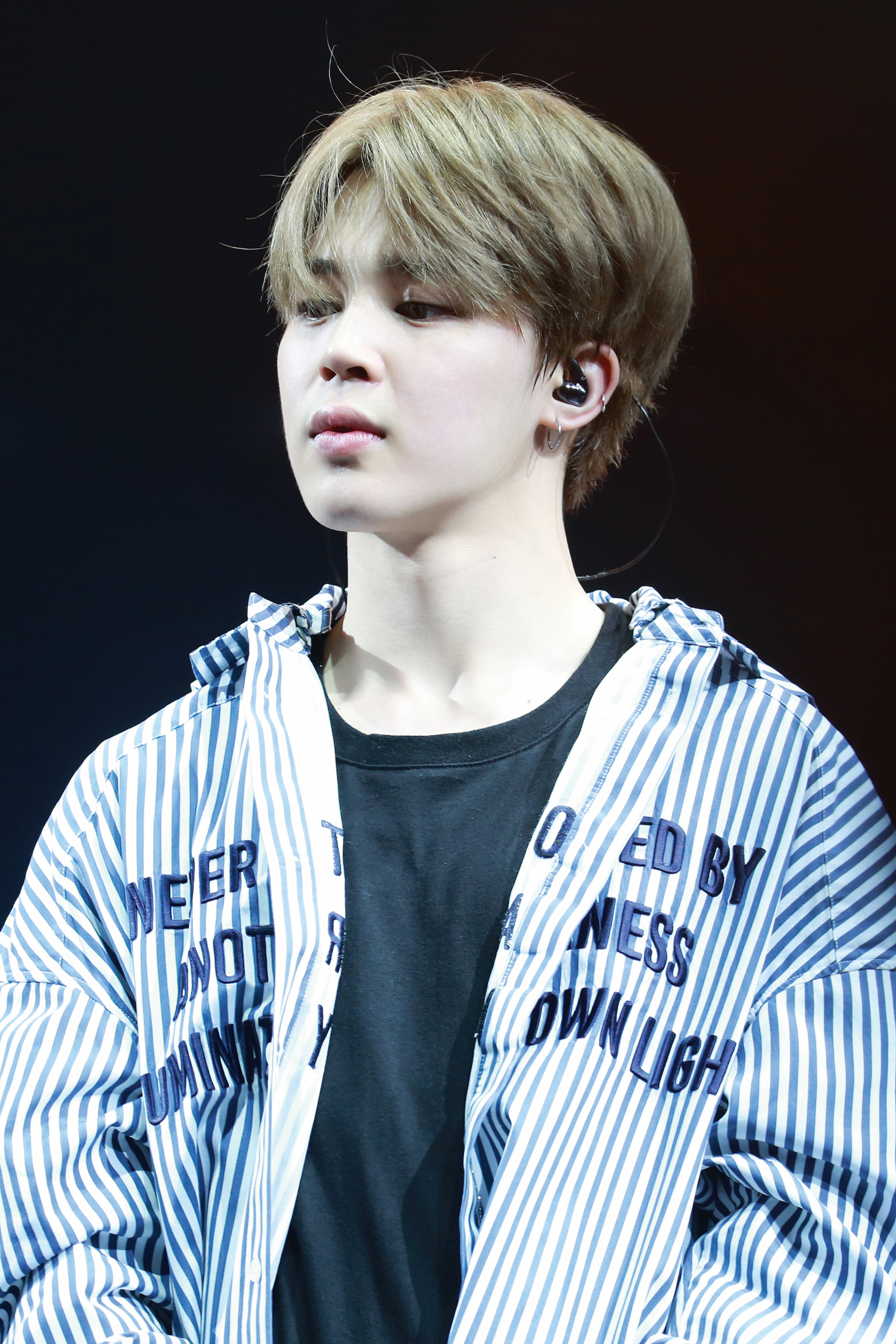
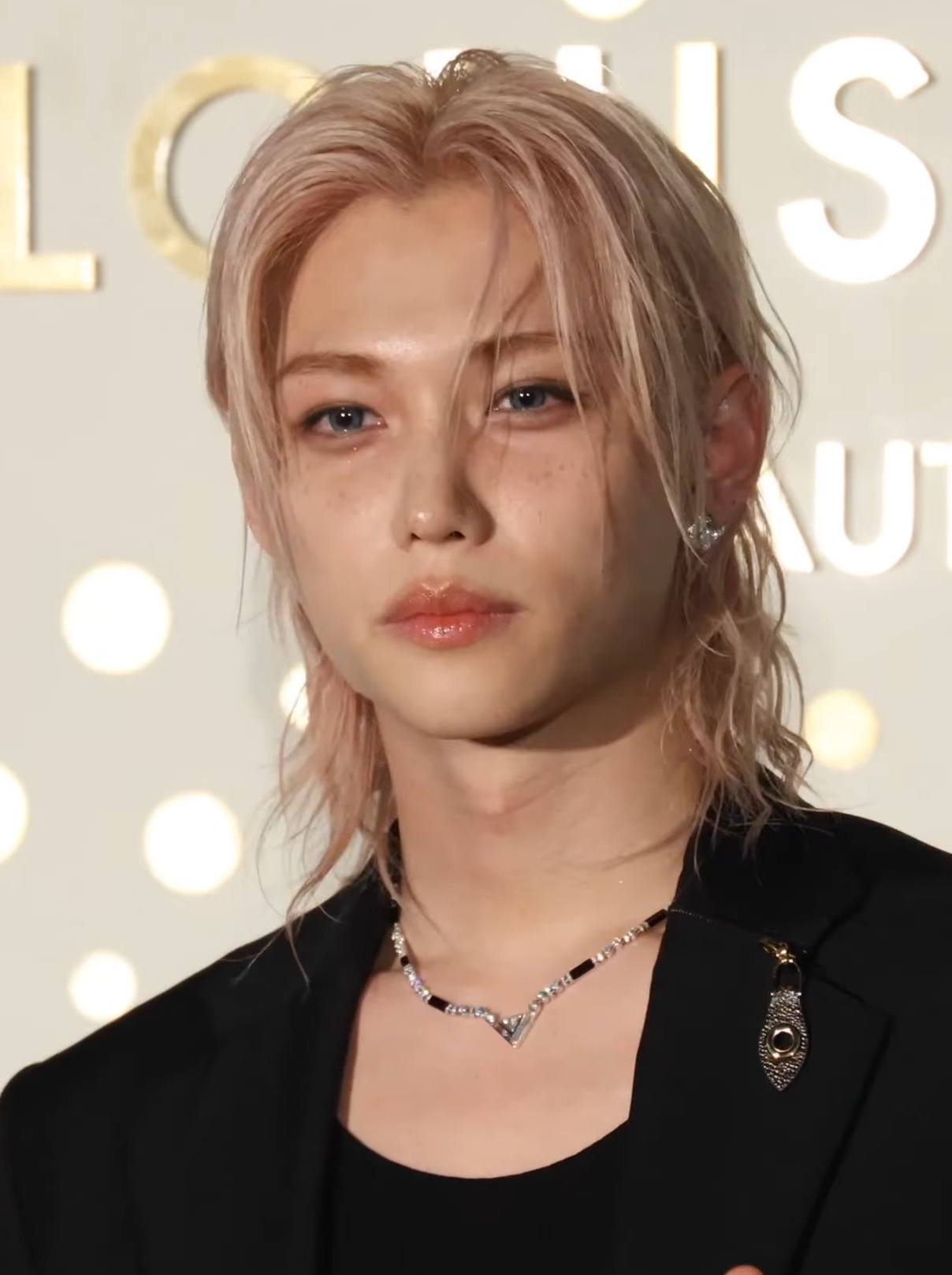
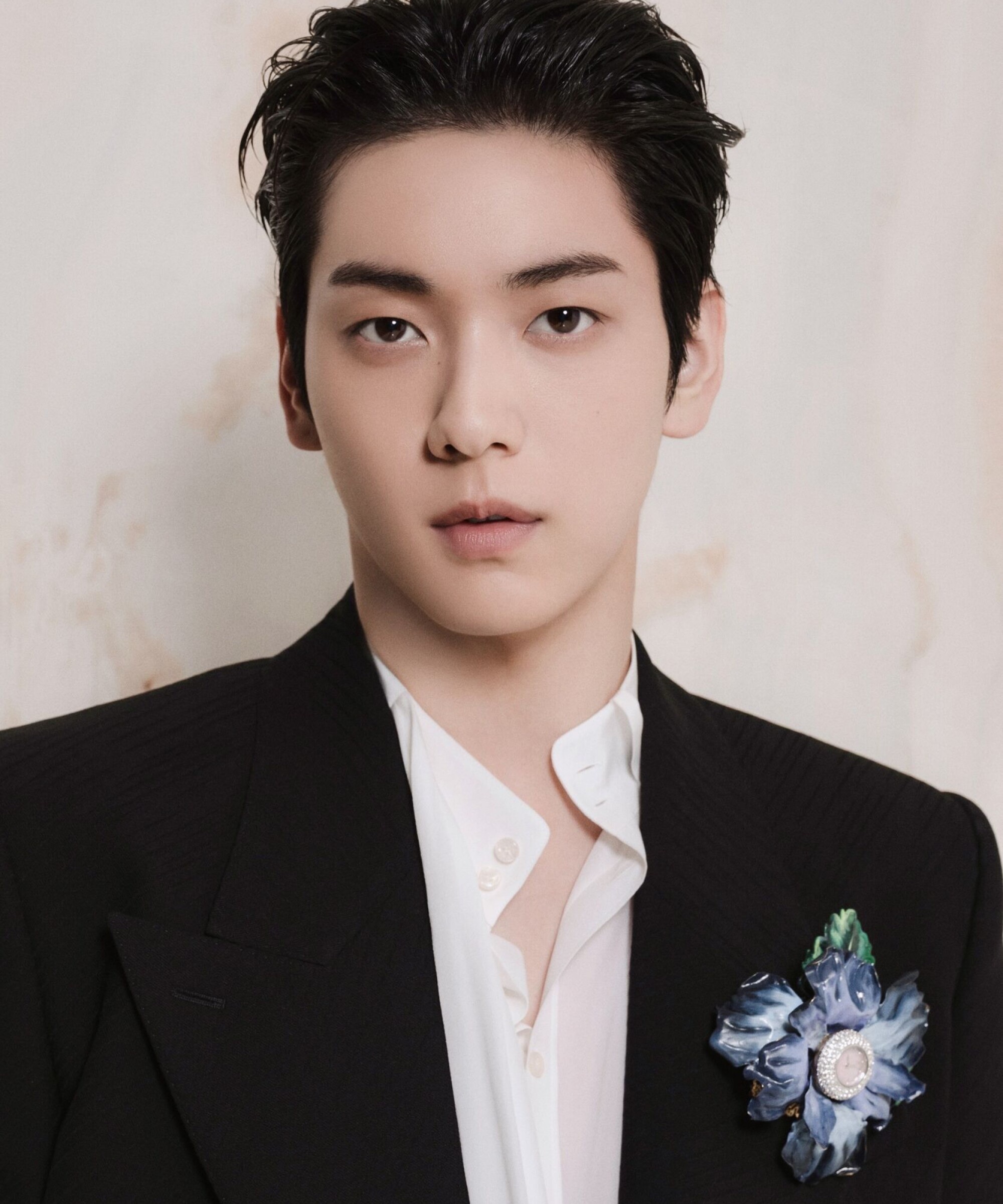
The Asian celebrity economy changed the math for luxury brands. Houses such as Chanel, Gucci, Dior, Louis Vuitton, and Tiffany have built rosters where Asian talent holds global titles, not side markets. Jennie at Chanel, Jimin at Dior, Jung Kook across fashion and watch partnerships: these are not regional comfort picks. They are flagship choices with worldwide media plans attached.
Harper's Bazaar Singapore's ambassador map captured one slice of the Korean pipeline, but the pattern extends across categories. Beauty, jewelry, hospitality, and spirits now recruit from the same talent pools drama fans and music stans already follow. A single person can anchor fragrance, ready-to-wear, and a holiday campaign without brands worrying that the audience will not translate abroad.
Why Asian celebrities? Reach is the obvious answer, but not the complete one. These stars arrive with visual discipline, trained red-carpet readiness, and fan communities that treat brand moments as shared events. When a house posts a teaser, translation teams inside fandom mobilize before morning trade coverage.
For diaspora consumers, the economy also resolves a longtime friction. Luxury marketing used to imply that global taste flowed one direction. Now a Seoul premiere look can set the tone for a Paris collection conversation. A Las Vegas residency poster can matter as much as a fashion week front row for brand heat. Lisa's residency is entertainment news and luxury signaling at once.
There are risks when brands over-index on the same small pool of names. Fatigue shows up quickly in social sentiment. Younger consumers ask for craft, sustainability, and product truth, not only famous faces. The houses that win long term pair celebrities with credible product stories and regional nuance.
Watch culture and hard luxury follow the same curve. Watches and fine jewelry move through red carpet moments, magazine covers, and airport photos with deliberate placement. Jewelry on the carpet is no longer background sparkle. It is contract logic.
We read this as a permanent market shift, not a cycle. Asian celebrities are not guest stars in the luxury economy. They are part of its central casting. Diaspora readers already lived this reality in their feeds. The industry paperwork finally caught up.
The next question is diversification: which second-wave names become house codes, and which categories beyond fashion copy the playbook. Hospitality and beauty are already there. Automobiles, private banking, and home design are next.
If you track one file this year, track appointments plus performance. A beautiful announcement means little if the talent does not show up consistently across seasons. The Asian celebrity economy rewards presence, not posters.