Mahjong Has Moved From the Folding Table to the Designer Home
Evite says mahjong nights jumped 94% year over year in 2026, while designers in Dallas–Fort Worth and beyond turn spare offices and formal dining rooms into dedicated parlors. The Chinese tile game is back as an offline ritual, a luxury product category, and a status room.
 Anika Rao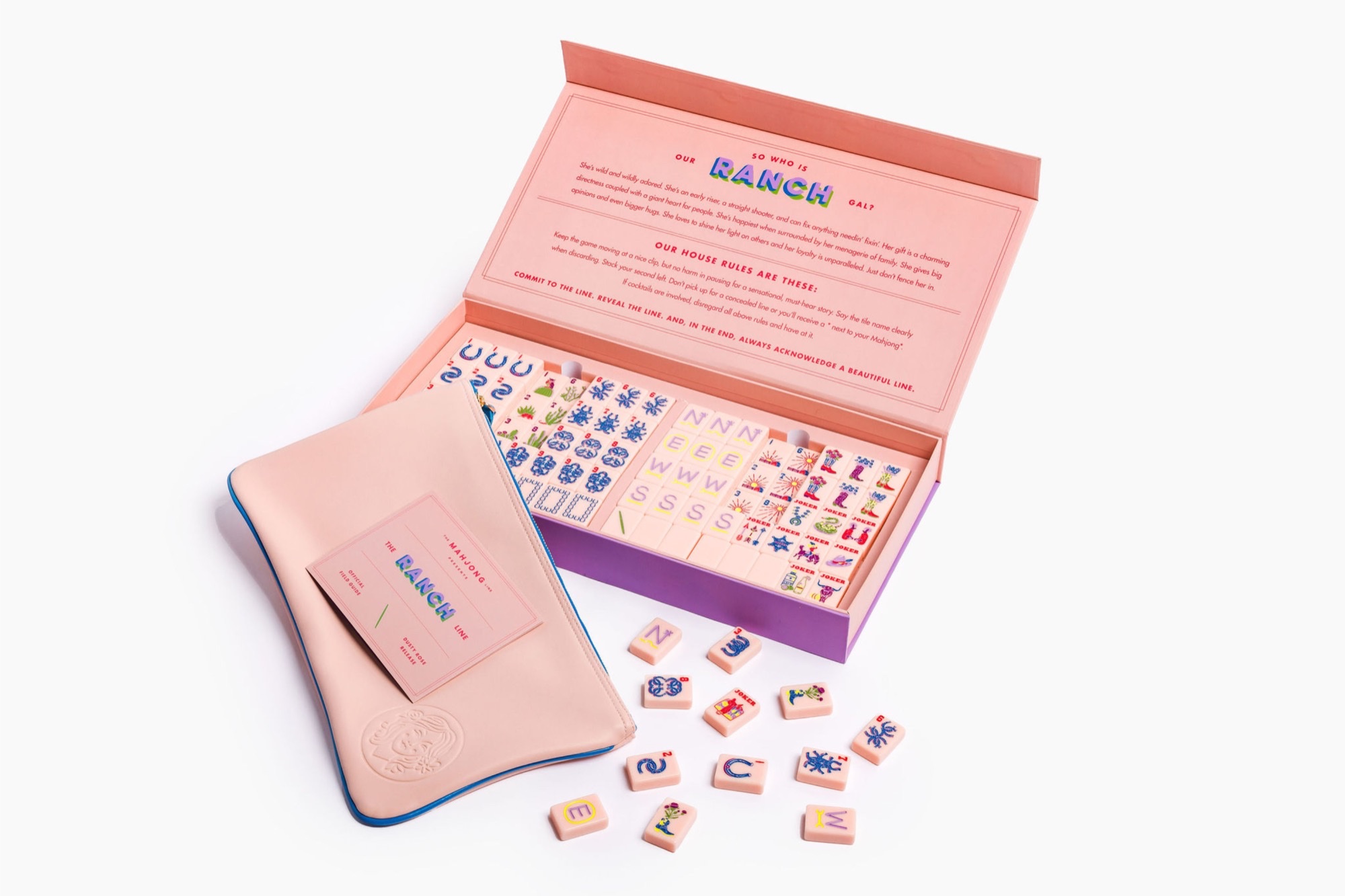
The spare room used to apologize for itself. Home office leftover. Formal dining that hosted Thanksgiving and little else. In a growing number of American houses, that square footage now has a sharper job: a dedicated mahjong parlor, lit like a lounge, stocked like a boutique, and booked like a standing date.
Axios locals in Charlotte and Washington, D.C. have been tracking the same remodel pattern. Underused rooms become social hubs. Formal dining tables get swapped for game tables. Owners talk about connection after screens, not about resale math first. The Dallas–Fort Worth design circuit is where the trend stops looking like a hobby corner and starts reading as quiet luxury.
Evite, the digital invite platform, says the ritual is not a blip. In 2026, mahjong events on the service are up 94 percent year over year, after a 46 percent jump from 2024 to 2025. The Boston Globe carried the newer figure. The company itself posted it as proof the game left “trend” territory.
Our take: when the invite data and the floor plans move together, you are watching a culture product graduate into interior status.
Offline nights, on purpose
Younger players keep saying the same thing designers hear in client meetings. They want a recurring reason to leave the group chat and sit across from real faces.
American Mah Jongg, the National Mah Jongg League variant with jokers and an annual hands card, already ran on that logic for generations of Jewish American suburban tables. Historian Annelise Heinz has mapped how the Chinese game became a tool for community, modernity, and ethnic identity across twentieth-century America. The 2020s version adds Instagram-ready sets, entrepreneur networking nights, and rooms built so the table never has to be folded away.
In Fort Worth, brick-and-mortar lounges like The Mahj Clubhouse and the incoming Bamboo Room on Camp Bowie treat the game as a club membership, not a once-a-year party. In San Francisco, the Asian Art Museum’s Mahjong and Mocktails Thursdays put instruction, tiles, and a beverage counter inside a cultural institution. Private rooms and public tables are answering the same craving from different price points.
What designers put in the room
Dallas Morning News Abode coverage shows how far the brief has moved past a card table in the den.
Designer Emory McKim wrapped a client parlor in high-gloss Sherwin-Williams Framboise, set the mahjong table in one corner, and kept a seating area opposite for the post-game debrief. Built-ins became a bar for glassware. Traci Connell has called a client space a “luxe ladies lounge” for weekly nights: feminine color, a bar on the other side, a view that makes hosting feel like the point. Elsewhere in the Dallas orbit, designers talk about jewel-box lighting, storage for racks and mats, and furniture that photographs as intentional rather than temporary.
Architectural Digest and House Beautiful have framed the wider furniture ask the same way. Clients want game tables that behave like real architecture, not folding leftovers. Jean Liu has said mahjong tables now arrive early in living-room layouts. The formal dining room loses the argument when the mahjong room actually gets used three nights a week.
Chinese tiles, American cards, Texas style
Chinese mahjong and American Mah Jongg are related games with different contracts. Chinese sets typically run 144 tiles without jokers. American sets add jokers for 152 tiles and win by matching an annual League card rather than free-form melds. That American lineage, standardized through the National Mah Jongg League since the 1930s, is what most of the new U.S. boom is selling.
Texas then layered a commercial aesthetic on top. Texas Monthly traced the national craze back to Dallas companies: The Mahjong Line, Oh My Mahjong, My Fair Mahjong, Bespoke Mahjong, Peace Love Mahjong, and a retail ecosystem of mats, pushers, racks, and themed sets. The Mahjong Line’s Ranch Line, listed around $485, turns suits into horseshoes, cacti, and sunsets. Troop Mahjong Society chapters have spread across Texas cities. Designers shop Round Top and Houston boutiques for client rooms that display multiple sets at once.
Preserved: four players, the click of tiles, a standing social appointment. Reinvented: Pantone color stories, automatic shufflers, chinoiserie wallpaper as mood board, and a room that competes with the wine cellar for bragging rights.
Who feels the mainstreaming
Asian American pushback is not a footnote from 2021. It is the standing critique of this boom’s marketing language.
When Highland Park founders Kate LaGere, Annie O’Grady, and Bianca Watson launched The Mahjong Line, Diet Prada and Asian American writers hit the “respectful refresh” framing and tile redesigns that stripped Chinese characters for flour bags, palm trees, and “BAM!” energy. The company apologized for failing to pay proper homage to Chinese heritage while insisting it was part of American mahjong’s evolution. Nicole Wong’s Mahjong Project and critics like Jeff Yang kept the sharper point: the pain was erasure dressed as improvement, not the mere fact that non-Chinese players love the game.
That tension sits beside real transmission. Chinese American families never stopped playing. Jewish American tables carried American Mah Jongg for decades. Younger Asian Americans are reclaiming tables as heritage. Museums are teaching drop-ins. Hallmark already learned that casting a mahjong romance without Asian leads draws its own fight. Fashionable tiles and dedicated rooms can widen access and still whitewash the origin story in the same season.
Our verdict
Call it appropriation, cultural transmission, or both, and you are usually naming different layers of the same boom. The offline ritual is real. The Dallas product machine is real. The designer parlor replacing the unused formal dining room is real. So is the Asian American insistence that Chinese history is not a mood board you can “refresh” away.
Our read: the status symbol is not the dusty-rose set on the table. It is whether the room, the brand copy, and the guest list can hold the game’s Chinese roots without treating them as optional decor. If the parlor only works as quiet luxury, it failed the harder hand. If it makes space for lineage and living play at once, the remodel earned the square footage.