Spotify is building its largest Seoul pop-up yet, and Seongsu is the point
Spotify House returns to Anderson C in Seongsu September 10–13 for four days of concerts and experience programming, billed as the platform’s largest Korea footprint yet. The story is less the lineup than why a streaming app keeps renting Seoul’s pop-up laboratory.
 Mina Park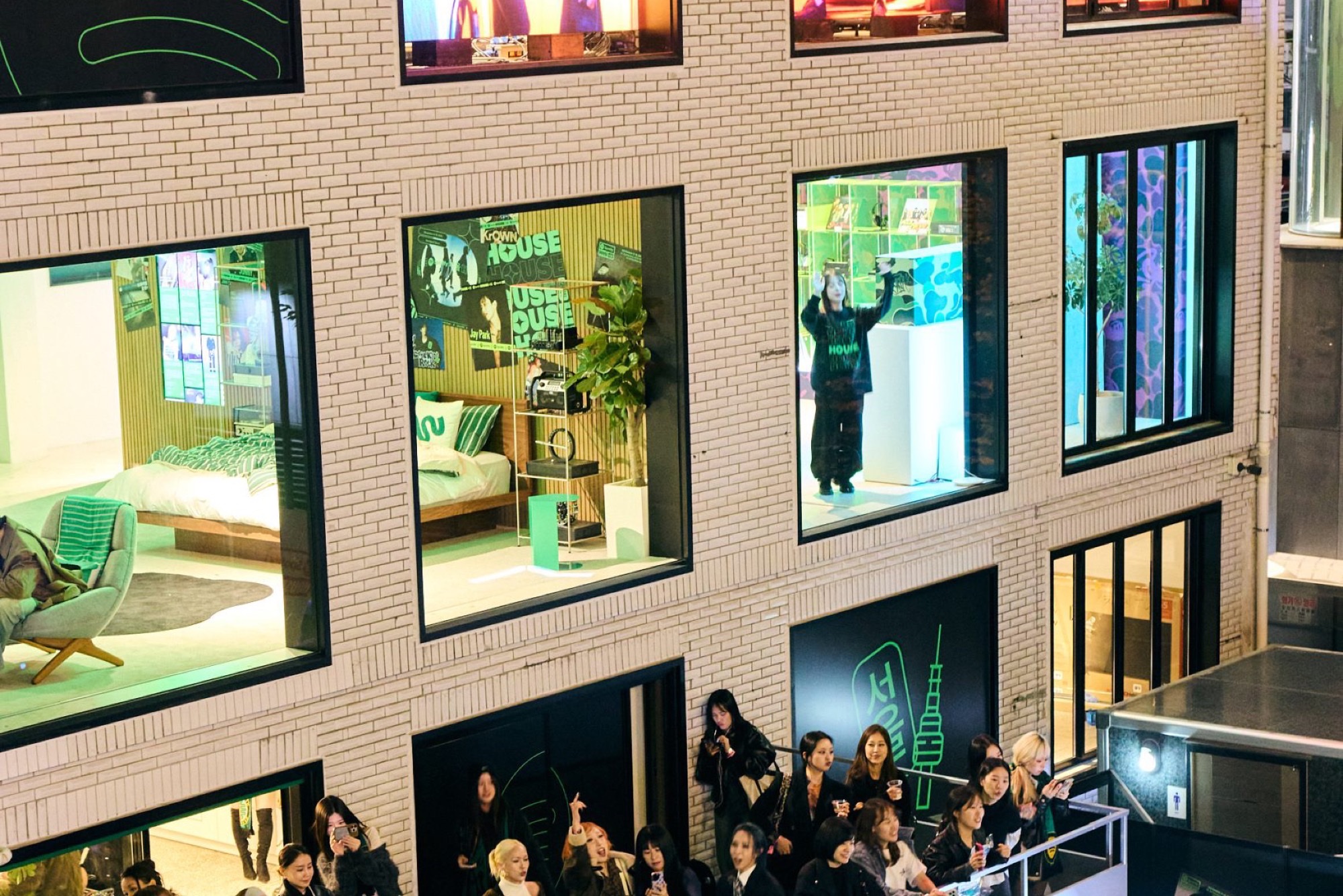
Spotify is coming back to Seongsu with a four-day House, September 10–13 at Anderson C. Three concert nights, then a fourth day that keeps the building open for installations and fan programming without a main-stage bill.
The company is calling it its largest physical footprint in Korea yet. The dates make that easy to believe.
From one night to four days
Seoul’s Spotify House run has grown fast. December 13, 2024 was a single night at SPACE-S50 in Seongsu, the first Korea edition. November 13–15, 2025 stretched to three days at Anderson C. September 2026 keeps the same Seongsu venue and adds a fourth day.
One warehouse party became a weekend, then a long weekend with a dedicated experience day. Streaming companies do not rent that much square footage unless the offline layer is doing work the homepage cannot.
John Han, Spotify Korea’s head of music, framed it as discovery you can feel in a room. Fans should leave with a new artist, a new genre, or a new angle on something they already love. The app already promises that on a phone. The House is the version you can walk into.
What the nights actually sell
September 10 opens as Electronic and K-pop: Diplo with RIIZE, RESCENE, and Yves. RIIZE’s booking matters beyond the poster. The group is the first boy band named for Spotify RADAR Korea, the emerging-artist lane meant to push local acts onto global playlists.
September 11 turns to indie rock with JANNABI, HYUKOH, Silica Gel, KARDI, and RADAR alum can’t be blue. September 12 is hip-hop: Dynamicduo and The Quiett with HAON, NOWIMYOUNG, and Raf Sandou.
Spotify is stacking exportable K-pop, Korean indie prestige, and hip-hop lineage under one branded roof, then holding Sunday for the rooms that turn app features into photo ops. Daytime programming details and guest drops are still under wraps.
Application and registration will be announced in sequence. That matches last year’s pattern: experience zones ran by day, evening concerts needed prior registration.
Our take: treat the concerts as scarce, and the experience floor as the more realistic walk-up story until Spotify Korea posts the forms.
Why Seongsu keeps winning the lease
Spotify could stage this anywhere in Seoul. It keeps choosing Seongsu because the neighborhood already works like a fandom-commerce lab.
Former factories and furniture galleries photograph like sets. Seongsu Station now sits among the city’s busiest stops. Brands cycle through short leases to mint what marketers call digital bricks: images, map saves, and search spikes that outlive the build. Luxury houses, K-beauty flags, and idol pop-ups already treat the district as a content studio with a subway stop.
A streaming company in that mix is making the same bet. When the feed never ends, a real address becomes scarce. Spotify House turns listening history into a weekend fans can actually plan around.
Our verdict
Spotify House Seoul is subscriber and artist marketing wearing event clothes. For anyone actually trying to go: watch Spotify Korea’s channels for RSVP windows, expect evening access to be tighter than daytime rooms, and assume Seongsu is the default whenever a global music platform wants Korea to feel physical.
In 2026, that door keeps opening in Seongsu.