10 Asian-owned beauty brands North American shoppers should know
Ten Asian-founded or Asia-rooted beauty brands with real North American retail or e-commerce presence, selected for shoppers building a routine beyond Sephora aisle defaults.
 The Goldscene Desk
Criteria: founder or brand origin tied to Asia or Asian diaspora communities, products sold to North American consumers in 2026, and enough shelf or site presence that you can actually buy without a forwarding service. We skipped brands that are great in Seoul but invisible in Toronto or Los Angeles.
10. Tatcha (Japan-rooted, U.S.-built luxury)
Vicky Tsai (Taiwanese-American founder) launched Tatcha in 2009 after Kyoto research trips shaped the brand's ritual marketing. Unilever acquired the company in 2017, which pushed distribution deeper into Sephora and department store counters.
Gold-forward packaging and geisha-inspired storytelling made it a gateway luxury brand for shoppers curious about Japanese skin philosophy without flying to Ginza. The violet jar line still reads as "expensive gift" in diaspora holiday shopping.
9. Hero Cosmetics (mighty patch era)
Ju Rhyu co-founded Hero in 2017 after the Mighty Patch hydrocolloid acne sticker took off on Amazon and Target shelves. Korean American founder story meets mass retail: proof that a diaspora-built label can scale through drugstore aisles, not only beauty boutiques.
The brand expanded into cleansers and serums while keeping the patch as hero SKU. Good reference point for how K-beauty ingredients enter U.S. teen routines through problem-solution packaging.
8. Glow Recipe (K-beauty fruit branding)
Sarah Lee and Christine Chang (Korean-American co-founders, ex-L'Oréal marketers) built Glow Recipe in 2014 around fruit-forward textures. Watermelon Glow Niacinamide Dew Drops became a template every competitor copied.
Still useful for beginners who want one recognizable bottle on the shelf. Sephora endcaps and Ulta placement keep the brand in suburban mall geography, not only urban flagship districts.
7. Amorepacific / Sulwhasoo (K-beauty prestige lane)
Amorepacific traces to 1945 in Korea and remains one of the largest beauty conglomerates in Asia. Sulwhasoo is its heritage luxury line built on ginseng science and spa counter rituals.
North American counters and spa positioning matter for diaspora shoppers comparing prestige spend to La Mer or Estée Lauder. Relevant to our Amorepacific North America coverage and luxury beauty expansion stories.
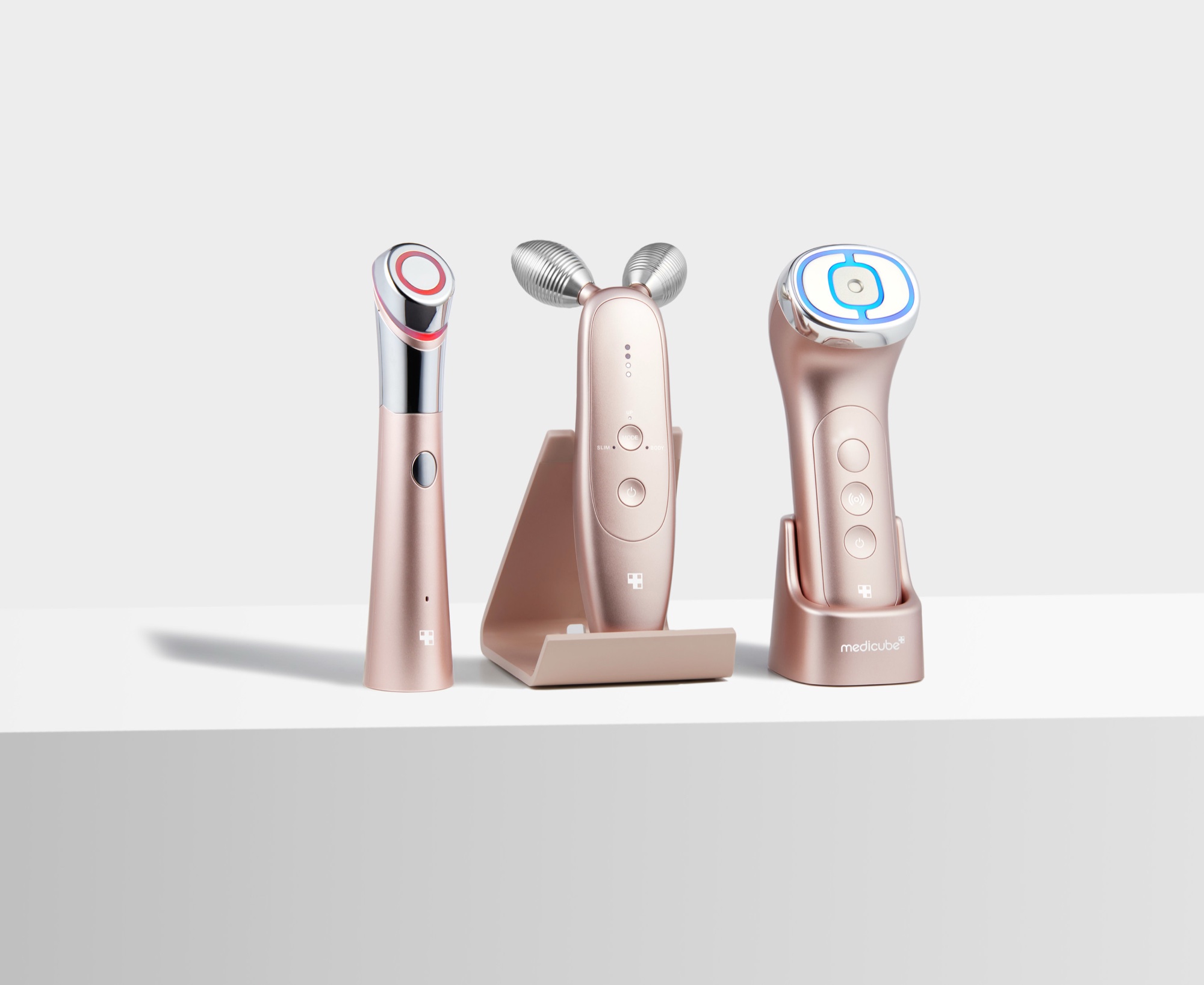
6. Medicube (device + serum crossover)
Korean brand known for AGE-R booster devices and ampoule stacks with clinical white packaging. Aggressive U.S. marketing in 2024 to 2026 targeted TikTok derm-influencers and premium drugstore aisles.
Pair with our Medicube skincare test for how the brand courts Western shoppers. Device bundles justify higher tickets than single serums in a dupe-heavy market.
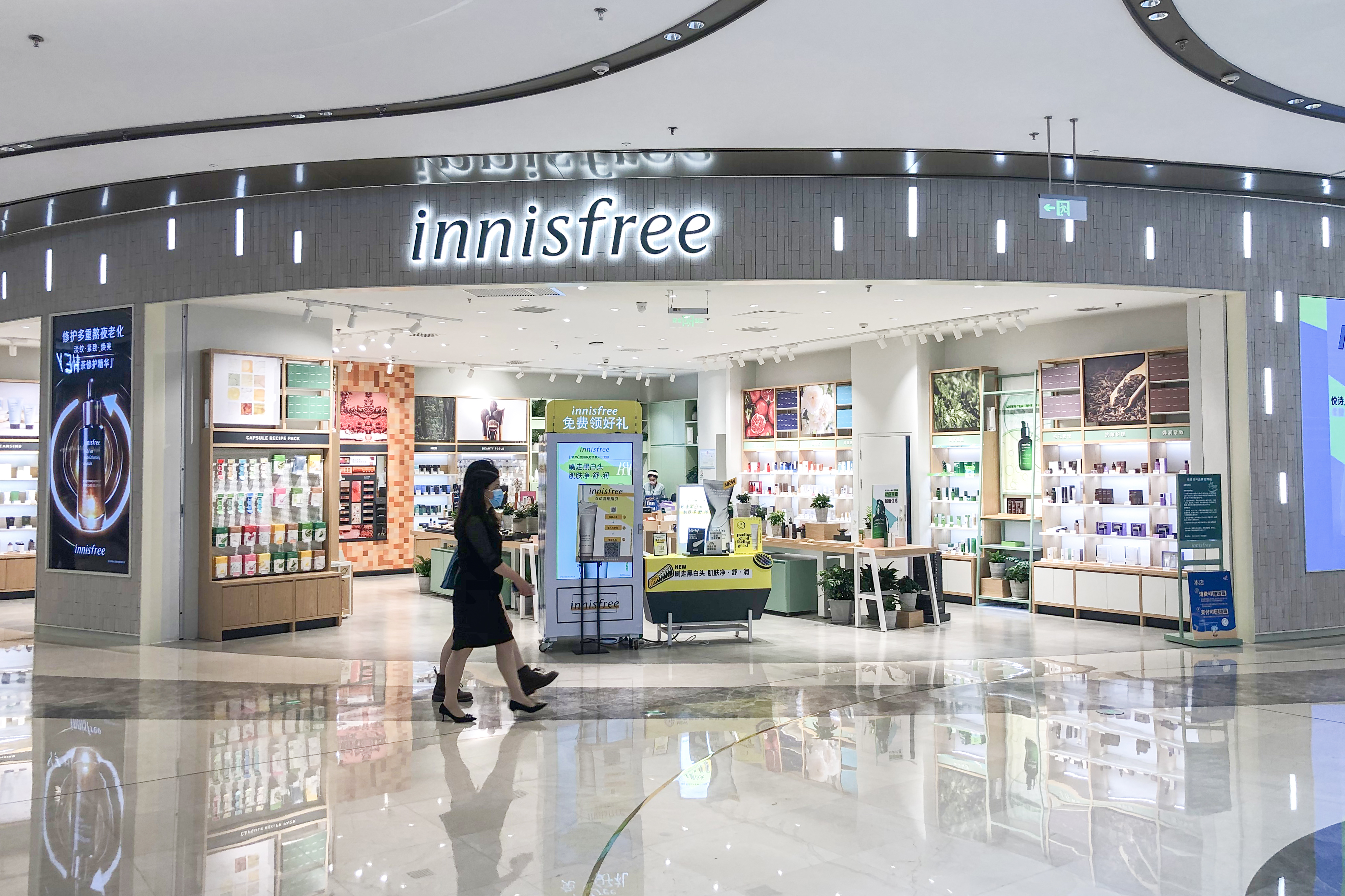
5. Innisfree (Olive Young ecosystem)
Launched in 2000 under Amorepacific, Innisfree built global recognition through green tea lines and eco-store design. The green bottle memory matters for anyone who shopped K-beauty in the 2010s.
Still relevant because Olive Young's Pasadena store imports the retail experience, not only the SKUs. Innisfree is often the first brand new shoppers recognize on those walls.
4. Live Tinted (Indian-American founder, color for all skin tones)
Deepica Mutyala founded Live Tinted after her Huestick multi-use color video went viral in 2015, building a brand around hyperpigmentation-friendly tints and inclusive shade logic. Sephora and Ulta placement made it a reference point for South Asian American beauty entrepreneurship.
The brand sits between makeup and skin care: color sticks that double as blush, lip, and eye products for fast routines. Good for shoppers who want diaspora-founded color science, not only imported Seoul serums.
3. Tower 28 (sensitive-skin makeup, diaspora founder)
Amy Liu (Chinese-American founder) launched Tower 28 in 2019 after rosacea-friendly makeup gaps frustrated her own routine. SOS Daily Rescue Facial Spray and BeachPlease blushes became Sephora staples.
Represents the "clean California" lane adjacent to K-beauty science marketing. National Eczema Association seals and sensitive-skin positioning differentiate it from fruit-juice branding.
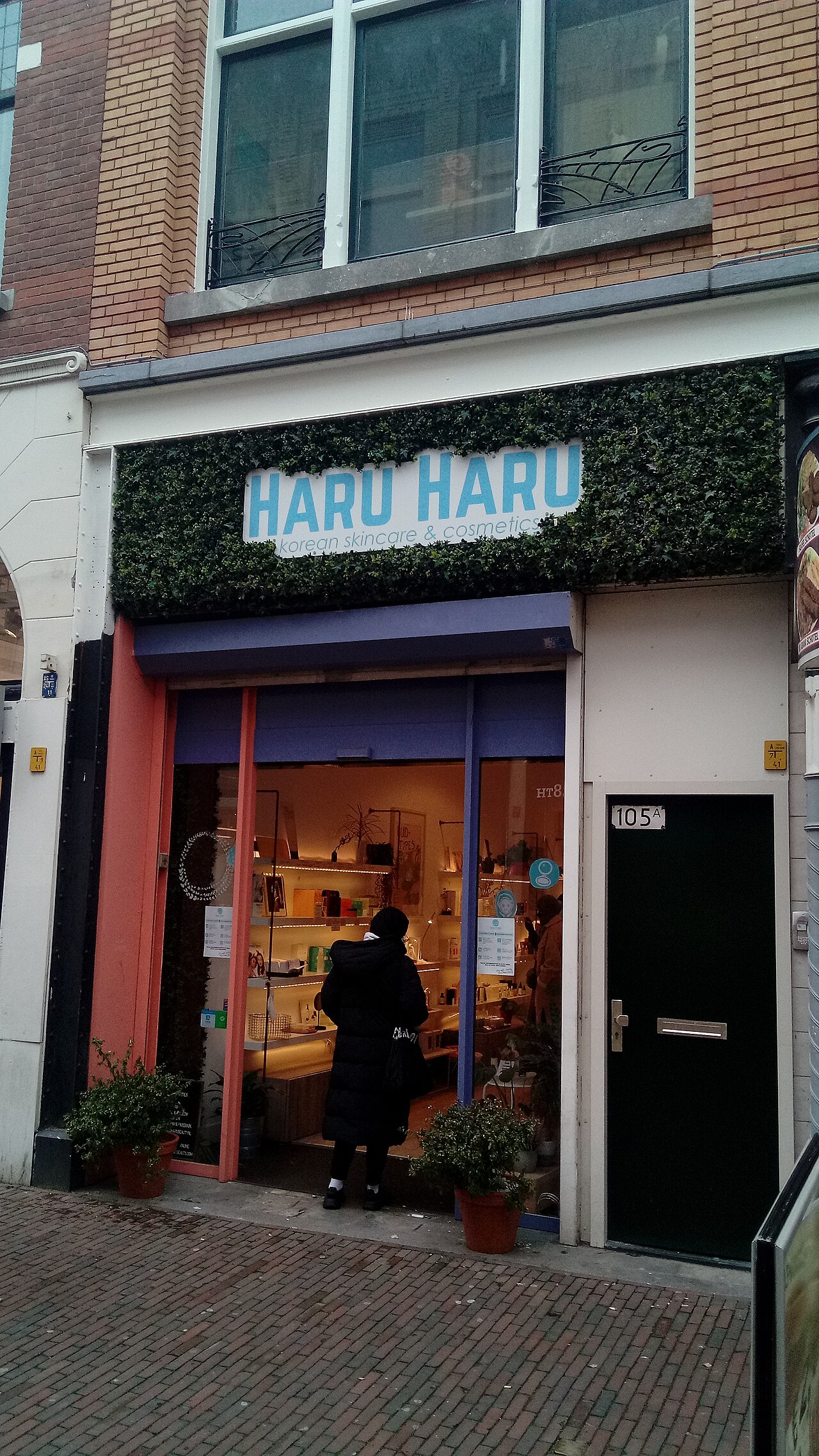
2. BIBI / Feelgood and indie K-beauty imports
Watch smaller houses that win distribution through community retail and TikTok velocity. Korean singer BIBI and label partnerships show how indie labels chase U.S. shelf space through artist co-brands.
Our BIBI Feelgood partnership post tracks that lane. Indie imports often land in H Mart beauty walls months before Sephora notices.
1. The brand your dermatologist cousin already uses
Lists age fast in beauty. The best shelf in 2026 might be the ampoule your cousin mails from Vancouver or the sunscreen your aunt stocks before summer travel. Use this list as a map, not a religion.
If you are building a first routine, read Beauty Counter prestige routine for how shoppers mix drugstore, K-beauty, and luxury layers. Then check whether U.S. K-beauty export growth changes what's on your local shelf next quarter.