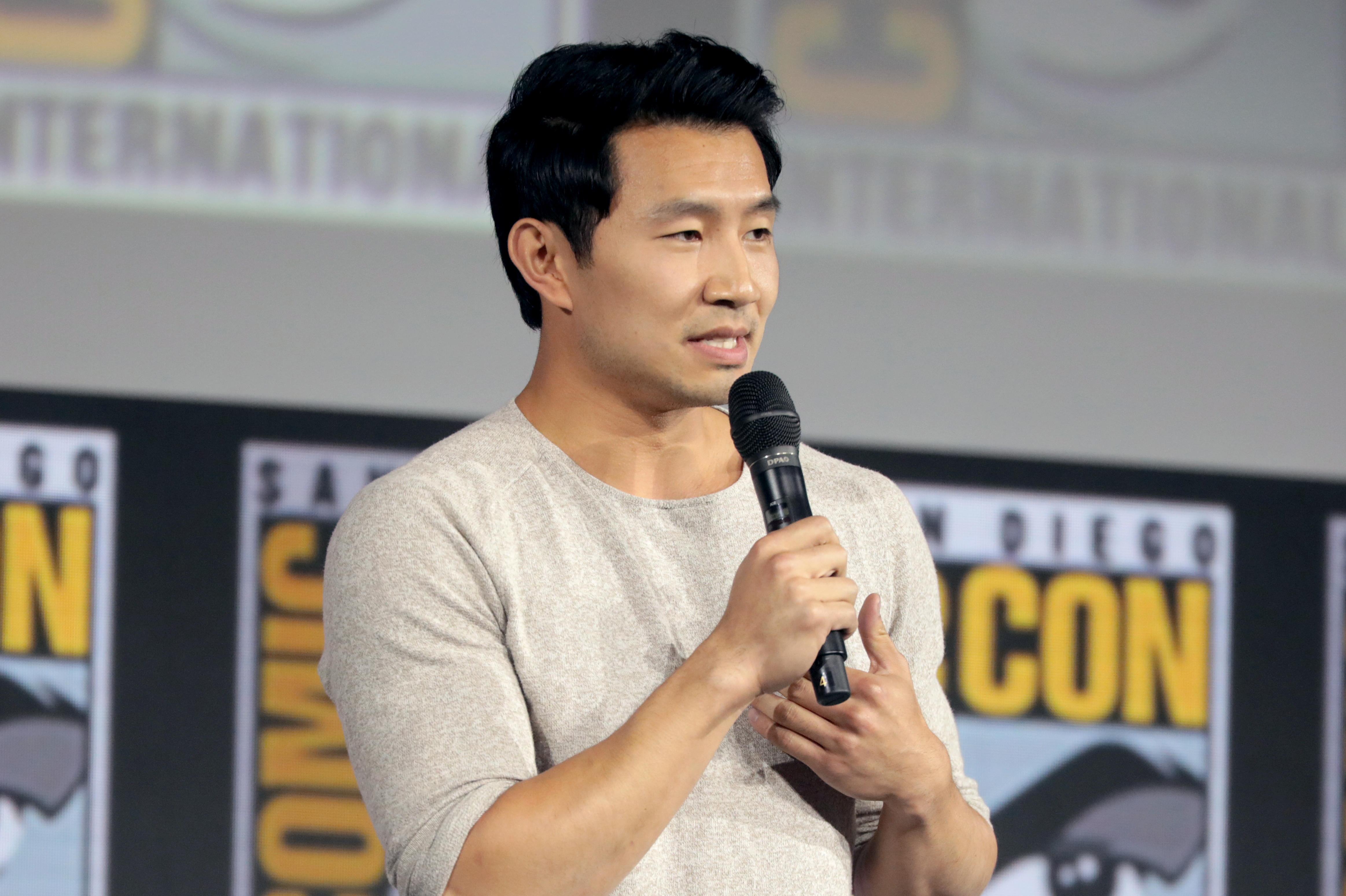
Daniel Wu: the Berkeley-to-Hong Kong bridge actor Hollywood still undervalues
Daniel Wu built a leading-man career in Hong Kong after leaving Berkeley and Oregon architecture school, then crossed into Badlands, American Born Chinese, and a 2026 return via Cold War 1994 and NYAFF's Best from the East.
 Mina Park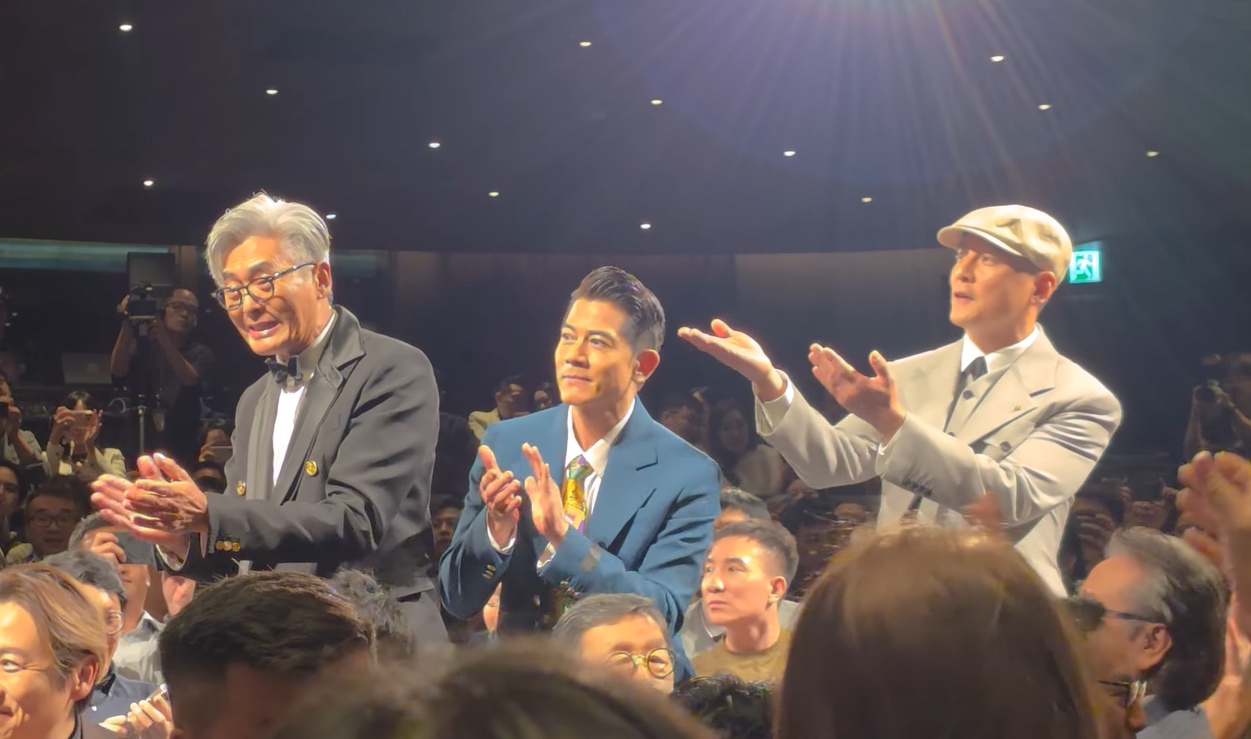
Daniel Wu (Chinese name Wu Yanzu / 吳彥祖) is a Chinese American actor, director, and producer born on September 30, 1974 (Libra, Wood Tiger) in Berkeley, California, and raised in Orinda. He is 51. Third-generation Chinese American with Shanghai family roots that passed through Taiwan and Hong Kong before California, he is the rare diaspora star who topped Hong Kong call sheets for decades before Hollywood offered him a lead on American television.
If you only met him at NYAFF 2026 collecting the Best from the East Award beside Cold War 1994, the fuller story is a bridge career: architecture dropout turned Cantonese leading man, Golden Horse winner, Into the Badlands executive producer, Monkey King on Disney+, and now a deliberate return to Hong Kong franchises while calling Hollywood's Asian-male ceiling "crumbs."
Berkeley, Oregon, then the 1997 handover
Wu's mother, Diana, is a university professor; his father, George, an engineer. He watched Chinatown movies with his grandfather, started wushu at 11 after Jet Li and Donnie Yen, and treated Jackie Chan as a childhood model who later called him "like a son." He attended Head-Royce School in Oakland, then majored in architecture at the University of Oregon, founding the campus wushu club in 1994 and coaching it. Film classes and Kurosawa nights competed with studio all-nighters.
In 1997, after graduating, he went to Hong Kong to witness the handover. Broke after overspending in Japan, he took a commercial that paid enough to stay. Director Yonfan saw the ad and offered him the lead in Bishonen. Wu did not speak fluent Cantonese and had never acted. He said no, then yes under pressure. The accidental debut became a career.
Hong Kong made him a leading man
From 1998 he stacked more than 60 Chinese-language films. City of Glass brought an early Hong Kong Film Award Best New Performer nomination. Benny Chan's Gen-X Cops made him a youth-action face. Derek Yee became the director who redirected him from romantic leads toward darker work across films including One Nite in Mongkok, Protégé, and Drink-Drank-Drunk. Wu has likened that partnership to a Scorsese-De Niro shorthand: commit first, trust the direction.
Jackie Chan's New Police Story (2004) delivered a Golden Horse Best Supporting Actor win. In 2006 he wrote, directed, and produced The Heavenly Kings, a mockumentary about a fake boy band that won Best New Director at the Hong Kong Film Awards. Crime ensembles like the Overheard trilogy kept him inside the city's prestige-action lane. He married model and host Lisa S. (Lisa Selesner) in South Africa on April 6, 2010. Their daughter was born in May 2013.
Hollywood, Badlands, and the representation seat
Wu spent years bouncing one American project and one Asian project. Hollywood features included Around the World in 80 Days, The Man with the Iron Fists, Warcraft, Geostorm, Tomb Raider, and Reminiscence. The breakthrough that mattered for North American diaspora audiences was AMC's Into the Badlands (2015–2019), which he starred in as Sunny and executive produced. In a TheWrap essay he wrote that Asia let him be cast for fit, not race, and that Badlands forced him to accept being one of the few Asian men carrying American action TV.
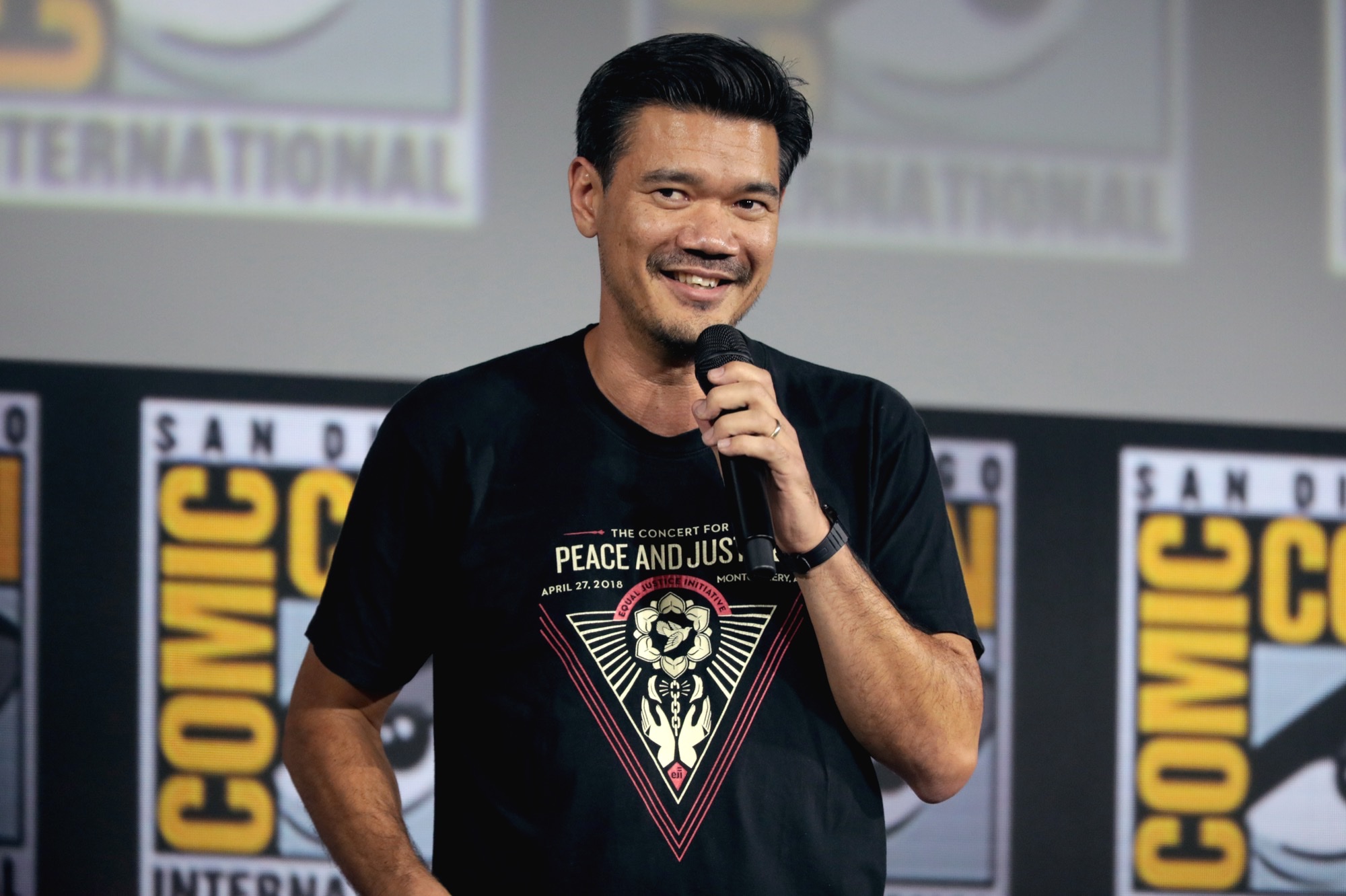
Disney+'s American Born Chinese (2023), adapted from Gene Luen Yang's graphic novel, cast him as Sun Wukong, a father-Monkey King opposite Michelle Yeoh's Guanyin, with Destin Daniel Cretton among the directors. Our Cretton People profile covers that MCU-adjacent lane. Wu has said the dad-and-rebel-son myth tracked his own parenting. HBO's Westworld added another American franchise credit. Through it all he kept arguing the industry's Asian-male ceiling never really opened: interesting roles thinned into stereotypes again after the post-Crazy Rich Asians bubble.
Cold War, Twilight, and the NYAFF homecoming
Cold War 1994, written and directed by Longman Leung for Edko, opened Hong Kong on May 1, 2026, after a Shenzhen premiere. It is the first half of a two-part prequel to the Cold War films that topped Hong Kong box office in their years. Wu plays a younger Peter Choi opposite Terrance Lau, tracing how an eventual antagonist gets there through compromised choices. He told Variety he never consciously quit Hong Kong film; the pandemic and U.S. bases simply stretched the gap after Caught in Time (2020). Returning meant rice-box lunches, familiar crews, and a production scale he called rare.
He is also in Soi Cheang's Twilight of the Warriors: The Final Chapter, the sequel to 2024's Walled In, Hong Kong's second-biggest commercial hit of that year and a Hong Kong Film Awards sweep. The new chapter moves toward the 1993 Kowloon Walled City demolition. Wu, who studied the Walled City's architecture in school, has been filming with a shaved-head look while still framing both projects as proof Hong Kong cinema is in something closer to a renaissance than a funeral.
NYAFF's Best from the East Award in July 2026 made the North American festival circuit say the quiet part: the Chinese American who built his stardom east of Hollywood is the bridge the festival wants to honor. He has said he feels neither fully of one industry nor the other, but both at once. That is the Goldscene reason to keep the page bookmarked.
Our read
Wu's career inverts the usual diaspora soft-power script. Hollywood did not anoint him, then Asia borrowed the glow. Asia made him a star first. America got the martial-arts TV lead, the Monkey King, and the essays about crumbs. Hong Kong got him back for Cold War and Twilight when the city needed franchise muscle and 1990s memory on screen.
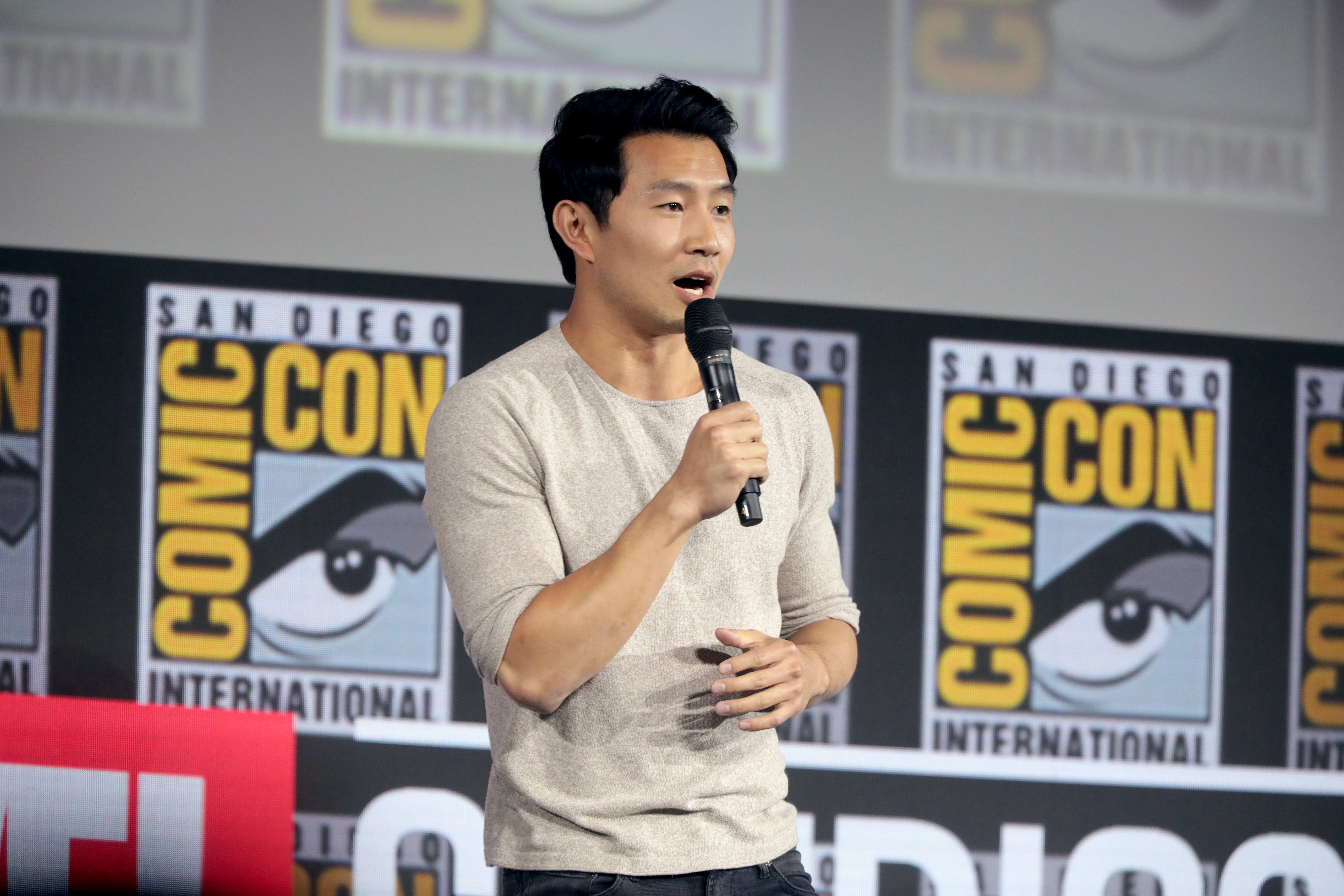
Start with New Police Story or One Nite in Mongkok for the Hong Kong craft peak, Into the Badlands for the U.S. action argument, American Born Chinese for the myth-and-dad lane, and Cold War 1994 if you want the 2026 return live. Pair with Simu Liu's representation fight and July Soft Power Index when you are mapping who actually moved between systems without waiting for a studio permission slip.