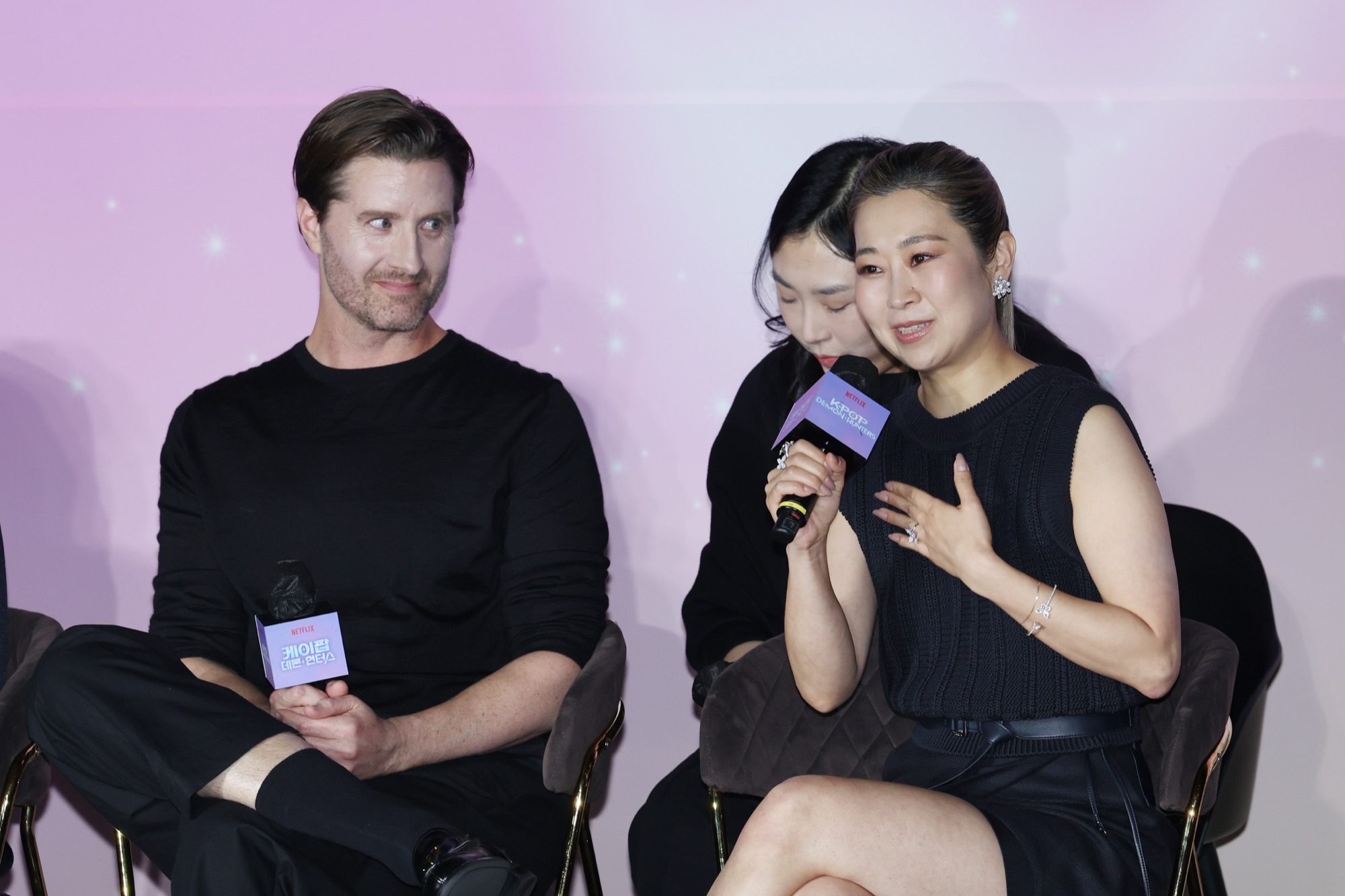
Maggie Kang: the Korean Canadian director who made Netflix's biggest film
Maggie Kang spent two decades in Hollywood story rooms before selling KPop Demon Hunters to Sony in a week. The Korean Canadian director then became the first filmmaker of South Korean descent to win the Oscar for Best Animated Feature.
 Mina Park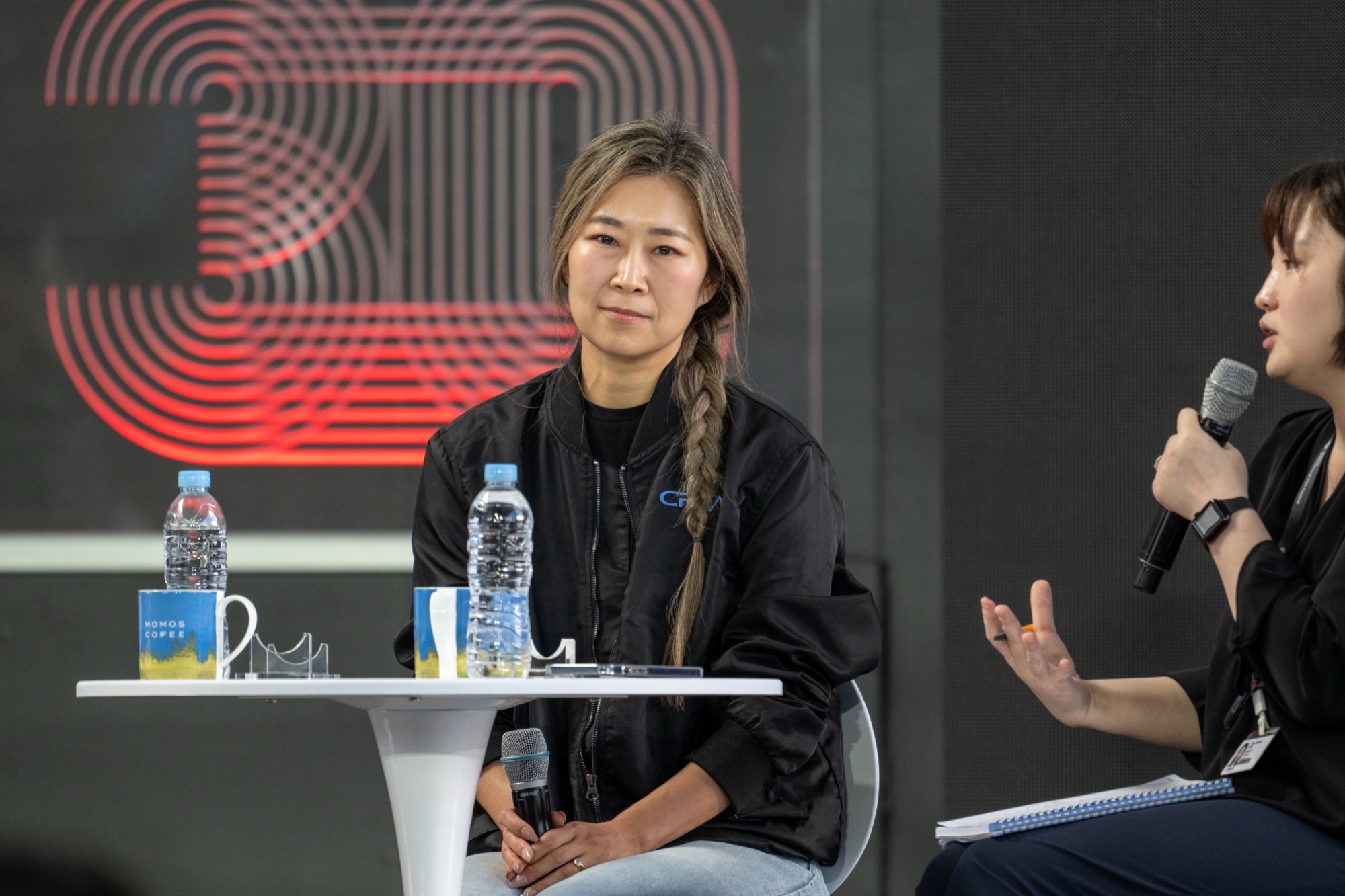
Maggie Kang (Korean name Gang Minji) is a Korean Canadian director and story artist born on June 10, 1981 (Gemini, Metal Rooster) in Seoul. She is 45. Her family moved to Toronto when she was five for her father's work, settled in North York, and kept Korea close through summers with cousins and a house full of films. If diaspora readers only know her as the KPop Demon Hunters name on a Netflix card, the fuller story is a two-decade animation résumé that finally got to pitch something culturally Korean on Hollywood scale.
She is also the reason a year-old Sony Pictures Animation acquisition still sits as Netflix's most-watched film of all time. Our Brand Watch on those viewership numbers covers the catalog math. This profile covers the person who forced the idea into existence.
Toronto, Sheridan, DreamWorks
Kang grew up with a cinephile father who treated TIFF Cinematheque like a second job and once handed her a Disney animation book that made the career feel real. She studied classical animation at Sheridan College outside Toronto, then got scouted by DreamWorks on industry day. Story-artist credits stacked across Over the Hedge, Madagascar: Escape 2 Africa, Shrek Forever After, Puss in Boots, Rise of the Guardians, Kung Fu Panda 3, Trolls, and The Croods: A New Age. She later worked at Illumination on Minions: The Rise of Gru and served as head of story on The LEGO Ninjago Movie at Warner Animation Group.
That is the long apprenticeship under the hit. By the time she was ready to direct, she already knew how studio rooms flatten female characters and how rarely Korean folklore got financed as anything but side texture.
The week Sony said yes
In 2018, driving with husband and fellow animator Radford Sechrist while their baby slept in the back seat, Kang sketched a one-line concept: Korean demonology, demon hunters, and K-pop. She pitched producer Aron Warner, her old Shrek Forever After collaborator then at Sony on Wish Dragon. He wanted it immediately. Within a week Sony had a development deal.
Inspirations she has named in interviews are specific: TWICE and BLACKPINK for the fictional girl group HUNTR/X, Monsta X for the rival Saja Boys, and Bong Joon-ho's The Host for the permission to juggle comedy, horror, romance, and action in one frame. Sechrist helped merge the myth and idol halves, designed Derpy Tiger from minhwa folk-art tigers plus the family cat, and storyboarded heavily. EJAE's song demos helped push greenlight. Chris Appelhans, fresh off Wish Dragon, joined as co-director and co-writer after Sony paired them; Kang has said she respected how he moved to China to make that film with a Chinese crew.
What the film actually argues
KPop Demon Hunters landed on Netflix on June 20, 2025. Speaking voices for Rumi, Mira, and Zoey came from Arden Cho, May Hong, and Ji-young Yoo; singing voices from EJAE, Audrey Nuna, and Rei Ami. Kang has been clear that she wanted a Korean story about Korean characters living in Korea, told in English by an American studio, not a flattened Korean American tourist narrative. Shame, double lives, and friendship sit under the choreography. The public face is manicured idol polish. The private face is bare and imperfect. That split is the movie's soft-power thesis as much as any demon fight.
The character Rumi predates the film: Kang and Sechrist designed her for his skate crew years earlier, then named their daughter after her. Their daughter later voiced young Rumi on screen. The personal loop is not cute trivia. It is how original IP actually gets stubborn enough to survive seven years of production.
Oscars, Seoul, and a Key to Toronto
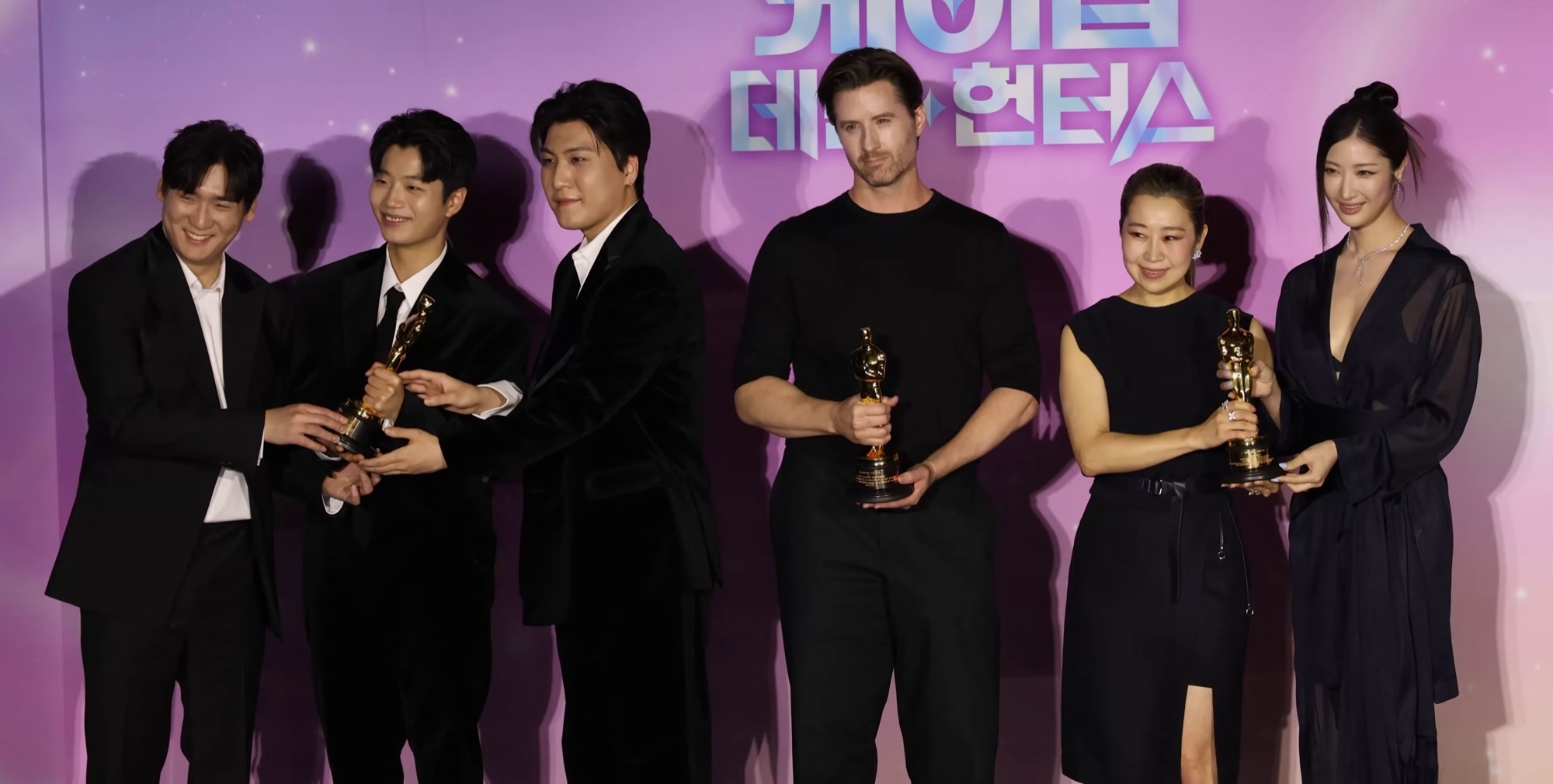
Awards season made the institutional receipt official. Kang, Appelhans, and producer Michelle L.M. Wong took the Oscar for Best Animated Feature in March 2026, with Kang and Wong becoming the first people of South Korean descent to win the category. "Golden" won Best Original Song the same night. Kang's speech cut through the usual thank-you fog: she apologized to people who look like her for how long it took, then dedicated the win to Korea and Koreans everywhere.
Korea answered earlier with the Okgwan Order of Cultural Merit at the 2025 Korea Content Awards. Toronto answered in May 2026 when Mayor Olivia Chow presented Kang the Key to the City at Departure Festival, naming Sheridan roots and the film's friendship-and-belonging spine. Our earlier Who's Rising note on her Korea honor caught the first wave. The dual civic story is the point: home-country cultural merit and the Canadian city that trained her both claimed the same career.
What she is building now
Netflix locked Kang and Appelhans into a multiyear exclusive writing-and-directing animation deal, with the KPop Demon Hunters sequel as the first project and Sony Pictures Animation producing again. Sony bosses have already signaled that a 2029 target may be optimistic given how long features of this scale take. Franchise extensions around the film keep multiplying: merch, concert plans with AEG, and the kind of soundtrack afterlife that keeps the title in living rooms between theatrical windows.
In April 2026 she also appeared in BTS's KEEP SWIMMING with BTS short documentary series, talking about Korean identity after decades abroad and the need to stay fearless enough to make something original. For a director whose breakout arrived after twenty years of other people's movies, that line reads less like slogan and more like method.
Our read
Kang is not an overnight soft-power accident. She is what happens when a Seoul-born, Toronto-raised story artist waits until she can sell Korean myth and K-pop without sanding either into Western safety. The Netflix numbers prove demand. The Oscar speech named the lag. The sequel deal asks whether Hollywood will keep paying for that specificity once the first miracle is priced in.
Start with KPop Demon Hunters if you somehow skipped it. Then read the all-time views Brand Watch for the platform stakes, and keep July Soft Power Index nearby when you are tracking which diaspora creators actually move the culture calendar, not just the group chat.