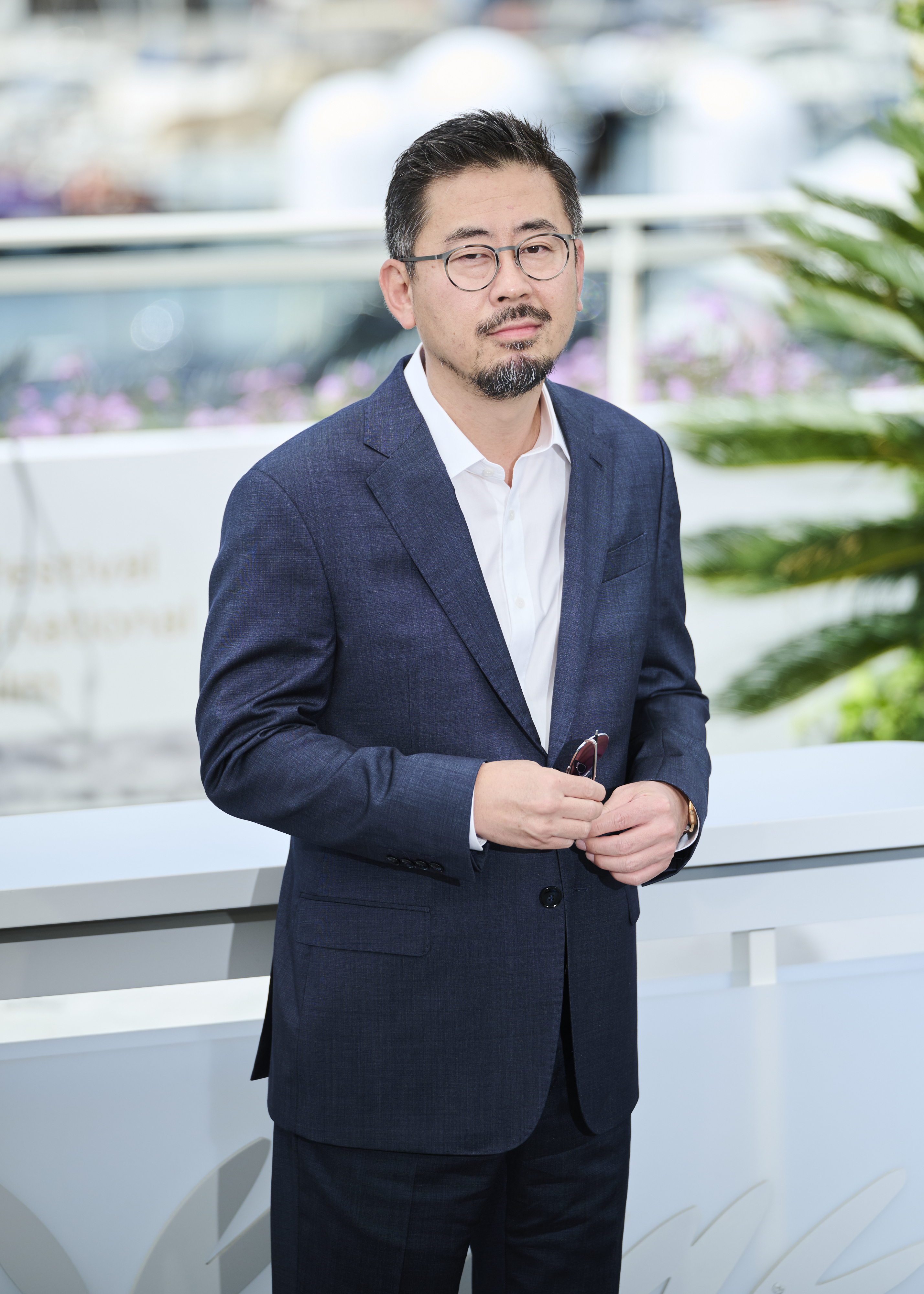
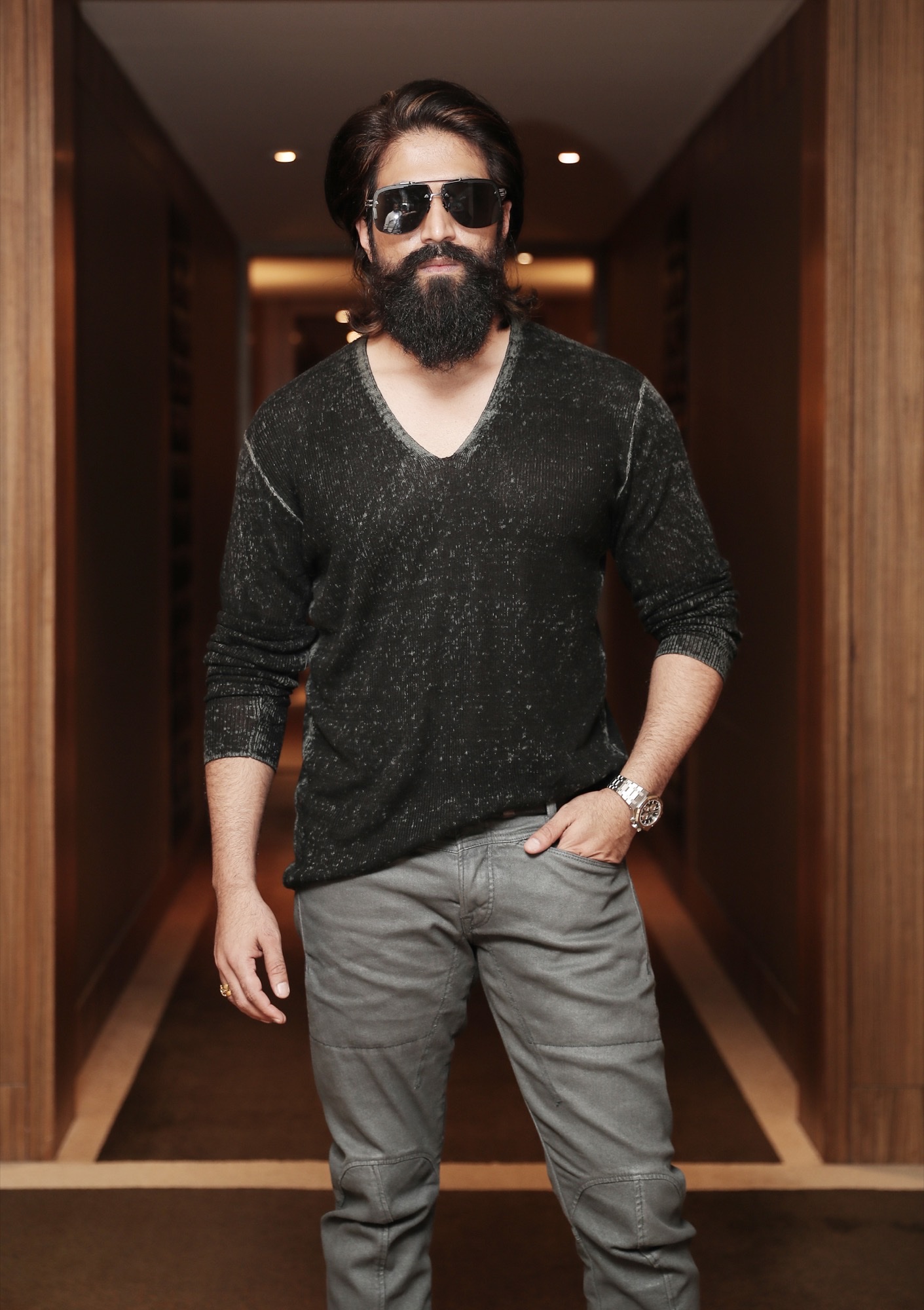
Theja Rio: the Nagaland director who just walked Angh into the Oscar race
Thejavituo Rio, the Kohima-born director of Angh, won TIFF’s Platform Prize with a Konyak-language debut shot on 16mm in Nagaland, earning a festival route into the 2027 Oscar international race beside India’s official entry.
 Mina Park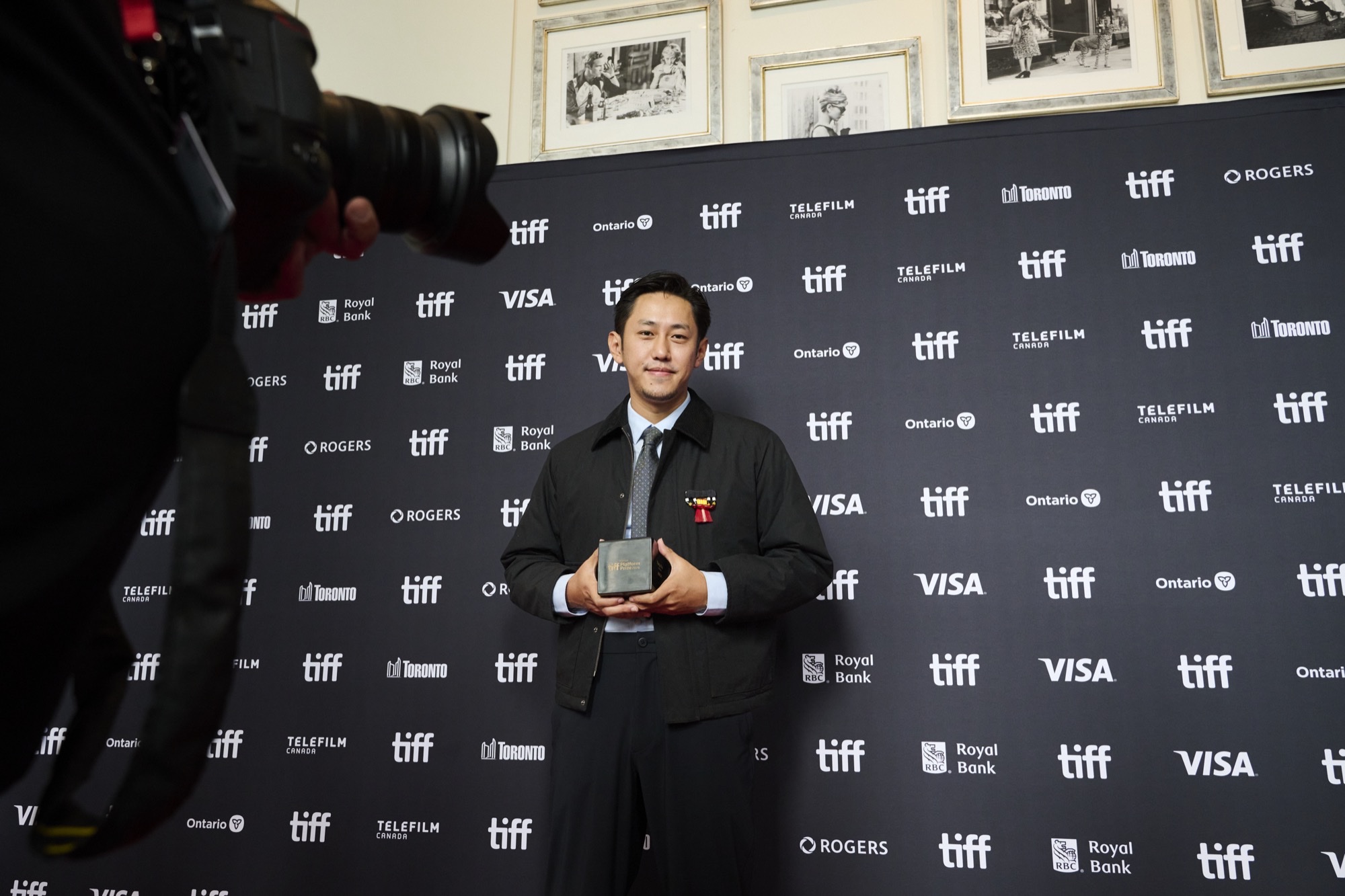
Theja Rio was born Thejavituo Rio on January 10, 1995 (Capricorn, Wood Dog) in Kohima, Nagaland. He is 31.
If the name is new in your group chat, start here. This month his debut feature Angh was the only Indian film in TIFF’s Platform competition, then won the prize. Under new Academy rules, that win puts a non-English film into Oscar international consideration without needing to be a country’s official pick.
That is a steep climb for a director who still describes the film industry at home as almost nonexistent. Our read: Rio is proof that a Naga story, told in Konyak with village casts and 16mm grain, can clear a major North American festival gate on its own terms.
Kohima, Delhi, Beaconsfield
Rio grew up in Kohima writing rap lyrics before short stories and scripts. He moved to Delhi as a schoolboy, studied English literature at Delhi University, then earned a master’s in directing fiction at the UK’s National Film and Television School in Beaconsfield.
He has said he became possessive of his pages early. Directing was the way to keep the vision intact.
Producer Nancy Nisa Beso, a Naga producer and family friend with credits including The Sky Is Pink and Raam Reddy’s The Fable, guided him through European film labs before NFTS and has produced his work from the beginning. Private Nagaland investors later backed the feature when the shorts started traveling.
The short-film apprenticeship
Rio’s early shorts mapped the region before the feature did. Checkpost (2018), a Dimapur-set border thriller about smugglers stumbling into a rural police stop, won Best Screenplay at the Delhi Shorts International Film Festival.
Angh (2021), the short that became the feature’s seed, earned a special mention at Clermont-Ferrand after he wrote it in 2018 and shot it in 2019 on Super 16.
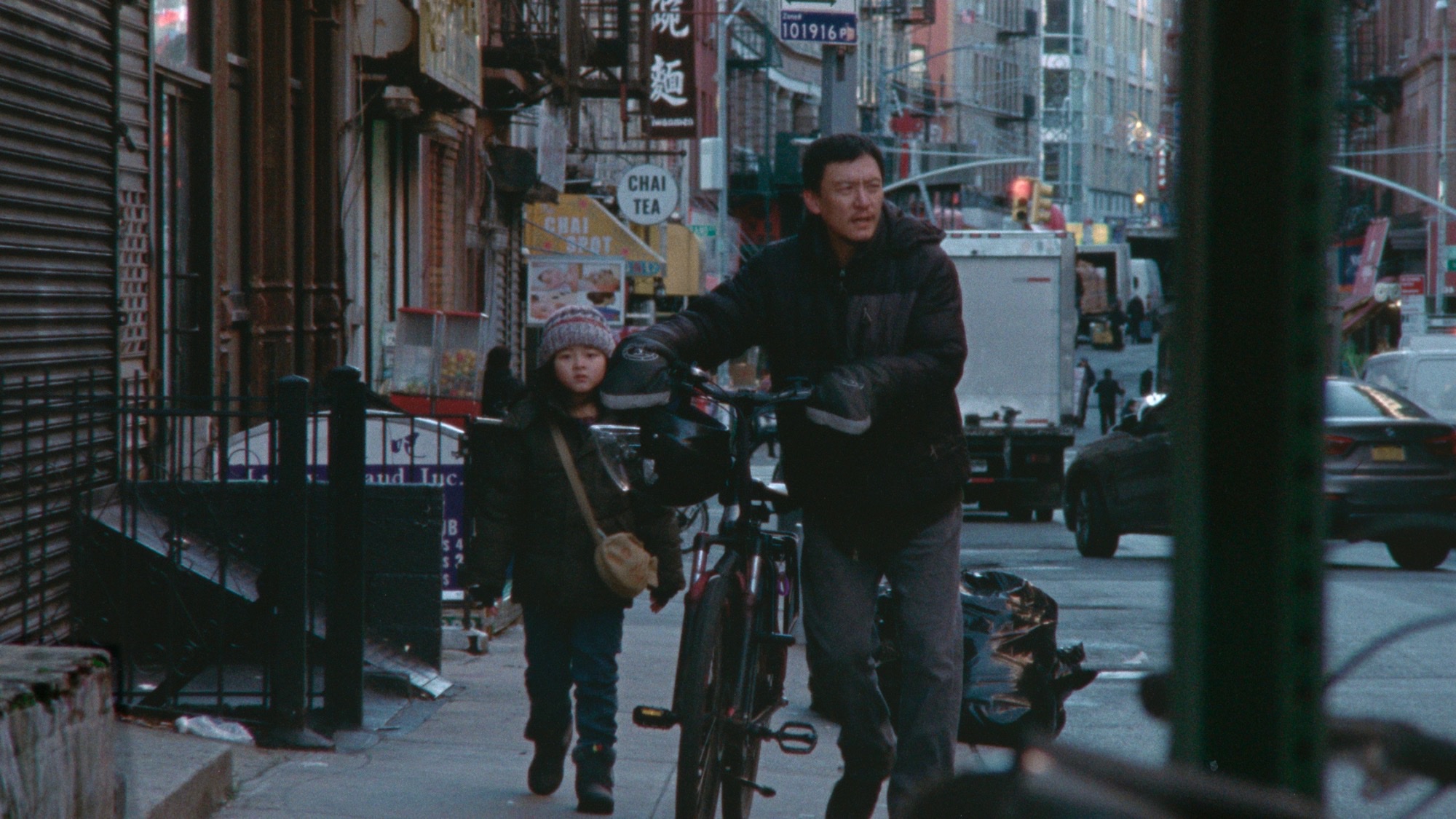
Ade (On a Sunday) (2024) shifted languages and tone. Shot on 16mm in Pfuchama village with non-professional kids, the Tenyidie-language short follows two boys who skip Sunday school and wander into adult trouble. It played Rotterdam, Toronto, Lisbon, and LA, then took MAMI Mumbai’s Royal Stag Large Barrel Short Film Award.
At NFTS he also made Remains (2024), a UK-set postcolonial horror about a Windrush migrant hired onto an estate that collects colonial objects, including people. Faith, uprooting, and who gets to keep a culture sit under almost every title before the feature arrives.
What Angh actually is
Angh premiered at TIFF on September 15, 2026, and runs about 103 minutes in Konyak. The title names a Konyak village chief.
Set in the 1960s near the India-Myanmar border, it follows Anghba (Anghlong Konyak), an aging chief who stays in a deserted village with his ailing wife and mute young son Amao (Sobino Rengma). An American Baptist missionary, played by BAFTA winner Douglas Henshall, arrives as the old world thins out.
Rio co-wrote with James Davis. Polish cinematographer Adam Pietkiewicz shot on 16mm and took TIFF’s Variety Artisan Award for the work. Producers include Beso, Rio, Jai Vir Rodgers, and Bernardo Angeletti, with Jungle Book Studio handling sales after buying rights before the premiere.
Most of the Naga cast came from village street casting. Rio has said there is almost no professional actor pool to pull from at home.
He has been careful about the Christianity question. He is Christian himself. The film, he has said, comes from internal conflict, which is why he tried to keep the camera from preaching.
Screen Daily called the result an elegy without outdoor violence. The blows land on spirit and inheritance instead.
Platform, Oscars, and the second door
On September 20, Angh won TIFF Platform. Under the Academy’s 99th Oscars rules, that festival prize is one of six awards that can qualify a non-English feature for International Feature consideration even if a country has already chosen someone else.
India’s official submission this cycle is Santosh Davakhar’s Marathi film Gondhal. Angh enters beside it through the festival door.
Eligibility is not a nomination. It still has to survive shortlist and voting. For a debut from a state where TIFF South Asia advisor Meenakshi Shedde has noted a Naga film has never even been released in a Naga theater, the door itself is the story.
Our read
Rio’s useful model is stubborn locality plus craft patience. He did not wait for Bombay to invent a Northeast slate. He built shorts until a feature could carry Konyak, non-actors, and 16mm into Platform, then let the new Oscar route do what the old submission gate never promised.
Watch Angh when a theatrical or streaming window lands. Until then, keep him next to our Na Hong-jin and Destin Daniel Cretton profiles when you are mapping Asian directors who treat place as the plot. Our Asian film festivals development system piece is the wider map for how these names usually travel.