Asian film festivals are quietly becoming North America’s missing development system
AAIFF closes tomorrow. CAAMFest and VC Film Fest wrapped in May, and Reel Asian’s 30th is November. These fests fund, mentor, and premiere work that Hollywood still treats as a side bet.
 Mina Park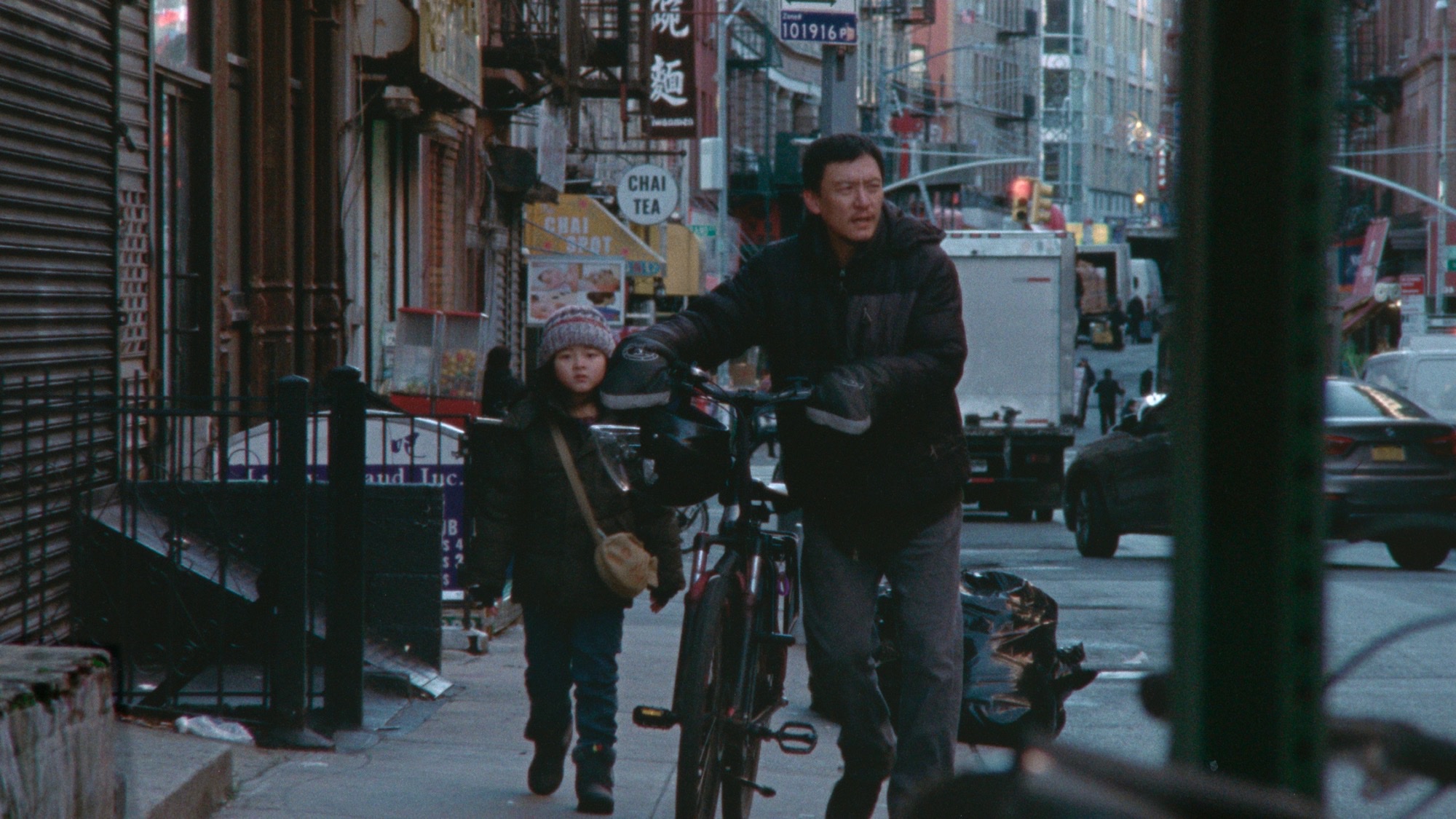
AAIFF49 closes tomorrow in New York. CAAMFest and the VC Film Fest already wrapped their 2026 editions in May. Reel Asian’s 30th anniversary lands in November.
If you want a first Asian American or Asian Canadian feature made, this is where the money, mentors, and first audience actually are.
Our read: buyers still wait for a Sundance miracle. These fests do the year-round work, then bring the film home after Cannes or TIFF has already had the premiere.
This year’s circuit
The Asian American International Film Festival, staged by Asian CineVision since 1978, is the country’s oldest festival built for Asian, Asian diaspora, and Pacific Islander cinema. This 49th edition ran July 30 through August 9 in New York and online, with works in progress, a screenplay competition, and emerging-director awards next to the public slate.
NYAFF just finished the pan-Asia run at Lincoln Center. AAIFF is the local filmmaker week. Our opening-week map is still the practical ticket guide.
CAAMFest, the Center for Asian American Media’s San Francisco festival, closed May 10 after four days in Japantown. Eighteen screenings sold out. The Filmmaker Summit and Industry Hub were the other half of the week.
CAAM executive director Donald Young called the job a convening space as much as a theater draw. Sapana Sakya, who runs talent development there, put 19 CAAM-supported documentaries on this year’s lineup. That is a funder wearing a festival badge.
Visual Communications’ Los Angeles Asian Pacific Film Festival, also called the VC Film Fest, wrapped its 42nd edition in early May. Golden Reel winners in narrative and documentary shorts become Academy Award eligible.
Armed With a Camera, the fellowship VC has run since 2002, has now backed more than 175 Asian American, Native Hawaiian, and Pacific Islander filmmakers. Each fellow gets a $2,500 personal stipend plus $2,500 for the project and a world premiere at the next LAAPFF. C3 is the industry conference attached to the festival.
Toronto’s Reel Asian turns 30 from November 11 to 21, with a Canada-wide online window November 16 to 29. Founder Anita Lee now runs programming at TIFF. A community fest trained the person booking Canada’s biggest festival.
Artistic director Aram Collier still describes the job as helping filmmakers find their people and their audiences. Pitch! is open through August 18, with a $5,000 prize and an in-kind production package. A national TV writing program ends in a festival table read.
San Diego’s SDAFF, run by Pacific Arts Movement, is the other West Coast stop. Reel Voices trains county high-schoolers to premiere docs at the fest. The George C. Lin Emerging Filmmaker Award is the programmers’ pick for a first feature. Andrew Ahn took it in 2016 for Spa Night, then made Fire Island for Searchlight and Hulu. Lloyd Lee Choi took it in 2025 for Lucky Lu, then won LAAPFF’s Grand Jury narrative prize in 2026.
What you get
Start with a short. AWC in Southern California, Reel Voices in San Diego, or AAIFF’s youth and shorts juries. You leave with a premiere date and a credit you can use.
Move a documentary. CAAM’s Documentary Fund still writes roughly $10,000 to $50,000 toward public-television length. Liquor Store Dreams, So Yun Um’s Korean American liquor-store portrait, premiered at Tribeca, took SDAFF’s George Lin award, then landed on PBS’s POV with CAAM as co-presenter.
Finish a first feature and you want a city premiere plus reviews and Q&As. AAIFF prioritizes New York premieres. CAAMFest runs narrative and documentary competitions. LAAPFF can make a short Oscar-eligible. Reel Asian is the Canadian feature home, especially if TIFF already passed.
Thomas Percy Kim’s Isle Child, AAIFF49’s centerpiece, still needs that kind of week while it hunts wider distribution.
After a bigger festival, bring it home anyway. Justin Chon has called LAAPFF his living room. Justin Lin used Visual Communications as headquarters while he maxed out credit cards on Better Luck Tomorrow, then Sundance and MTV Films changed the rest.
Lucky Lu, Choi’s delivery-driver debut produced by Destin Daniel Cretton, premiered in Cannes Directors’ Fortnight with WME Independent handling North America. SDAFF and LAAPFF came after. They did not write the first check. They put the film in front of the audience that already knows the story.
Who shows up with money
Indie distributors still go to Sundance, TIFF, Cannes, SXSW, and Tribeca. When they add a smaller stop, it is usually AFI Fest or Fantastic Fest, not AAIFF.
Deanna Wong, Reel Asian’s executive director, has said there was a time when a TIFF berth meant the filmmaker no longer needed the community fest. She does not believe that anymore. A prestige premiere is not a career by itself.
These festivals will not replace Sundance for acquisitions. They cover the year in between: labs, PBS money, Oscar-qualifying shorts, and proof that a film plays.
Hollywood still acts surprised when an Asian American director scales, as we mapped in our indie-to-tentpole list. That surprise is on the studios, not the pipeline.
If you are mapping the year, start with the North America festival calendar, the AAIFF guide, and the Reel Asian guide. Submit the short. Take the fellowship. Play the hometown screening even after Cannes.