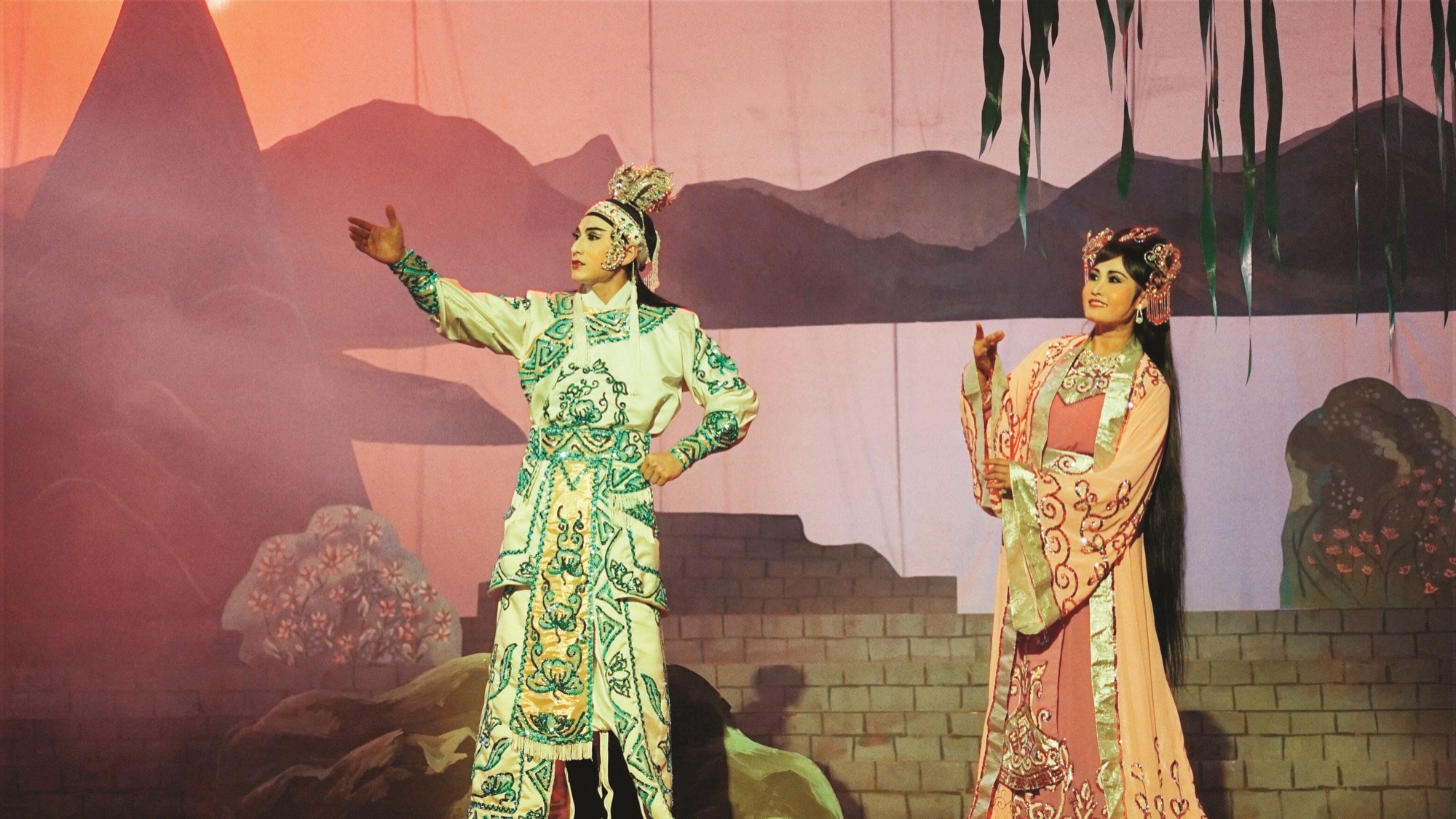
Bangladesh's first Venice feature is a Dhaka beauty-parlour body horror. TIFF is next.
Rubaiyat Hossain's The Difficult Bride became the first Bangladeshi feature in Venice Orizzonti, then heads to TIFF with ticketed screenings mid-September. The Soft Power story is bridal beauty turned into feminist body horror.
 Mina Park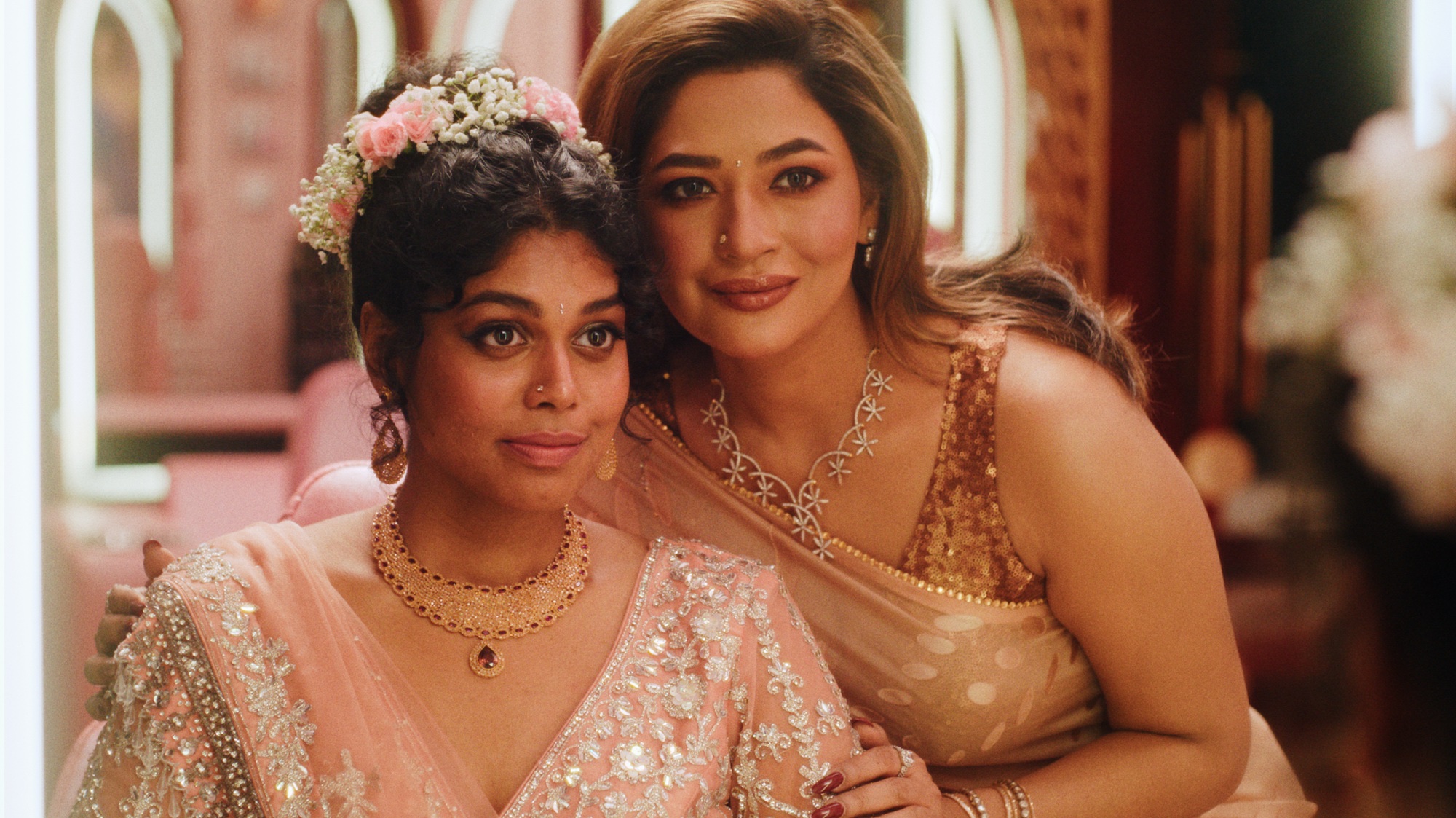

The first Bangladeshi feature to compete at Venice walked onto the Lido in sarees.
Rubaiyat Hossain's The Difficult Bride premiered in the Orizzonti Competition at the 83rd Venice International Film Festival over the weekend. Cast and co-producers arrived at Sala Darsena in outfits measured remotely in Dhaka and draped that morning. The audience stood and cheered. Buyers stayed after the Q&A.
Our read: the first-feature headline is earned. The sharper Soft Power story is a Dhaka beauty parlour turned into feminist body horror, financed across five countries, with Toronto tickets already on sale.
What the film is
In present-day Dhaka, Zaineen (newcomer Zaineen Chowdhury Karim) prepares for a fairytale wedding at Mayfair, a historic beauty salon. Bridal rituals pile up. Her body starts to refuse them. Ghosts, urban myth, and salon discipline fill the gaps.
Hossain has carried the idea for nearly twenty years, since a childhood story she heard in a Dhaka parlour about a bride who died there. She first tried it as a short in 2006. The feature runs about 88 minutes in Bengali and English.
Azmeri Haque Badhon plays the salon manager who enforces the beauty standard. She is a Bangladesh National Film Award winner, and so are co-stars Rikita Nondine Shimu and Sunerah Binte Kamal. Dameer Khan plays the groom.
Hossain has described the film as the third chapter in a class trilogy of Bangladeshi womanhood: middle-class pressure in Under Construction (2015), garment-worker solidarity in Made in Bangladesh (2019), and Gulshan-Baridhara privilege here. The bridal machine still runs, even when the family can afford Mayfair.
Why Venice, then TIFF, matters
Orizzonti is Venice's competition section for new forms and new voices. A Bangladeshi short, Ishtiaque Zico's 720 Degrees, played there in 2010. No Bangladeshi feature had cleared the festival until this one. Both titles share Khona Talkies, Hossain's Dhaka production company, as a producer. Our Asian film festivals development Scene Report is the wider map for how those pipelines work.
The financing is as specific as the premiere. France's Les Films de l'Après-Midi, Portugal's Midas Filmes, Norway's Barentsfilm, and Germany's Tandem Production co-produced with Khona Talkies. The first edition of the Fondazione Prada Film Fund backed it among 14 projects chosen from more than 1,200 submissions. Films Boutique is handling world sales.
After Venice, the film moves to the Toronto International Film Festival and BFI London. TIFF showtimes are already posted for Toronto:
- Sept. 16, 4:00 p.m. at TIFF Lightbox Cinema 4
- Sept. 17, 10:00 p.m. at TIFF Lightbox Cinema 4
- Sept. 19, 12:15 p.m. at Scotiabank Theatre Cinema 7
Bangladesh theatrical is aimed at next year. If you are in Toronto next week, you can buy a ticket before a U.S. distributor finishes the paperwork.
The Soft Power read
Plenty of coverage will stop at "first." Fair. Then look at what Hossain put on screen.
She has stepped past social-realism as the only festival passport. Made in Bangladesh took garment-worker organizing to TIFF and later a Criterion "hidden gems" nod. The Difficult Bride keeps the feminist argument and swaps the factory floor for bridal injections, stretch marks under fluorescent lights, and a body that will not perform the wedding. Pair with our essay on unlikeable Asian actresses if you are tracking how complicated South and East Asian women finally get to look on screen.
Hossain is clear that the salon owner is part of the system. Women can uphold the beauty contract as fiercely as men write it. Screen International called the result sharp feminist body horror grounded in local myth and the evil eye. IndieWire liked the Dhaka hierarchy work more than the ending.
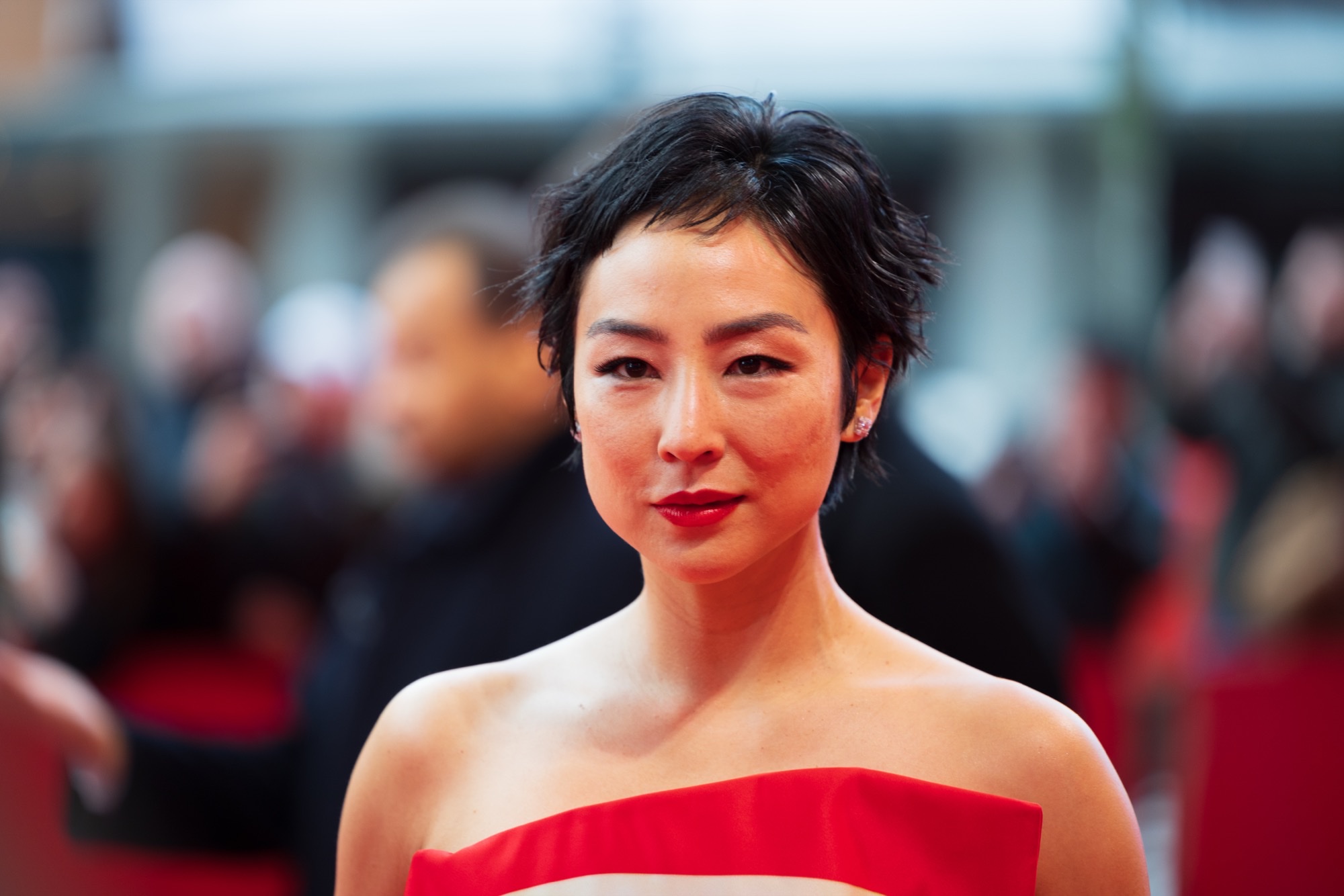
On the carpet, the team skipped the usual black-dress hush. They danced after the screening. One cast member who plays a parlour worker helped nine women drape sarees in the hotel that morning. Bangladeshi formalwear took over the Venice photo stream on purpose.
Our take: keep the festival first, then follow the salon. A bridal horror that diaspora viewers recognize in their bones, with TIFF showtimes attached, is the version that travels past the press release.
Watch whether Films Boutique lands a North American theatrical or streaming window before London. Until then, those three Toronto tickets are the nearest door.