Na Hong-jin: the Cannes genre auteur who made Hope Harbor argue
Na Hong-jin built a four-feature Cannes ladder from The Chaser through The Wailing, then returned after a decade with Hope, his first Competition title and one of Korea's most expensive films. The profile maps the thriller-horror lane diaspora viewers actually mean when they say his name.
 Mina Park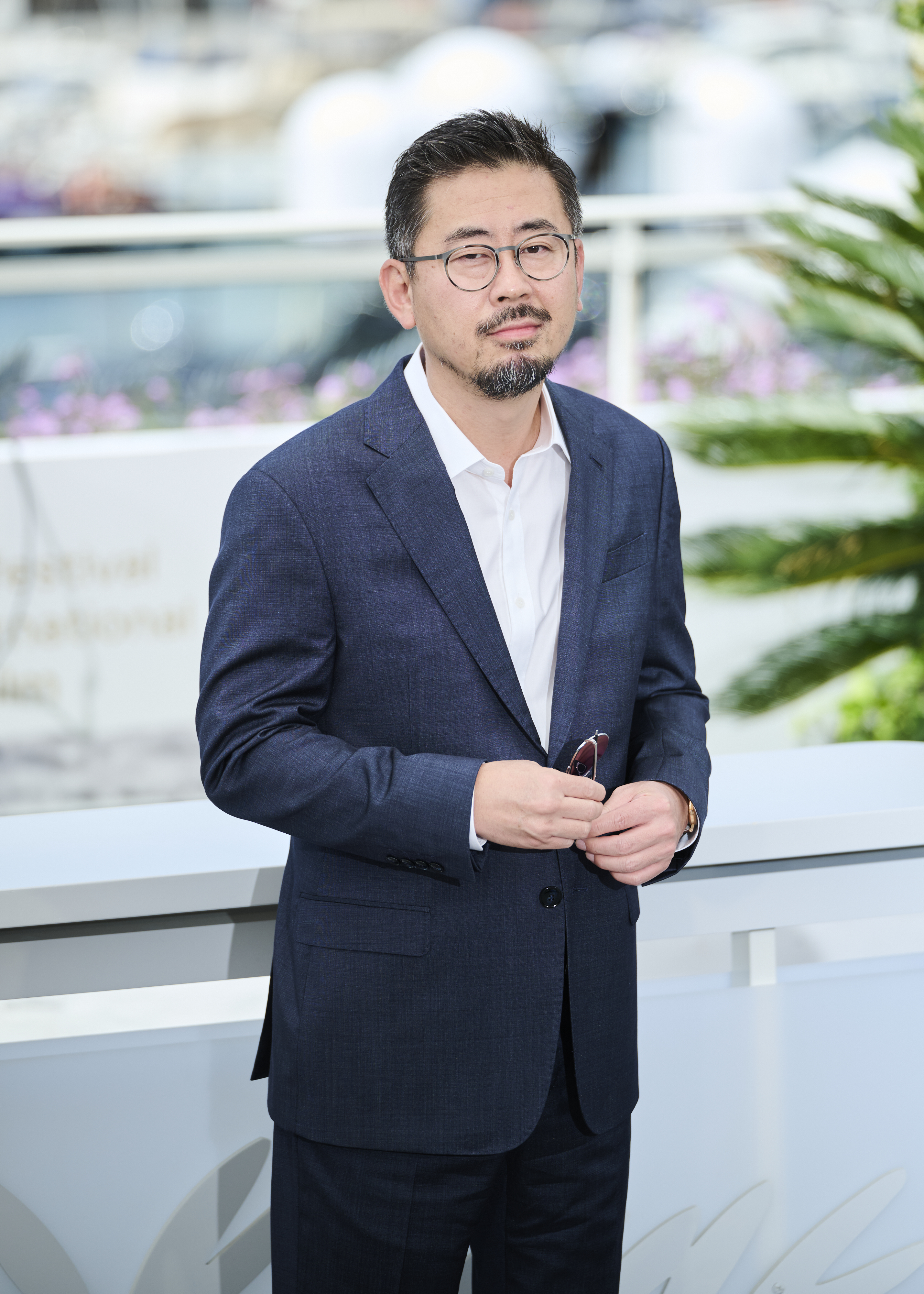
Na Hong-jin is the director born on July 20, 1974 (Cancer, Wood Tiger) in Seoul. He is 52. Korean profiles often note that he spent part of childhood with family in Gokseong, Jeollanam-do, the same rural county that later gave The Wailing its haunted geography. After industrial arts at Hanyang University ERICA and a stretch in advertising, he moved into film at Korea National University of Arts. The résumé is short on volume and long on aftermath: four features, each premiered at Cannes, each still used as a reference point when diaspora viewers argue about Korean thrillers.
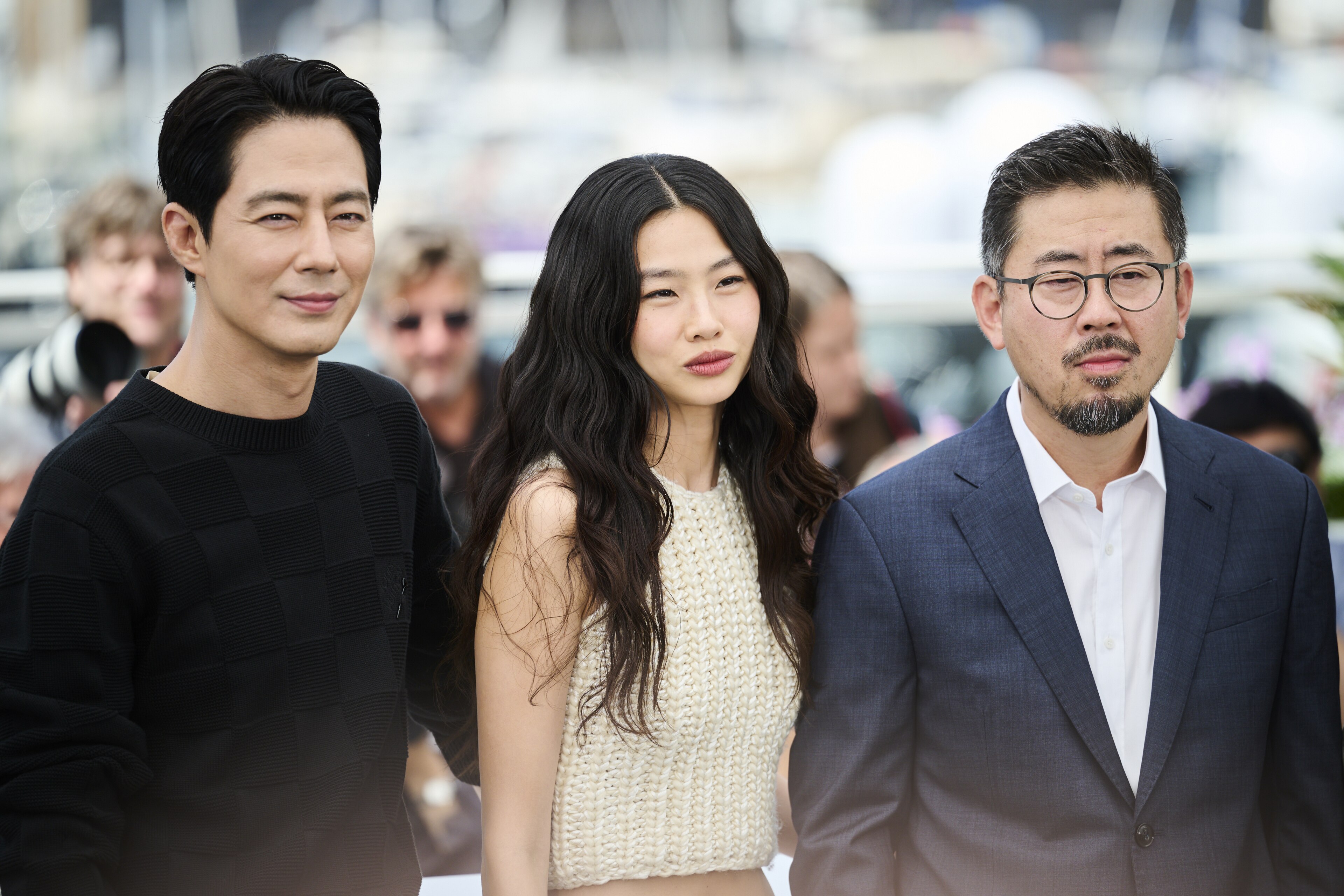
If you only know him from July 2026 group chats, you met him as the Hope guy: Cannes Competition, Fassbender and Vikander as aliens, Hwang Jung-min back in a Na film, and Korean lobbies splitting into love-it and hate-it camps while tickets kept selling.
The Chaser and the Yellow Sea: violence as a calling card
The Chaser (2008) made the name. Kim Yoon-seok and Ha Jung-woo star in a serial-killer chase inspired by real Seoul crime patterns, and the film pulled about five million admissions, finishing among 2008's top domestic titles. Cannes Midnight Screenings put the debut on an international map that Korean thrillers were still fighting to own.
The Yellow Sea (2010) widened the frame. Ha Jung-woo returns as a Yanbian hitman in a 20th Century Fox collaboration that Cannes programmed in Un Certain Regard. The movie is denser, longer, and meaner about borders and debt. It is also where Na's reputation for punishing set pieces hardens into something festivals and genre fans quote at each other years later.
The Wailing: the film people still fight about
The Wailing (2016) is the soft-power peak before the long gap. Out of Competition at Cannes, then nearly seven million Korean admissions, Blue Dragon Best Director, and a permanent place in "what Korean horror should feel like" arguments. Hwang Jung-min's village policeman, Kwak Do-won's stranger, Chun Woo-hee's mystery woman, and Jun Kunimura's outsider all feed a story about religion, rumor, and who gets believed when bodies start appearing.
The ending still recruits rewatches. That is the Na signature: commercial scale without a consensus moral. Our Hope Scene Report treats the 2026 box-office fight as a sequel to that pattern, not a surprise.
The Medium and the decade between features
Na did not disappear after The Wailing. He produced and co-wrote The Medium (2021), the Thai-Korean folk-horror mockumentary directed by Banjong Pisanthanakun for GDH 559 and Showbox. The story began closer to a Wailing extension before becoming its own Isan-set possession film. For viewers who only track his directed features, The Medium is the missing middle: shamanic dread without waiting another ten years for a Na byline.
He also built Forged Films as the production home that would carry Hope, co-producing with Plus M Entertainment on a budget Korean press has repeatedly framed among the most expensive ever attempted locally.
Hope: Competition, craft award, Neon date
Hope (2026) is the first Korean Competition title at Cannes since Park Chan-wook's Decision to Leave, and Na's first main-competition slot after Midnight, Un Certain Regard, and Out of Competition climbs. The film opened Korea on July 15, crossed about 2.13 million admissions in five days, and landed as NYAFF's centrepiece on July 20 with the Daniel A. Craft Award for Excellence in Action Cinema. Neon holds North America for September 9.
Casting announces the bet: Hwang Jung-min, Zo In-sung, and Jung Ho-yeon against Michael Fassbender, Alicia Vikander, Taylor Russell, and Cameron Britton. Cinematographer Hong Kyung-pyo returns from The Wailing. Michael Abels scores. At 160 minutes, it asks theatrical patience in a year when Korean genre already had Yeon Sang-ho's Colony owning a different zombie lane.
Our read
Na Hong-jin is not prolific. He is cumulative. Each feature teaches the next audience how to watch him: chase logic in The Chaser, border panic in The Yellow Sea, spiritual fog in The Wailing, cosmic farce-and-creature scale in Hope. Soft power for a director like this is not daily trending. It is the way diaspora cinephiles still use his titles as measuring sticks when a new Korean thriller claims to be "intense."
For a first watch, start with The Wailing if you want the folklore-horror conversation, The Chaser if you want the crime engine clean, and Hope in theaters if you want the current argument live. Pair the profile with our July Soft Power Index and the NYAFF 2026 guideposts when you are planning festival or Neon dates around his name.