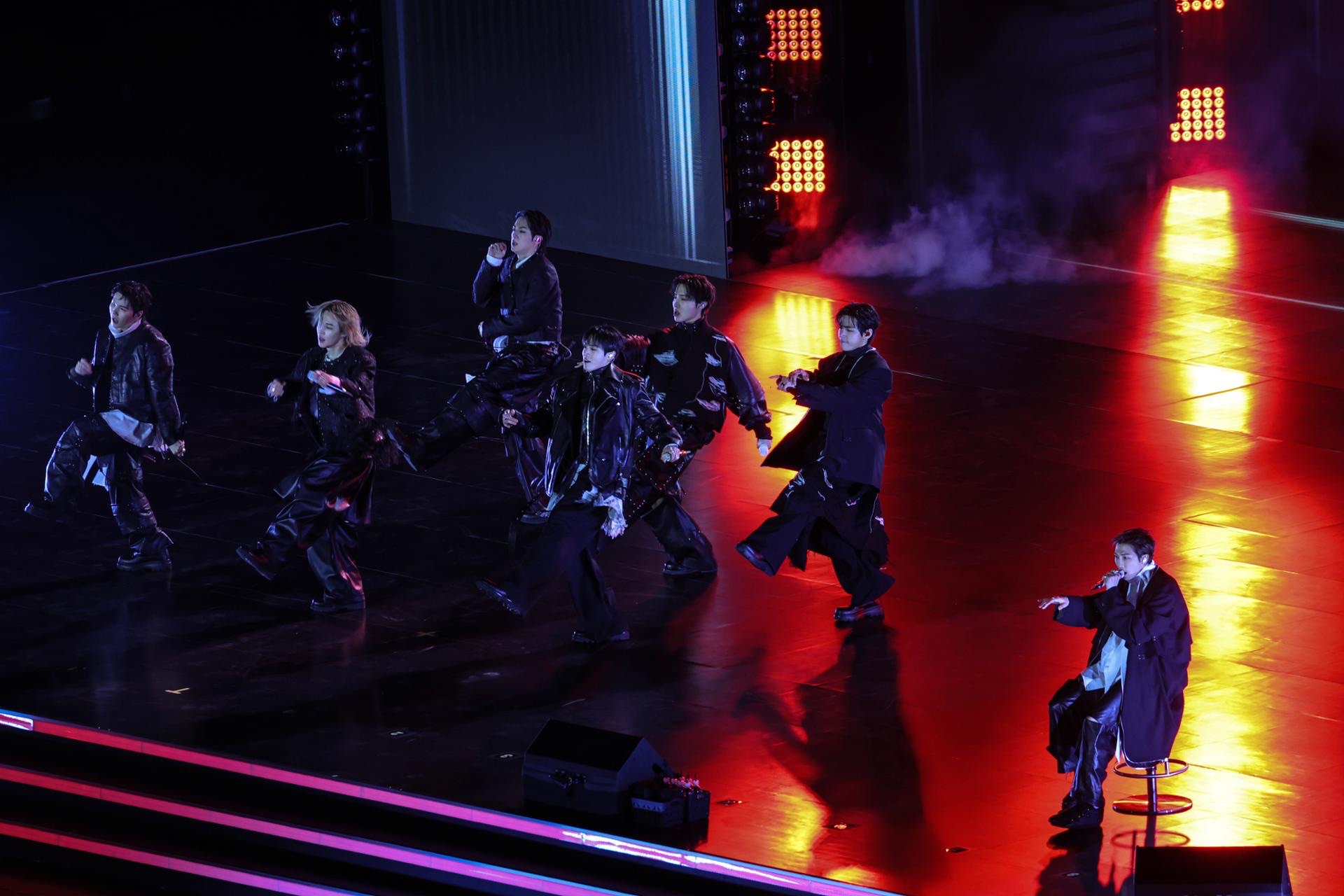
EL CAPITXN’s WHO KILLED EL? puts the SUGA and IU producer on his own album
EL CAPITXN’s WHO KILLED EL? is out today. Jang Yi-jeong’s path from HISTORY vocalist to hit producer for SUGA and IU now loops back to his own name.
 Mina Park
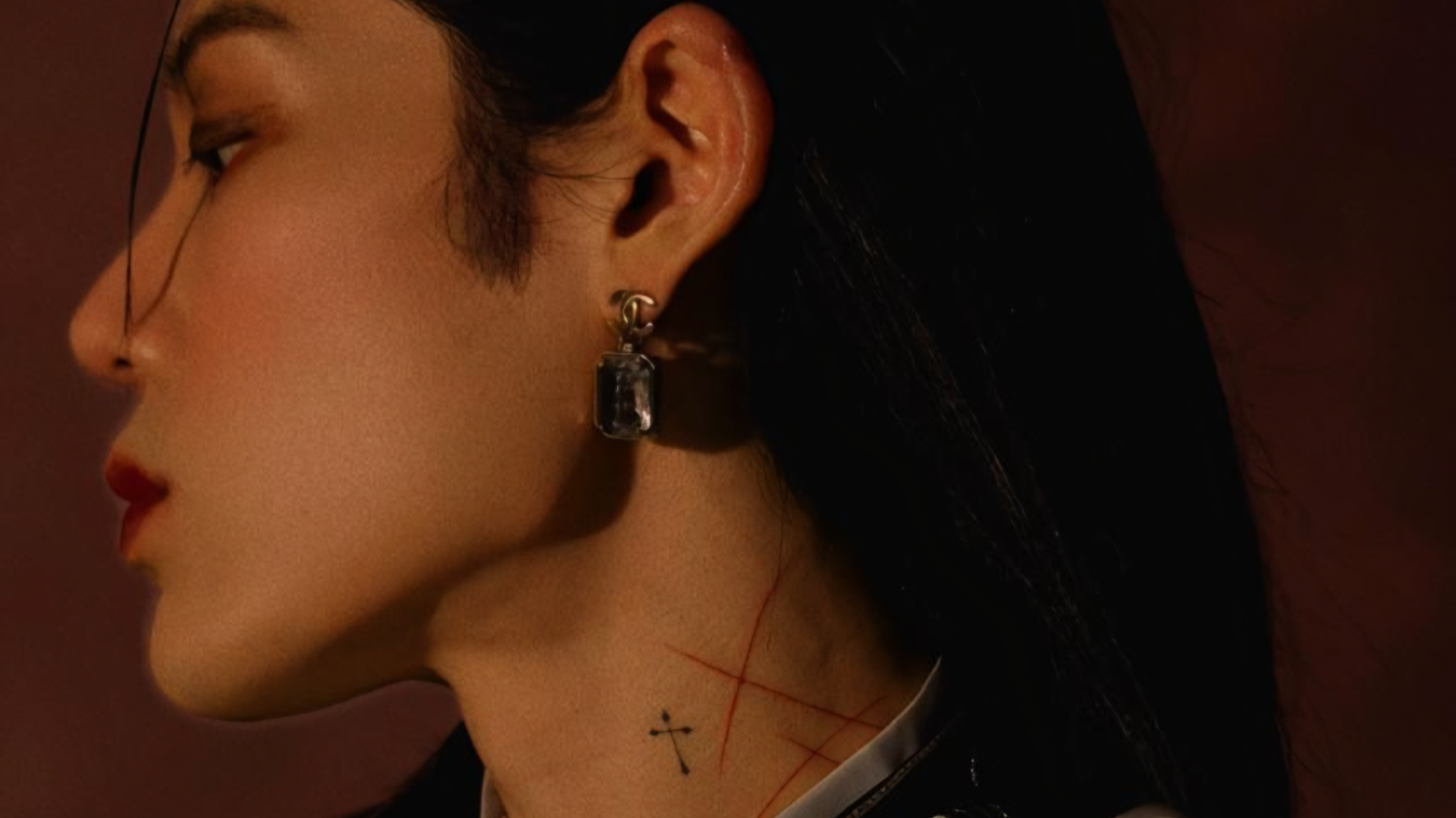

EL CAPITXN’s first full-length album, WHO KILLED EL?, is out today through EMPIRE. For more than a decade his work reached listeners through other people’s voices: Agust D’s Daechwita, IU’s eight, BTS’s Telepathy and Take Two, PSY’s That That with SUGA. The 12-track record finally puts the story under his own name.
Born Jang Yi-jeong, he first turned heads on the second season of MBC’s Star Audition, then debuted in 2013 as the main vocalist of boy band HISTORY. An illness whose cause doctors never clearly named took his singing voice a few years in. Speaking became hard too. He left the stage and rebuilt himself as a songwriter and producer, eventually founding VENDORS Production and stacking a catalog of more than 100 songs across BTS, Jung Kook, TOMORROW X TOGETHER, ENHYPEN, and more. SUGA became a close collaborator along the way. Those chart records are how most listeners already know him, even if they never saw the credit.
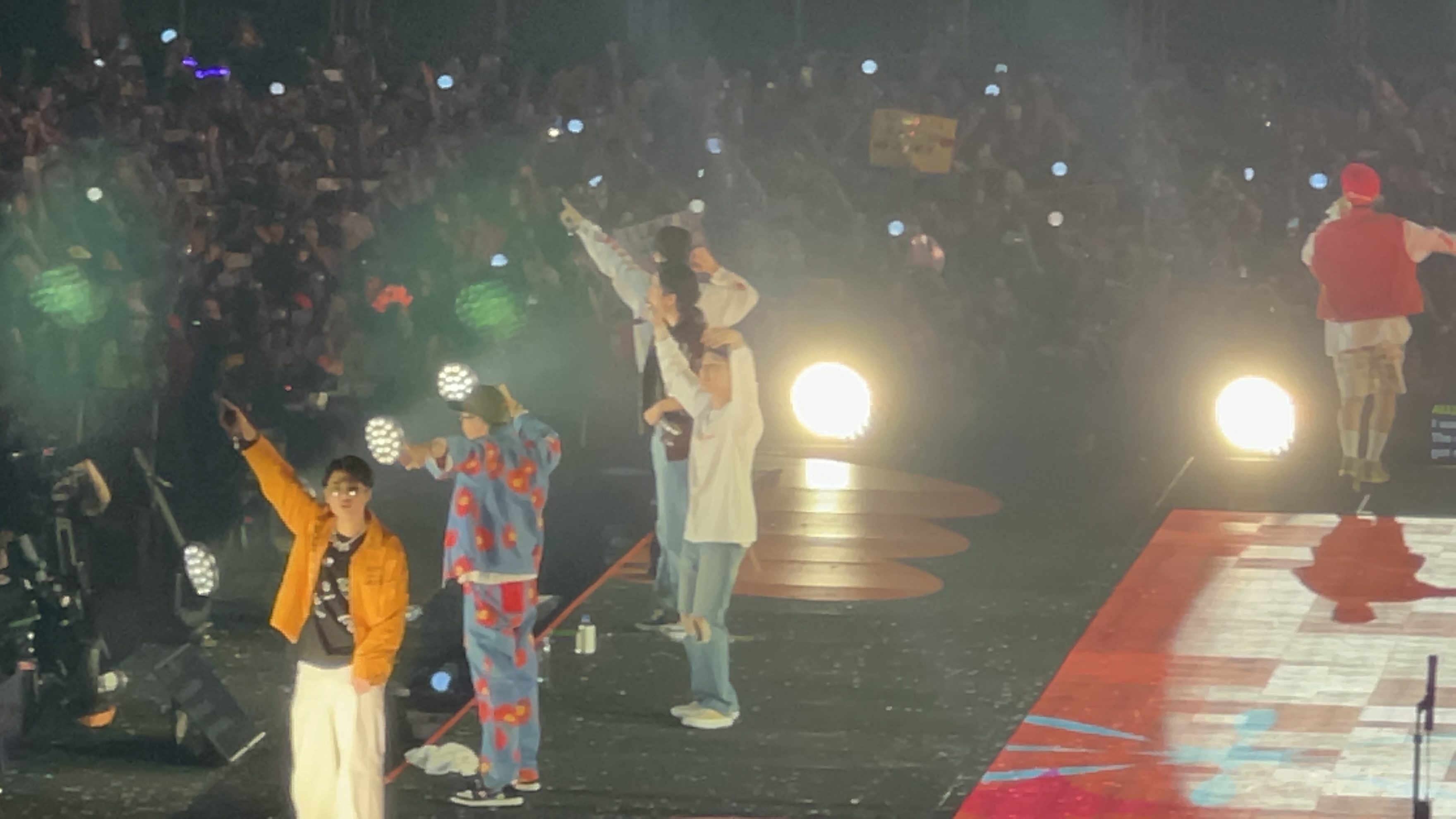
This year he edged back into the frame as an artist. Breaking Through, with TXT’s Taehyun and Jeremy Zucker, arrived in March. A WHO KILLED EL? world tour hit cities including New York, Mexico City, London, and Paris before the album did. He has said he shelved a finished first version after hearing what the rooms needed, then rebuilt around songs that felt alive onstage.
The new album moves through rock, orchestral music, gospel, classical, and pop. Guest singers carry most of the vocals. The prerelease single Don’t Say Love brings Los Angeles band Beauty School Dropout into a hard-rock cut about wanting to say something and not being able to. He has described the guests less as features and more as actors finishing one work. On 울고있어요 (Crying), credited to 장이정, he restores the voice he used when he sang under his own Korean name with HISTORY. Present and past meet on one track.
In a written interview ahead of the release, he said he had been telling his own story all along while writing for others. “Until now, my role was to deliver someone else’s story as well as I could. This time, I wanted to apply that role to myself.” He did not wait for a perfect window. “Maybe the most important moment for a creator isn’t when all the preparation is done, but when you can no longer lie to yourself.” The title question stays open on purpose. Some events break people down, some people change them, and sometimes their own choices turn a past self into someone else. Whether that counts as a death or another birth is left for the listener.
He produced the album through VENDORS and kept the direction with EMPIRE rather than folding into a major Korean label structure that would have prized safer commercial choices. The point, he said, was ownership: being able to take responsibility for the work. A decade from now, he does not need anyone to remember where it charted. He wants one proof to hold: even if he never got back what was taken from him, the person writing his story was still him.