Inside the K-pop star machine: where the stars come from and how they get big
Private academies, years of trainee contracts, and survival shows. That is still how BTS, BLACKPINK, TWICE, and the HYBE groups after them reached a stage this size.
 Mina Park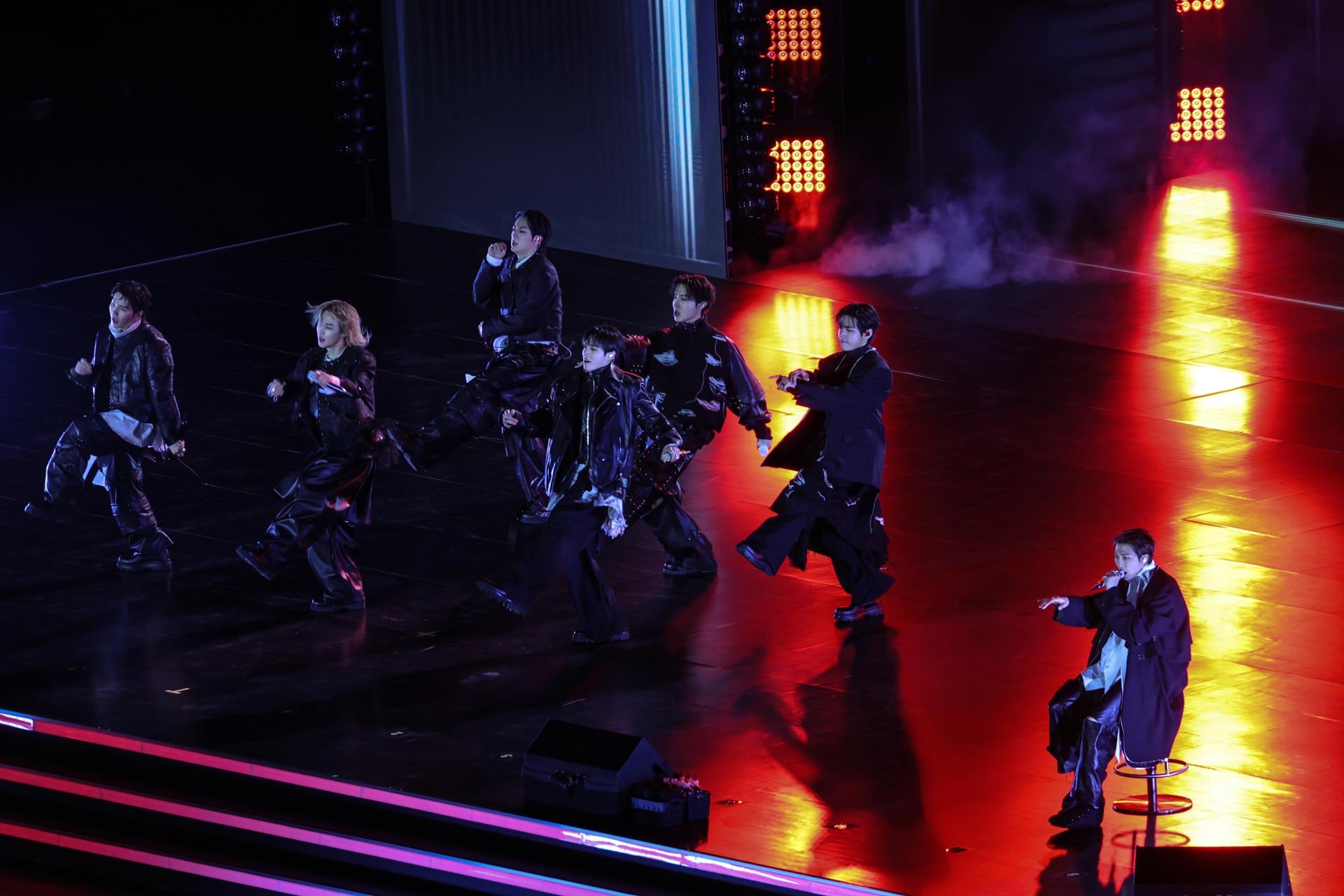
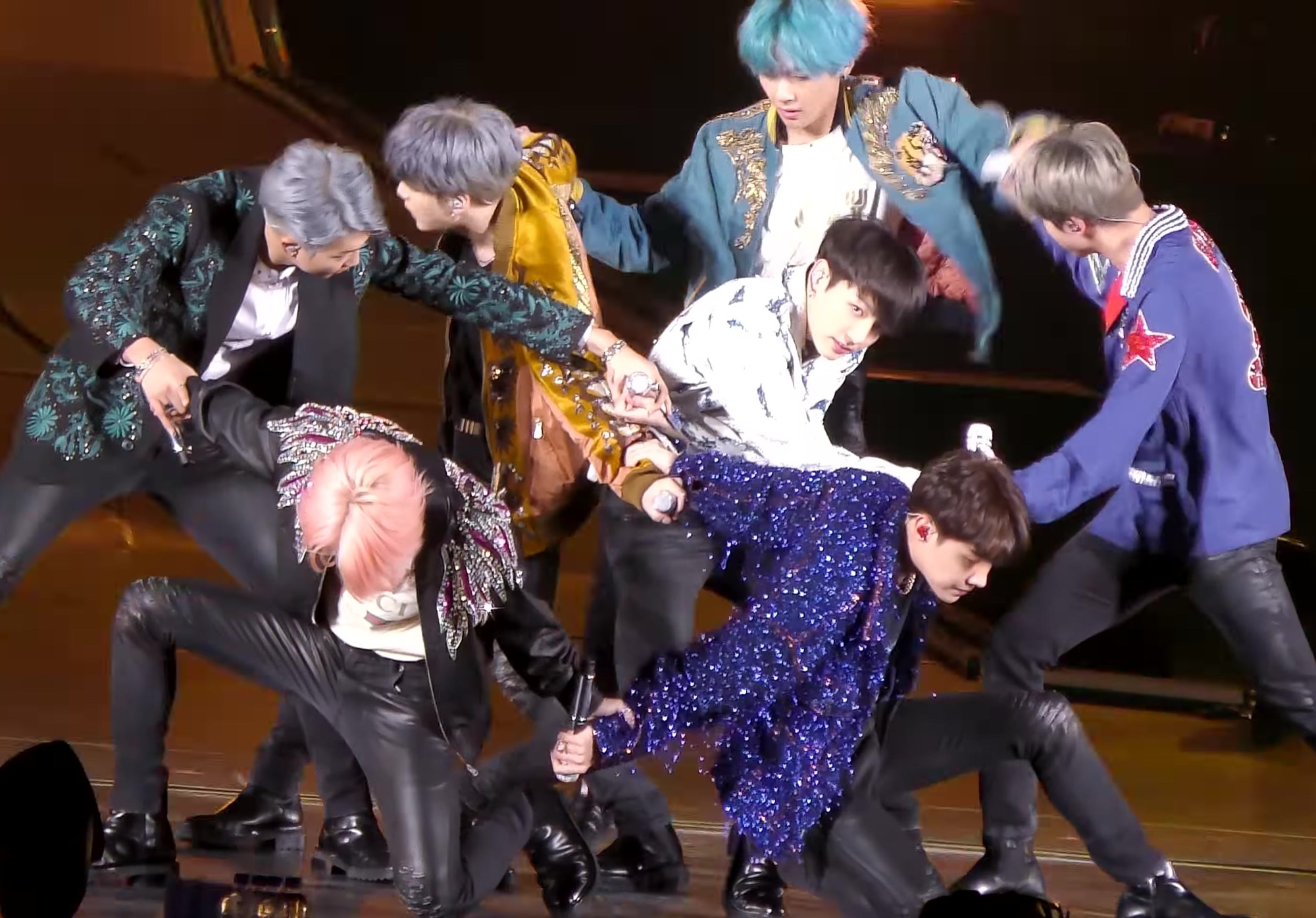
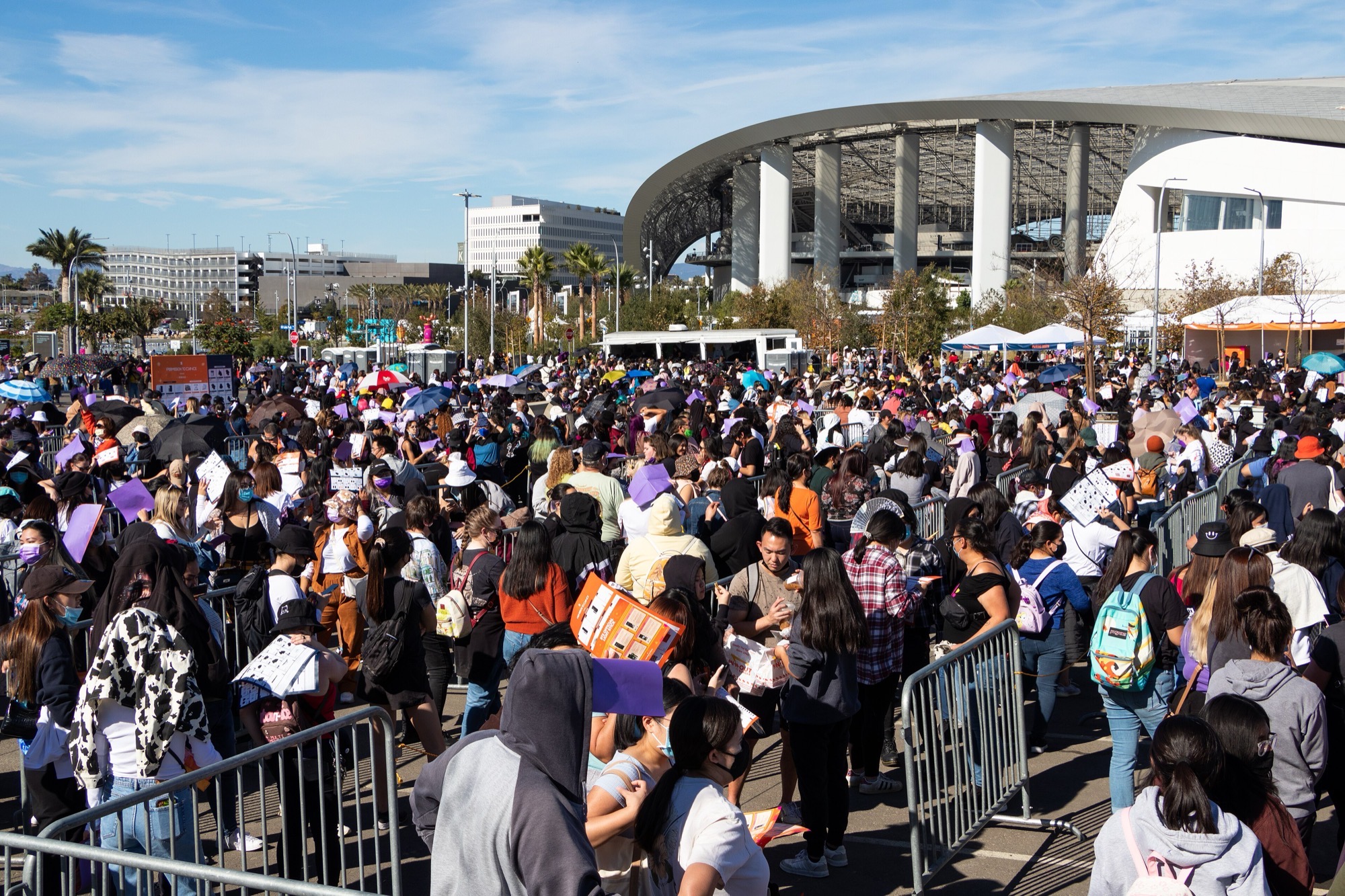
On a March night in Gwanghwamun, BTS played a public square in central Seoul and more than 100,000 people came in person. Netflix put the livestream at 18.4 million.
Years before that night, the usual path was a mirrored studio after school and a grade from a company staffer.
Some kids paid for early training at a Gangnam academy. Some flew in from an open call in Thailand or Australia. A few got lucky in a basement that did not look like SM Entertainment. Almost nobody reached a night like that without years of this.
Our read: Seoul spent thirty years figuring out how to train people who can hold a crowd that size. HYBE is now selling that training model overseas.
What the big agencies actually do
Lee Soo-man, who founded SM, called the system cultural technology. At Stanford in 2011 he talked about culture as something you could engineer: cast, train, produce, then ship with a manual for each market.
By 2012, SM was telling the Wall Street Journal that raising one idol cost about $3 million. An SM planner walked Spin through the internal version the same year: roughly $100,000 a year, three to seven years, a few dozen trainees on the books at once.
The work itself is simple to describe and hard to live through. Companies sign kids young, house them, and run voice, dance, language, and camera until the monthly tests say they are ready. The spend is supposed to come back after they start earning.
YG Entertainment ran a smaller version of the same bet, with fewer kids and longer waits. Jennie joined in 2010, at 14, after school time in New Zealand.
Lisa came through a YG open call in Thailand and signed in 2011. Rosé came through one in Australia a year later. When BLACKPINK debuted in 2016, the longest of those waits had stretched to six years.
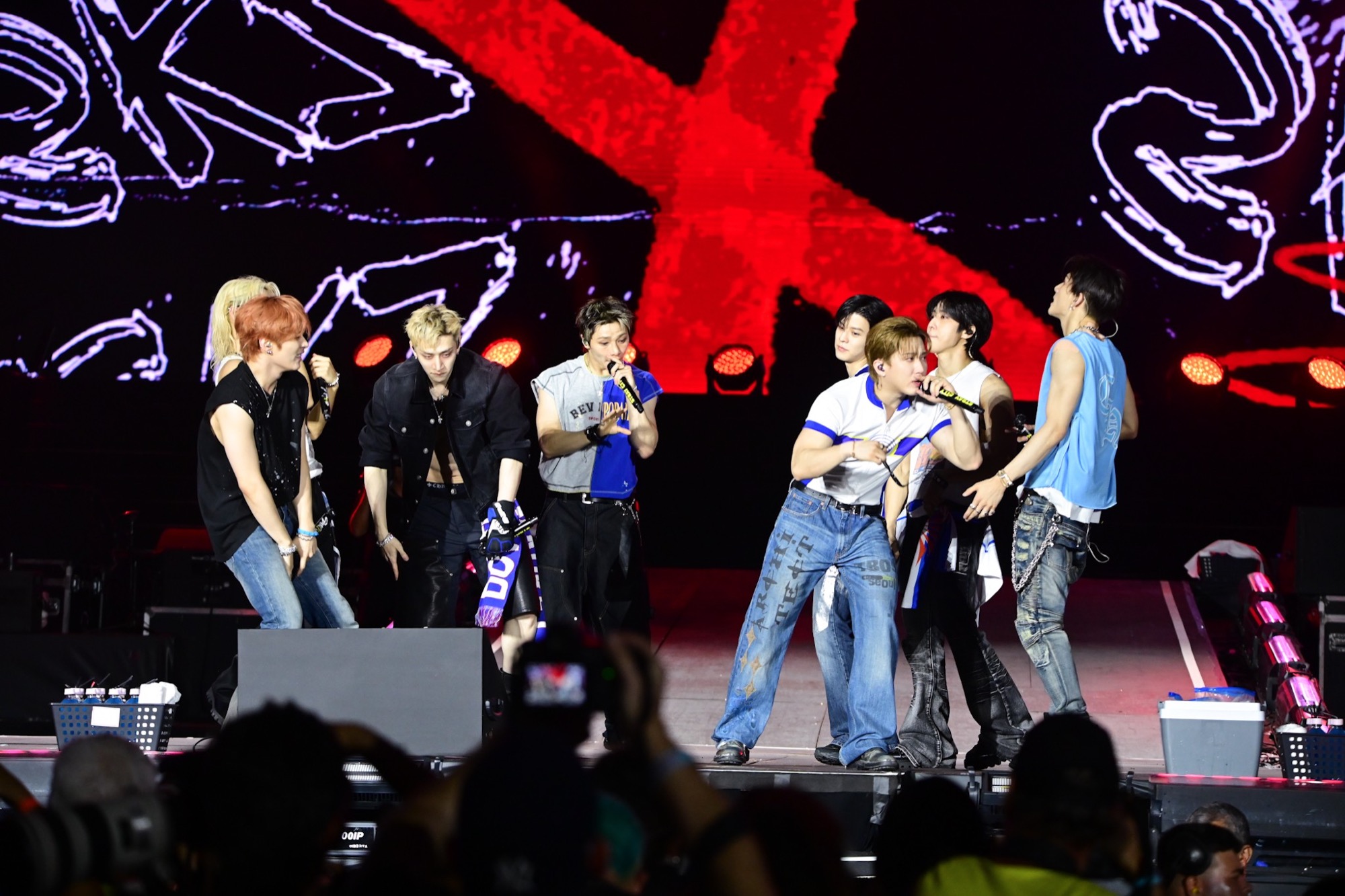
JYP Entertainment put the final cut on television. Sixteen, in 2015, turned a trainee class into TWICE in public. Two years later, Stray Kids put a pre-formed boy team on Mnet and made “versus the company” the plot.
Bang Chan, the group’s leader, had already been inside JYP since an Australian audition in 2010. Felix came through the same country later. By debut in 2018, the survival show was part of how fans learned their names.
The class before the contract
Most kids never get that contract. They pay someone else first.
Def Dance Skool, a Gangnam academy the New York Times visited in 2013, was already running the after-school version of idol homework: hip-hop and lyrics while classmates crammed English. There were thousands of studios like it.
A Korea Institute for Vocational Education and Training survey had already put “entertainer” next to teacher and doctor on the list of jobs children said they wanted.
Lee Jong-im, who wrote Idol Trainees’ Sweat and Tears, found that very few hopefuls reach a major audition without those private-academy hours. Agencies treat the good studios as a scouting circuit. The academies treat the agencies as the exam they are studying for.
If a child does get in, school often bends. Hanlim Arts School and the School of Performing Arts Seoul, known as SOPA, became the high schools that make trainee hours possible. Classmates learn not to expect the famous ones in every seat.
If the child does not get in, another market is waiting. Some training shops register as entertainment agencies instead of hagwon, the ordinary private academies, which puts them outside education inspections.
South Korea’s Ministry of Culture oversees some 5,800 agencies and has much less power to walk into a classroom. One Japanese student paid about 3 million yen for six months of lessons and a promised path to a major audition. She later said she felt scammed.
SM, JYP, YG, and HYBE still get a cleaner roster because someone else already did the first round of sorting.
How Big Hit became the template
BTS is the story the industry tells when it wants a smaller origin. The first chapter really was smaller than Gwanghwamun.
Bang Si-hyuk, then running Big Hit, signed RM in 2010 after producer Pdogg brought him a demo. RM was 15 and already rapping as Runch Randa.
Bang has said he first thought about a hip-hop crew, then decided an idol group was the business that could still pay the bills. Several trainees left. RM, Suga, and J-Hope stayed. The singers came later, through auditions.
Jungkook arrived in 2011 after a Superstar K tryout in Daegu that never made the broadcast. Seven companies offered. He picked the small one because he had seen RM. Big Hit did not have an SM-style academy. It had a dorm, a producer, and time.
They debuted in June 2013. The catalogs, the traveling ARMY, and that March concert came after.
HYBE, the company Big Hit became, studied that path and turned it into a process. ENHYPEN, the next boy group, was chosen on I-LAND in 2020, a show from Belift Lab, the HYBE-linked label, with Mnet. Seven members, picked in public.
ILLIT came through another televised cut, R U Next?, in 2023. KATSEYE trained in Los Angeles on the same method, then finished on The Debut: Dream Academy, the HYBE and Geffen project Bang framed as proof the system could live outside Korea.
Alan Chikin Chow, the Shorts-era storyteller HYBE America took to Netflix, is the next version of that bet. The series is about watching an idol group get built on camera, from the beginning.
Who lasts
Korean agencies reported 1,895 trainees in 2020. By 2024 the number was 963. Foreign trainees doubled to 42 in that later count and were still a rounding error on the roster.
A debut is a job. Getting big is a different one. Plenty of groups leave the trainee studio and never see a night like Gwanghwamun. The ones who did still came through a short list of front doors.
On January 1, the Ministry of Culture issued a revised standard trainee contract. It sets a clearer deadline for damages if someone walks. It tells agencies not to push minors out of school. It widens mental-health support from “extreme depression” to depression, with the trainee’s consent. The old paperwork had been producing the same fights.
Our take: the next act that can fill a crowd like that is probably already in a weeknight class, or on a survival show, or in a HYBE building that is not in Seoul. Most trainees never get a night like Gwanghwamun.