The extraordinary life of Kiyoshi Kuromiya, and the documentary bringing it back into view
Glenn Holsten's KIYOSHI opens the Philadelphia Asian American Film Festival on November 5. The film returns Japanese American activist Kiyoshi Kuromiya to view across civil rights, gay liberation, and HIV/AIDS work.
 The Goldscene Desk
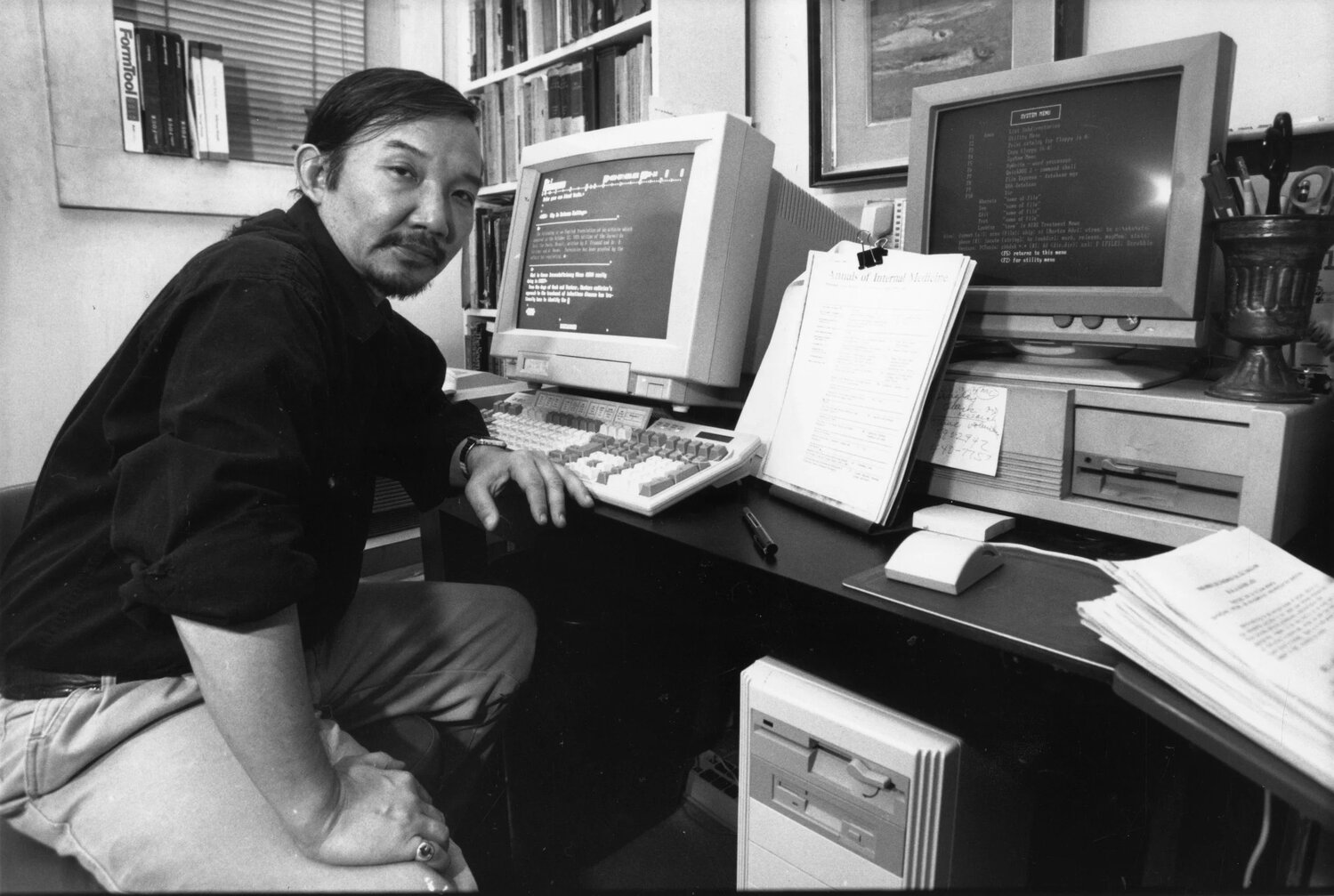
Kiyoshi Kuromiya was born May 9, 1943, at Heart Mountain, the Japanese American incarceration camp in Wyoming, and grew up in Monrovia, California. In 1961 he came east to study at the University of Pennsylvania, and Philadelphia became the city where he did the rest of his work. On Thursday, November 5, Glenn Holsten's documentary KIYOSHI opens the 19th Philadelphia Asian American Film Festival with its world premiere. Plenty of people who know the movements still do not know his name.
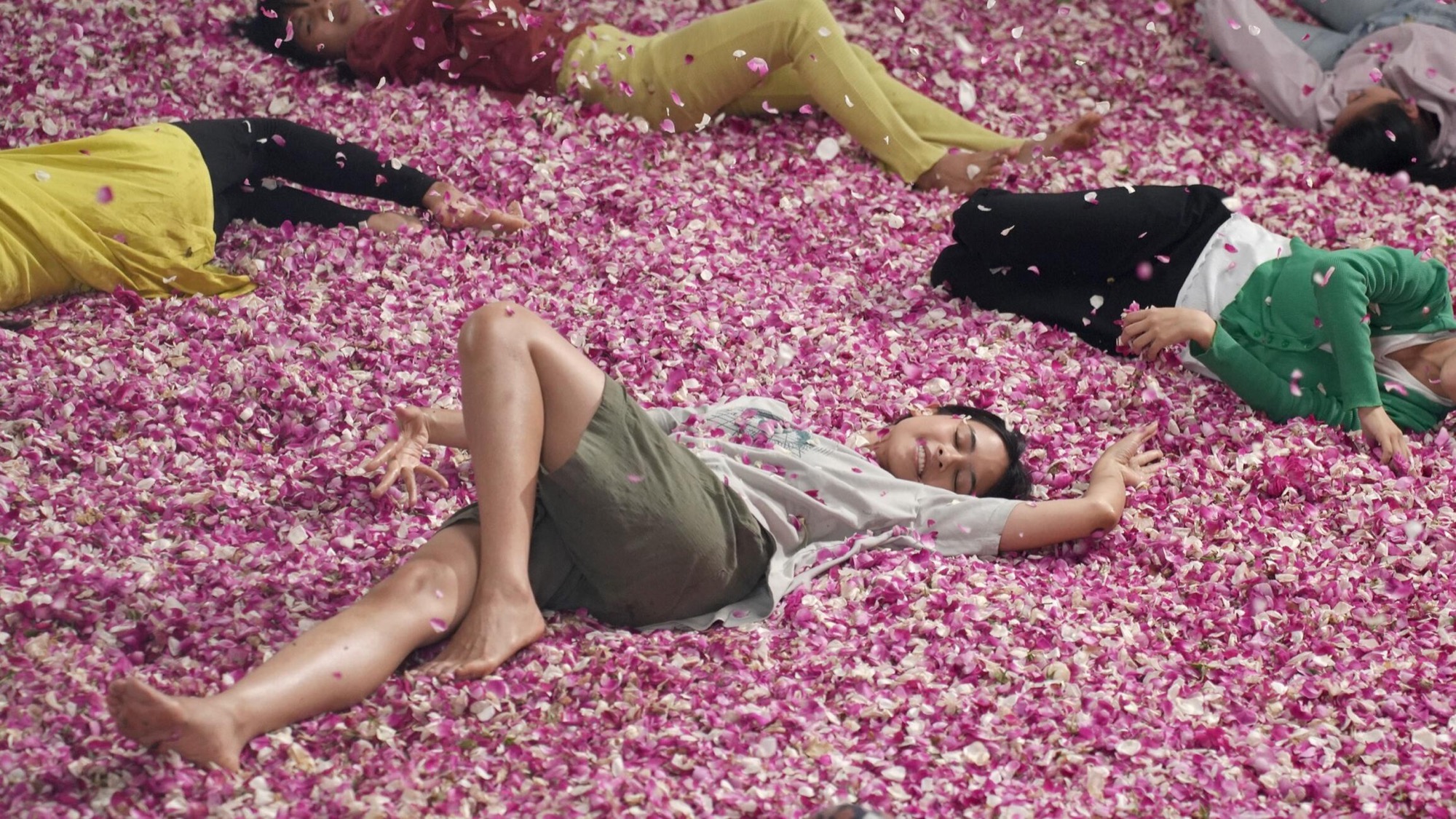
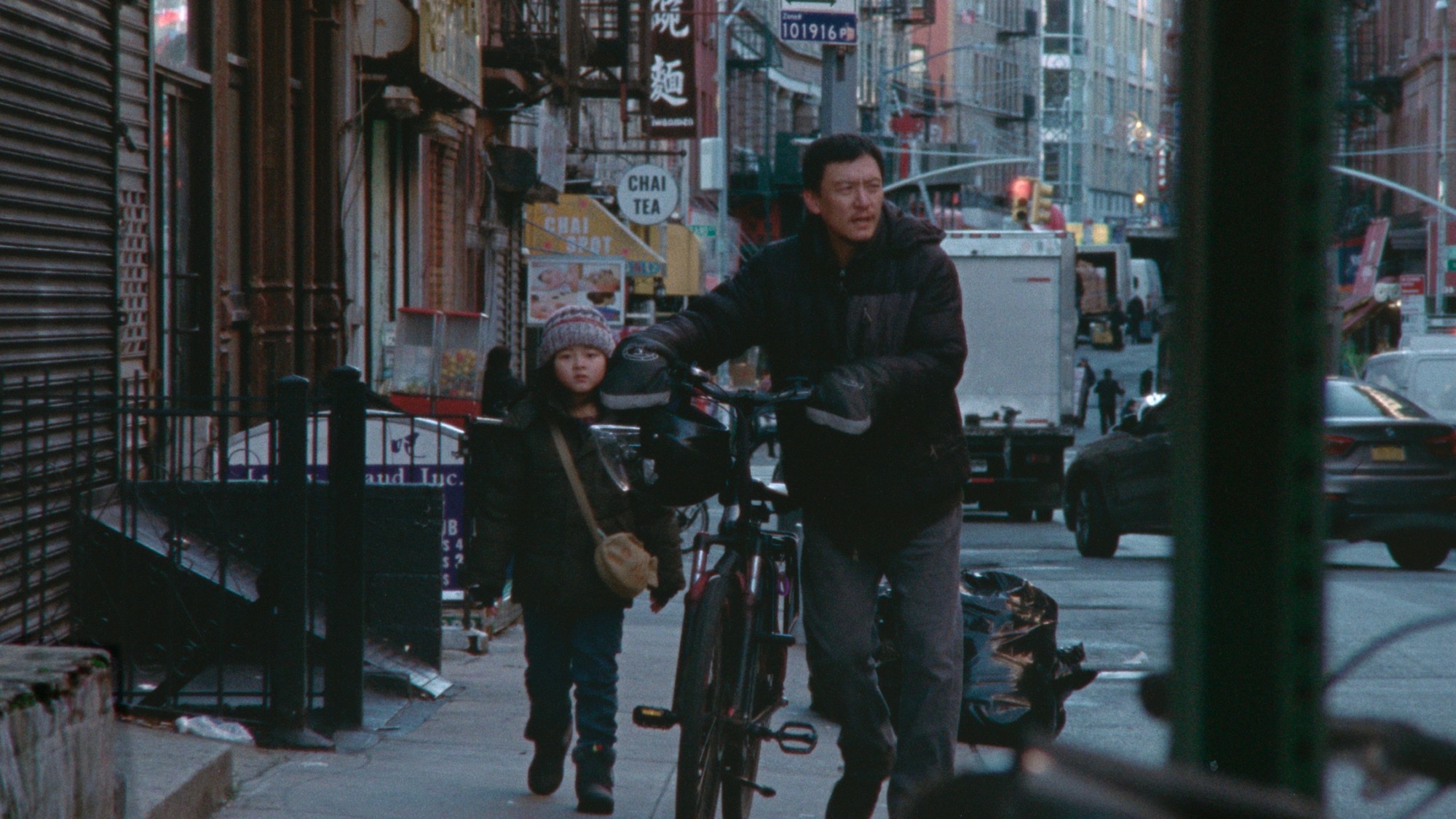
The film runs 89 minutes. Holsten uses archival footage, interviews, and stylized sets, with Kuromiya on tape alongside family, friends, organizers, and scholars. William Way LGBT Community Center partnered on the project, with primary funding from the Pew Center for Arts & Heritage. Producers include Teresa Jaynes, Keith Brand, Rob Buscher, Che Gossett, and Chris Bartlett. They shot in Philadelphia and at Heart Mountain, where Kuromiya's brother Larry sat for interviews inside a barrack apartment the size of the room their family of seven once shared.
The premiere is 6:30 p.m. at Graham Auditorium, Moore College of Art & Design, 1916 Race Street. Advance tickets are $22 through PAAFF's Eventive page. Plan on a long night: the listing runs to about 9:30, with a panel, the festival's Vijay Mohan Social Change Award, and a short, A Flash and How It Lasts, on the same program. The festival continues through November 15 with 73 films.
At Penn he joined civil rights work. In March 1965, in Montgomery, Alabama, he was clubbed while leading Black high school students on a voter registration march and needed stitches. He worked in the Selma era with the Rev. Dr. Martin Luther King Jr., and after King's assassination he helped care for the King children during the funeral week. That same Independence Day in 1965, he was at Philadelphia's Independence Hall for the first Annual Reminder, one of the earliest public gay rights pickets in the country, years before Stonewall. He later co-founded Gay Liberation Front Philadelphia and appeared as an openly gay delegate at the Black Panthers' Revolutionary People's Constitutional Convention. On campus he staged a fake napalm burning of a dog that never happened, then handed the crowd leaflets about Vietnamese civilians.
When AIDS hit, he treated information like medicine. Diagnosed in 1989, he helped found ACT UP Philadelphia, edited ACT UP's Standard of Care for people living with HIV, and built the Critical Path AIDS Project: a treatment newsletter mailed worldwide, a 24-hour hotline that took collect calls from prisoners, free internet for people with HIV in the region, and hosting for AIDS sites. The name came from Buckminster Fuller, the systems thinker whose last books list Kuromiya as adjuvant, meaning he helped research and shape the manuscripts. As lead plaintiff for Critical Path in the ACLU challenge to the Communications Decency Act, he argued that HIV prevention and treatment materials online could not be thrown out as disposable speech. Key censorship provisions fell in 1996 and 1997. He died in Philadelphia on May 10, 2000, a day after his 57th birthday, from complications related to AIDS and cancer.
KIYOSHI puts that arc on Race Street while Philadelphia is already watching Asian American film. Kuromiya moved from Heart Mountain to civil rights, gay liberation, and HIV care without treating any of them as a side project. If you are in town for PAAFF, Thursday night is the first ticket to buy.