Beyond K-dramas: why Korean variety shows are becoming the next global format export
Dating shows, competition formats, and personality-driven reality are traveling as remakeable IP. Korean variety no longer needs the original cast to become internationally famous to sell abroad.
 Mina Park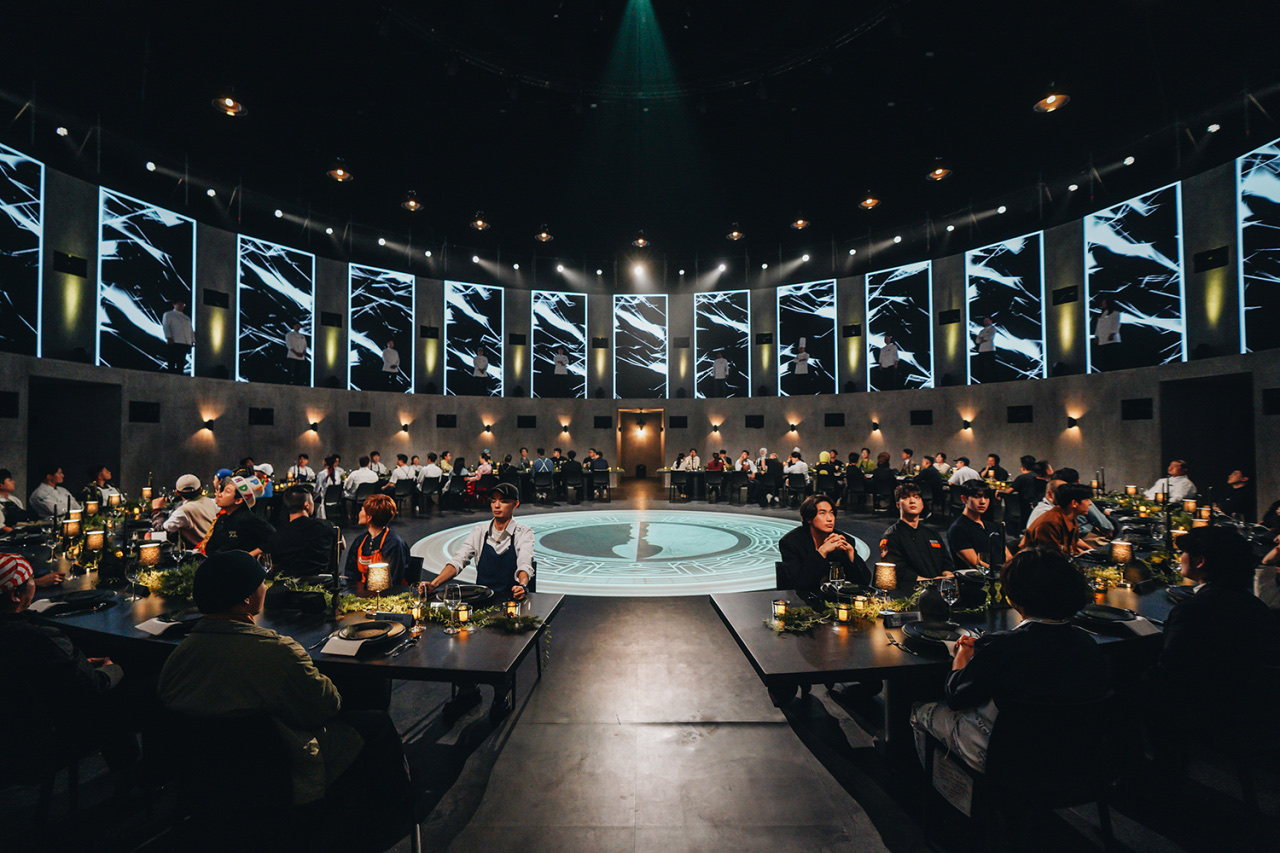
Most diaspora viewers still meet Korea through a finished drama or a Netflix chart spike.
The quieter export is the game underneath. Dating shows, competition programs, and personality-driven reality can cross borders even when the original cast never becomes internationally famous.
What travels is the engine: a repeatable concept, a dense edit, and cast chemistry that local stars can rebuild.
Our read: Korean variety is becoming soft-power infrastructure. Finished titles still matter. Format sales decide who owns the next decade of Saturday nights.
Drama sells a story. Formats sell a machine.
A K-drama export is a completed object. Subtitles, marketing, a known face. When it lands, viewers fall for that cast, that soundtrack, that ending.
A format export is a production manual. Broadcasters buy the structure, the casting logic, and the set grammar. They often get a “flying producer” from the Korean team to keep the DNA intact while the local cast does the talking.
CJ ENM, one of Korea’s biggest entertainment groups, has spent years packaging that know-how as a format bible: the thick production guide that tells a buyer how to rebuild the show without cloning Seoul’s celebrities.
That distinction is why The Masked Singer can feel American even though MBC’s King of Mask Singer invented the masked-singer competition in 2015. Viewers remember Nick Cannon and the panel. The Korean original cast did not have to become household names in Omaha for Fox to run for seasons.
The receipts are stacking
MBC’s mask format was sold across more than 30 territories after the U.S. remake became a network tentpole. CJ ENM’s I Can See Your Voice, the music mystery show that asks stars to pick real singers from fakes without hearing them, followed a similar path through Fox, the BBC, and a long list of European and Asian remakes.
The newer wave is not only music games. At the Korea International Streaming Festival in June 2026, CJ ENM put variety at the center of its global pitch.
Mnet’s Couple Palace, from Lee Sun-young and Jeong Min-seok, the duo behind I Can See Your Voice, won Gold in Light Entertainment at the 2025 Venice TV Awards. It was the first Korean variety show to take that trophy. Remake options followed in 10 European countries.
SBS’s Running Man is the long-running celebrity chase show that already spun into China’s Keep Running and versions in Vietnam, the Philippines, and Thailand. It is now in early U.S. talks through Hellcat, the production company led by former talent agent Pippa Lambert.
The pitch from both sides is blunt: the missions are simple on purpose. The relationships are the product.
Why the concept repeats cleanly
The strongest Korean formats are modular. Island versus hotel. Mask versus reveal. Exes who cannot say who they used to love. White-spoon chefs versus black-spoon challengers. Viewers learn the rules in one cold open.
Local producers can swap the celebrities, the host jokes, and the food, as long as the tension machine stays. Format giant Banijay picked up CJ ENM’s EXchange, the exes-in-one-house dating format, for several territories. Japan’s Love Transit remake on Amazon Prime Video is the same idea with a different passport.
Netflix’s Single’s Inferno proved the dating lane could chart globally as a finished Korean show first. Format buyers are now chasing the blueprint, not only the Seoul cast’s Instagram afterlife.
Competition formats travel for the same reason. Physical: 100 became the first Korean unscripted series to hit No. 1 on Netflix’s global non-English Top 10. Culinary Class Wars held that top spot for three consecutive weeks in 2024 and returned as a multi-season franchise.
Those titles teach buyers that Korean unscripted can anchor a platform week without a drama lead.
Editing is part of the IP
Korean variety does not wait for the joke to land. Captions react. Sound effects underline the flinch. Cuts arrive faster than a Western half-hour usually allows.
That style once looked “too Korean” for export. On phones, it looks native.
The edit also teaches the audience how to feel about people they just met. An MC’s exaggerated shock becomes the viewer’s permission to care. Returning cast members build comic personas across seasons, which is why Running Man still sells as chemistry first and obstacle course second.
Parasocial attachment is not a side effect. It is the retention plan.
Local remakes keep that grammar even when they soften the on-screen text. The rhythm travels: reaction, caption beat, replay, next dare. Streamers already train audiences on that tempo through short-form clips. Korean variety got there early.
Which formats adapt best
Music mystery and mask shows remain the safest Western remake lane. The mechanic is visual, the stakes are clear, and celebrity casting can be rebuilt territory by territory.
Dating formats with slower emotional pacing are the fresher bet. Global viewers have called Korean romance reality “slow” next to Love Island-style heat. That restraint is now a selling point: less manufactured chaos, more reading of faces, more mid-season twist architecture like EXchange.
Large-scale competition, cooking and physical survival included, sells when the set looks expensive and the rule set is one sentence. Culinary Class Wars and Physical: 100 showed the finished-show path. The format path asks whether a local broadcaster can afford the arena and the camera count.
Personality-driven ensemble comedy, the Running Man lane, is harder and more valuable. It needs a cast who can fail on camera for years. Hellcat’s U.S. conversations will test whether American networks still have the patience for that kind of serialized friendship.
Our verdict
K-drama made Korea a destination on the home screen. Korean variety is trying to make Korea a supplier of Saturday-night operating systems.
Watch the remake options, not only the Netflix Top 10. When Couple Palace lands in Europe, when Running Man finds a U.S. home, when the next dating or chef format sells as a bible instead of a subtitled season, the original cast can stay famous at home. The format still wins abroad.
That is the soft-power shift under the captions: export the game, localize the faces, keep the engine Korean.