Possible Love asks who benefits when the camera finds struggle
Ahead of Possible Love's November 6 Netflix release, Lee Chang-dong's Venice winner puts a wealthy documentarian's camera on a laid-off worker's household and asks where empathy ends and extraction begins.
 The Goldscene Desk

Lee Chang-dong's Possible Love arrives on Netflix on November 6. It is his first feature since Burning, and Venice already gave it the Grand Jury Prize. The story opens on desire and class, then keeps a camera in the middle of both.
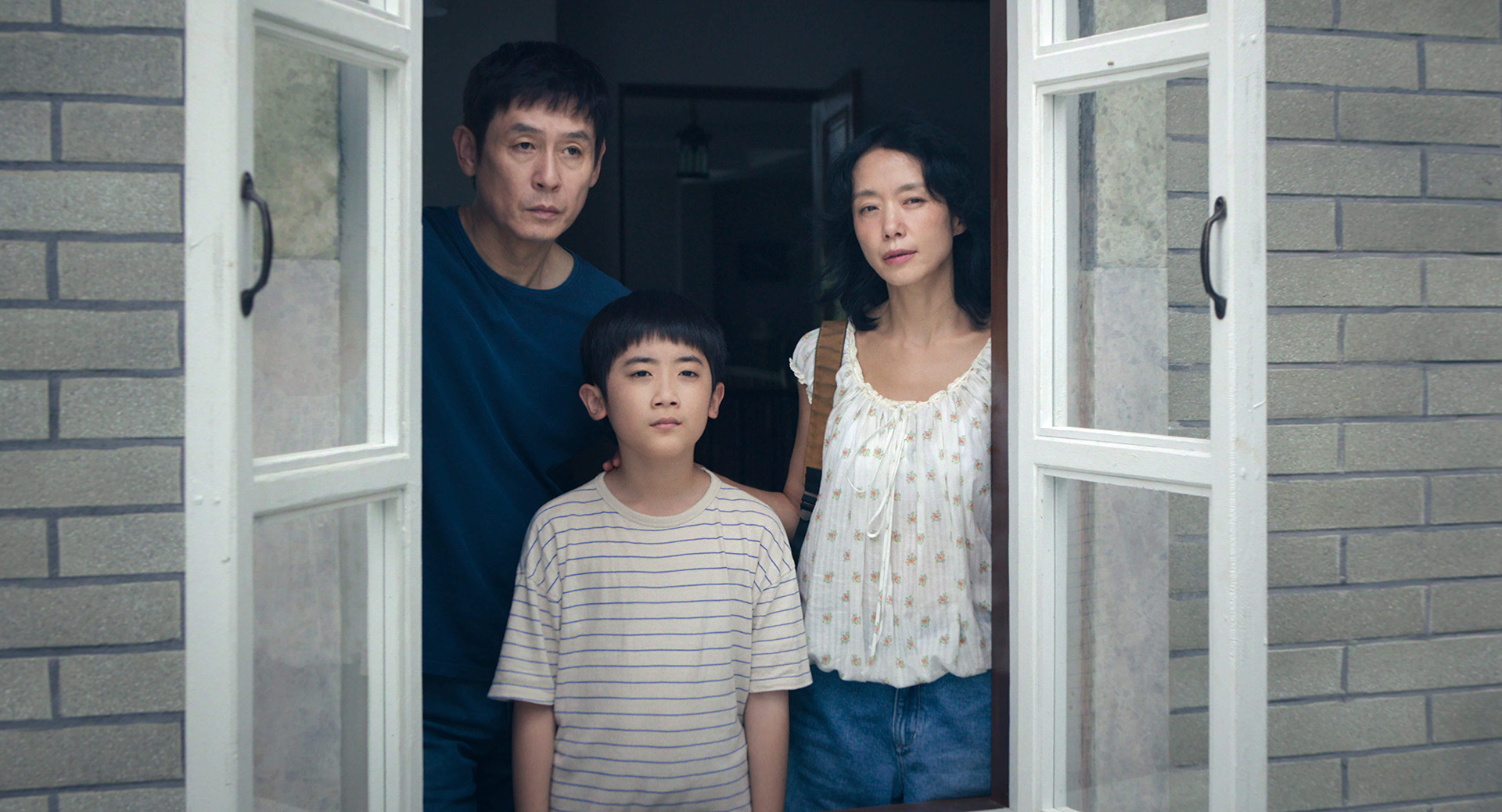
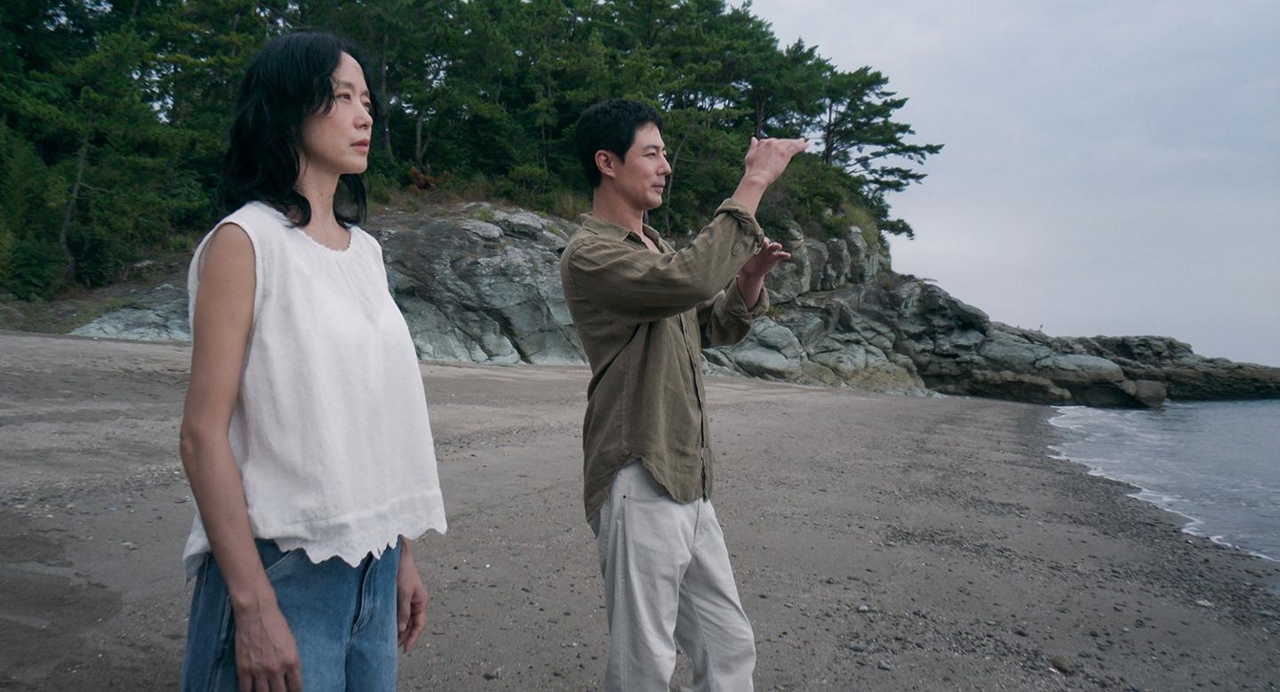
Jeon Do-yeon plays Mi-ok, a factory worker trying to hold a household together after her husband, Ho-seok (Sul Kyung-gu), is laid off in the aftermath of a violently broken strike. At a funeral for one of Ho-seok's former colleagues, they meet Ye-ji (Cho Yeo-jeong), a documentary filmmaker who wants laid-off workers on tape, and her husband, Sang-woo (Zo In-sung), a wealthy businessman whose life looks nothing like theirs. Mi-ok says yes to being filmed. Ho-seok does not. That split is the movie's real starting point.
Lee has said the story draws from the aftermath of a 2009 mass layoff in Korea, when thousands of workers lost jobs and suicides followed. Possible Love does not restage the strike as a protest epic. It starts later, when the cameras, the money, and the marriages are still sorting what the pain is for. The film opens with an epigraph about coveting. The rich couple has a beach house and a condo. The working couple has a house that shows the layoff. Ye-ji talks about trying to love her subjects. Sang-woo needles her for performing compassion. Feeling something and benefiting from that feeling are not the same job.
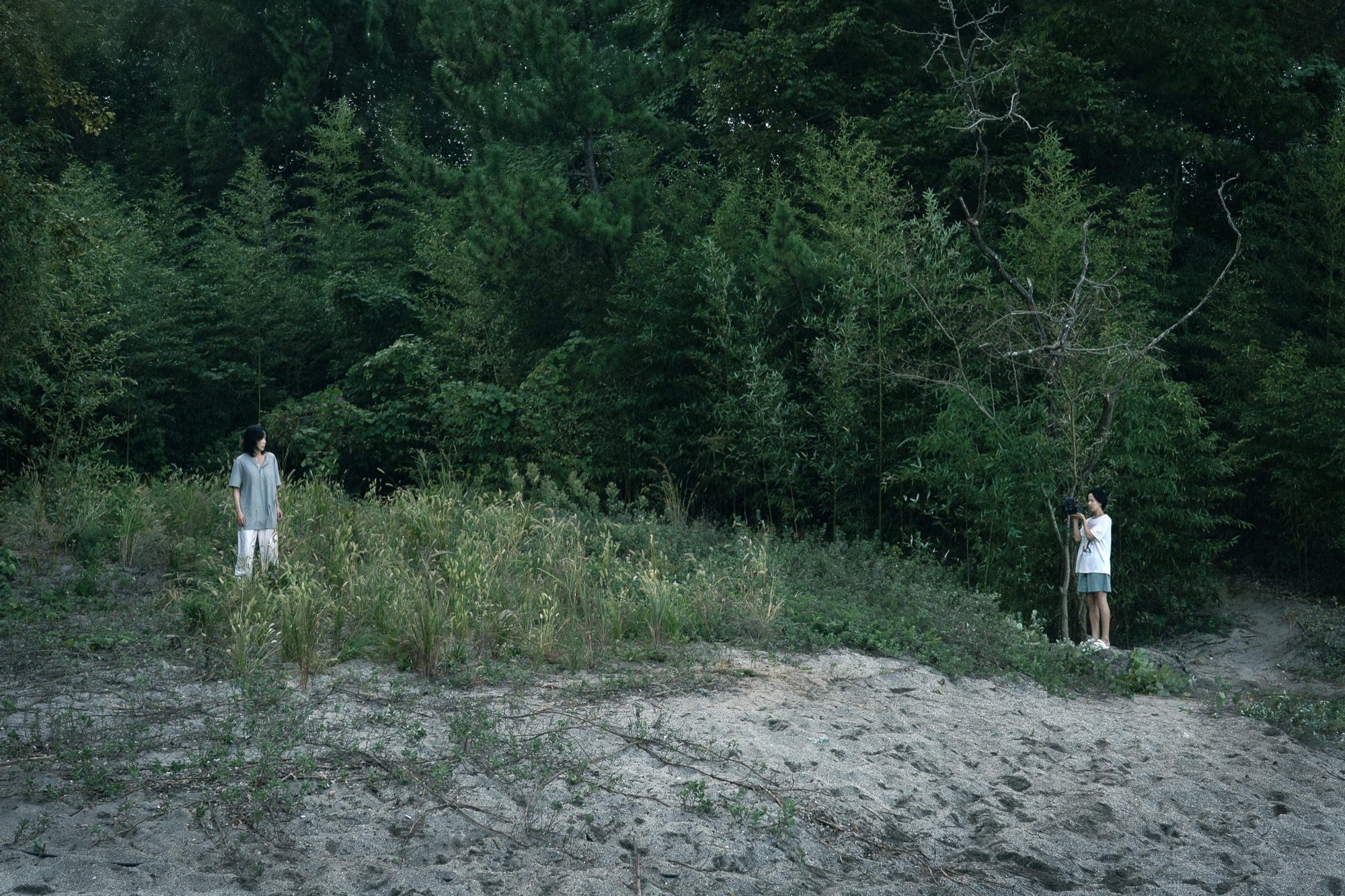
In a New York interview, Lee put the problem on the tool itself. The moment someone holds a camera, he said, they have power, and the camera runs on that power. Filmmakers and reporters often no longer belong to the world they film, and they are not the factory either. They sit in between and still have to choose whether to capture a person's suffering as it unfolds, step away, or invent the drama the footage seems to need. Ye-ji wants vanishing labor on record. Mi-ok wants something from the lens too: a way to make private despair visible, and maybe a way to get Ho-seok to stop swallowing his anger. Both desires can be sincere and still extract.
That is the class politics waiting on Friday. One couple can leave for the shore. The other cannot buy a birthday cake without humiliation. The factory already took from Ho-seok. Ye-ji's camera can take again, even when she means well, by turning private pain into a finished film or an awards-season asset. Lee does not tidy that line. Cho keeps Ye-ji hard to read on purpose.
The Korean title is 가능한 사랑. The English one keeps the doubt. South Korea submitted the film for the international-feature Oscar. It runs 164 minutes and is rated R. Heartbeat, Lee's short from the same world, is already on Netflix if you want the 28-minute on-ramp. Possible Love had a short U.S. theater window in late October. Netflix has the full film on Friday.