Netflix’s The Ribbon Hero revives the manga princess who refused one gender role
The Ribbon Hero lands on Netflix August 8, adapting Osamu Tezuka’s Princess Knight for a global streamer audience. The useful question is not the runtime. It is why this particular heroine is being revived now, and what a 1950s gender experiment becomes in a calamity story.
 Mina Park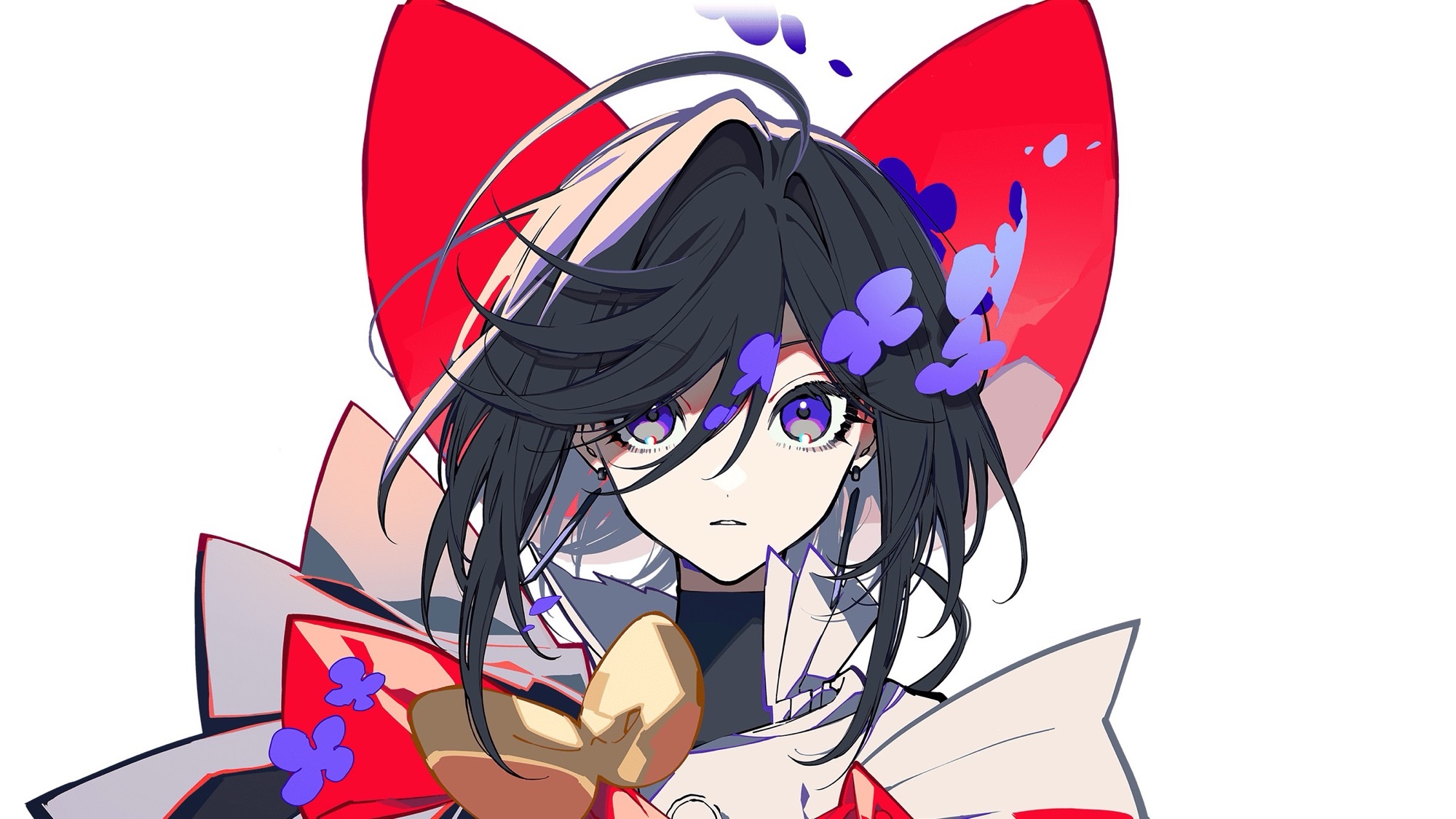
Princess Sapphire ties a red ribbon, picks up a sword, and decides she will not lose anything again.
That beat is the whole pitch for Netflix’s The Ribbon Hero, which streams worldwide August 8. The film is a modern anime feature inspired by Osamu Tezuka’s Princess Knight, the 1950s manga about a girl who had to occupy the center of an adventure story on terms that were not supposed to belong to her.
Our read: Sapphire is back because the industry still needs a foundation myth for girls who take the sword. The open question is what a 2026 adaptation keeps from a 1953 gender experiment, and what it quietly replaces.
The release and the premise
The Ribbon Hero runs about 109 minutes. Yuki Igarashi directs his first feature for Studio Outline. Twin Engine produces, Netflix distributes, and Saaya Kadokura voices Sapphire.
Character design work comes from Kei Mochizuki, with collaboration from Mai Yoneyama. That team is building a heroine who has to look ready to lead on a streamer homepage, not only in a Kodansha omnibus.
The official premise is a calamity story. Princess Sapphire loses Silverland to a force called Nergal, wanders into Goldland, starts to rebuild a life, then watches the same despair return.
She ties her ribbon, takes up a sword, and refuses to lose again. That is not a beat-for-beat remount of Tezuka’s throne intrigue. It is a reimagining built for an audience that already knows magical-girl transformations and post-disaster hero arcs.
Who Tezuka was
Osamu Tezuka is the architect most people mean when they say “god of manga.” By the early 1950s he already had Astro Boy and Kimba the White Lion in motion. Kodansha’s Shōjo Club asked him for a girls’ adventure that could match the pull of his boys’ work.
He answered with Princess Knight (Ribbon no Kishi), serialized from 1953 to 1956. The look drew heavily from the Takarazuka Revue, the all-female theater troupe Tezuka grew up around, where women played both romantic leads and dashing male roles.
Why Princess Knight still matters
The shorthand that Tezuka “invented” shōjo is too clean. Earlier girls’ comics existed. What Princess Knight locked in was a richer story-manga template: long-form adventure, large-eyed heroine, European fantasy staging, and gender play treated as plot architecture rather than a one-gag costume change.
In the manga’s cosmology, Sapphire is born with both a “blue” boy’s heart and a “pink” girl’s heart. She is raised as a prince so she can inherit Silverland, fencing and ruling in public while the story keeps testing what she is allowed to want in private.
The friction is the point. That template echoes forward into The Rose of Versailles, Revolutionary Girl Utena, and the wider magical-girl pipeline that still feeds Netflix’s anime slate.
When a streamer remakes Sapphire, it is remaking a root system, not a deep-cut novelty title.
The princess who refused one job description
Traditional princess narratives ask the heroine to wait, marry, or be rescued. Tezuka’s Sapphire gets a sword, a throne problem, and a double life.
She is not a modern gender manifesto written in today’s vocabulary. She is a 1950s commercial entertainment heroine who still refuses to stay in one box. The “male” skills keep her alive in the plot. The “female” desires keep her human. The story makes the audience watch her hold both.
That is why the character survives as soft power. She models a girl at the center of the action without requiring the adventure to apologize for her presence.
What ages well, and what does not
Still sharp: a girl trained for agency, an androgynous adventure lead, Takarazuka-flavored role play sold as popular entertainment rather than scandal.
Stickier now: the blue-heart / pink-heart metaphor that treats gender as two color-coded essences, the European fantasy kingdom cosplay of midcentury Japan, and court intrigue that can read like costume drama with a secret rather than a full identity argument.
A contemporary adaptation has to decide whether Sapphire’s doubleness is a problem to resolve, a costume to decorate, or a source of power. Director Igarashi has said he leaned toward creative liberty over strict manga fidelity, and that he wanted Sapphire’s beauty to read as coolness rather than cuteness.
That is a design thesis as much as a plot thesis. Coolness travels on Netflix. Cuteness can still sell. Doubleness is harder, and more interesting.
What Netflix changes for a global audience
The new film reframes the stakes around survival and protection after catastrophe. Silverland falls. Goldland becomes the second chance. Nergal is the returning threat. The ribbon becomes the transform-and-fight emblem a worldwide anime audience already understands.
That package travels cleanly on a streamer homepage. It can also sand down the specific gender theater that made the original feel dangerous in the best way. The smart watch is whether the movie keeps Sapphire’s refusal of a single role, even if the prince-disguise machinery of the manga is no longer the engine.
Igarashi has also nodded to Takarazuka and Tezuka’s postwar entertainment as mainstream culture made under pressure. The Netflix version is trying to sell that blood-stirring mainstream feeling to subscribers who may never have opened the Kodansha omnibus.
Who should watch, and do you need the manga?
Watch it if you care about shōjo’s origin myths, Tezuka’s girls’ work beyond Astro Boy, or how Netflix converts Japanese foundation IP into feature-length soft power. Watch it if you want a Saturday-night anime film with a heroine who looks like she was built to lead, not decorate.
You do not need prior manga knowledge. The film is pitched as a standalone. If the adaptation clicks, the Kodansha USA Princess Knight omnibus is the receipt trail. If it does not, the lineage still points to Utena, Rose of Versailles, and the magical-girl shelf already living on your For You page.
Our verdict: treat August 8 as a history test disguised as a premiere. The question is not whether Netflix can animate a ribbon transformation. It is whether Sapphire still gets to refuse one gender role when the calamity plot is doing most of the talking.