The age of Wasians and Blasians in the American mainstream
Half-Asian stars are filling American pop, sports, and fashion because the audience already looks like that. Gen Z is the last barely-white-majority generation. The kids behind them are decreasingly single-ethnicity.
 Mina Park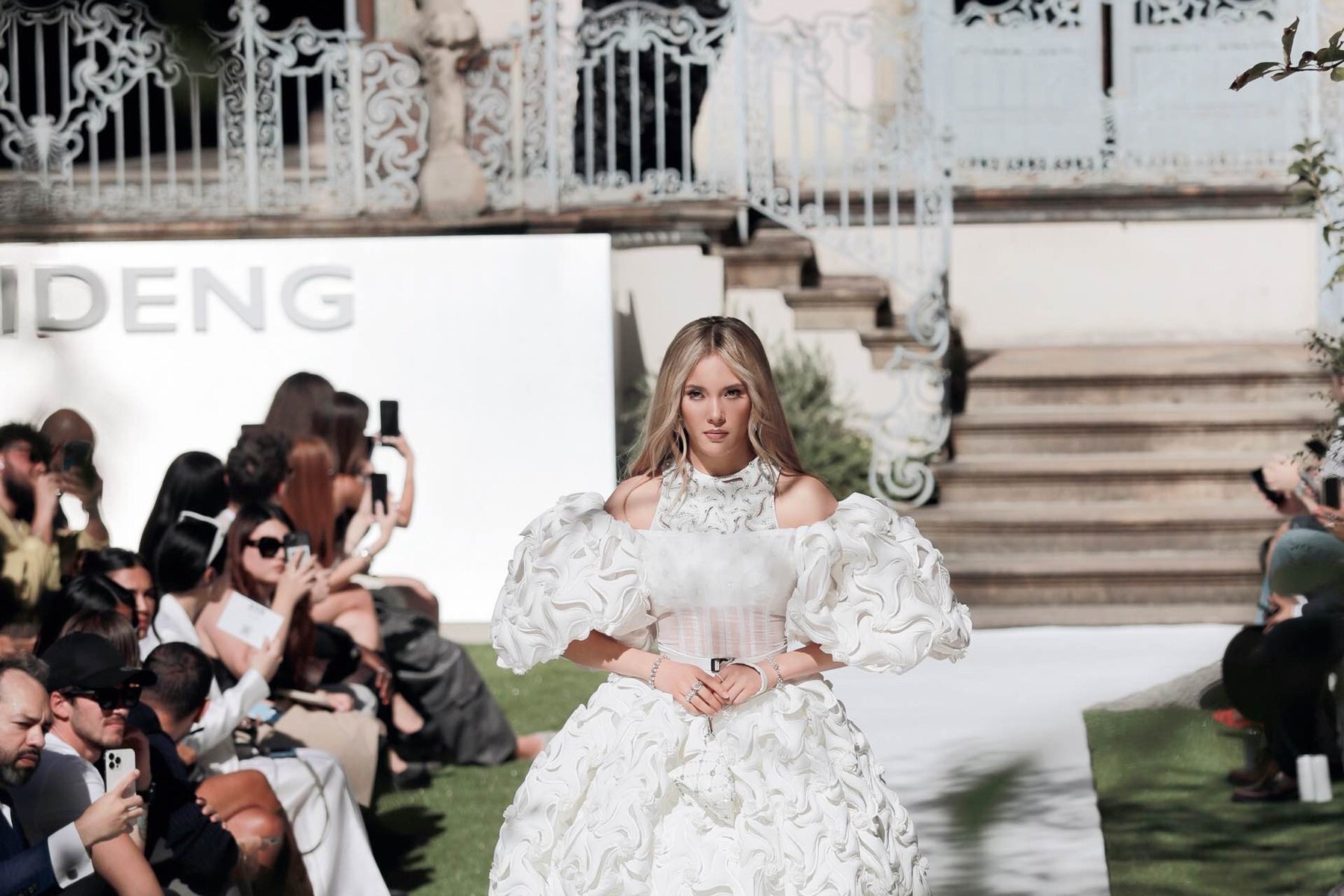
Wasian used to be what you said when you could not place someone's face. Blasian was the same shrug, a different mix.
The words lived in group chats and Tumblr tags. Then they started showing up on the Hot 100 and the Olympic podium.
Eileen Gu is the one you can point at without opening a tab. San Francisco-born, Chinese mother, American father, a Sea Cliff kid who switched sporting nationality to China in 2019.
She now sells that same face in two markets at once.
After Milan-Cortina she has six Olympic medals. The latest ones were halfpipe gold plus silvers in big air and slopestyle, her third Olympic gold.
Forbes put her near $23 million over the last year, almost all of it endorsements. More than seven million people follow her on Weibo, a few million more than her English-language Instagram.
China is where the follower count lives. The Bosideng runway in Milan is the same bet: a Chinese house putting an American-born mixed face at the center of the room.
Mixed Asian stars used to be the exception you could name on one hand. Now they are just who is booking Friday night.
The kids already look different
Gen Z is the last American generation that is still barely majority white. USAFacts put that share at 51 percent non-Hispanic white.
The kids behind them are already on the other side of the line.
The Annie E. Casey Foundation, using the 2020 Census, put children of color at 52.7 percent of people under 18. That is a different cut than "White alone," and it is the one that matches how classrooms actually feel.
On the Census tables, the White-alone share of children fell from 65.3 percent in 2010 to 53 percent. The multiracial share of children jumped from 5.6 percent to 15.1 percent.
Some of that mixed jump is the 2020 form finally letting people check more than one box without the software fighting them. Some of it is real.
Pew's 2021 numbers put 23 percent of Asian newlyweds with a spouse who was not Asian. The Asian-in-combination count grew faster than Asian-alone.
The slang was trying to name that gap. Less single-ethnicity. Less interested in giving a speech about it.
Who is already famous
Olivia Rodrigo did not wait for a heritage month. Filipino father, German-Irish mother, a Disney Channel kid who kept saying the Filipino half out loud.
After Sour and Guts she became the first Filipino American on a Vogue U.S. cover. This spring she was still cooking lumpia for the same magazine.
She is already the middle of American pop.
Laufey got the handshake later. Icelandic father, Chinese mother, six years independent, more than seven billion streams.
Two Grammys for Best Traditional Pop Vocal Album, first for Bewitched, then for A Matter of Time. She signed with Interscope and Verve this month.
Teenagers already knew how to say Icelandic-Chinese. The label paperwork arrived after the streams.
Jhené Aiko was on the radio before either of those careers existed. Ladera Heights, a Japanese grandfather, Black family on both sides, and years of getting asked what she was.
Souled Out and Chilombo made her a constant. The internet handle came after the records.
Chanel Iman walked Victoria's Secret when Blasian still got treated like a specialty booking. Black and Korean, mother born in Korea.
She shot Vogue Korea in 2008 and took her mom to Seoul for it. The caption has gotten shorter since.
Alysa Liu made the sports version loud this year. Bay Area skater, Chinese immigrant father, Mandarin at home.
In February she took women's singles gold in Milan, the first American woman to do that since 2002, and helped the United States win the team event. By spring she was on Stars on Ice, including a Newark night that filled about 16,000 seats.
Kimora Lee Simmons sold a 2000s luxury fantasy from a reality show. H.E.R. collected Grammys while people still asked her to explain the name.
Keanu Reeves and Tiger Woods were famous when mixed still needed a press conference. The pipeline is older than the slang, and the volume is what changed.
Studios are still hiring like the classroom did not change. UCLA's latest Hollywood Diversity Report put BIPOC leads in major streaming films at 36 percent in 2025, down from 51 percent a year earlier.
Asian Hollywood felt that cut first. White actors took 64 percent of those leads again.
Viewers did not stop showing up for mixed and Asian-led work. The drought is in the greenlight.
The under-18 numbers do not look like that slate.
Wasian and Blasian are messy words. They mash a lot of specific families into two tags.
They also let a 19-year-old say, in one breath, that they are not one thing.
Our read: the American mainstream is late to a country that has been marrying and streaming across those lines for twenty years. The next ticket buyer already looks like Gu on that Milan runway.