Asian America taught Sephora how to be a K-beauty destination
Olive Young’s shop-in-shop made Sephora look like an overnight K-beauty mall. Nielsen and a decade of shelf work say Asian American shoppers taught that aisle first.
 Anika Rao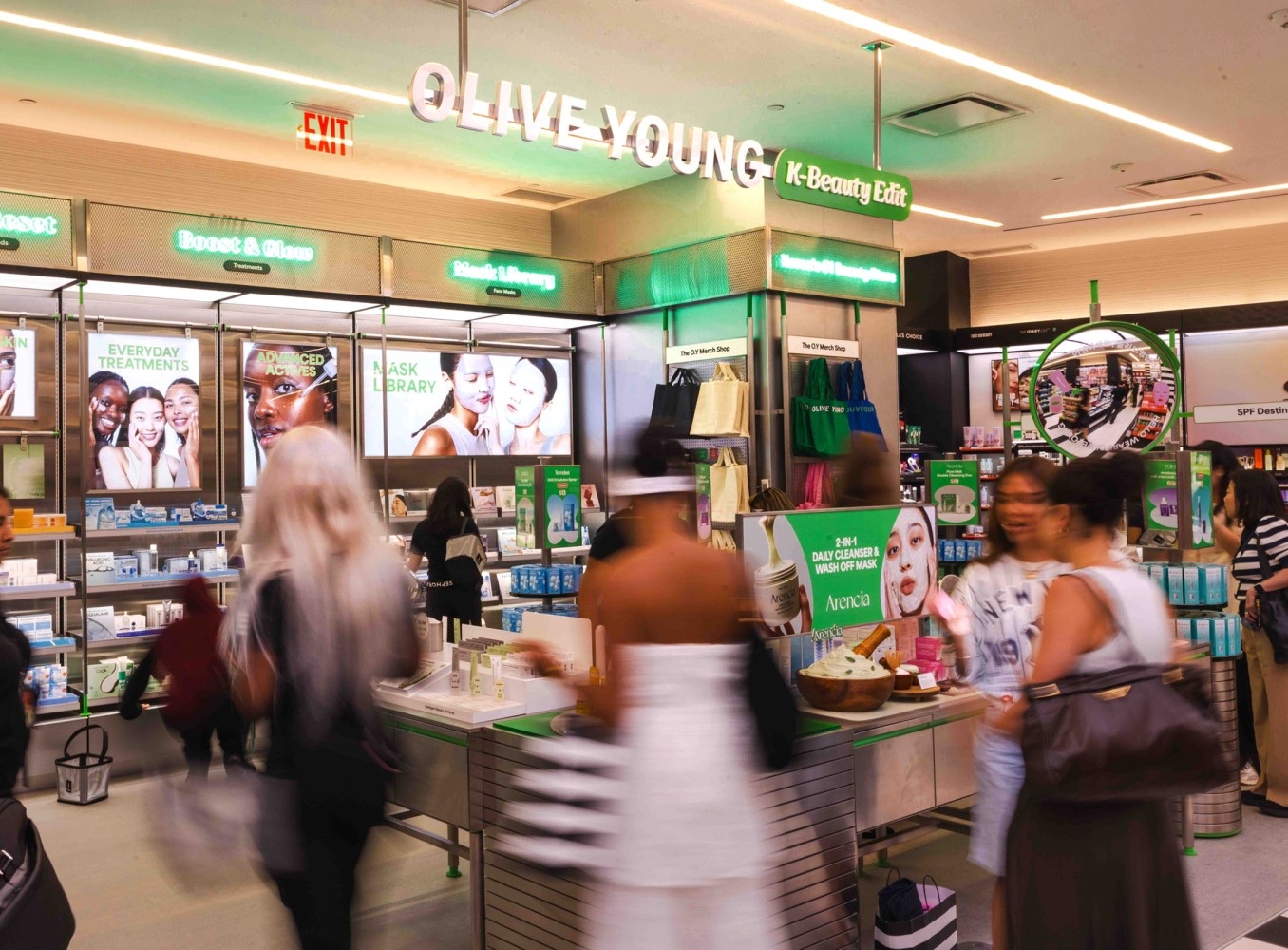
The green aisle at Sephora Times Square looks brand new. The shoppers who made it inevitable have been in the building for years.
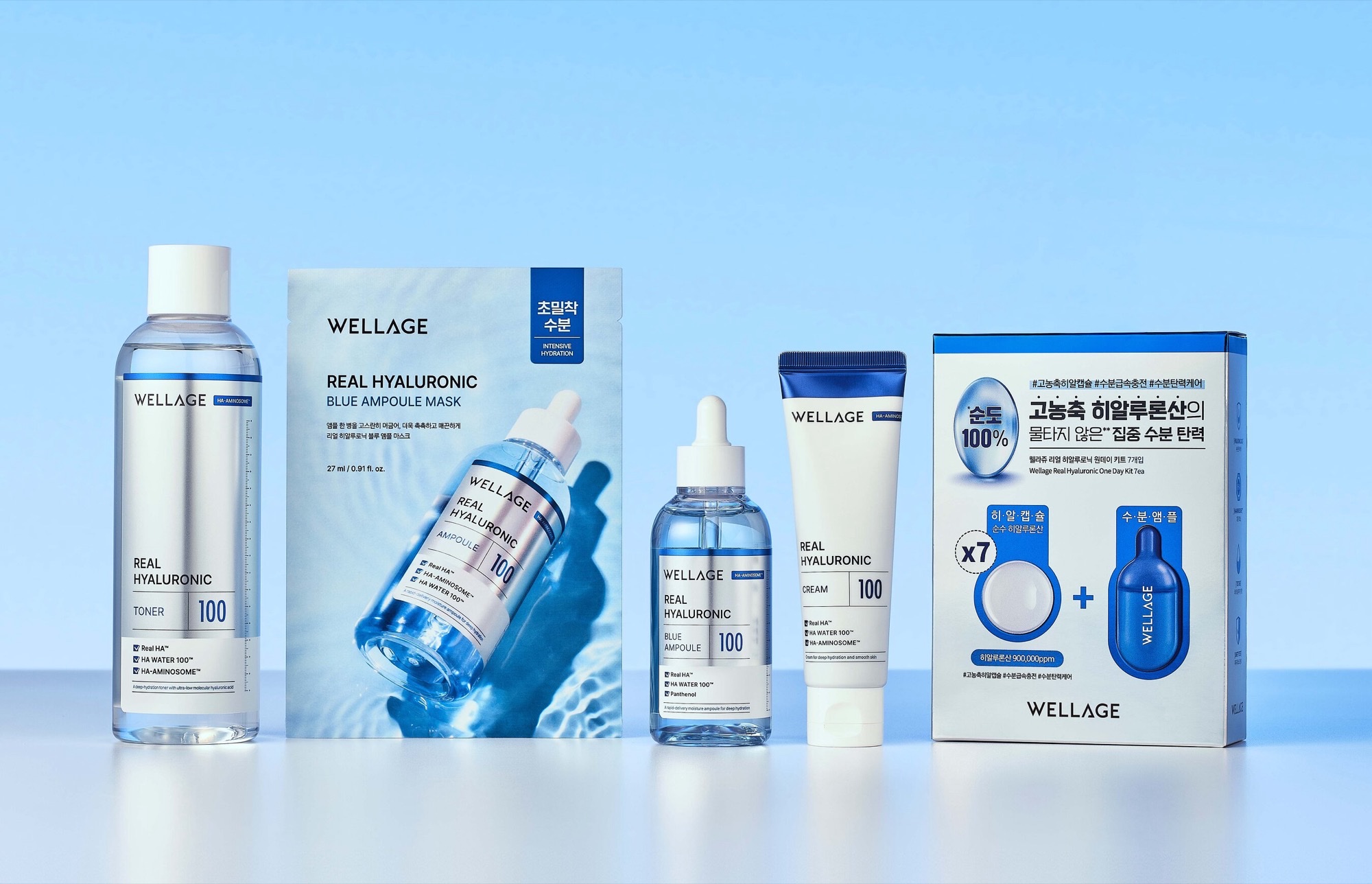
Olive Young’s K-Beauty Edit landed in August with about 150 products from 19 Korean brands, a dedicated Times Square shop-in-shop, and roughly 580 U.S. doors under the same banner. Skin care runs about $4 to $69. Devices climb to $299. Around 50 stores get a fuller two-bay setup; most get a tighter single bay. Carolyn Bojanowski, Sephora’s executive vice president of merchandising, called it one of the retailer’s biggest launches of the year.
Sephora has exported its own concept into JCPenney and Kohl’s before. This is the first time it has invited another retailer’s concept into its stores. That is what “destination” looks like in trade language. Someone else’s taste-making system, under your lights.
Our read: the Edit is real. So is the longer queue of shoppers who made Korean skincare feel permanent at prestige before the green headers went up.
The shelf was already in training
Sephora spent more than a decade learning this category.
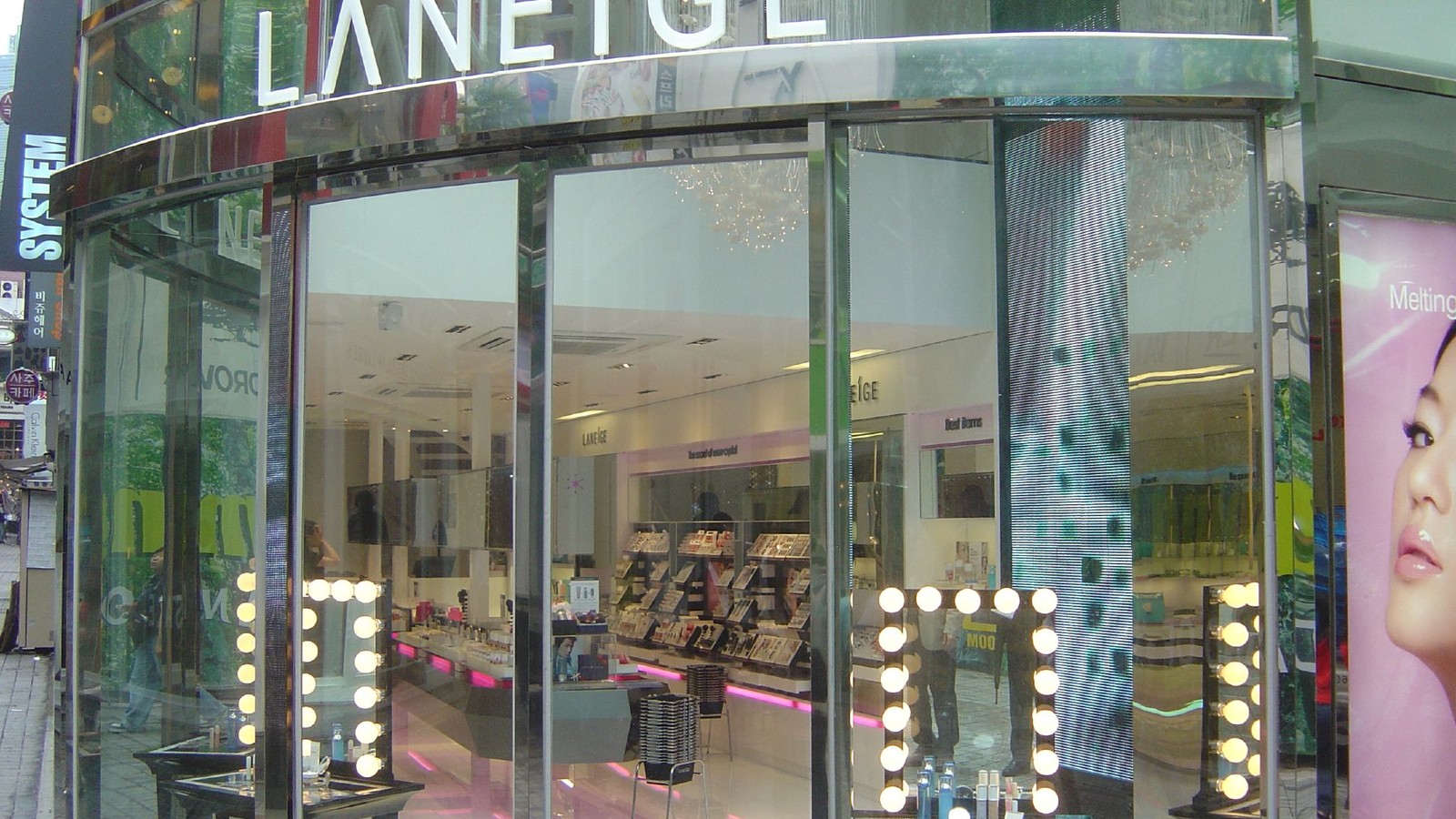
Dr. Jart+ entered U.S. doors in 2011 with a small BB cream set. Laneige’s 2017 Sephora relaunch, after a bumpy Target stretch, taught sleep masks and hydration in mall English. Korean American founders Sarah Lee and Christine Chang helped earlier still. Before Glow Recipe became a watermelon staple, their K-beauty e-tail shop helped Sephora build its first nationwide Korean skincare animation in the 2010s.
By the time Olive Young arrived, Sephora already had the muscle memory. We mapped that industry arc when U.S. K-beauty crossed into measured billions. The Edit is the next chapter: Seoul’s dominant beauty retailer exporting curation itself, not one hero SKU at a time.
Mainstreaming is a shelf fight now
American shoppers already want K-beauty. The unsettled question is who owns the trip.
NielsenIQ put U.S. K-beauty around $2.8 billion in early 2026, up roughly 48 percent year over year, with household penetration at 28.7 percent. K-beauty buyers were already spending about $1,234 a year on beauty and personal care in an earlier NIQ window, $280 more than the average buyer. Korean cosmetics exports to the United States hit about $2.19 billion in 2025, overtaking China as Korea’s top beauty market for the first time.
Amazon still takes the biggest slice of dollars, with Ulta and TikTok Shop fighting hard for the rest. Sephora’s share is smaller on volume. Its advantage is discovery, samples, and a prestige aisle that tells a casual shopper the category belongs next to French fragrance and American clean beauty.
When Olive Young lives inside Sephora, Korean curation stops being a specialty errand. Ulta’s Anua walls and Target’s expanding bays prove the same shift at mass. The fight has moved from carrying K-beauty to owning it. Sephora is making its ownership bid with someone else’s Seoul scoreboard.
Asian America is still setting the pace
The viral story usually starts on TikTok. The spend story starts earlier.
Nielsen’s 2025 Breakthrough ROI report found Asian American, Native Hawaiian, and Pacific Islander women 83 percent more likely to have spent over $500 on skincare, and 53 percent more likely to have done the same for cosmetics and perfume. They are also more likely than the general population to download Ulta and Sephora apps. That habit is why prestige K-beauty felt native in those stores long before Olive Young got a header.
Earlier NielsenIQ work showed AAPI shoppers at roughly 7 percent of beauty buyers and about 11.2 percent of spend, with strong dollars-per-trip at Sephora, Target, club, and department stores. NIQ’s 2026 Asian beauty brief still has the cohort spending about 13 percent more per buyer than the average U.S. beauty shopper, even as growth cooled into fewer, more intentional trips.
Our take: mainstreaming borrowed that engine. Glass skin talk moved through Hallyu and TikTok, then landed on shelves diaspora shoppers had already trained to take seriously. Glow Recipe’s Korean American founders, Olive Young’s California flagships, and Sephora’s Edit are chapters of one pipeline. The culture work came first; national retail followed.
Our take
Sephora can call itself a K-beauty destination now, and the Edit gives the claim hardware.
Amazon can keep replenishment. Ulta can keep door count and mass-to-prestige range. Olive Young’s own Pasadena and Century City stores can go deep. Sephora wins when the category feels permanent in prestige, organized by concern, with a Korean curator’s name on the sign.
Watch the next twice-yearly rotations. If they keep chasing Seoul sell-through, the destination stays honest. If they sand everything into generic glow for the broadest mall shopper, the aisle will still look green. Our verdict: the destination is real. Asian America taught the store how to want it.