
 Anika Rao
Asian America taught Sephora how to be a K-beauty destination
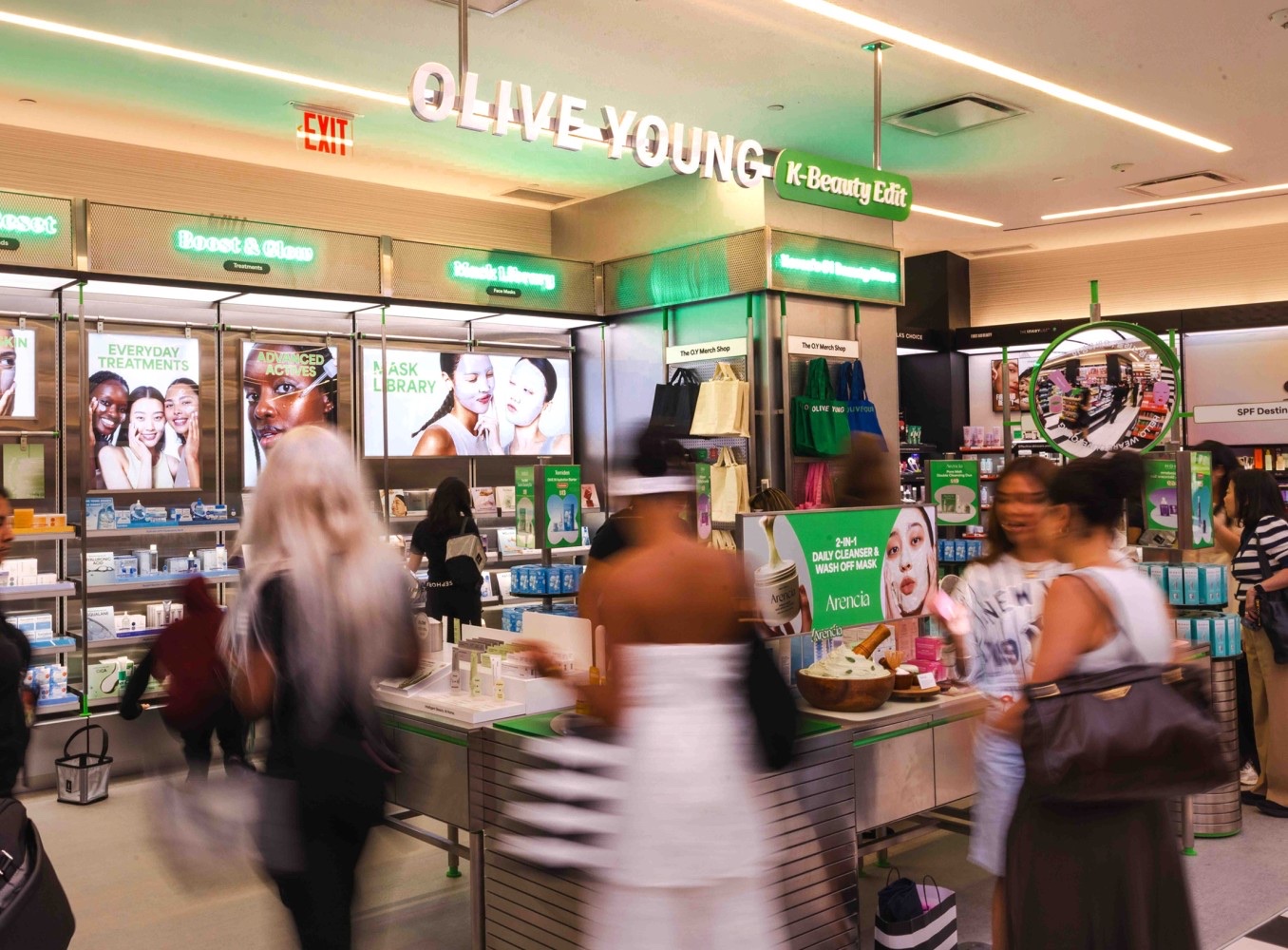
Olive Young’s shop-in-shop made Sephora look like an overnight K-beauty mall. Nielsen and a decade of shelf work say Asian American shoppers taught that aisle first.
Image: CJ Olive Young
Topics
7 stories on retail across film, TV, music, fashion, food, and diaspora culture.
Browse Goldscene coverage tagged retail. For how we source and write stories, see our editorial standards.
Olive Young’s shop-in-shop made Sephora look like an overnight K-beauty mall. Nielsen and a decade of shelf work say Asian American shoppers taught that aisle first.
Image: CJ Olive Young
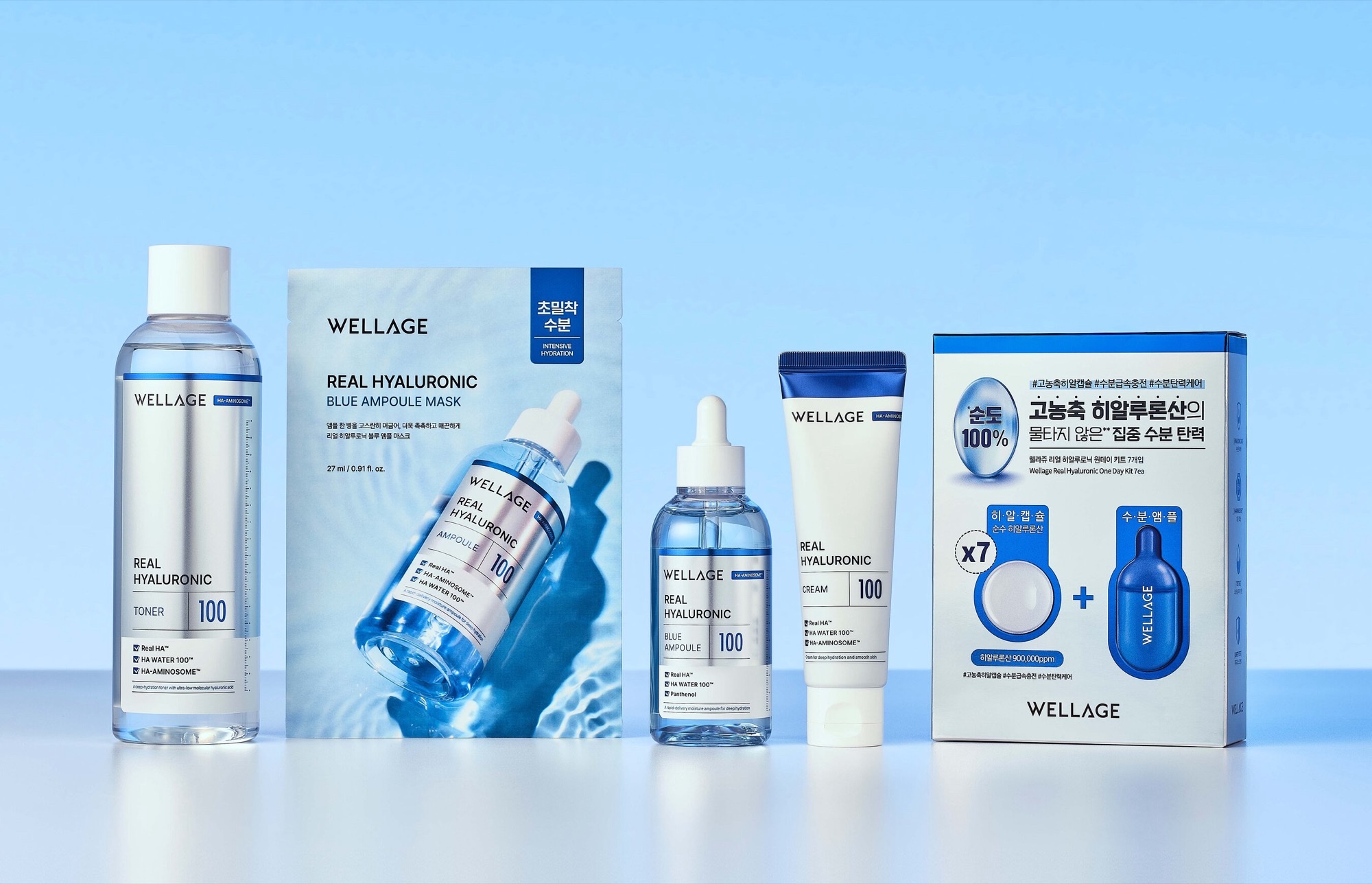
Hugel's WELLAGE put five Real Hyaluronic products into Sephora's Olive Young K-Beauty Edit on August 20. The brand is the case study. Olive Young is the export desk that found, scored, and moved it.
Image: Hugel / WELLAGE
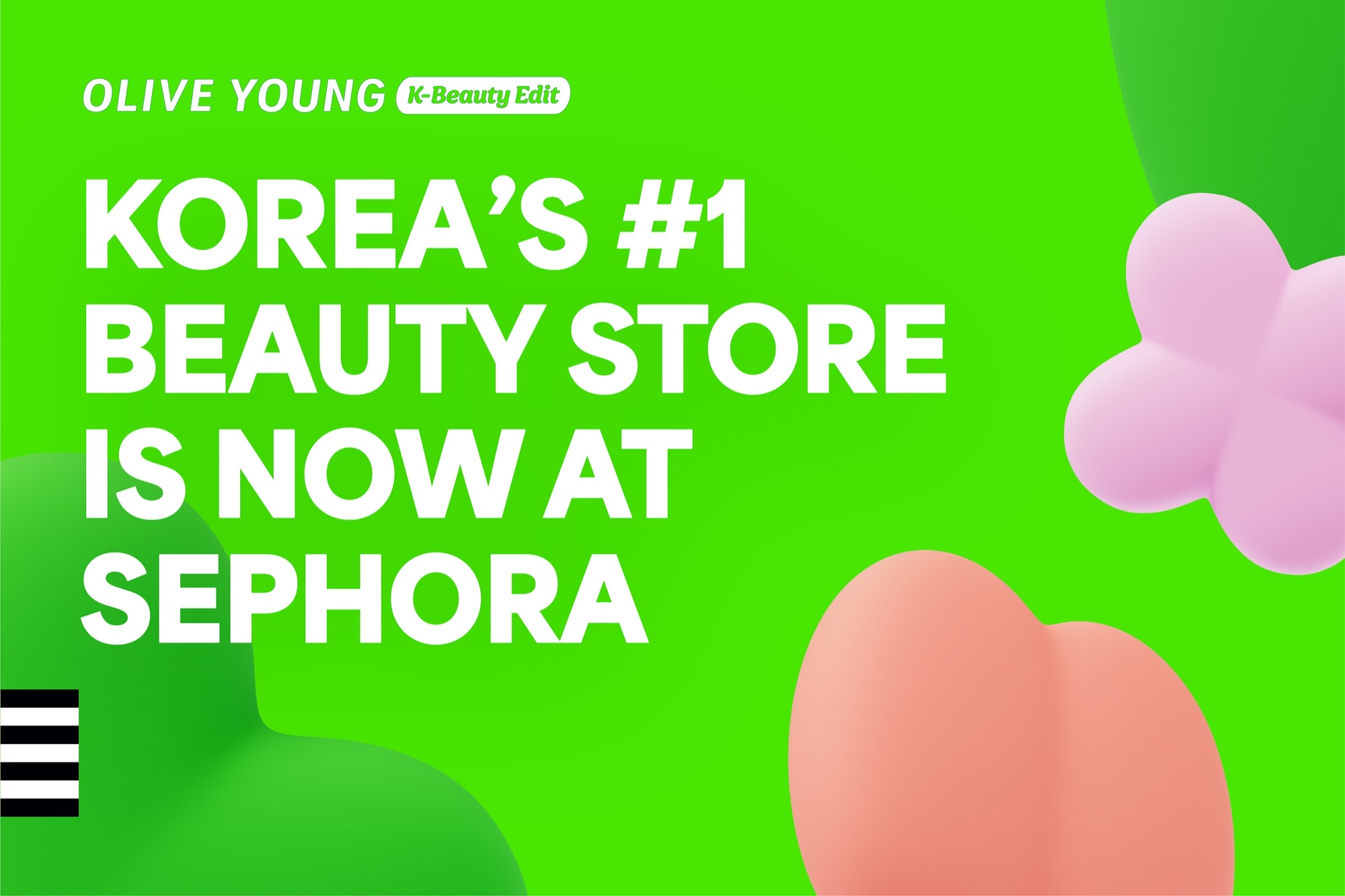
The Olive Young K-Beauty Edit arrives August 20 with roughly 150 products from 19 Korean brands in more than 500 Sephora stores and online. The bigger export is Olive Young’s power to decide what gets discovered next.
Image: Olive Young / Sephora
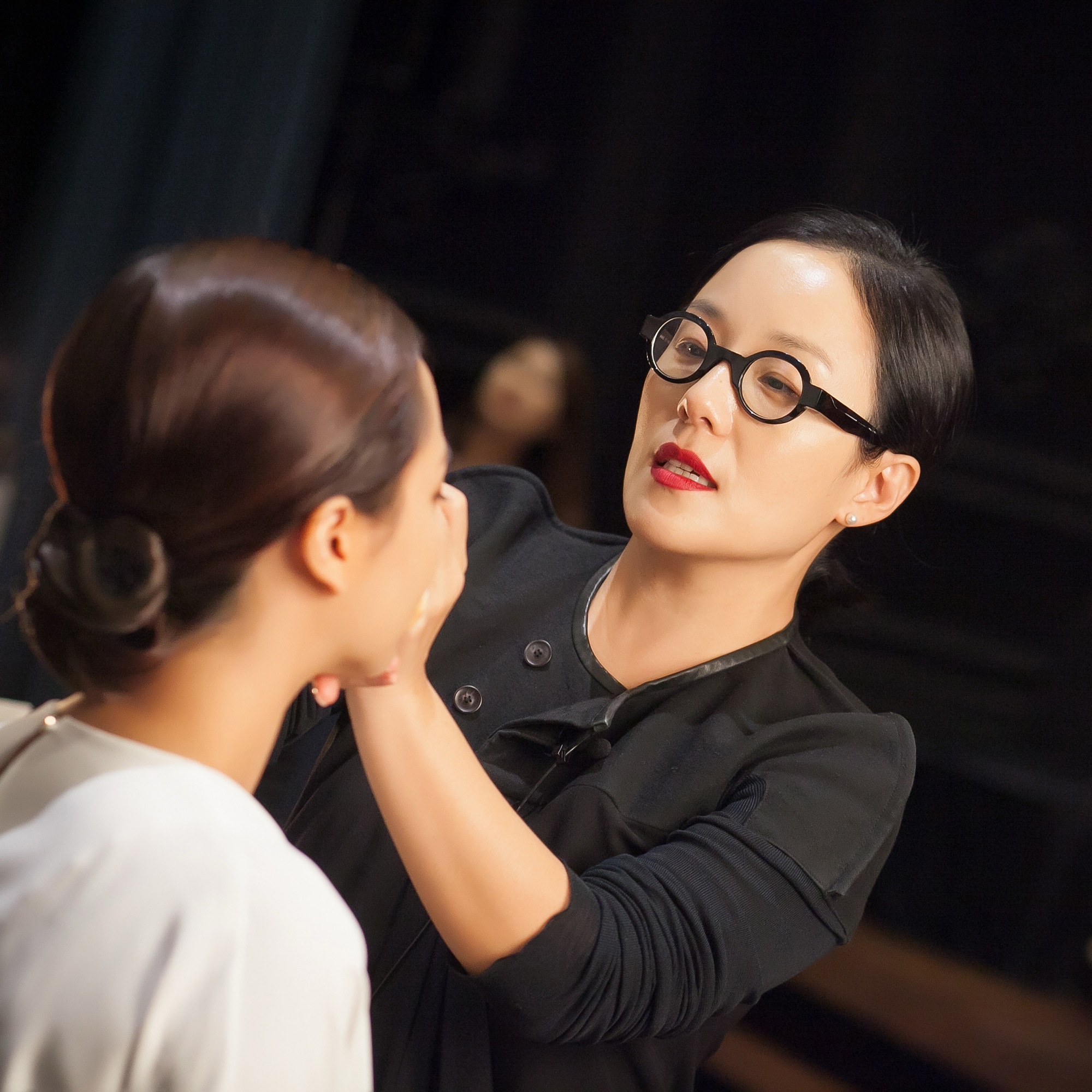
Jungsaemmool debuts at Sephora U.S. on August 21 online and in 34 stores, with Canada next. The Olive Young cushion champion is converting Amazon-Costco reach and CLSA capital into a prestige makeup door.
Image: Jungsaemmool Beauty
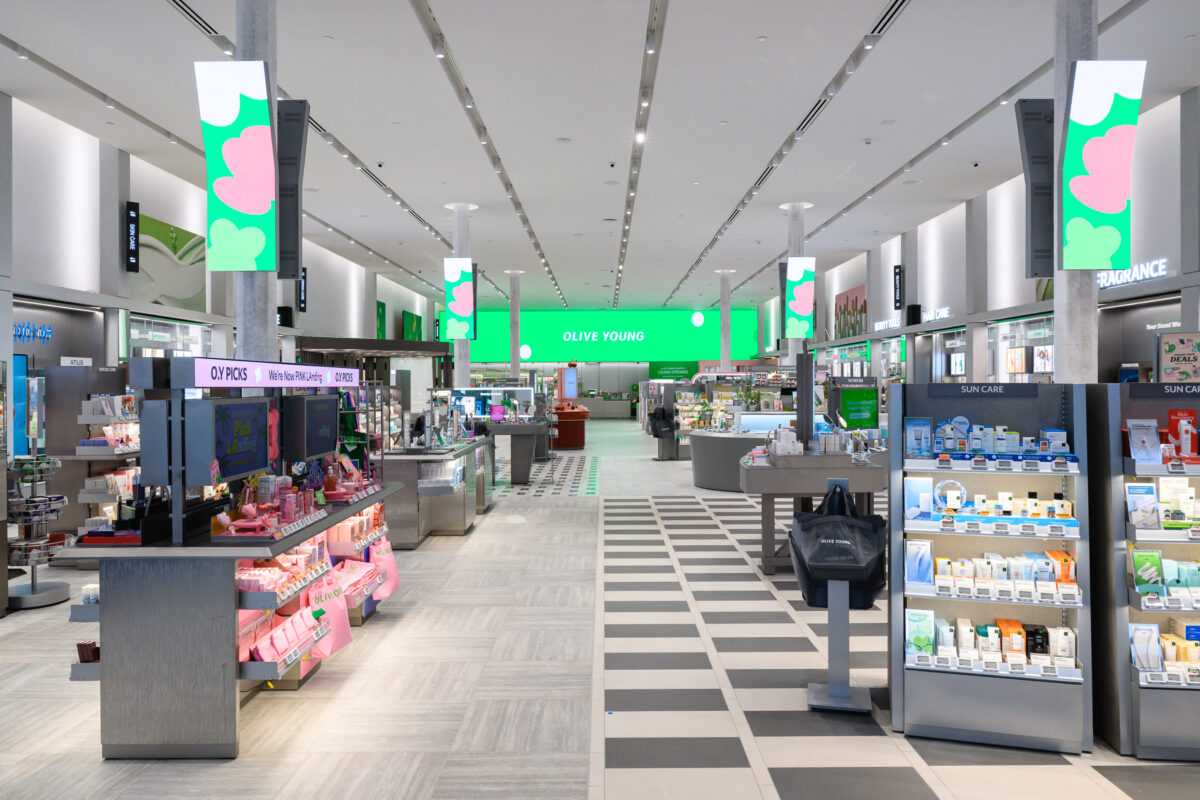
K-beauty did not conquer America through Soho flagships alone. Olive Young, Sephora endcaps, and suburban strip malls built a shelf strategy that treats Asian beauty as repeat grocery logic, not museum gift-shop novelty.
Image: LA Magazine / Olive Young
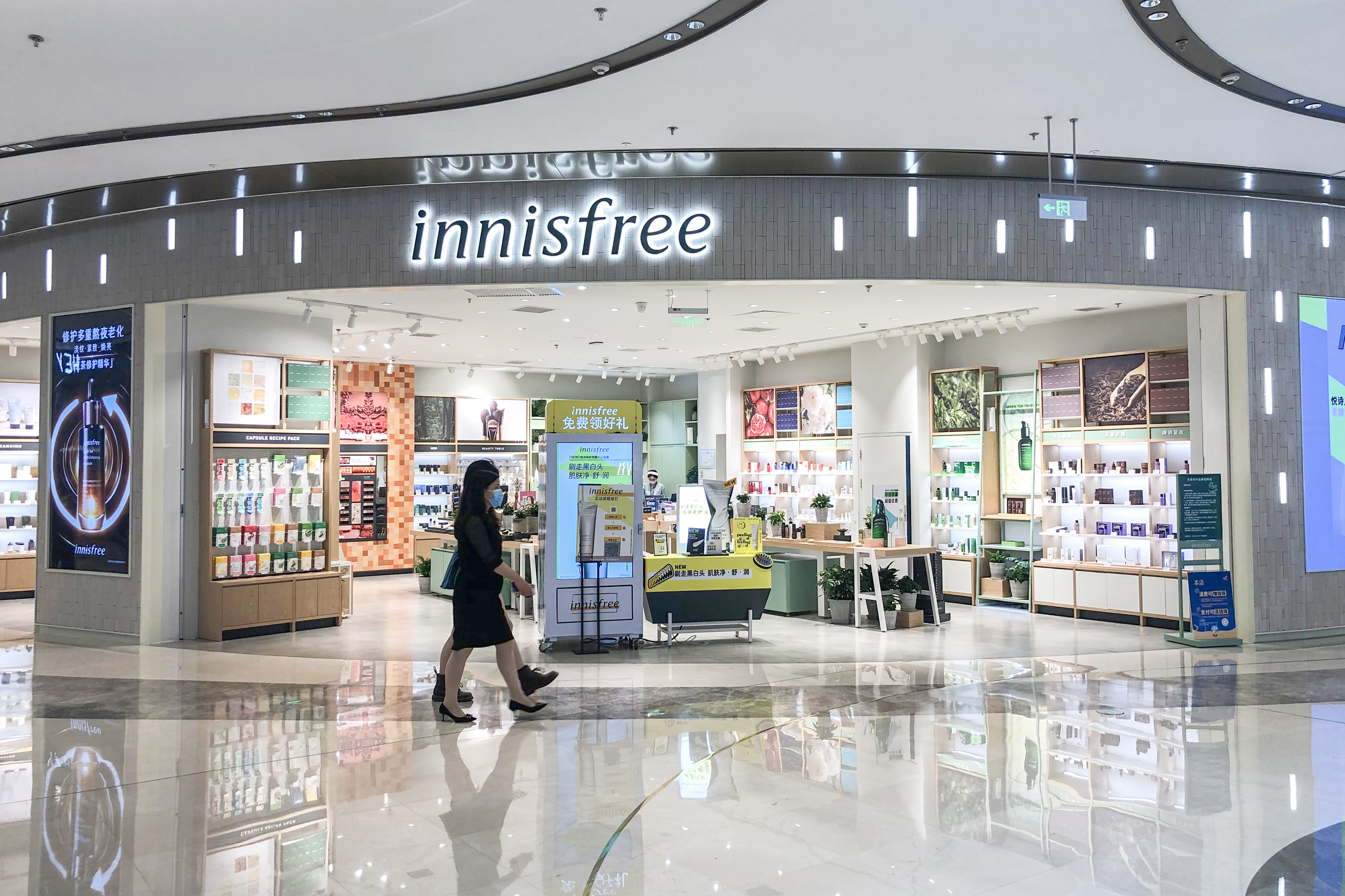
The United States has surpassed China as the largest importer of South Korean cosmetics, with U.S. K-beauty exports more than doubling from $841 million in 2021 to $2.2 billion in 2025.
Image: N509FZ / Wikimedia Commons (CC BY-SA 4.0)

Young Asian and diaspora luxury shoppers combine celebrity influence, routine beauty logic, and digital research into a consumer profile global brands now design around.
Image: Alec Soth / Courtesy of Louis Vuitton
 The Goldscene Desk