How K-beauty retail landed in North American suburbs
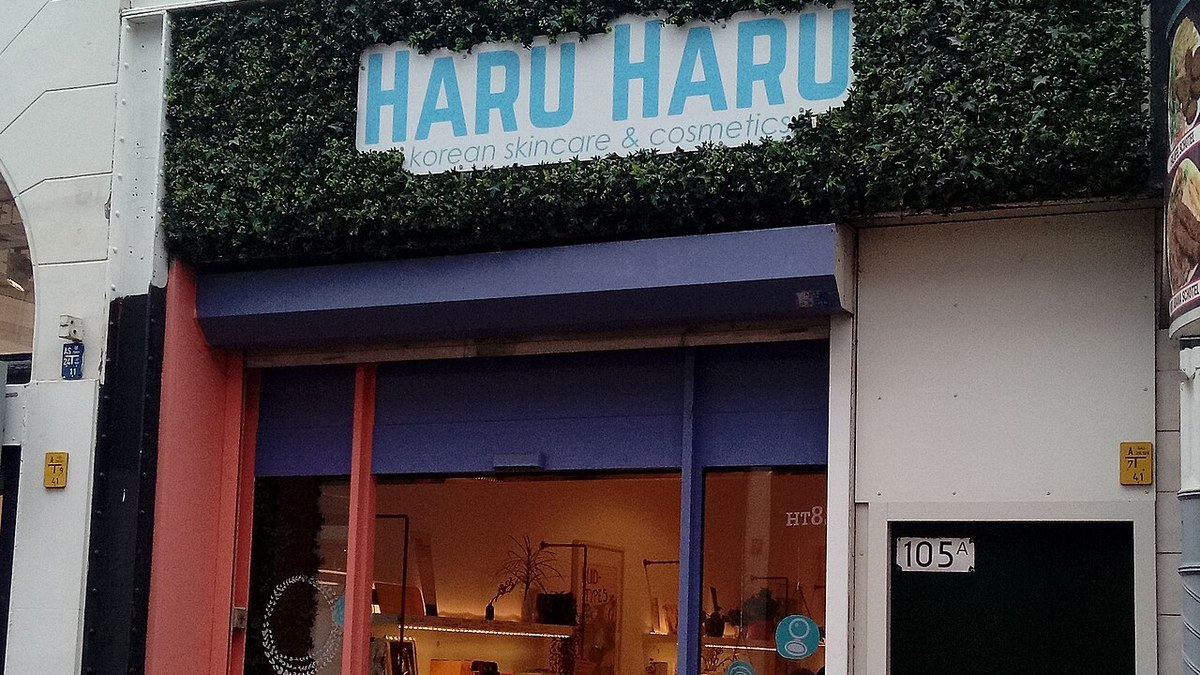
K-beauty did not conquer America through Soho flagships alone. Olive Young, Sephora endcaps, and suburban strip malls built a shelf strategy that treats Asian beauty as repeat grocery logic, not museum gift-shop novelty.
 The Goldscene Desk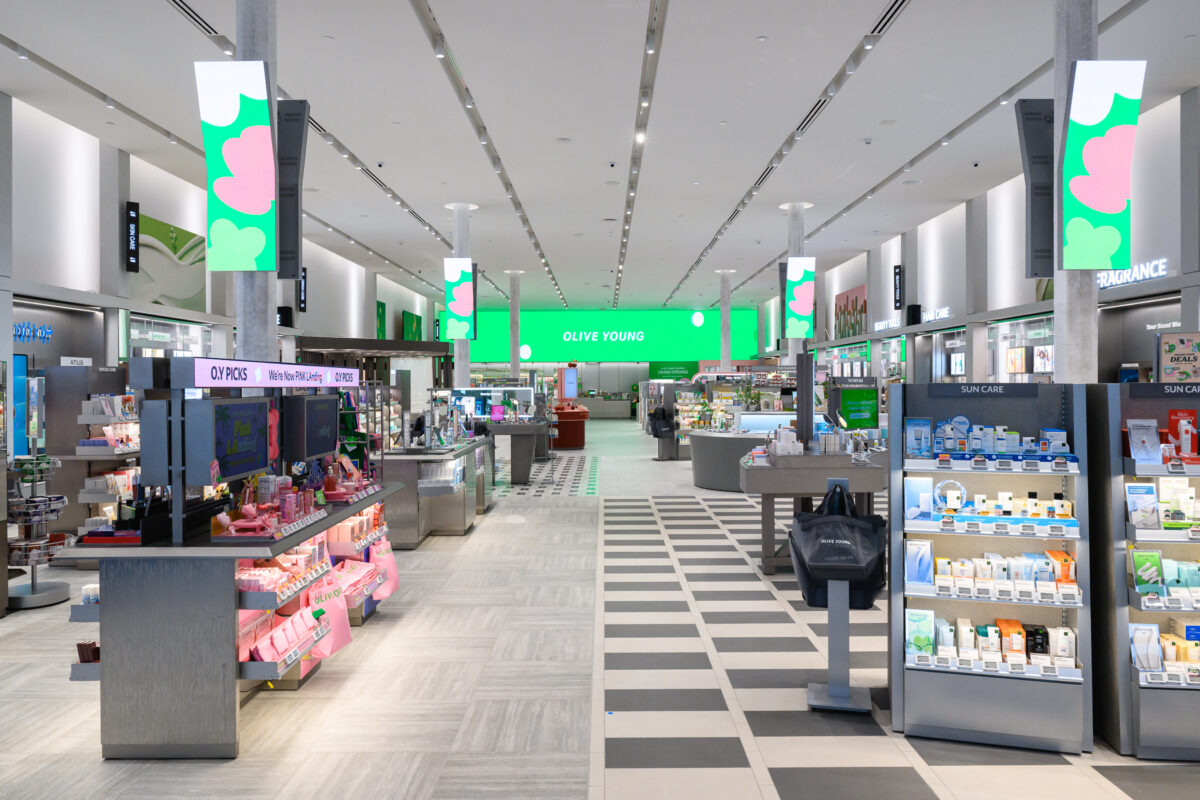
Ten years ago, most North American shoppers met K-beauty through airport duty free, a cousin's Seoul suitcase, or a blogger package that took two weeks to arrive. In 2026, the category shows up between the pharmacy sunscreen aisle and the mall parking lot where your aunt already knows which turn to take for boba.
That shift is not accidental. It is a distribution strategy built for immigrant retail density and suburban repetition. Trade data now matches what suburban shoppers already see: U.S. imports of Korean cosmetics rose from $841 million in 2021 to $2.2 billion in 2025, with the United States overtaking China as the top export market for Korean beauty in that window.
Strip malls beat flagship fantasies
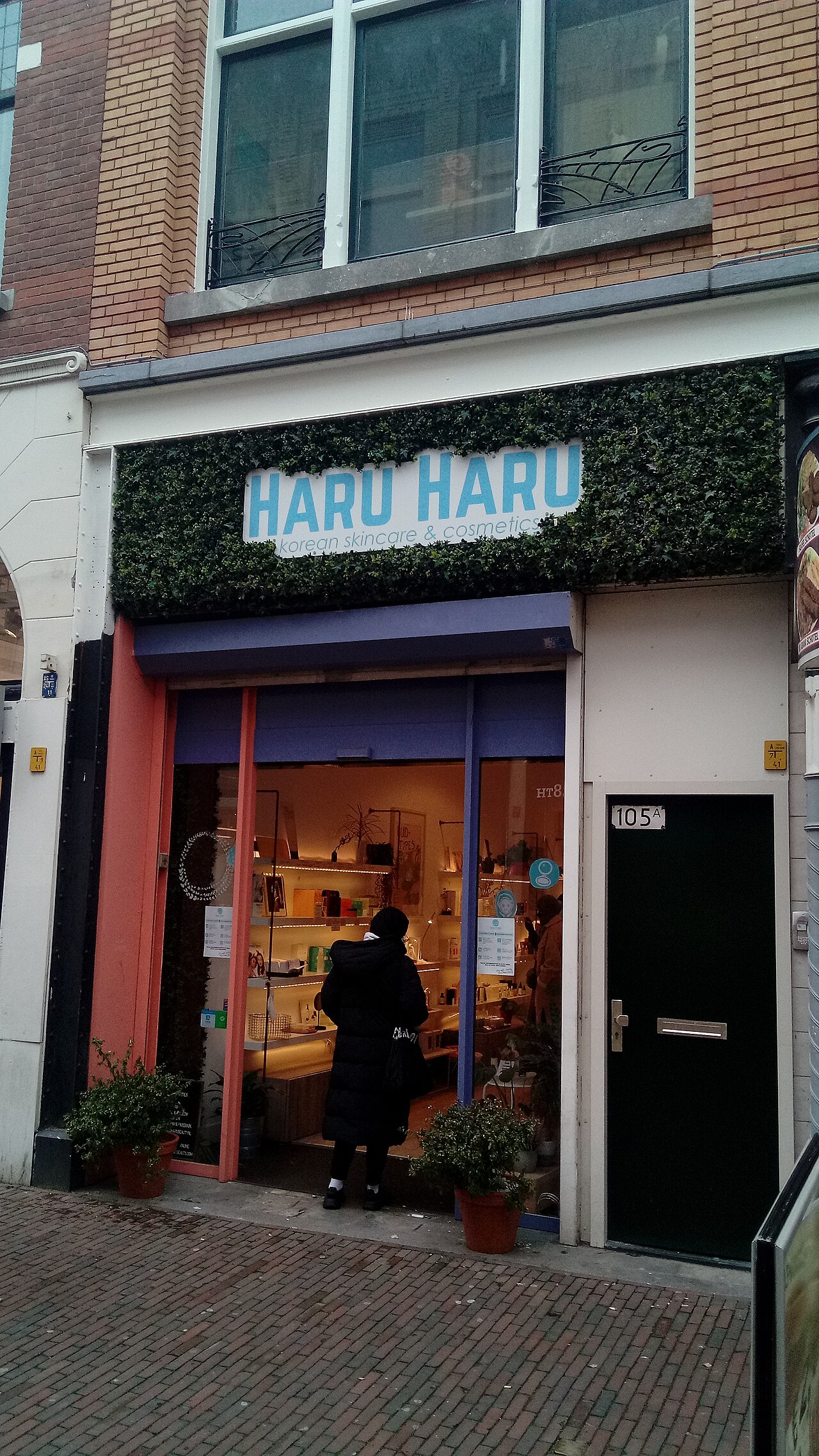
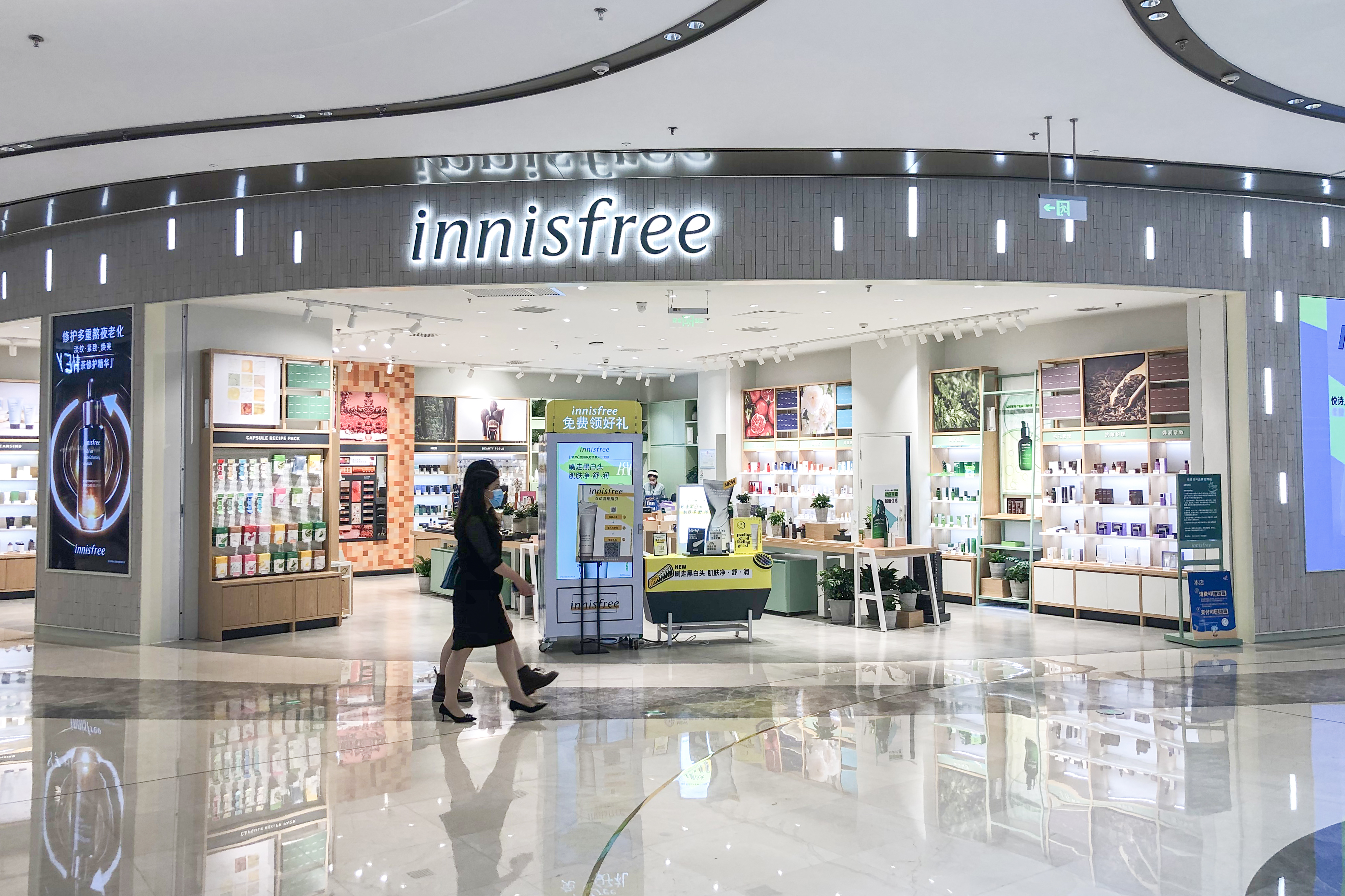
Olive Young's Pasadena opening (the chain's first U.S. store, in May 2026) is the headline, but the logic is older: Asian beauty retail follows immigrant retail geography. Suburban counties with Korean, Chinese, Vietnamese, and Filipino concentrations already had independent importers, H Mart beauty walls, and mini shops stocking Snail Essence before national chains noticed.
When a Korean mega-retailer plants a U.S. store in Pasadena, it is not discovering America. It is formalizing a map shoppers drew with cash and word of mouth. Olive Young's parent CJ Olive Young runs thousands of stores in Korea. The U.S. debut is a logistics bet that American repeat buyers behave like Seoul commuters who grab serums on the way home from work.
Sephora and the prestige translation layer
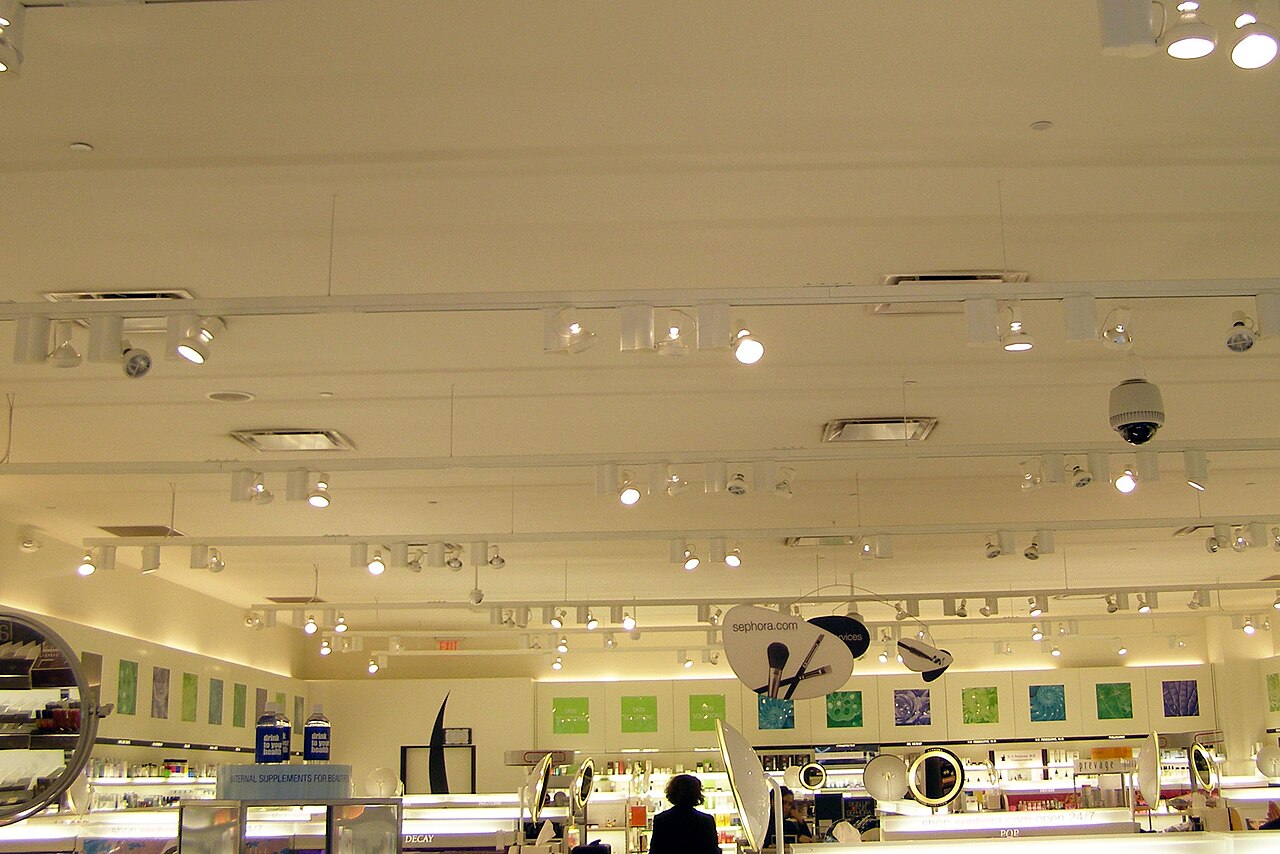
Sephora Kitsilano and similar format experiments show how legacy prestige retail tests Asian beauty as neighborhood concept stores, not only Manhattan pop-ups. Endcaps translate K-beauty into Sephora's color-coded world: star ingredients, mini sizes, influencer faces, limited drops that feel like fashion seasons.
That translation matters because suburban shoppers often trust Sephora's return policy and shade-matching desks more than a brand's Korean-only website. The product arrives with institutional credibility borrowed from the host store. Sephora's small-format Kitsilano test in Vancouver also signals how the chain prototypes Asian beauty density in walkable neighborhoods before scaling mall footprints.
Why export numbers lag lived experience
Trade coverage on the U.S. K-beauty export market can read colder than your local shelf feels. Macro stats capture containers and customs categories. They rarely capture the repeat purchase rhythm of a family buying sunscreen every May, or the TikTok-to-TJ Maxx pipeline where a serum appears in discount bins six months after going viral.
China's import slide (from roughly $4.8 billion to about $2 billion in the same 2021 to 2025 window) explains why Korean brands now fight for American shelf space with the same urgency they once reserved for Shanghai counters. Local shoppers often experience K-beauty growth as availability, not GDP. More brands, more dupe competition, more devices next to cotton pads.
Devices, dupes, and the Medicube era
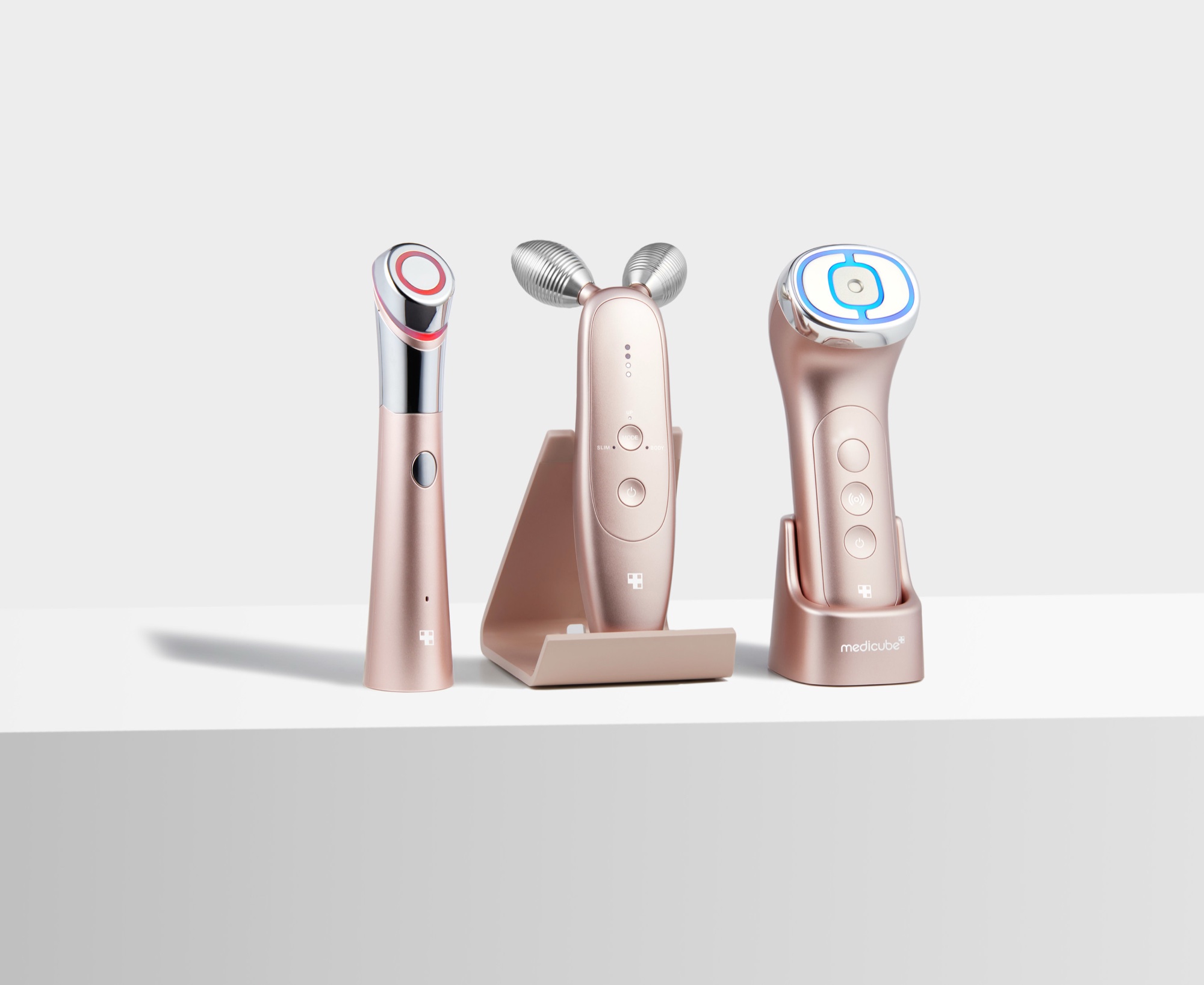
Brands like Medicube package clinic aesthetics for bathroom counters, which plays perfectly in suburban homes with space for gadget charging, not just sink clutter. Device marketing also justifies higher tickets than single serums, helping brands survive in a market flooded with dupes.
Dupes are not killing K-beauty in America. They are forcing tiering: luxury ritual brands upstairs, viral serums in the middle, Amazon clones underneath. Suburban shoppers navigate all three tiers in one weekend errand run. H Mart parking lots in Naperville, Duluth, and Richmond now look like beauty trade shows on Sunday afternoons.
What this means for your routine
If you still think K-beauty is a downtown hobby, drive to the nearest Asian supermarket parking lot and walk the perimeter. The beauty story is usually there, next to the bank and the bubble tea shop.
Our Asian beauty brands list tracks names worth knowing once those shelves feel overwhelming. The suburban retail wave is not slowing. It is settling in as infrastructure North American diaspora families already budgeted for.