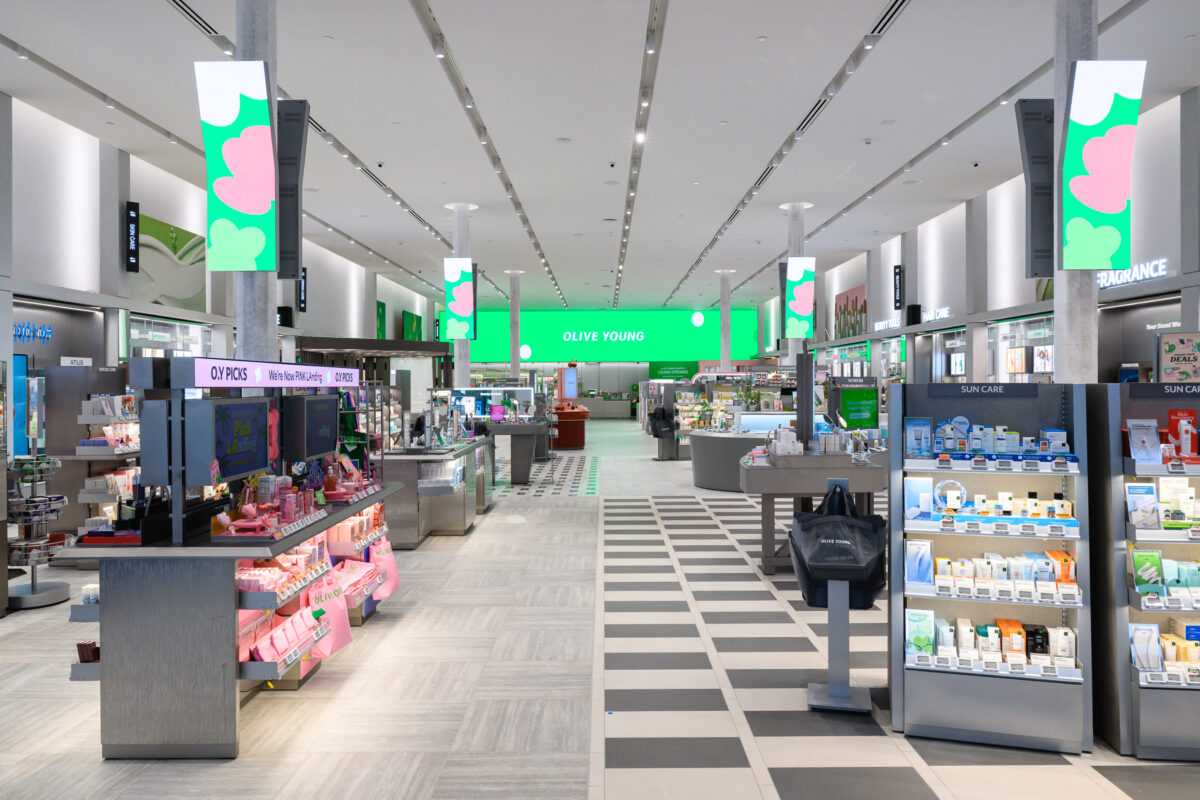
Olive Young’s Taste-Making Shelf Is Landing in 500-Plus Sephoras
The Olive Young K-Beauty Edit arrives August 20 with roughly 150 products from 19 Korean brands in more than 500 Sephora stores and online. The bigger export is Olive Young’s power to decide what gets discovered next.
 Anika Rao
You already know the TikTok serum. What you have not had, in most of America, is the Olive Young shelf that made it famous.
On August 20, that changes. The Olive Young K-Beauty Edit lands in more than 500 Sephora stores and on Sephora.com, with roughly 150 products from 19 Korean brands. Times Square gets a dedicated wall. Pop-up trucks will hand out samples in New York, Miami, and Austin.
The products are the easy headline. Who chose them is the story.
Olive Young is exporting its taste
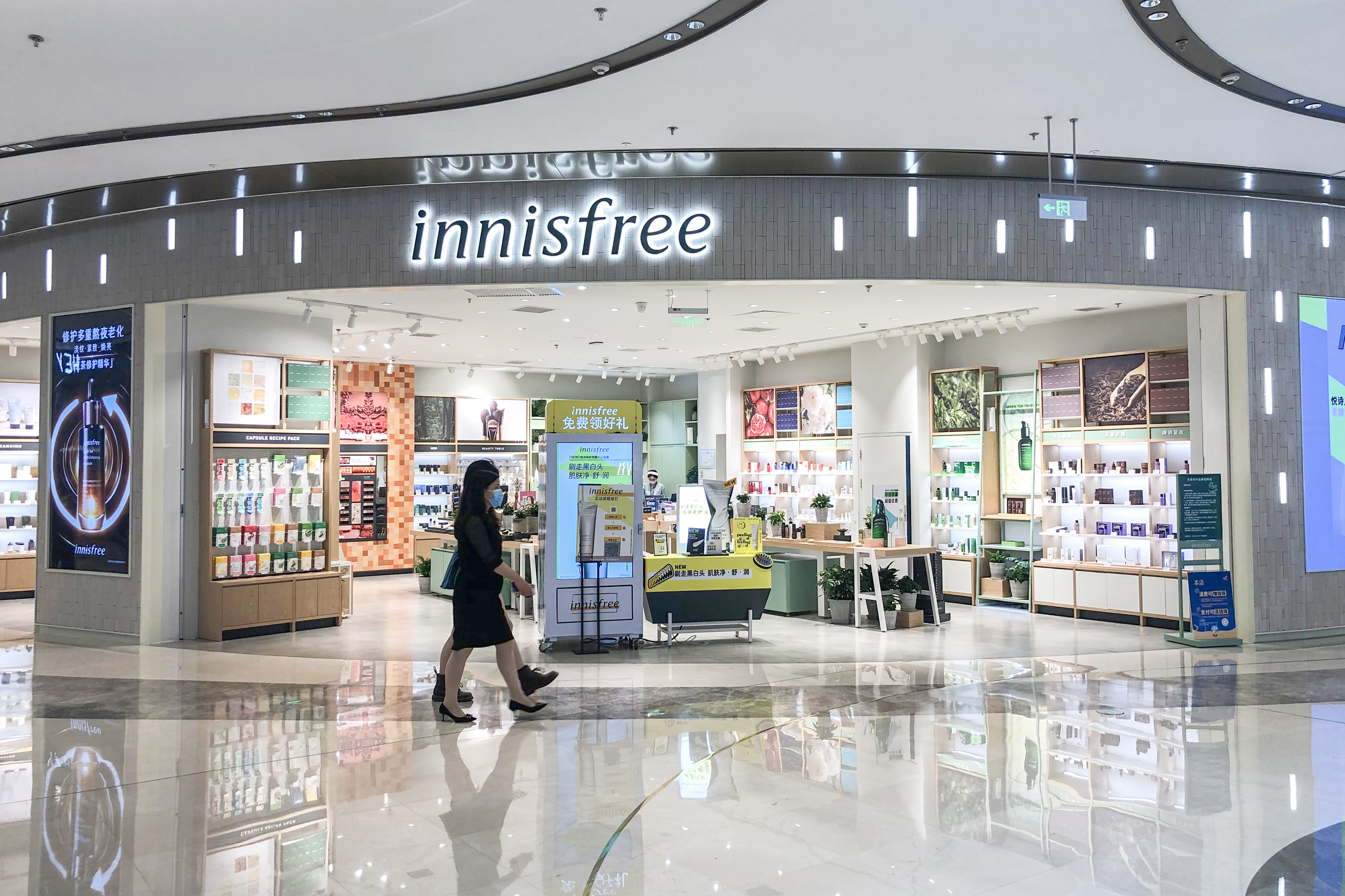
Olive Young is South Korea’s dominant beauty and wellness retailer, with more than 1,380 stores and the sales data to turn an unfamiliar cleanser into a national hit. In 2025, 116 brands cleared 10 billion won in annual sales across its channels, more than triple the count from five years earlier.
That green Olive Young badge is not just co-branding. Sephora is borrowing Korea’s best-known beauty editor.
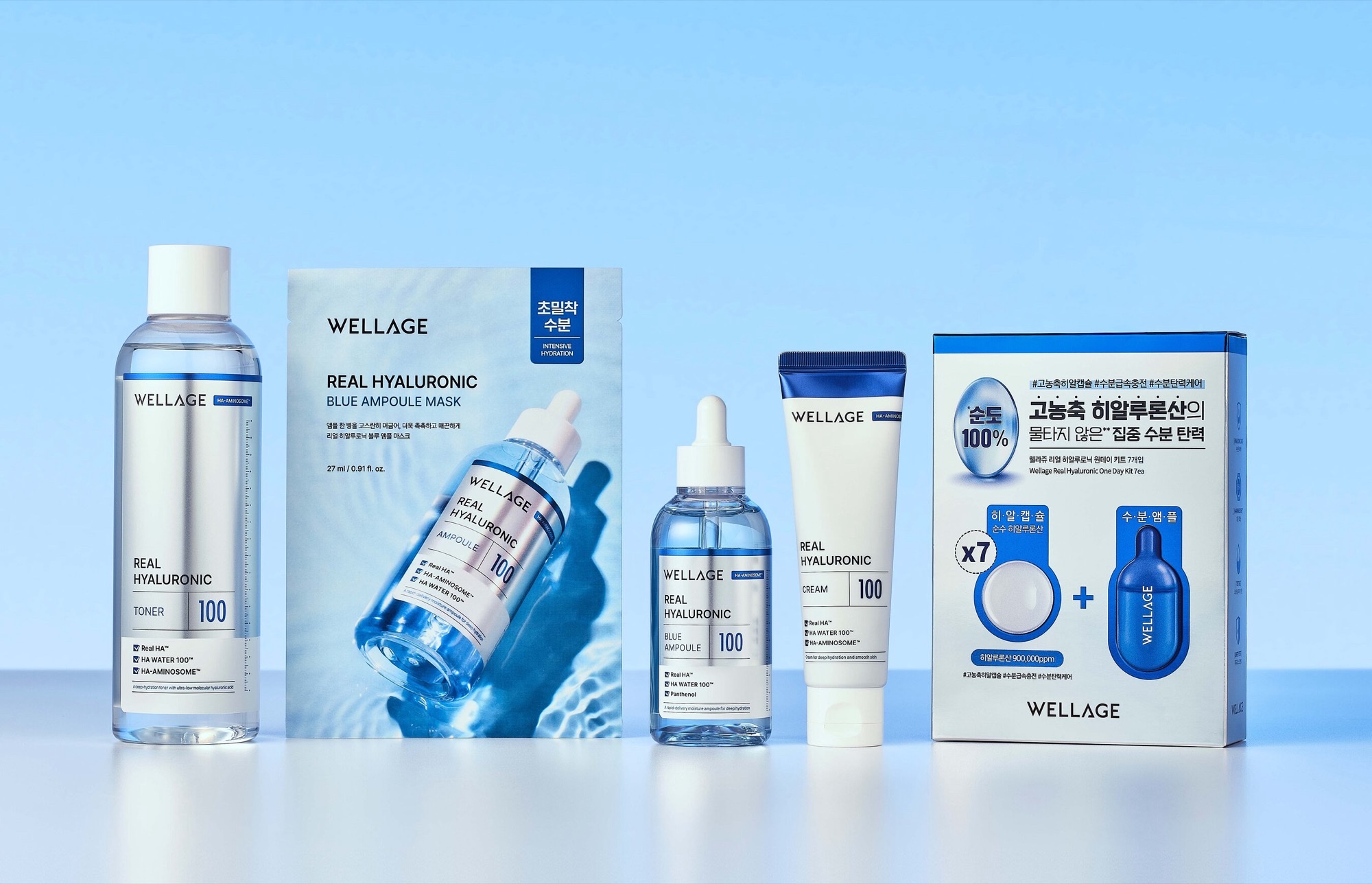
The first edit sticks to skincare that already travels: serums, creams, toner pads, cleansers, masks, sun care, plus a small device lane. Rejuran’s PDRN skin-repair ampoule and Torriden’s Dive-In hydration line sit beside smaller bets like Beplain’s mung bean cleanser and Thome’s beauty devices.
Skincare runs about $4 to $69. Devices go up to $299. Assortment will shrink with store size, and some SKUs may stay online-only, so do not expect every Times Square bottle at the suburban mall.
Our take: the edit earns its space if it stops you from opening 14 tabs to decide which blue hyaluronic-acid bottle is the real one.
Why Sephora needs a Korean editor
K-beauty has already outgrown the “trend” label. A July consumer study put U.S. category sales above $2 billion, with one in four households buying in. Two-thirds of that spend happens online. Amazon takes the biggest share. TikTok Shop remains the loudest discovery machine.
That system is fast, cheap, and messy. A clip can move a serum overnight. The shopper still has to sort authorized sellers from gray-market stock, compare ingredient lists, and hope a return does not turn into an international shipping project.
Sephora brings the unglamorous infrastructure that makes a category stick: testers, trained staff, rewards points, easy returns, and inventory you can pick up after work. Olive Young brings the weekly signal from Seoul.
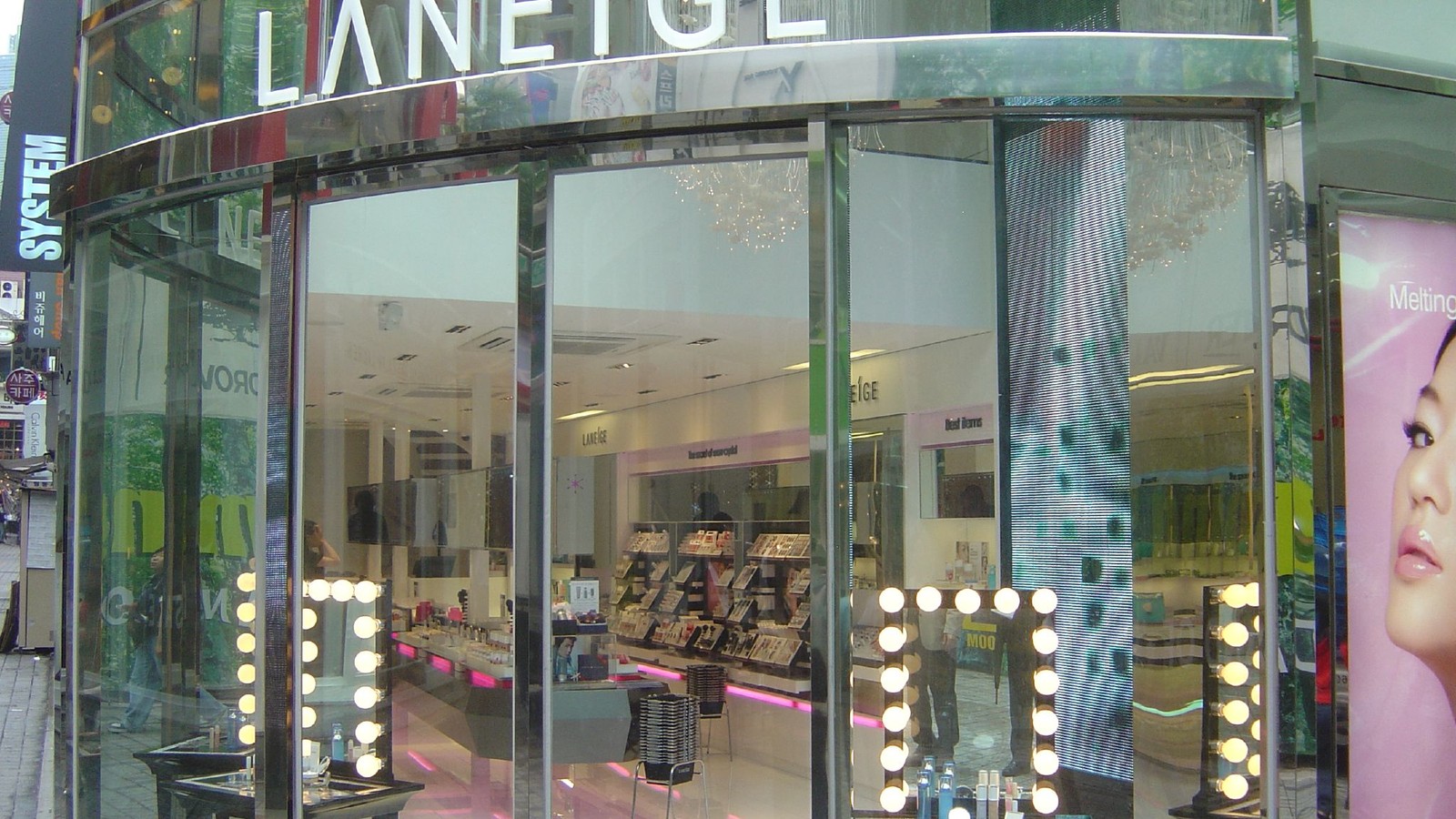
Dr. Jart+ put BB cream into a handful of U.S. Sephora stores in 2011. Laneige followed with a much larger rollout in 2017. What is new here is the editor sitting on the shelf: Olive Young’s name telling shoppers which Korean formulas already cleared the Seoul test.
What the shelf cannot translate perfectly
An Olive Young label does not mean the full Seoul assortment made it through customs unchanged.
Sunscreen is the clearest gap. The United States regulates it as an over-the-counter drug, and several UV filters common in Korean formulas remain unavailable here. Even after the FDA added bemotrizinol, a long-used European and Asian filter, to its permitted list this summer, exclusivity, testing, and labeling rules mean a U.S. bottle can still differ from the one your cousin brings back from Seoul.
Check actives and sizes. Better access is the win. Perfect duplication is not.
Two stores deep, 500-plus stores wide
Olive Young opened its first U.S. store in Pasadena in May, then a second at Westfield Century City in June. Those California rooms try to recreate the browse-heavy Korean haul. Sephora gets the edited introduction, scaled nationally.
That split makes sense. More than half of Olive Young Global Mall sales already came from U.S. customers in the first half of 2025. Demand did not need proving. The missing piece was a shopper in Texas or Ohio who did not want to fly to Los Angeles or wait on a cross-border order.
The assortment is supposed to refresh twice a year based on local response. That may be the hardest part. K-beauty discovery moves weekly. National retail resets move carefully.
Our verdict: Olive Young does not need every Sephora shopper to memorize 19 names on day one. It needs the green badge to mean “Korea already tested this.” If the edit keeps moving and the shelves stay stocked, trust becomes the most valuable SKU in the launch.