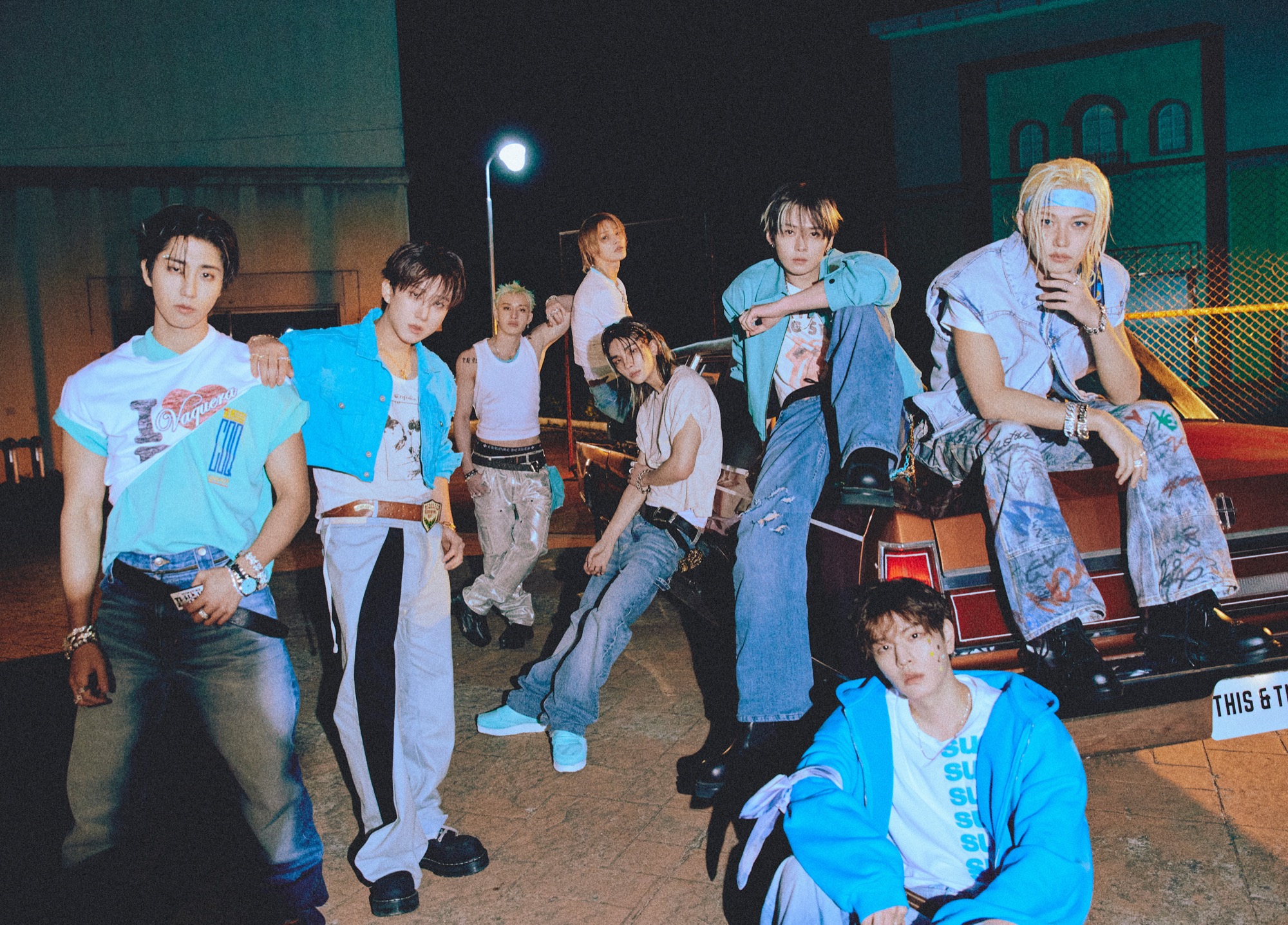
China's unofficial K-pop ban is still shaping BTS's world tour map
BTS's comeback tour skips mainland China because of a decade-long entertainment restriction a decade after Beijing quietly restricted most South Korean entertainment.
 Mina Park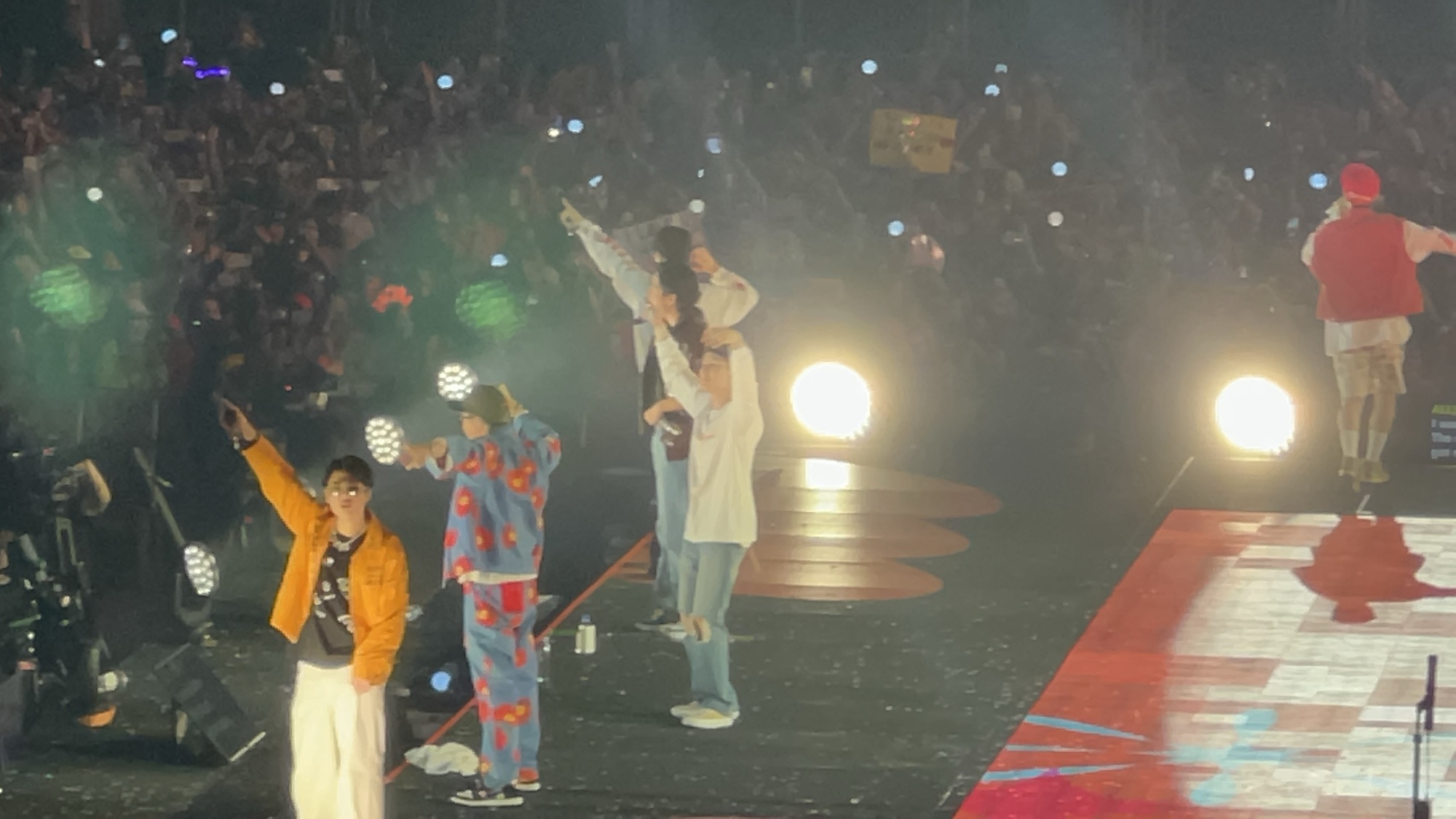
BTS is back on tour, but one major market is missing from the routing: mainland China. The gap follows an unofficial entertainment restriction Beijing has maintained since 2016 after a dispute over a U.S. missile-defense deployment in South Korea.
The ban is both geopolitical and cultural. Chinese authorities have never formally announced a prohibition, yet most Korean dramas, films, and idol promotions have been sidelined for years while domestic pop culture expanded.
Fans fly to Seoul and other cities to see groups perform, treating Hong Kong, Macao, and Taiwan as the nearest official stops where tours can still land.
Analysts argue the restriction lasted because Korean content became too popular to ignore as a influence on young audiences Beijing could not directly control.
There are also limited openings: some groups with non-Korean members have performed, pop-up merchandise stores draw lines, and older dramas remain on some platforms while newer hits circulate through piracy.
For diaspora K-pop listeners, the story is a reminder that chart dominance and tour maps are not the same thing. A group's biggest fan base can sit inside a market the itinerary skips for policy reasons.
The ban raises broader questions about cultural governance, Gen Z fandom, and how South Korea's entertainment industry rebuilt around Japan, North America, and other growth markets while waiting on any thaw with China.