Shiseido’s recovery has a Drunk Elephant problem
Shiseido is back in the black and raising guidance, but Americas results still show Drunk Elephant sliding while Clé de Peau Beauté and NARS help carry the region.
 Anika Rao

Shiseido’s nine-month numbers look like a company that finally got its footing back. Net sales reached ¥741.1 billion, up 6.8 percent, though like-for-like growth was only 0.7 percent once you strip out currency. Core operating profit more than doubled to ¥67.5 billion. Net profit swung to ¥44.4 billion from a loss a year earlier, when the Americas goodwill hit tied to Drunk Elephant still sat on the books. Full-year sales and core profit guidance went up the same day.
Inside that recovery, the brand mix tells a sharper story. Group growth came from the house brand and Clé de Peau Beauté, helped by launches including Clé de Peau Beauté’s Restorative Cream Supreme. In the Americas, where Shiseido has spent two years cutting costs and chasing full-year profitability, like-for-like sales rose about 1 percent. Core operating profit there flipped to ¥5.6 billion from a ¥7.6 billion loss.
Drunk Elephant remains the soft spot. For the first nine months in the Americas, Clé de Peau Beauté grew in the high single digits and NARS in the low single digits, with a low-single-digit lift for the Shiseido label. Drunk Elephant fell in the mid single digits. Dr. Dennis Gross Skincare dropped in the high single digits. E-commerce for Drunk Elephant stayed positive, and Kamo Drops, the August complexion launch meant to push the brand beyond skincare, gained traction at key retailers. Neither moved the year-to-date sales line back into growth.
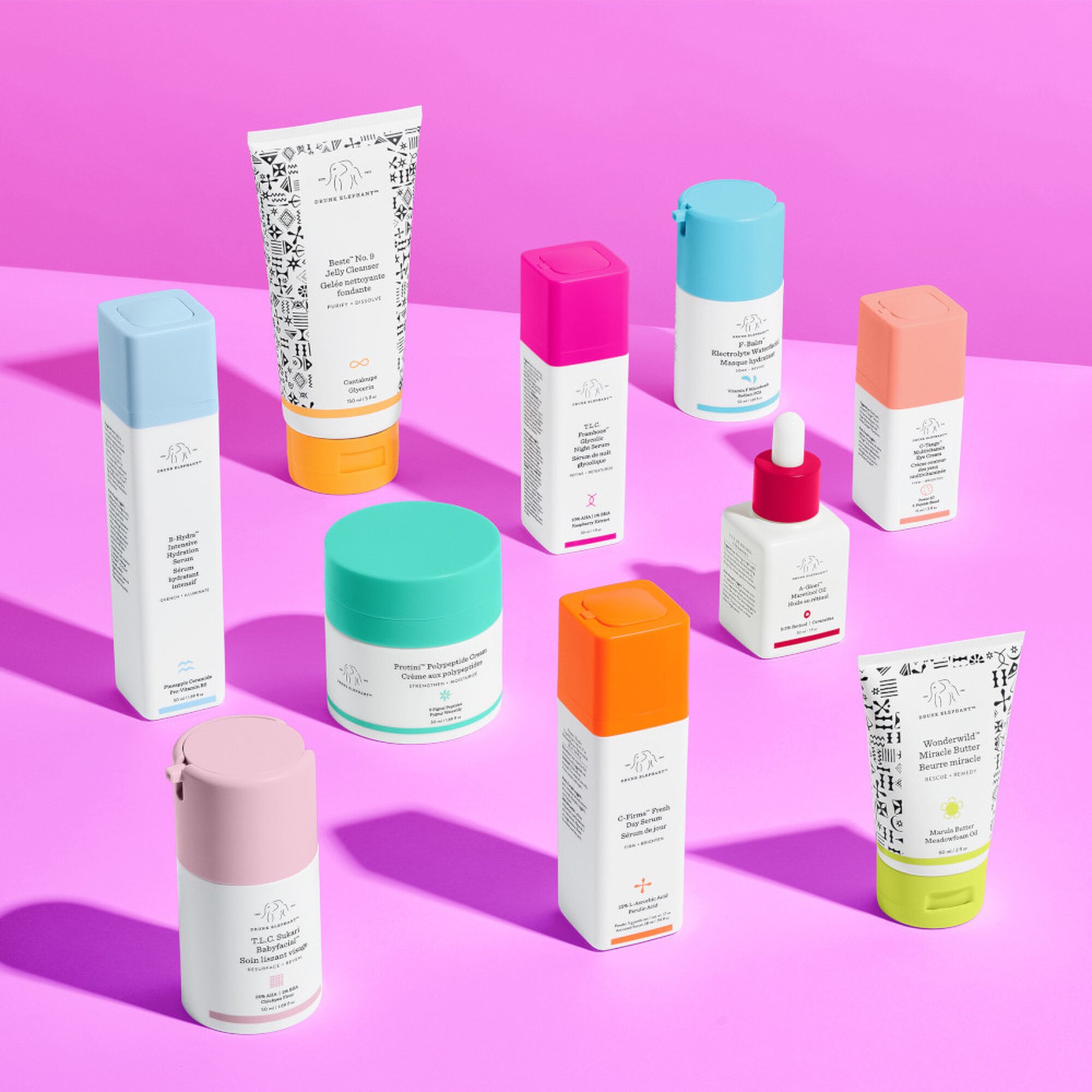
That matters because Drunk Elephant was never a side label. Shiseido paid about $845 million for Tiffany Masterson’s Houston-born brand in 2019, when Protini jars and bright bottle caps were a Sephora fixture and “clean compatible” still looked like a category the Japanese group had to own. By late 2025 it had written down ¥46.8 billion of Americas goodwill as regional profitability slipped, and Drunk Elephant’s slide was part of that damage. Cost cuts can repair a margin without bringing back the shoppers who moved on from a once-hot clinical-clean line.
Clé de Peau Beauté and NARS show the other path. Clé de Peau is the science-luxury skincare brand Shiseido keeps naming as a core priority, and the Americas numbers put it among the growers while Drunk Elephant shrinks. NARS still added low-single-digit Americas sales for the nine months even as U.S. and Canadian consumer purchases softened in the third quarter, so the company is leaning harder on concealer cross-selling. Luxury skincare and makeup are doing more of the Americas repair work than the clean-beauty acquisition.
Shiseido can raise guidance on currency, cost discipline, and Clé de Peau. The Americas brand chart still shows Drunk Elephant going the other way.