Velveting, explained as a Chinese kitchen technique
Velveting is the Chinese prep step that keeps stir-fry chicken and shrimp tender instead of rubbery: a cornstarch-and-oil coat, a rest, then a quick par-cook before the wok. Here is how it works and why diaspora cooks are finally seeing the name match the method.
 Mina Park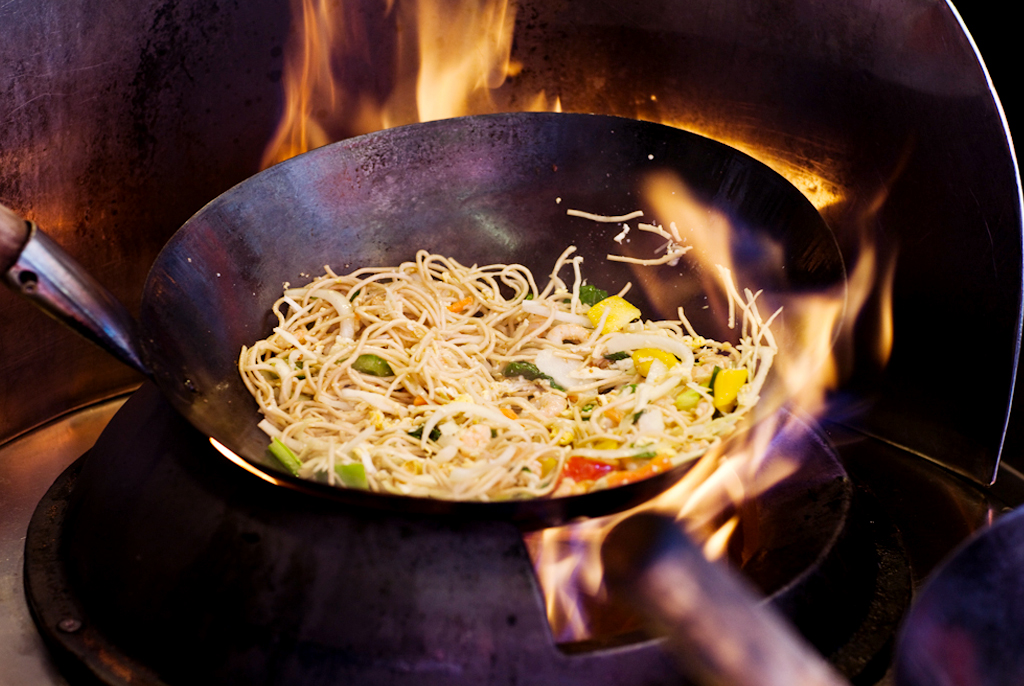
If your home stir-fry chicken comes out dry while takeout stays glossy, the gap is usually not the sauce. It is the step before the wok ever gets hot.
Velveting is a Chinese marination and pre-cook method built for small, uniform cuts of meat or seafood. The goal is a tender, silky bite that still holds sauce on the finish. Restaurant Cantonese kitchens have relied on it for decades. Home cooks across the diaspora have done versions of it without always having the vocabulary to match.
What velveting actually does
Think of velveting as building a thin protective jacket around protein.
You toss thin slices in a slurry of cornstarch, liquid (soy sauce, oyster sauce, or a splash of water), and oil. Some recipes add egg white, especially for shrimp and fish, because it helps the coat cling and keeps delicate seafood from toughening. After 30 minutes to overnight in the fridge, the starch hydrates into a light gel that shields the protein from harsh heat.
The second step is a brief par-cook before the final stir-fry:
- White meat and seafood: blanch in boiling water, then drain.
- Red meat: many chefs prefer a quick pass through hot oil instead of water, which can wash flavor from beef or pork.
That pre-cook is not the meal. It sets texture. The last high-heat wok pass finishes the dish and lets sauce cling evenly instead of pooling in the pan. The starch or egg white barrier keeps juices inside the slice and stops the rubbery chew that happens when bare chicken hits a screaming wok.
Why it tastes like restaurant stir-fry
Velveting solves three problems at once.
Tenderness: cheap or lean cuts get a buffer against overcooking. Sauce adhesion: the coated surface grabs garlic-ginger-oyster glaze instead of shedding it. Even cooking: thin slices that would dry out in one direct pass get a head start in controlled heat.
That is why the shrimp in your favorite neighborhood spot feels bouncy without being raw, and why beef with broccoli keeps a soft edge even when the florets are still crisp.
Two-time Top Chef winner Buddha Lo has helped push the term into wider circulation lately, walking through the starch-by-tablespoon method and the water-versus-oil choice for different proteins. His version is practical home-kitchen advice: season first, coat until the marinade clings, rest, par-cook, then stir-fry fast. The kind of instruction that turns "my chicken is always stringy" into a fixable technique problem.
If you already learned this from a parent
Many diaspora readers learned velveting as muscle memory. A parent tossing chicken in cornstarch and egg white before dinner did not always call it anything in English. You just knew the result tasted right.
Naming matters anyway. When a technique stays unnamed outside the family kitchen, it gets treated like folklore instead of skill. Younger cooks reclaiming recipes through YouTube and TikTok often want both: the feel of a relative's hand and a framework they can repeat on a Tuesday.
Mainstream food media has picked up the technique in recent years, usually once home cooks are already searching. The pattern matches what we saw in grocery: mainstream retailers widening Asian food aisles once shopper demand crossed a threshold. Technique explainers arrive at the same inflection point.
The risk is oversimplification. "Add cornstarch" is true and incomplete. The rest time, the par-cook medium, the slice thickness, and the final wok heat all change the outcome. Velveting is not a hack. It is a sequence.
A basic version to try tonight
For about 1 pound of thin-sliced chicken:
- Mix 1 tablespoon cornstarch, 1 tablespoon soy sauce, and 1 tablespoon neutral oil in a bowl.
- Add chicken; coat evenly. Rest 30 minutes (longer is fine).
- Blanch in boiling water 30 to 45 seconds; drain well.
- Stir-fry aromatics and vegetables, return chicken, add sauce, finish on high heat for under a minute.
For shrimp, work an egg white into the initial coat. For beef, some cooks add a tiny pinch of baking soda to the marinade for extra tenderness, a trick common in restaurant prep and home Hunan-style cooking alike.
Your pantry probably already has the ingredients if you cook any Chinese-adjacent food at home. Asian grocery expansion at Target and Whole Foods makes oyster sauce and decent soy easier to find without a separate errand.
Where this fits the summer food calendar
Velveting is a home-kitchen upgrade, not a ticketed event. It pairs with the season we are already tracking: night markets and pop-ups where stir-fry standards set the baseline for what "good" tastes like.
If you are planning weekend food runs, Little Saigon Night Market in Westminster and the 626 Night Market circuit are useful reference points for texture and sauce balance, the target your wok is chasing. For a sit-down counterpoint to home technique, Drāvida in Manhattan's East Village is doing diaspora tasting-menu cooking in a completely different register, but the same audience: people who care how South and Southeast Asian food travels in North American cities.
Food travel works the other direction too. Chef Austin Kang's MLB Breakfast Club in Seoul is building American sports mornings around Korean-Mexican brunch, proof that diaspora cooking keeps remixing formats while technique posts like this one stay anchored in the pantry.
The bottom line
Velveting is having its explain-it moment because home cooks finally want restaurant texture without restaurant equipment. The method is old. The vocabulary catching up is new.
If your stir-fry protein has been the weak link, fix the prep before you buy a new sauce. Coat, rest, par-cook, then wok. That order is the whole trick.