Tetsuya Chiba’s Ashita no Joe finally has an English starting guide
Kodansha announced Tetsuya Chiba’s death on October 27. Ashita no Joe, the boxing manga English readers talked about for decades, only began its first official translation in late 2024. Here is where to start.
 The Goldscene Desk
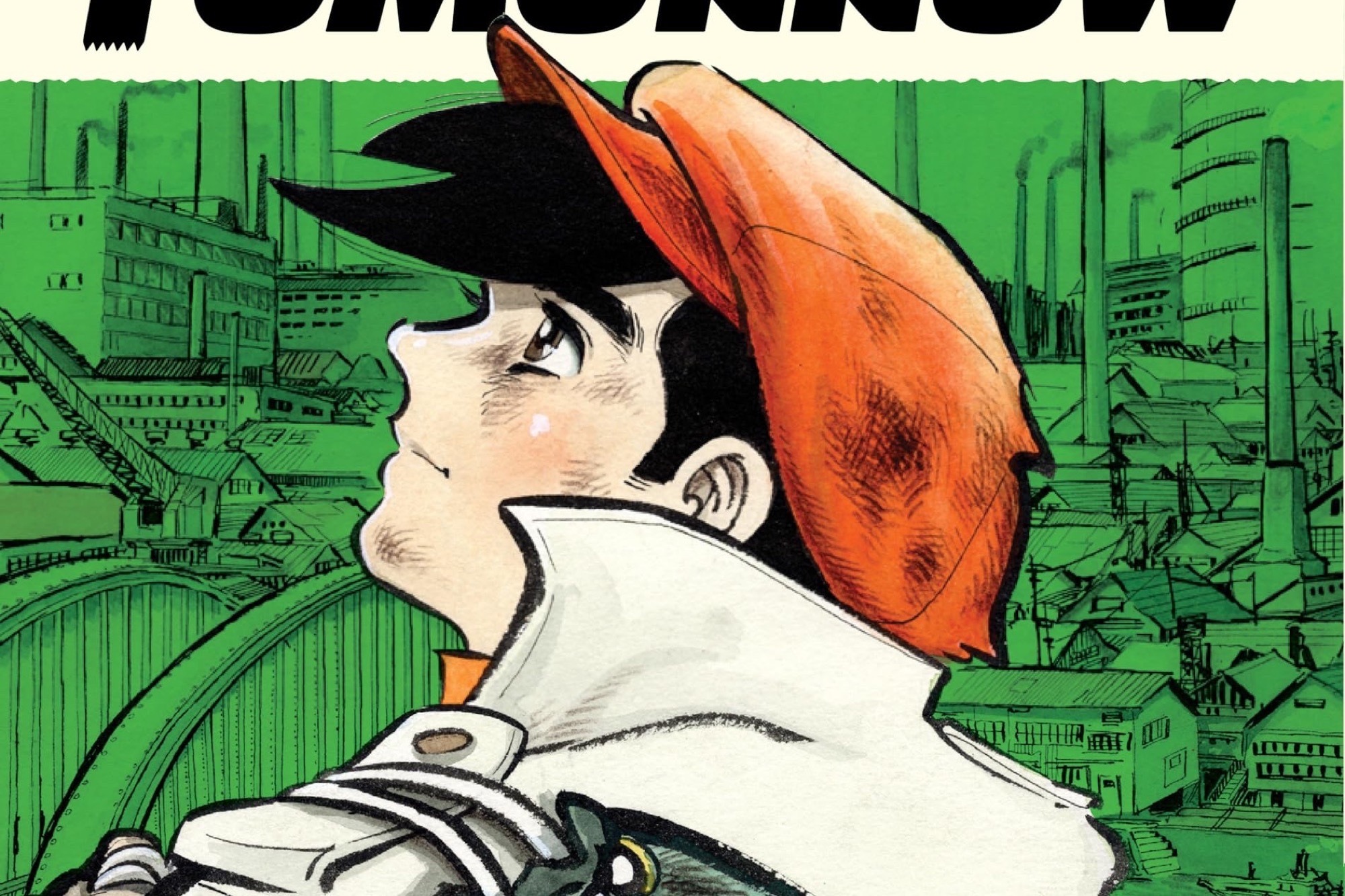

Kodansha announced on October 27 that Tetsuya Chiba had died in a Tokyo hospital on October 22 from myelodysplastic syndrome. He was 87. He had been drawing for about seventy years, long enough to help move manga from “harmful books” talk into Japan’s Order of Culture. He received that honor in 2024, the first manga artist to hold it. English readers met the news with a smaller shelf than Japan had. His most famous work only got an official translation in December 2024, so the obituaries landed while the English edition was still coming out volume by volume.
That work is Ashita no Joe, drawn by Chiba from a story by Asao Takamori (Ikki Kajiwara) and serialized in Weekly Shōnen Magazine from 1968 to 1973. Joe Yabuki is a slum drifter who finds boxing in juvenile detention, then trains under washed-up coach Danpei Tange. The fights stay human. Nobody flies, and nobody gets a clean escape. College students and working-class readers recognized their own pressure in Joe’s climb. When rival Tōru Rikiishi died in the manga in 1970, avant-garde playwright Shūji Terayama staged a real Buddhist funeral at Kodansha headquarters. Hundreds of fans lined up. A week later, Red Army hijackers leaving for North Korea declared, “We are tomorrow’s Joe.” By then the series was already bigger than a sports comic.
What English readers could not get for decades was Chiba’s drawing itself: the grit of Tokyo’s day-laborer districts, the weight cuts, the faces that look tired before they look stylish. He had already drawn girls’ comics and sports stories, then kept going with long runs such as the sumo series Notari Matsutarō. Katsuhiro Otomo later said he studied Chiba’s pacing when he was figuring out how manga should move. Kodansha’s Chiba Tetsuya Award has steered new artists for more than forty years. Outside Japan, people knew the name Joe. The books stayed Japanese.
The English edition is Ashita no Joe: Fighting for Tomorrow from Kodansha USA under the Vertical Comics imprint. It is the first official English release, eight oversized hardcovers based on the Japanese High Grade Edition rather than thin monthlies. Volume 1 arrived December 24, 2024. Volumes have been landing about every quarter. Volume 6 came out August 25, 2026. Volume 7 is due December 15, 2026, and Volume 8 on April 20, 2027. Start with Volume 1 in print or digital. Skip waiting for a “best of” pack. The early chapters are the way in: street fights, detention, Danpei’s pitch, the first real losses.
If you want something on a screen while later omnibuses arrive, Crunchyroll streams both Tomorrow’s Joe television seasons in the Americas with English subtitles, the Osamu Dezaki adaptations from 1970–71 and 1980–81. Megalobox and Megalobox 2: Nomad, the 50th-anniversary sci-fi reimaginings, are on the same service if you want a sideways take inspired by Joe. They are not a replacement for Chiba’s pages. The manga is still the place to meet him.
Chiba’s death does not change the reading order. It only makes the late English arrival feel sharper. A boxing manga that shaped Japanese popular culture spent half a century in English as a name people dropped and clips people passed around. Now you can buy Volume 1 of Fighting for Tomorrow and read Joe on the page, in Chiba’s line, before anyone else’s summary of what he meant.